
Discover Honda’s upcoming all‑electric N‑Box, slated for a 2027 debut, and how it will stack up against BYD’s Racco in Japan’s fast‑growing kei EV market. Learn more now!
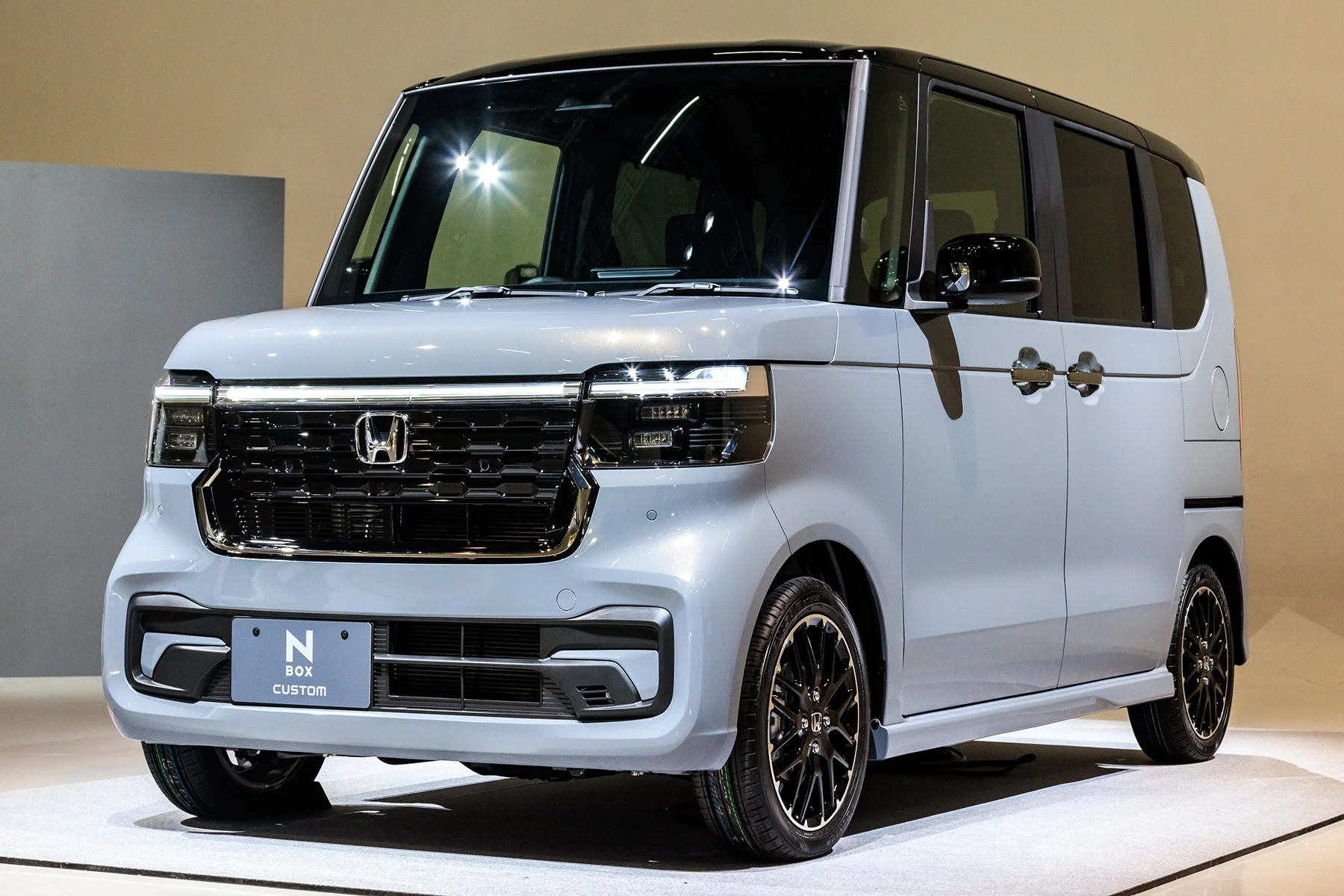
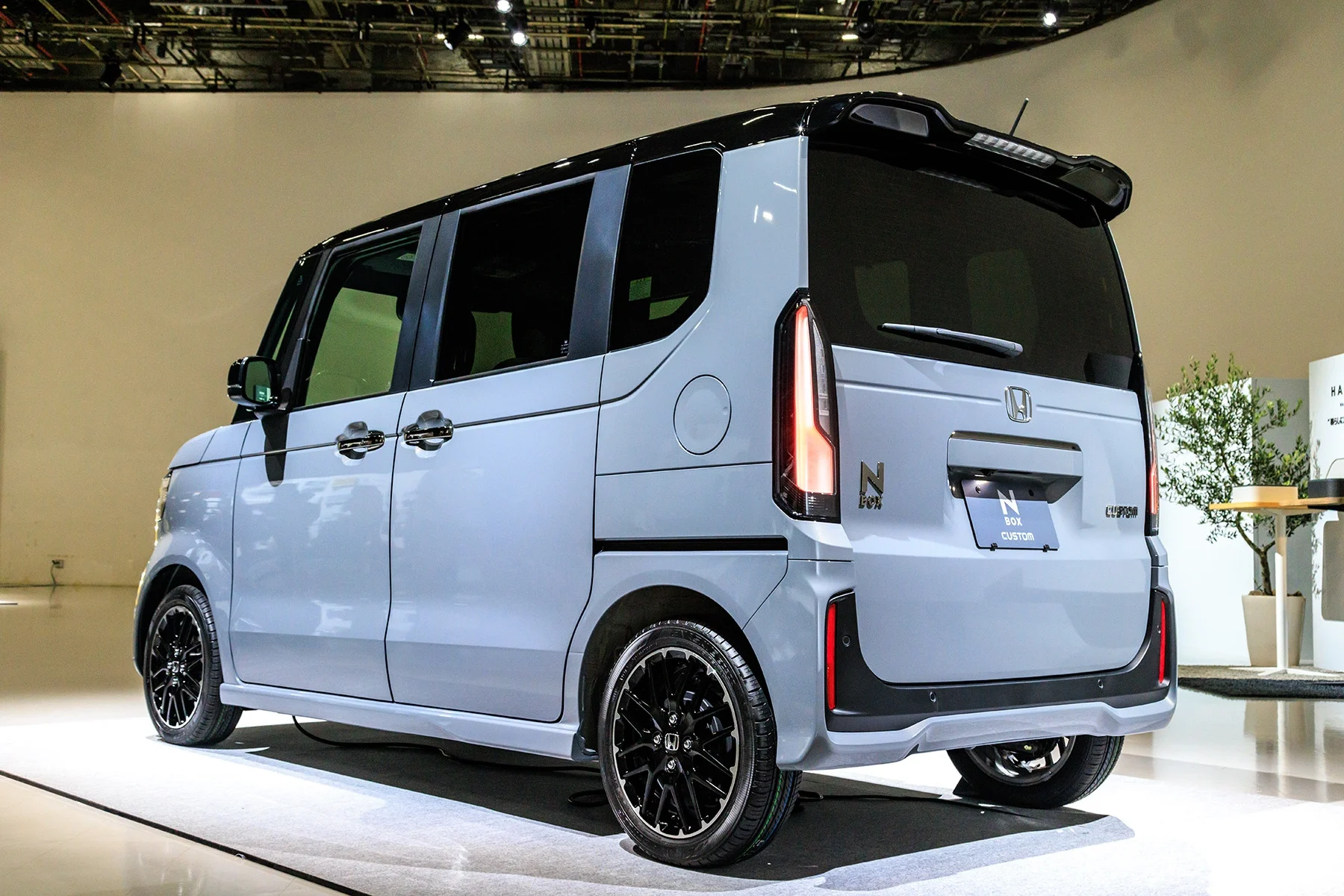
Japan’s best‑selling compact utility vehicle, the Honda N‑Box, is set to go fully electric. Honda aims to roll out an electric version of the N‑Box around fiscal year 2027, positioning the model against China‑maker BYD’s upcoming Racco and other electrified kei cars.
Why the N‑Box Matters
First launched in 2011, the N‑Box belongs to Japan’s unique “kei car” category – a class of ultra‑compact vehicles limited to 3.4 m in length, 1.48 m in width and 2.0 m in height. In 2024 alone, more than 200,000 N‑Box units were sold, outpacing the Toyota Corolla and cementing a three‑year streak as Japan’s top‑selling model. Its spacious interior, low starting price of roughly ¥1.7 million (≈ US$11,000), and tax‑friendly status have driven cumulative sales to nearly 3 million units.
Honda’s EV Roadmap
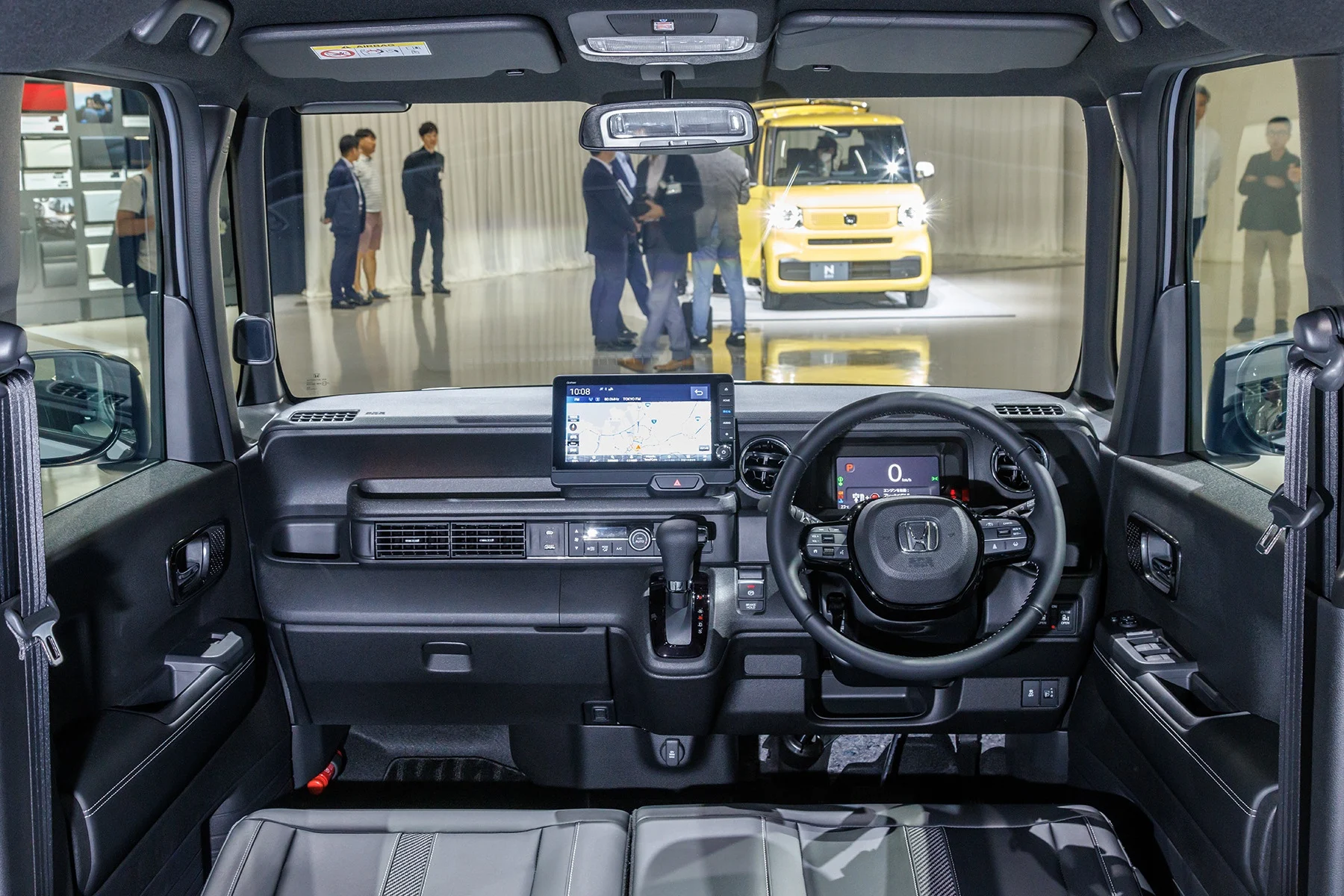
While Honda continues to offer gasoline‑powered N‑Box variants to meet diverse consumer preferences, the company is fine‑tuning the electric version’s range, performance specs, and pricing. The goal is to make an EV that retains the N‑Box’s practicality while meeting the growing demand for zero‑emission city transport.
The Japanese EV Landscape
Electric vehicles currently represent only about 2 % of new car registrations in Japan, the lowest share among major economies. Nevertheless, the electric kei‑car segment is gaining traction. Nissan’s Sakura and Mitsubishi’s eK X together accounted for over 40 % of all EV sales in the country during 2024, showing that the limited range typical of small EVs aligns well with the short‑haul, urban usage patterns of kei cars.
Rising Competition: BYD Racco and Others
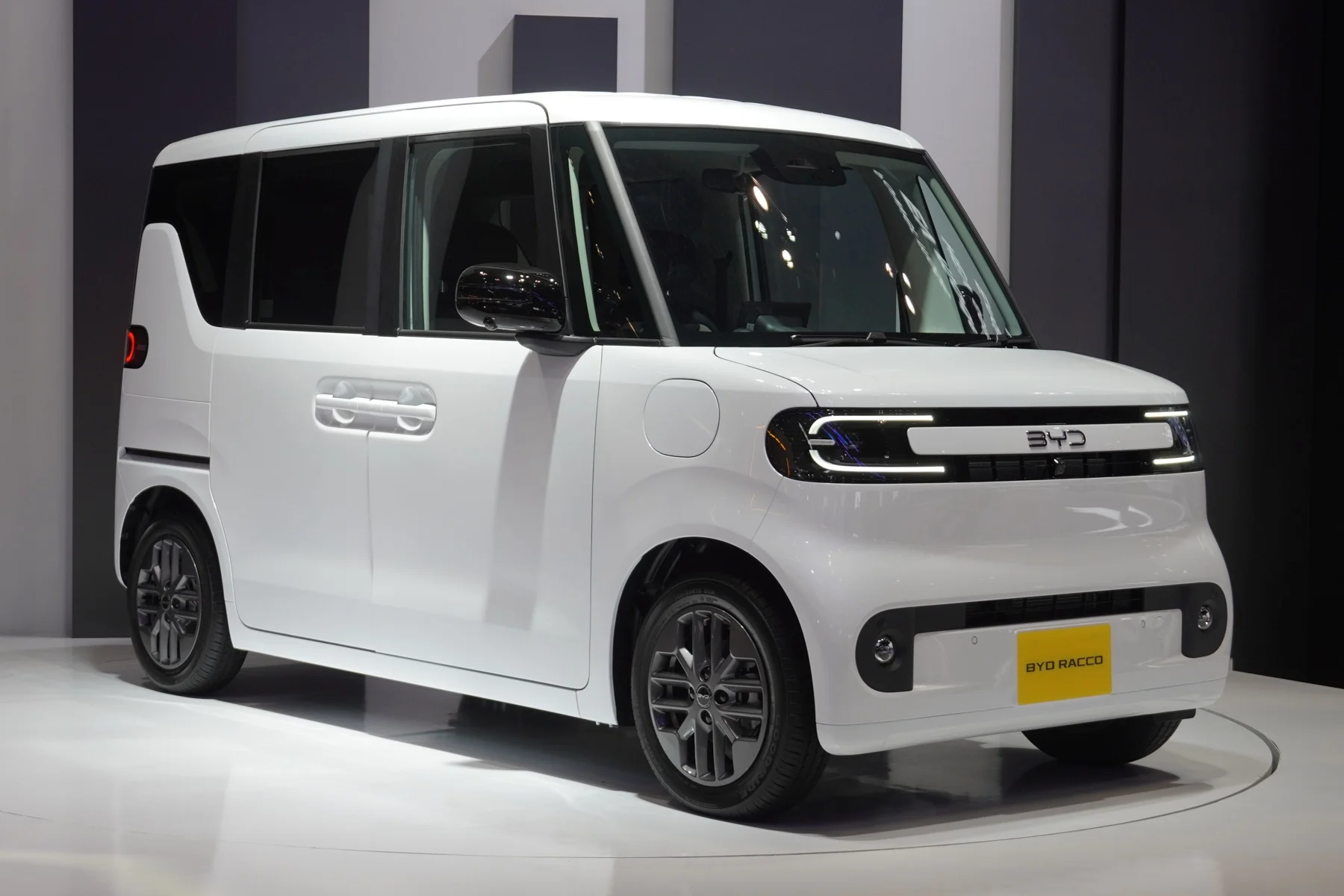
Chinese EV giant BYD plans to launch the Racco, a dedicated electric kei car designed to go head‑to‑head with the N‑Box. BYD’s entry is expected roughly a year before Honda’s electric N‑Box, raising the stakes in a market that values price, tax incentives, and city‑friendly dimensions. Suzuki also has an electric kei‑car slated for FY2026 or later, further intensifying the race.
What This Means for Japanese Buyers
- Affordability: Electric kei cars enjoy the same low tax rates as their gasoline counterparts, making them financially attractive.
- Urban practicality: Compact size and generous interior space suit crowded city streets and tight parking.
- Policy push: Government subsidies for EV purchases add extra incentive for consumers.
With Honda, BYD, and Suzuki all committing resources to electric kei models, Japanese consumers are likely to see a broader, more affordable EV choice pool in the coming years. The competition should also help shift public perception of electric vehicles from niche novelties to everyday practical transport.
Looking Ahead
Honda’s upcoming N‑Box EV could become a pivotal model in Japan’s transition to greener urban mobility. Its success will depend on how well the company balances range, price, and the beloved functional design that made the gasoline N‑Box a household name. As the market heats up, the next few years promise to be a defining period for electric kei cars in Japan and possibly a blueprint for other compact EV segments worldwide.