
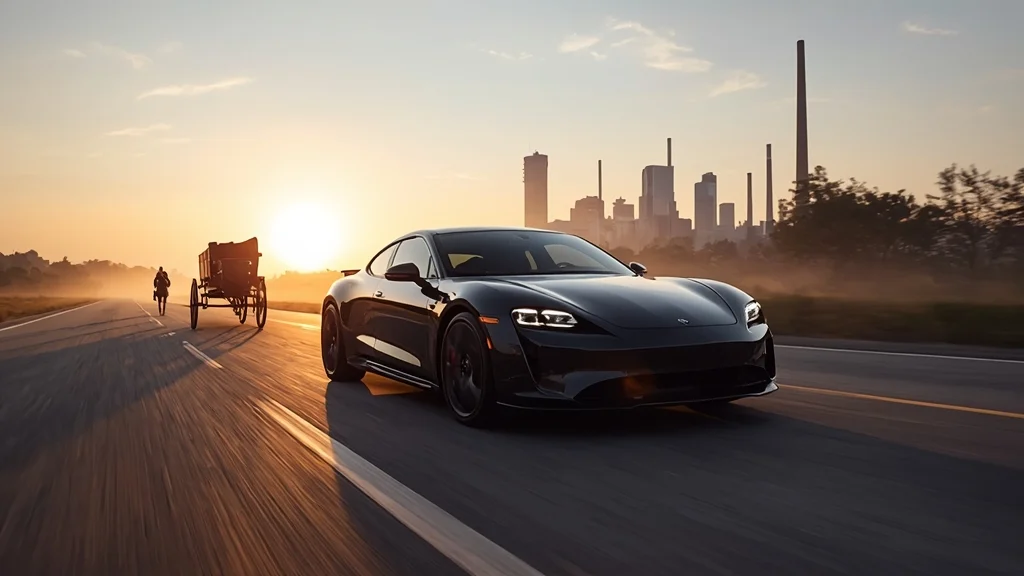
Discover the 250‑year story of horsepower, its roots in James Watt’s steam engine, and why automakers still champion it over kilowatts. Read more!
Even as electric vehicles surge, the term horsepower (HP) continues to dominate brochure headlines and marketing chatter. Why does this 18th‑century unit still feel more thrilling than the scientifically precise kilowatt?
From Draft Horses to Steam Engines
In the late 1700s, a horse was the ultimate workhorse—literally. It pulled carts, powered water pumps, and ran grain mills. When Scottish engineer James Watt improved the steam engine, he needed a way to convey the new machine’s strength to potential investors who were accustomed to judging power by how many horses could be replaced.
Watt’s Original Definition
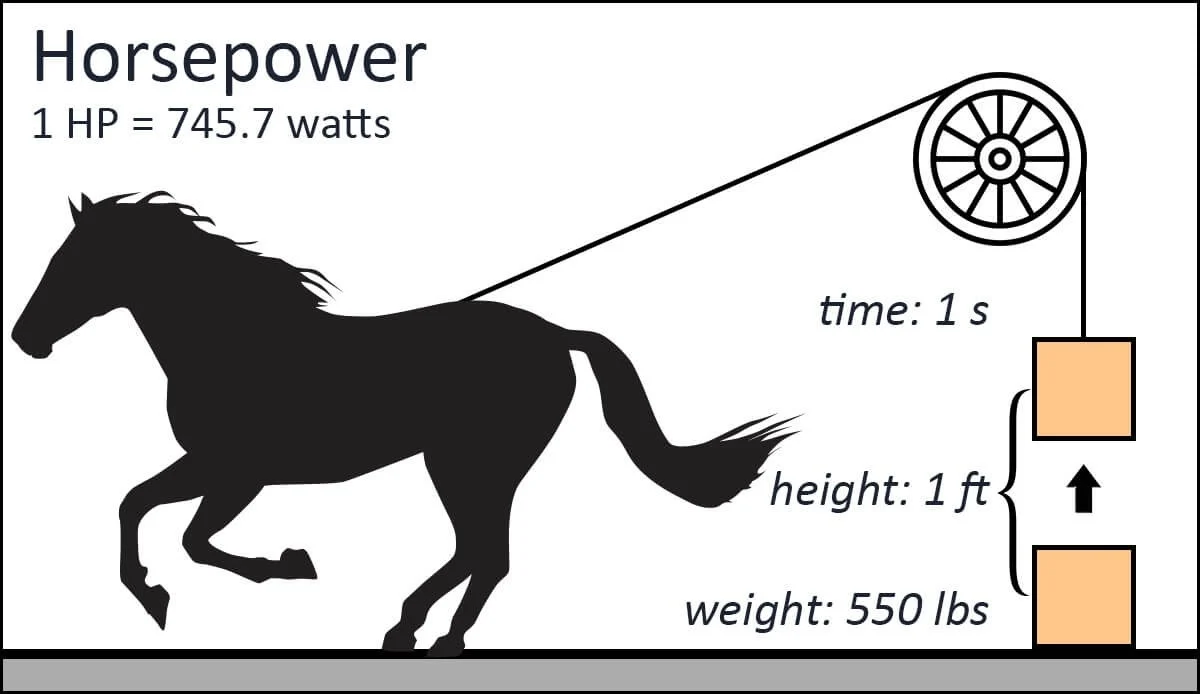
Watt defined one horsepower as the amount of work required to lift 550 pounds one foot in one second. In modern terms, that equals roughly 746 watts. The United States initially adopted this definition, while the metric system later settled on about 735 W for a “metric horsepower.”
Horsepower vs. Watts: The Numbers
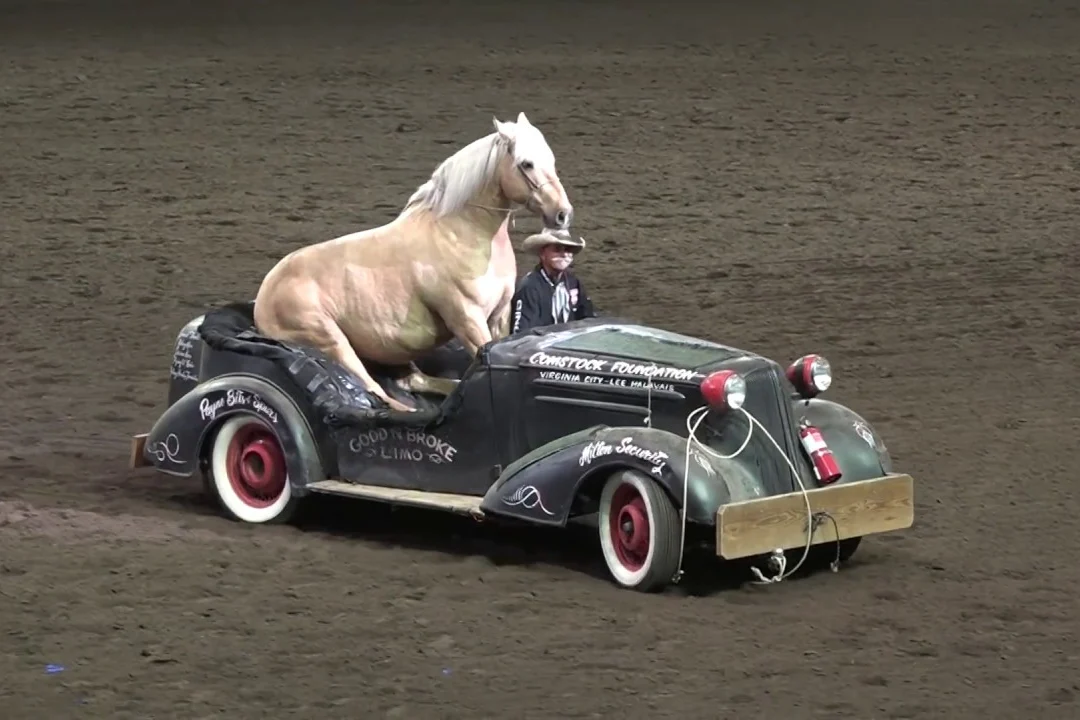
Because 1 HP ≈ 746 W, the conversion to kilowatts is simple: 1 HP ≈ 0.746 kW. This tiny difference—about 1.34 kW per horsepower—makes the unit feel larger on paper, which is why manufacturers love to showcase it.
Why Car Makers Prefer Horsepower
- Marketing appeal: “500 HP” sounds more muscular than “373 kW.”
- Legacy familiarity: Decades of advertising have trained buyers to compare models by horsepower.
- Competitive edge: A small bump in HP can make a model appear more powerful without changing the actual performance.
Horsepower in the Age of Electric Cars
The Tesla Model S Plaid is a perfect case study. Its three electric motors produce a combined output of 750 kW, which translates to just over 1,000 HP. The headline “1,020 horsepower” instantly conveys a performance image that “750 kW” would not.
The HP, PS, and kW Confusion
International specifications can mix three units:
- HP (horsepower): 746 W (used mainly in the U.S. and U.K.).
- PS (Pferdestärke): 735 W (German metric horsepower).
- kW (kilowatt): the SI standard.
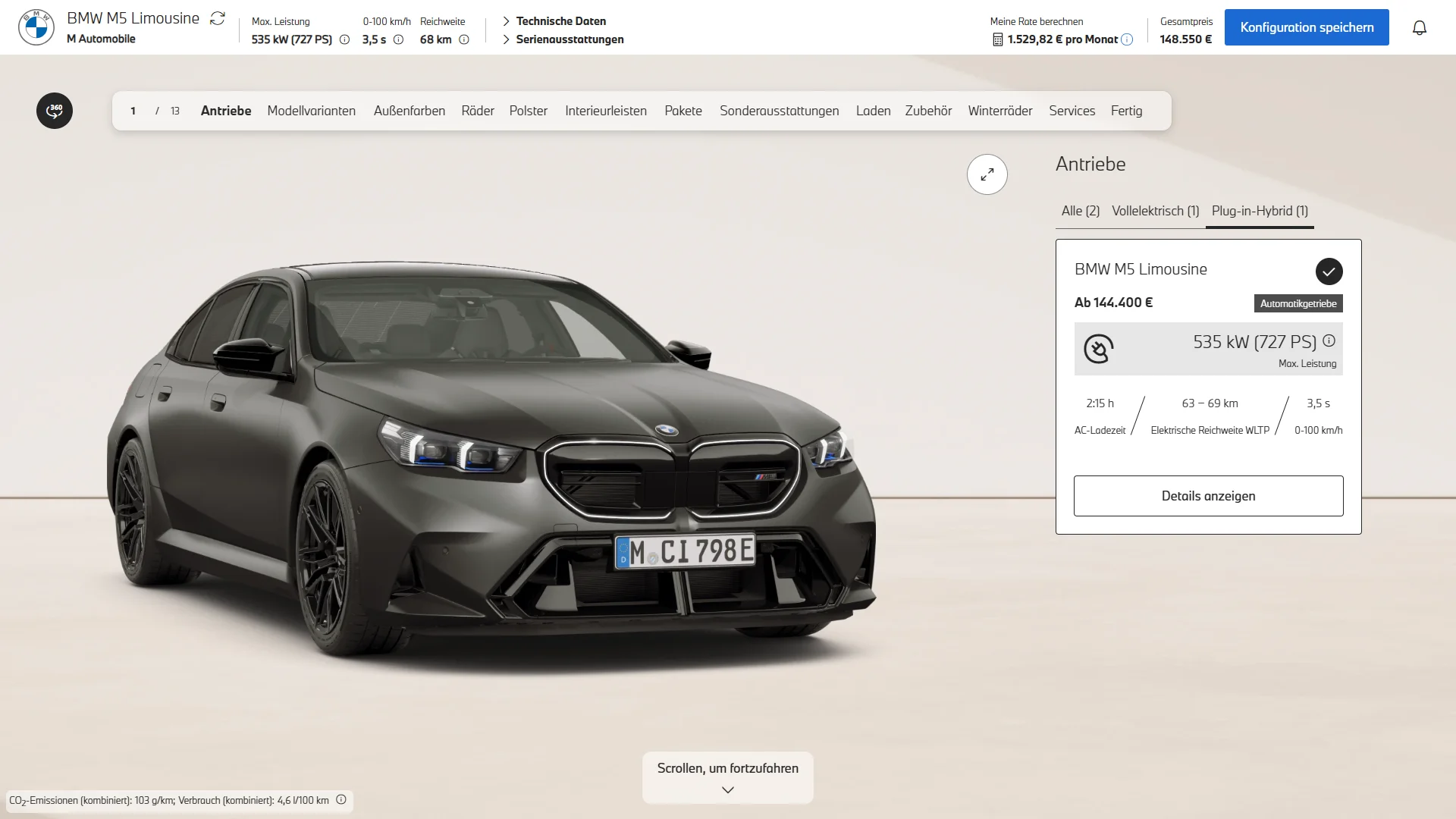
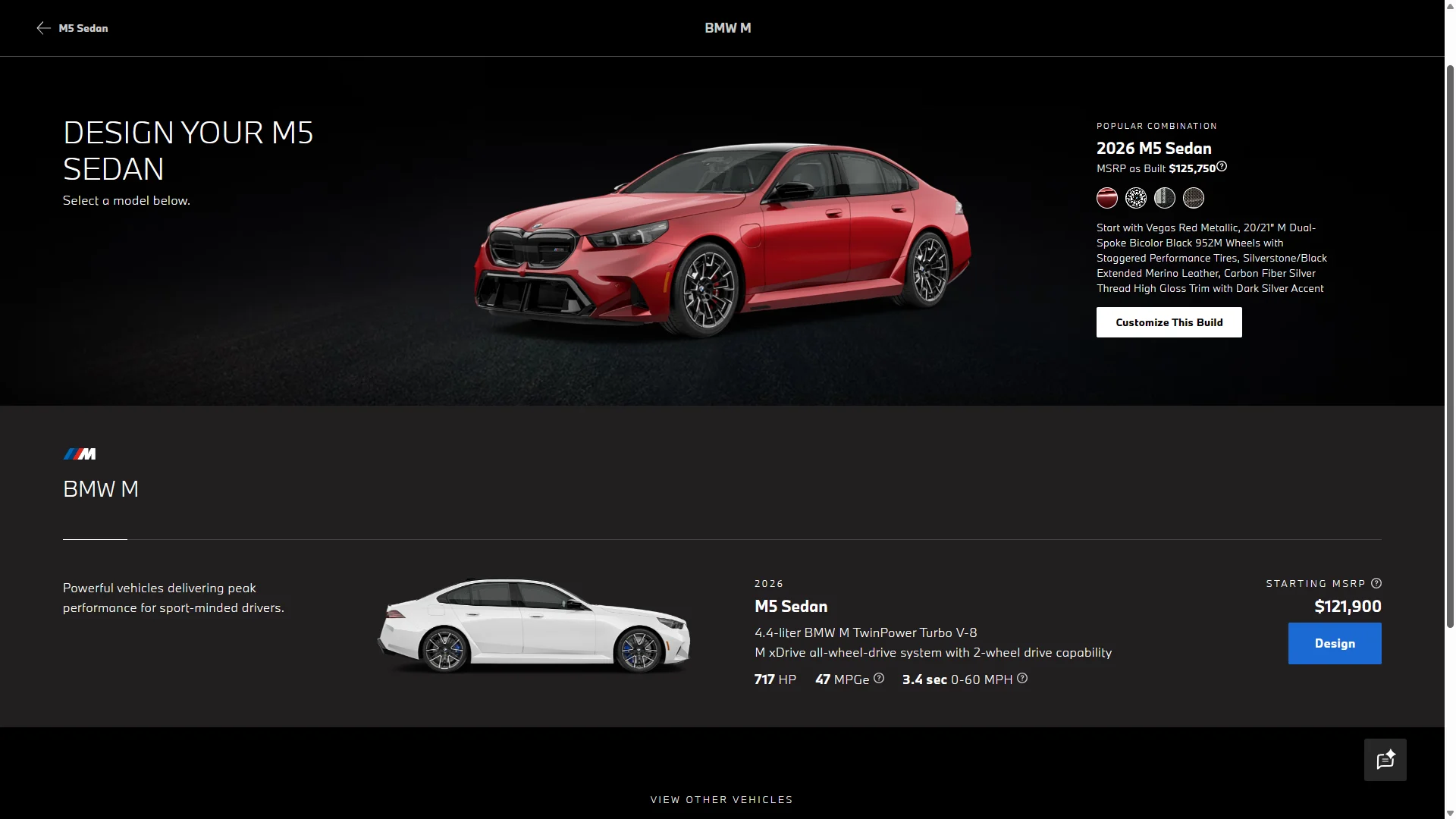
For example, a BMW M5 is listed as 727 PS on the German site but 717 HP on the U.S. site. Both convert to the same 535 kW, illustrating why the watt remains the universal benchmark.
Looking Ahead: Will Horsepower Stay Forever?
After nearly 250 years, horsepower shows no signs of fading. Its blend of historical romance and marketing punch makes it the go‑to figure whenever a brand wants to highlight engine vigor. Even as the industry pushes toward electrification and autonomy, manufacturers are likely to keep the “immortal” horsepower badge on their dashboards and advertisements.
So the next time you see a car advertised with a lofty HP figure, remember the humble draft horse that once set the standard for measuring power.