
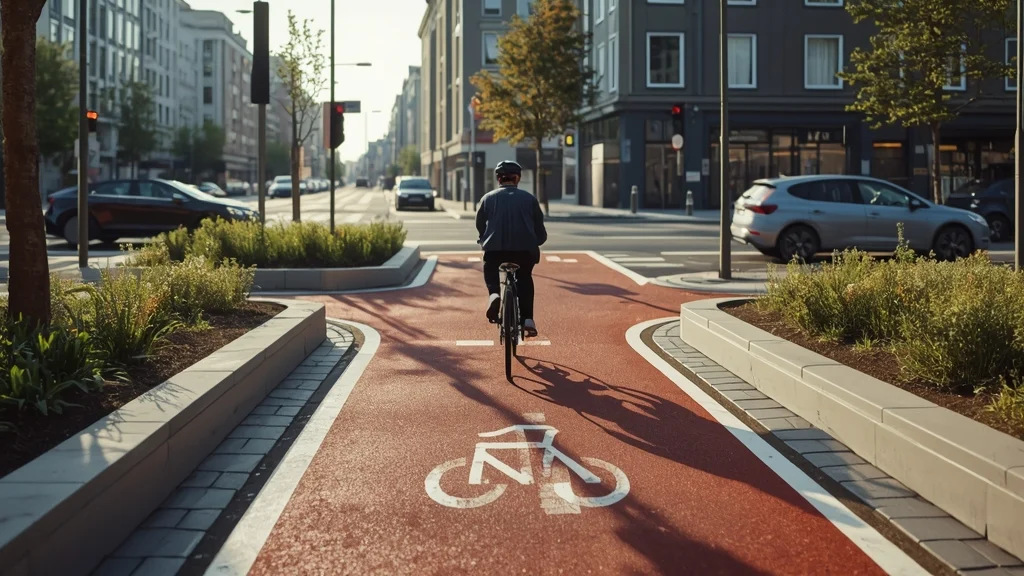
Discover the global standards that make bike lanes safer – from material choices to intersection design. Learn how cities protect cyclists today!
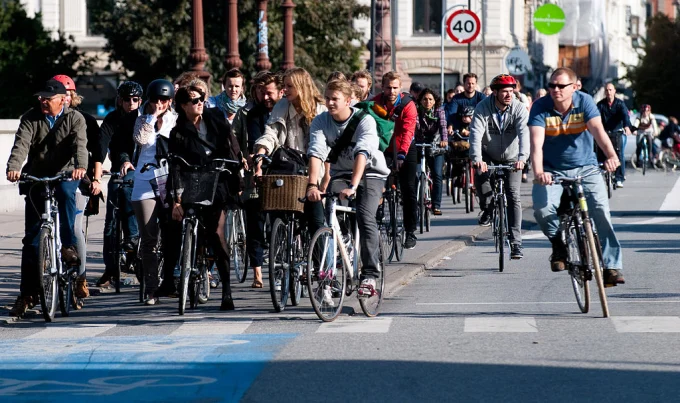
Over the past few decades, major cities across Europe, North America, and beyond have embraced cycling as a vital part of urban mobility. Beyond promoting an eco‑friendly mode of transport, well‑designed bike lanes dramatically cut crash rates and improve overall traffic flow.
Separate Space: Keeping Bikes Away from Motor Vehicles
In cycling‑centric nations such as the Netherlands and cities like Copenhagen, bike lanes are never just painted stripes. They are physically segregated from motor traffic using curbs, green strips, or low barriers. In the Netherlands, the network stretches for hundreds of kilometres, with dedicated buffers that create a clear, safe corridor for cyclists. Copenhagen’s main arteries feature bike lanes 2.2–2.5 m wide (or wider in high‑traffic zones) separated by rigid edges, giving cyclists a private lane and reducing collision risk with cars and motorcycles.
Surface Quality: Choosing the Right Materials
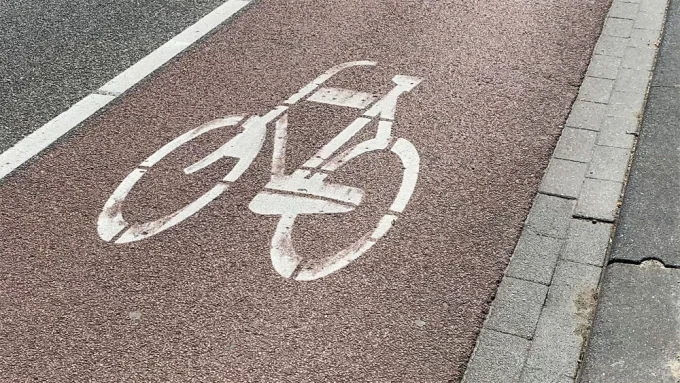
Another hallmark of advanced bike‑lane systems is the use of specialized paving. Dutch, Danish, and many U.S. cities prefer high‑texture asphalt or coloured concrete, delivering excellent grip in dry and wet conditions. Paint is typically restricted to lane markings rather than the entire surface. When paint is applied over the whole lane, it’s mixed with fine aggregates or anti‑slip granules to boost traction. European design guidelines explicitly recommend rough‑textured surfaces that prevent sudden wheel slip during braking or cornering.
Intersection Design: Managing the Most Dangerous Points
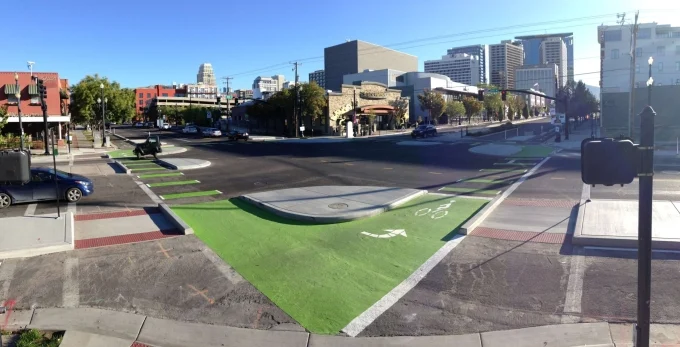
Intersections are the Achilles’ heel of any cycling network because they bring together cyclists, motor vehicles, and pedestrians. To avoid forcing cyclists into general traffic, many cities guide bike lanes straight through intersections using clear striping, colour cues, and signage. Large junctions often provide a dedicated bike signal phase or a “bike box”—a waiting area positioned ahead of motor traffic where cyclists can be seen and start moving as soon as the light turns green. This setup reduces conflicts when cars turn right or go straight alongside cyclists.
Additional safety measures include traffic islands, raised speed bumps, or lowered curbs that force motor vehicles to slow down and navigate around the bike lane. By controlling speed and direction at crossings, these features transform potentially hazardous junctions into managed, predictable spaces even during rush hour.
Key Takeaways
- Physical separation from cars is essential—simple paint isn’t enough.
- High‑grip pavement (rough asphalt or concrete) improves safety in all weather.
- Clear, coloured markings and dedicated signals guide cyclists and drivers through intersections.
- Bike boxes and traffic calming at busy junctions reduce conflict and allow cyclists to start earlier.
By adopting these proven design principles, cities worldwide can create bike lanes that are not only convenient but truly safe for every rider.