
Explore the global strategies—license plate colors, digital databases, and emission stickers—that help cities limit gasoline vehicles. Learn more now!
More than 320 cities worldwide have introduced Low‑Emission Zones (LEZ) to curb air pollution, and each nation uses its own method to tell electric vehicles (EVs) apart from traditional gasoline‑powered cars.
License Plate Color Coding
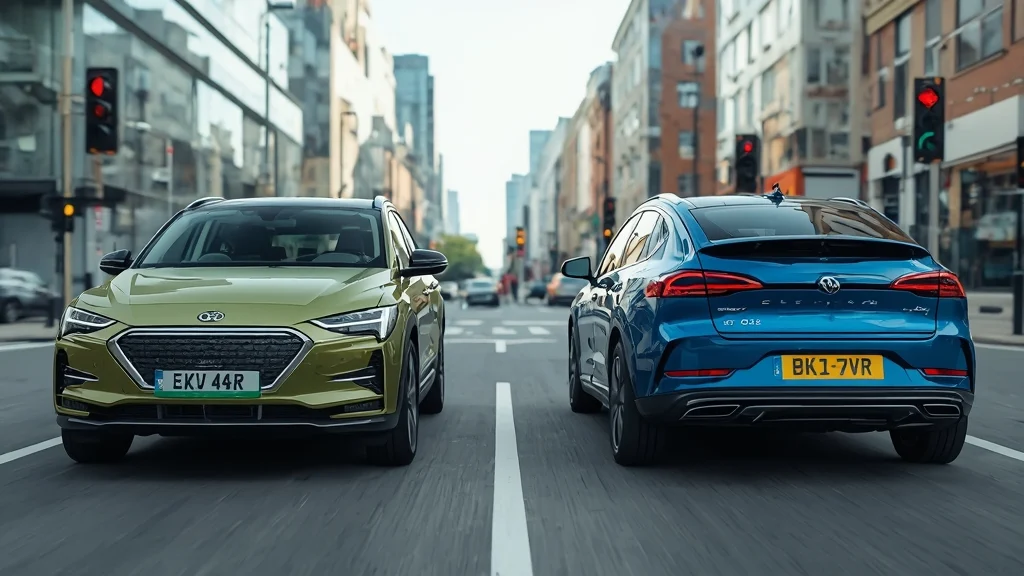
Changing the colour of the licence plate is the simplest visual cue. In China, internal‑combustion cars wear blue plates, while new‑energy vehicles—full EVs and plug‑in hybrids (PHEVs)—display a green background. Similar schemes exist in Hungary, Poland and India. The United Kingdom and Ireland add a green stripe to the front of the plate on zero‑emission cars.
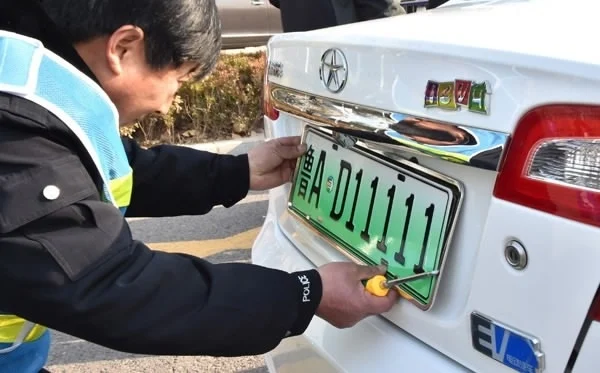
Austria and the Canadian province of Ontario use white plates with green lettering for green vehicles. These colour choices are not random; research from MDPI and IEEE shows that the specific green hue has a distinct spectral signature, making it easy for smart cameras to recognise without deep data queries.
Special Symbols and Prefixes
Some countries prefer symbols over colour. Germany adds an “E” after the registration number. The Czech Republic, Norway and other European nations prefix EV plates with “EL”, “EK”, “EV” or “EX”. These markers can trigger benefits such as reduced tolls or exemption from LEZ restrictions.
Digital Databases and ANPR Cameras
Advanced Automatic Number‑Plate Recognition (ANPR) systems enable authorities to verify vehicle type in real time. Belgium, for instance, uses hundreds of ANPR cameras around Brussels that cross‑check plates with a national vehicle register (DIV). If a gasoline car without the required Euro standard enters the zone, a fine is automatically issued to the owner’s address.
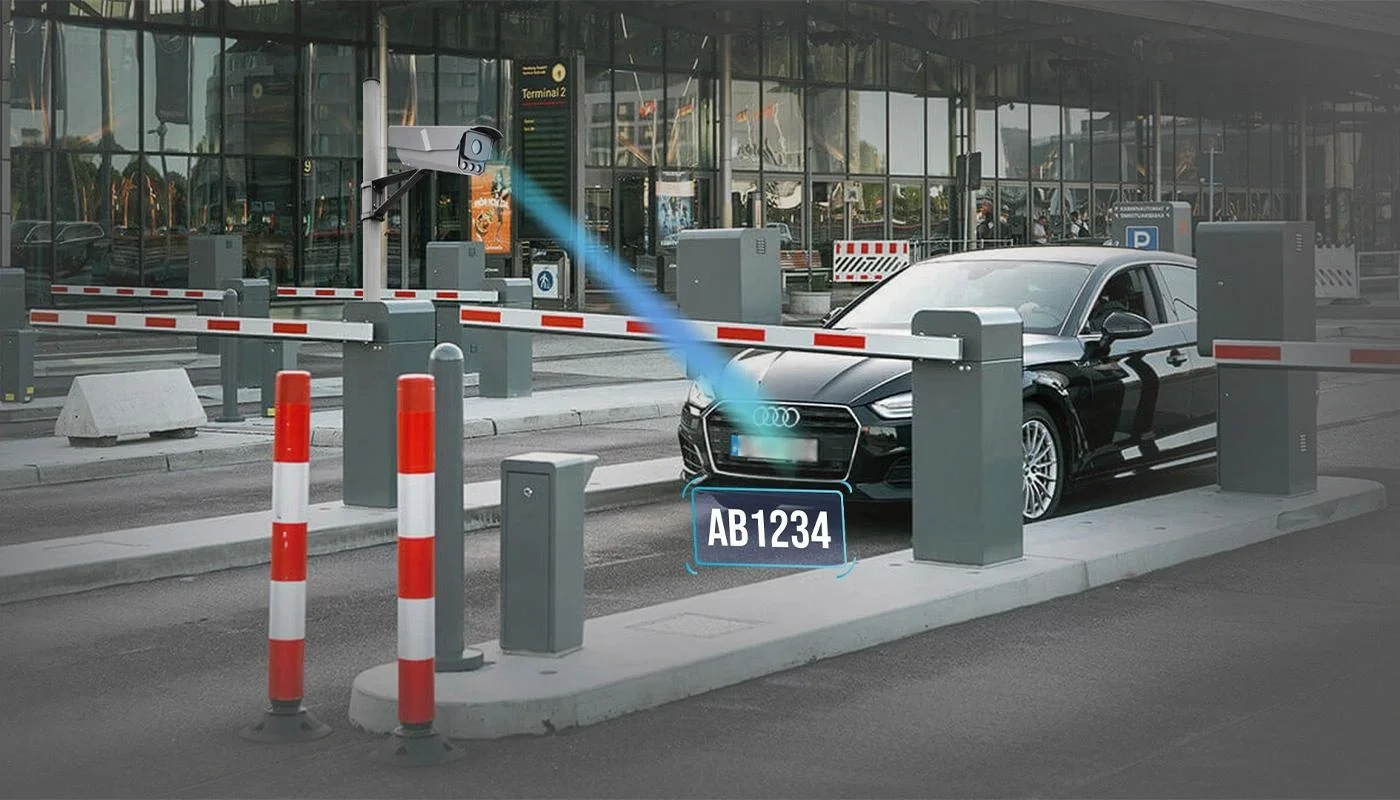
Italy’s Milan operates a similar automated checkpoint at the “Area C” LEZ entry. The system records violations and deducts penalty fees directly from the driver’s traffic account.
Emission Stickers and Labels
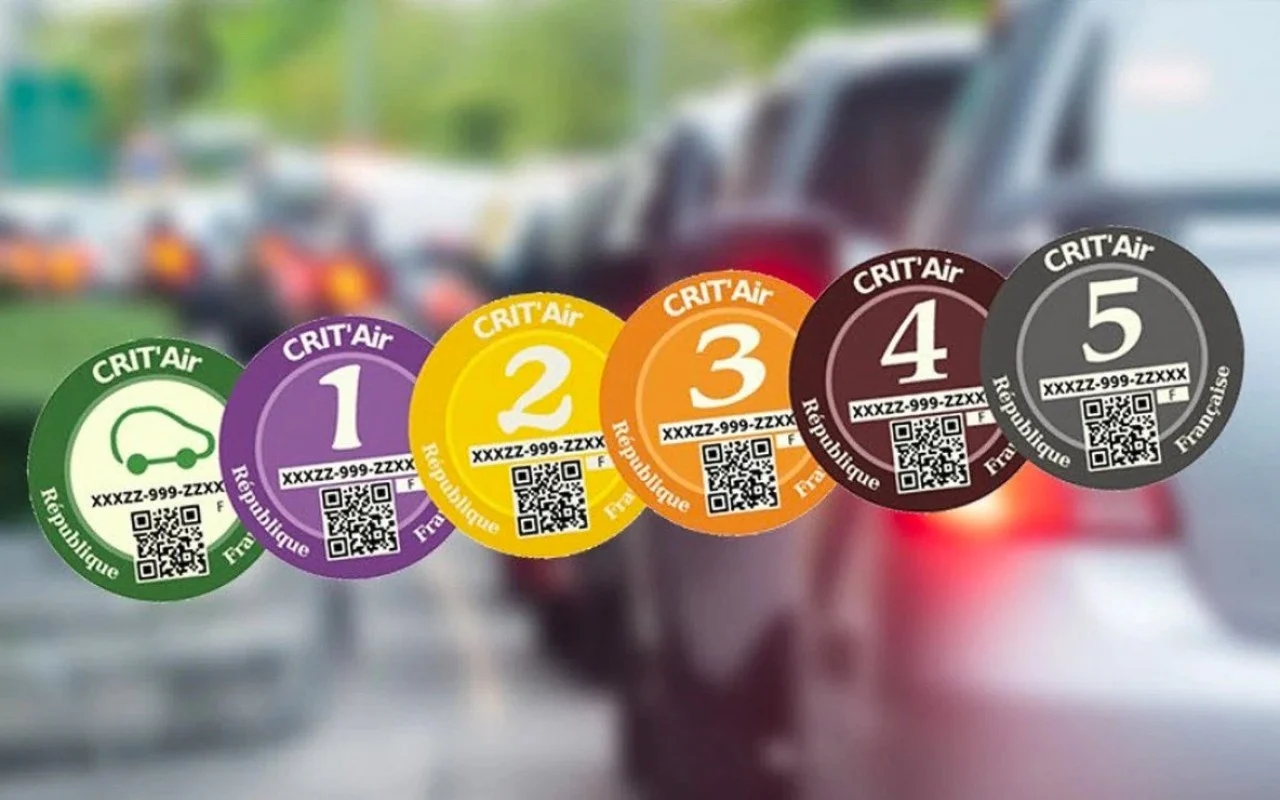
France pioneered the “Crit’Air” vignette— a coloured sticker indicating a vehicle’s Euro emission standard. Green stickers are reserved for fully electric or hydrogen models, while numbers 0‑5 cover gasoline and diesel cars. Police check the sticker when cars approach restricted areas such as Paris, Lyon or Marseille.
Switzerland’s Geneva uses the “Stick’Air” system, and Spain’s DGT labels classify cars into “0 Azul” (electric), “Eco” (hybrid) and “B/C” (combustion). Vehicles with higher‑polluting labels are barred from central zones in Madrid and Barcelona during peak‑restriction periods.
Case Studies: Europe, Asia and North America
- China: Green plates enable AI cameras to instantly separate new‑energy cars from traditional ones.
- United Kingdom: A green stripe on the plate, plus LEZ charges that favour EVs.
- Netherlands (Amsterdam, Rotterdam): Fully digital registration linked to ANPR ensures 100 % compliance.
- Canada (Ontario): White‑green plates grant access to low‑emission corridors.
Why Identification Matters for Smart Cities
Distinguishing EVs from gasoline cars isn’t just cosmetic; it’s the backbone of smart‑city traffic management. Whether through vivid plate colours, clear prefixes, or backend databases, cities can enforce emission limits, allocate road space efficiently, and encourage drivers to switch to cleaner vehicles.
Vietnam’s Emerging System
Vietnam has started linking licence‑plate data with a national vehicle database to enforce its own LEZs. While still in early stages, the approach mirrors global best practices, laying the groundwork for broader green‑vehicle adoption across the country.
Governments worldwide continue to innovate, balancing visible cues with invisible technology to create a cleaner, healthier urban environment. As more drivers embrace electric mobility, clear identification will remain a critical tool for sustainable transportation.