
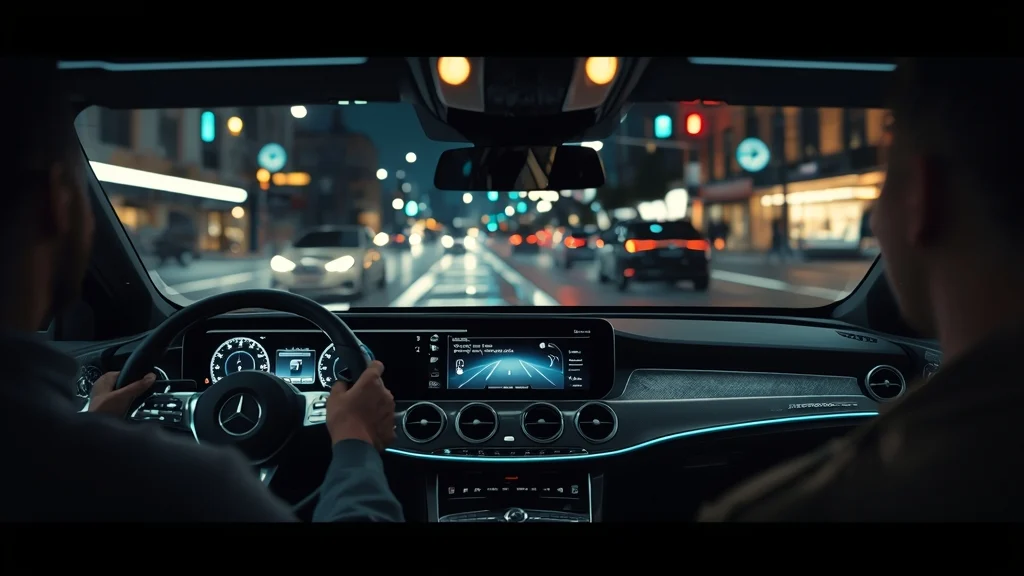
Mercedes-Benz introduces its advanced MB.DRIVE ASSIST PRO self‑driving system in the United States, aiming to outpace Tesla’s Full Self‑Driving. Learn more now!
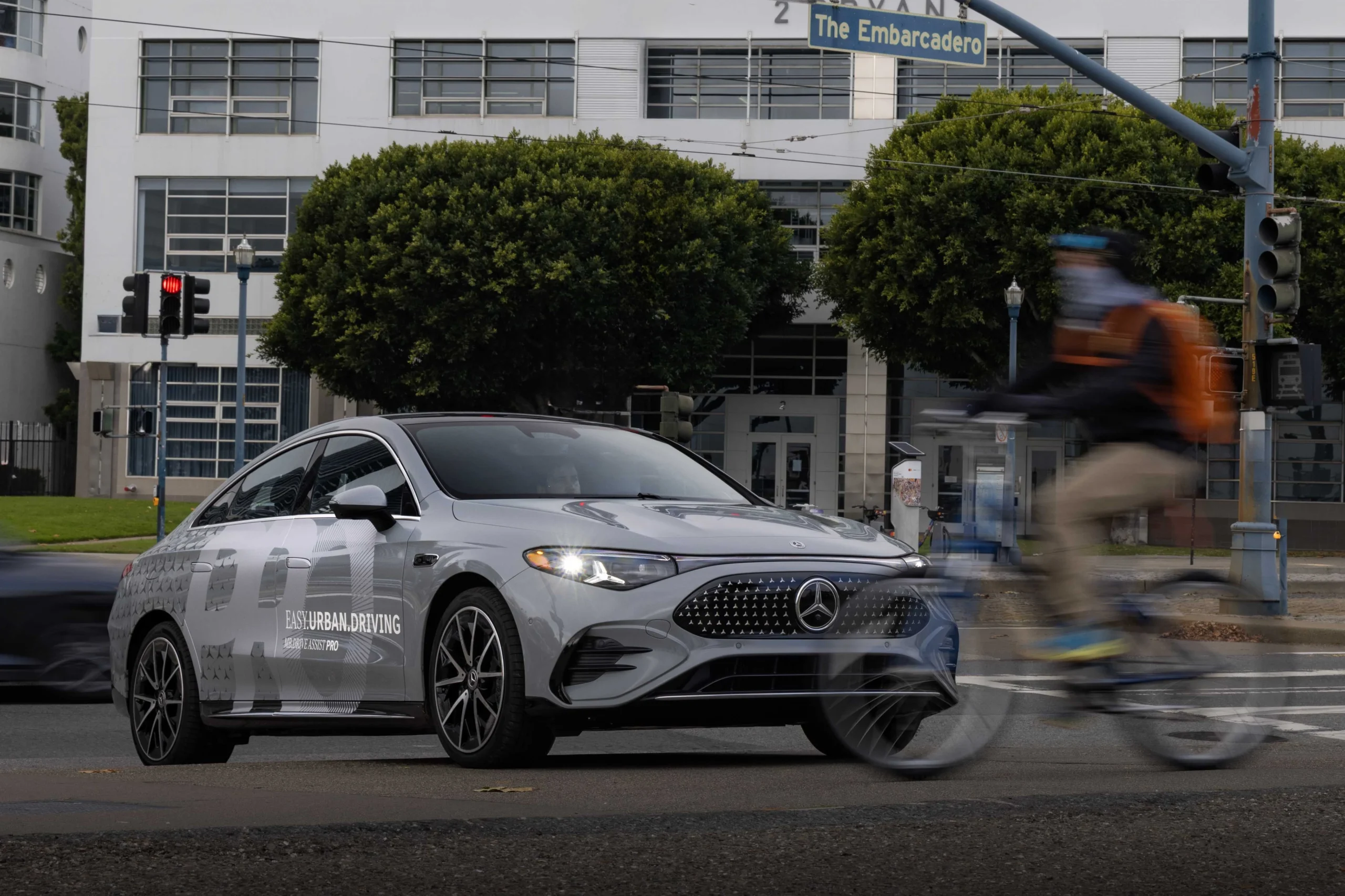
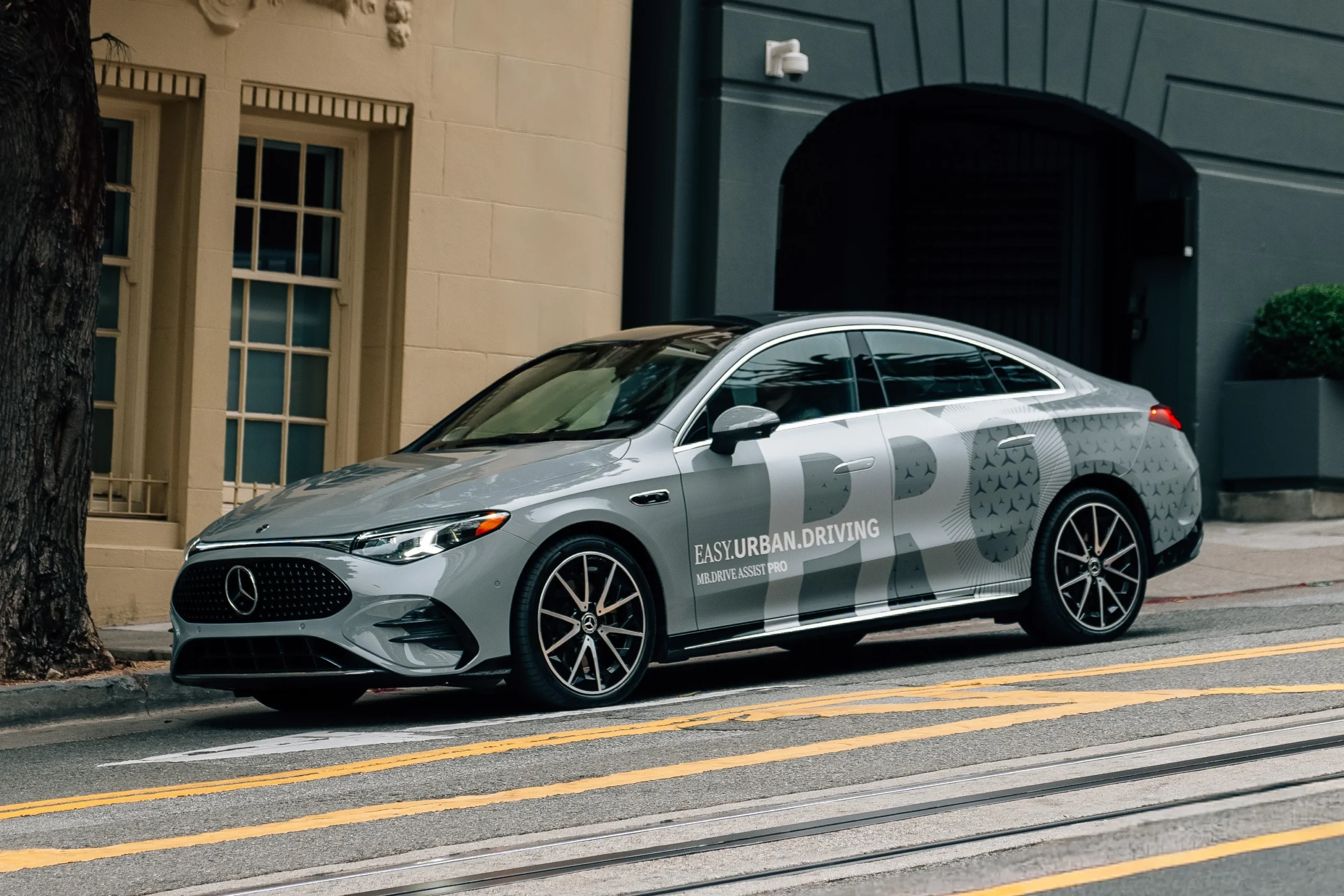
German luxury automaker Mercedes‑Benz is set to roll out its latest driver‑assistance package, MB.DRIVE ASSIST PRO, on U.S. roads later this year. The move marks a decisive step in the brand’s push to compete directly with Tesla’s Full Self‑Driving (FSD) suite.
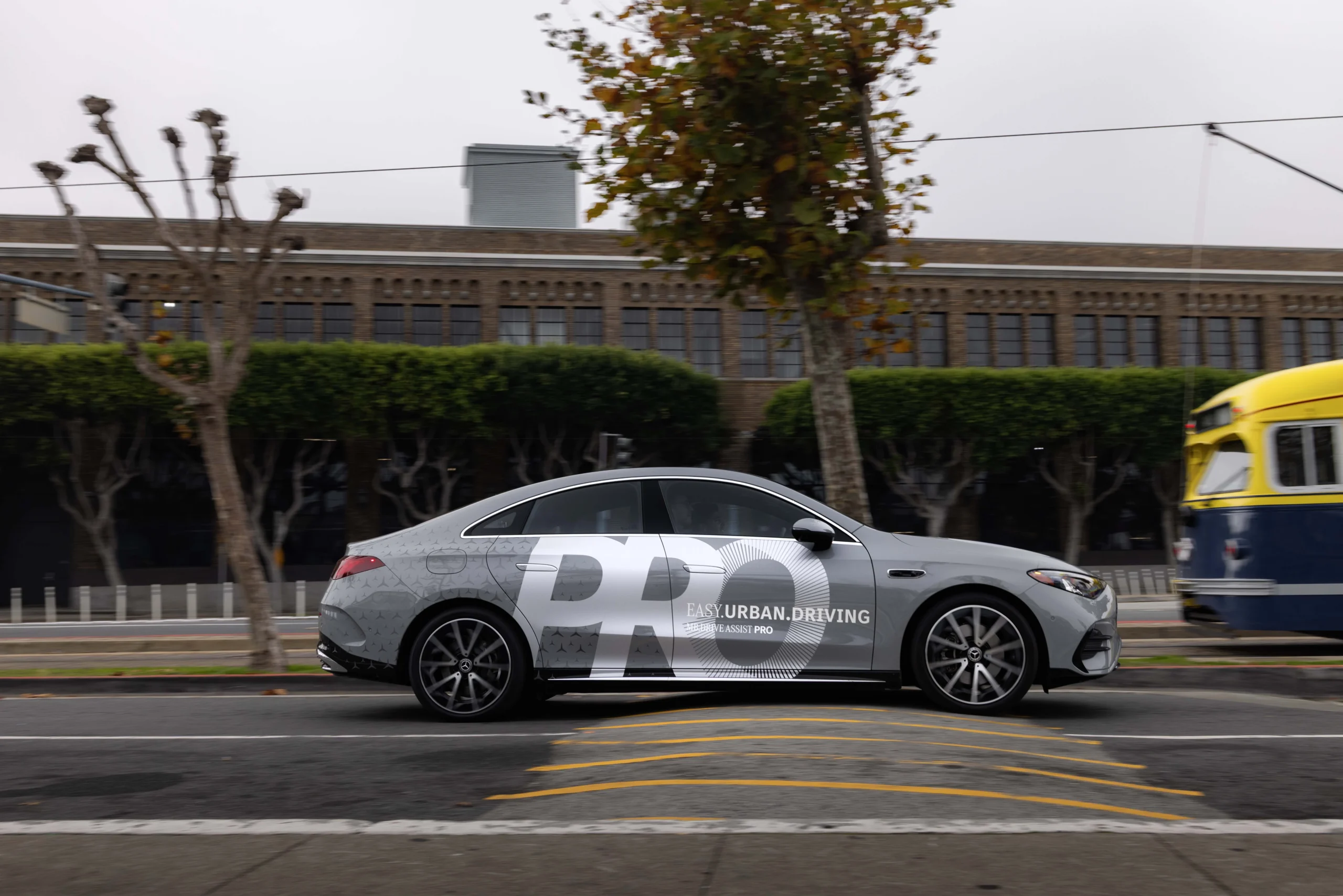
What MB.DRIVE ASSIST PRO Offers
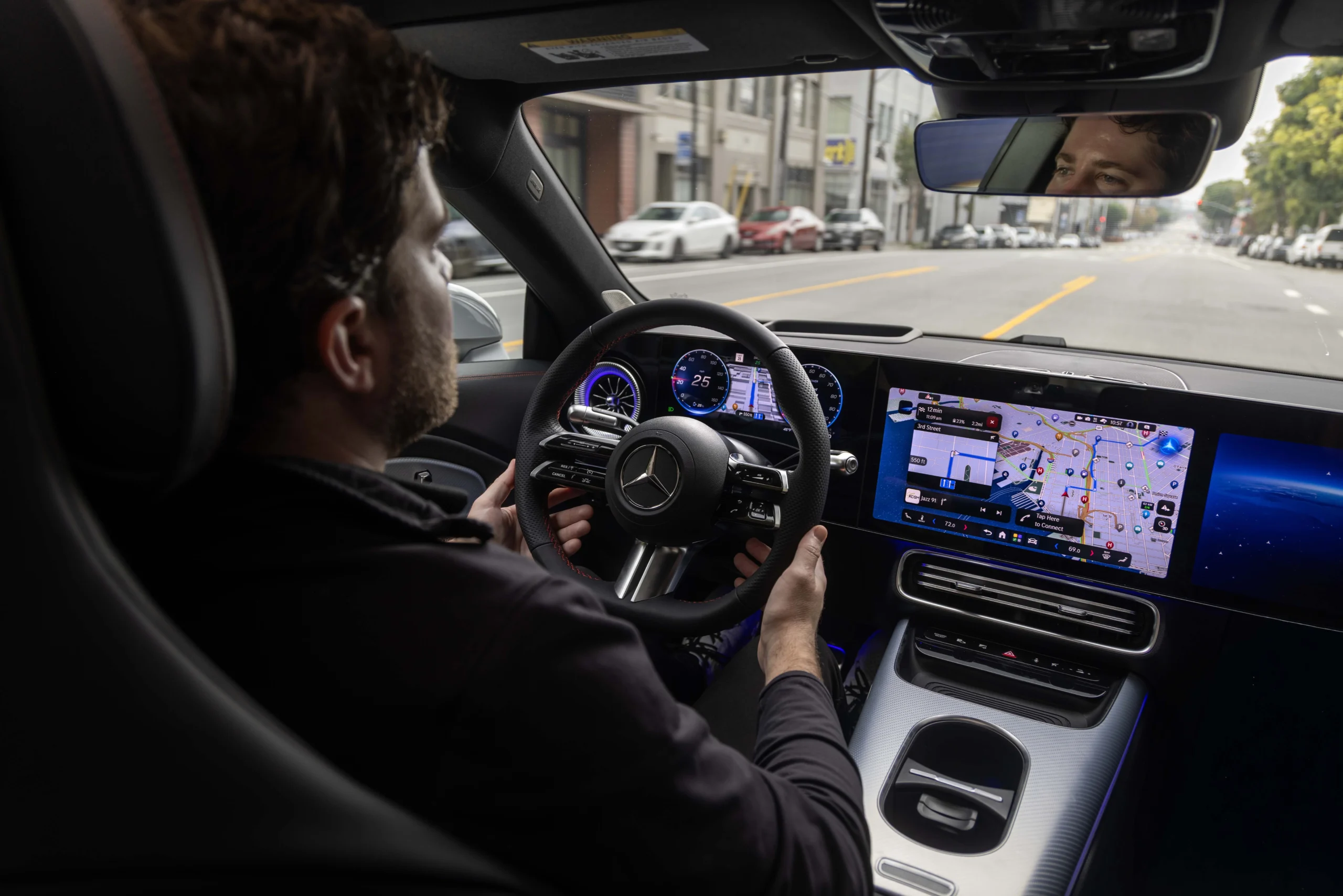
The system adds a near‑autonomous capability that can handle the entire journey from a parking spot to a pre‑selected destination. It automatically manages city intersections, makes left and right turns, and obeys traffic‑light signals—all under the watchful eye of the driver, who must stay ready to intervene.
Pricing and Subscription Options
In the United States, MB.DRIVE ASSIST PRO will be priced at $3,950 for a three‑year period. Mercedes‑Benz is also planning monthly or yearly subscription models, though exact rates have yet to be announced. By comparison, Tesla’s FSD costs about $8,000 for a one‑time purchase or $99 per month.
Urban Focus vs. Highway‑Only Systems
While most automakers limit autonomous features to highways—where traffic patterns are more predictable—both Mercedes‑Benz and Tesla are targeting the complex dynamics of city streets. Pedestrians, cyclists, and unexpected obstacles make urban driving a tougher proving ground, and Mercedes‑Benz still requires drivers to stay alert at all times.
Technical Backbone
MB.DRIVE ASSIST PRO relies on roughly 30 sensors, including cameras, radar, and ultrasonic units. Data is processed by a high‑performance computer capable of 508 trillion operations per second. The platform also integrates NVIDIA’s AI hardware and the new MB.OS operating system, first seen in the CLA model, enabling over‑the‑air updates that can improve autonomous functions over time.
How This Stacks Up Against Tesla
Mercedes‑Benz is currently the only other automaker offering a comparable self‑driving package in the U.S. market. Tesla, meanwhile, has delayed its promise of fully driver‑less streets and is focusing on incremental FSD upgrades and limited robotaxi trials in Austin, Texas.
Regulatory and Safety Hurdles
Even as the software matures, regulatory frameworks and safety concerns remain obstacles to full autonomy. Both manufacturers must navigate evolving legislation before truly driver‑free vehicles become a daily reality.
Looking Ahead
The introduction of MB.DRIVE ASSIST PRO signals that autonomous driving is moving from niche testing to broader commercial deployment. Investors view the technology as a long‑term revenue driver for the automotive sector, despite the challenges that still lie ahead.