
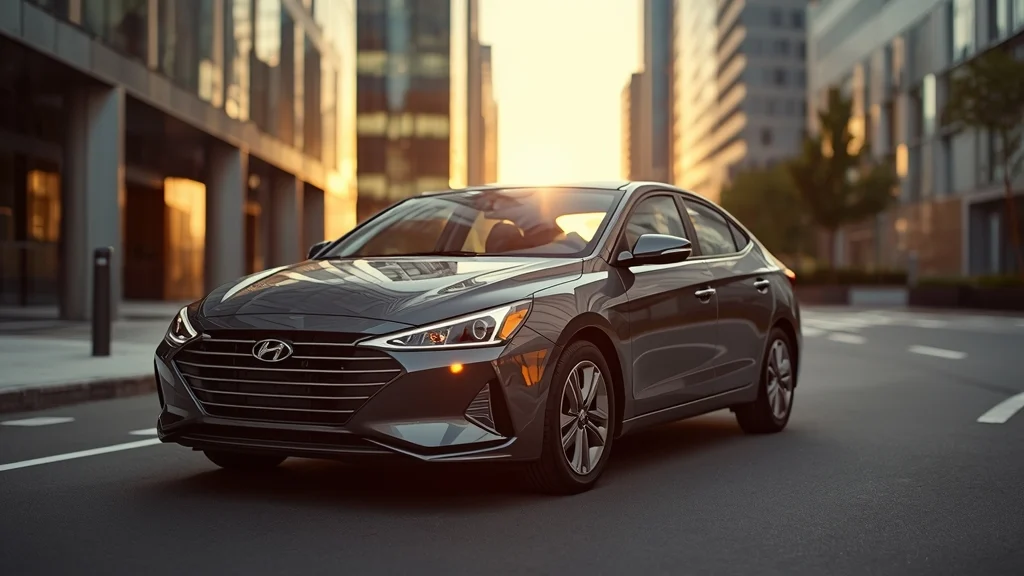
Discover the all‑new Hyundai Elantra 2024—bigger dimensions, fresh styling, upgraded interior, and powerful engine options. Learn more now!
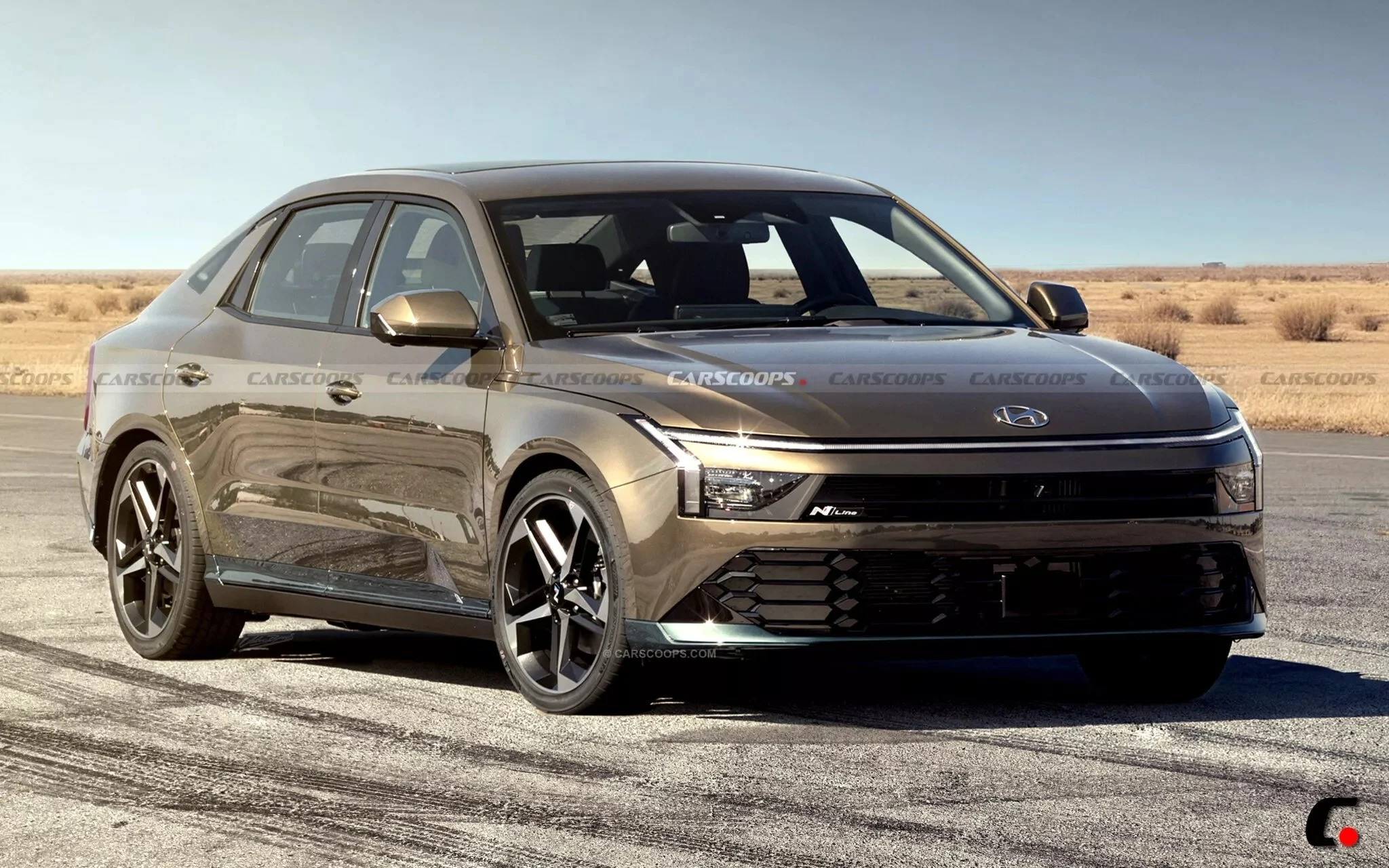
The Hyundai Elantra is stepping into its eighth generation, and the changes are hard to miss. While it’s not the best‑selling compact sedan worldwide, the Elantra remains a flagship model for the Korean automaker across many markets—including the United States, where more than 148,000 units were sold last year, making it Hyundai’s third‑best seller after the Tucson and Santa Fe.
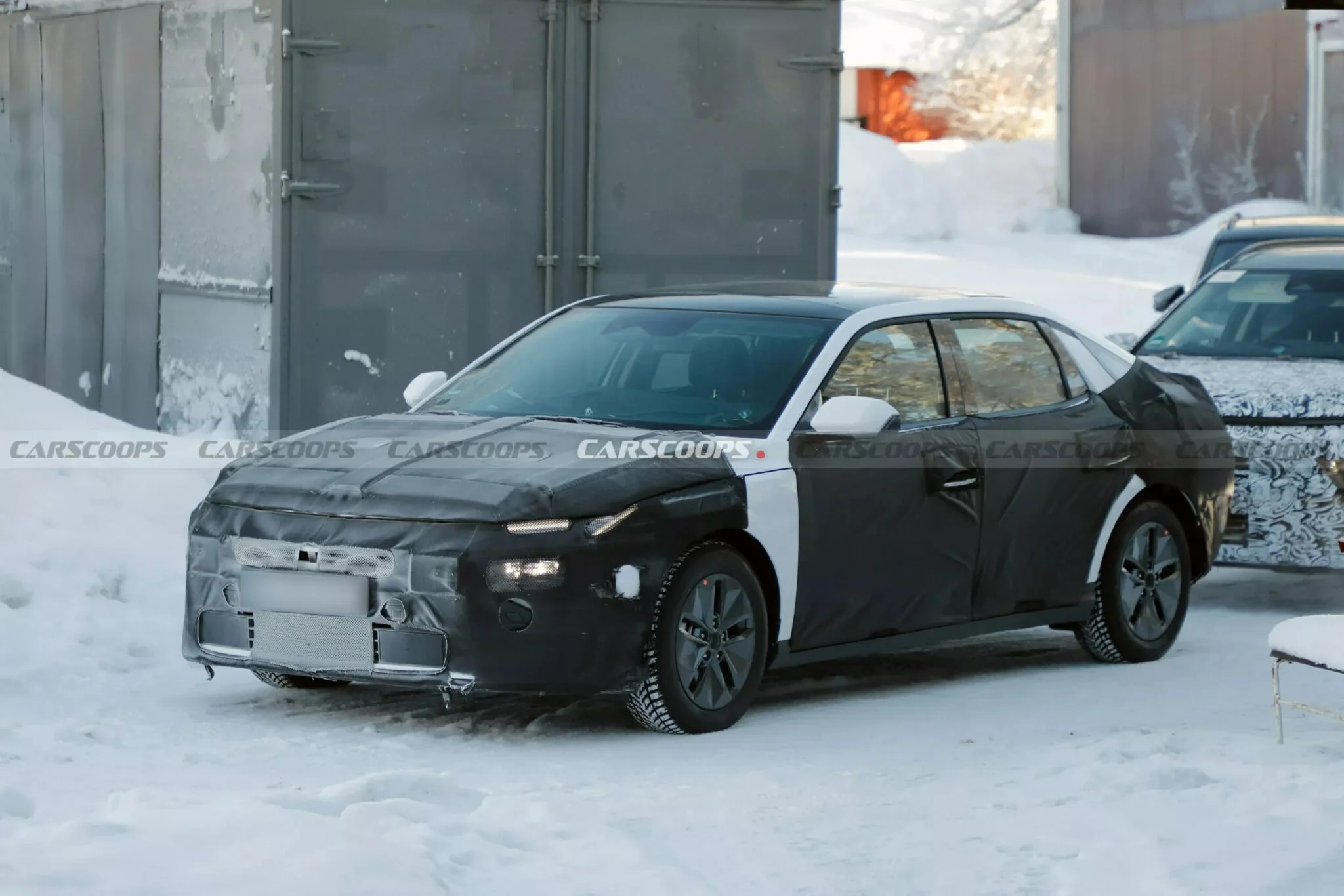
Bold Exterior Refresh
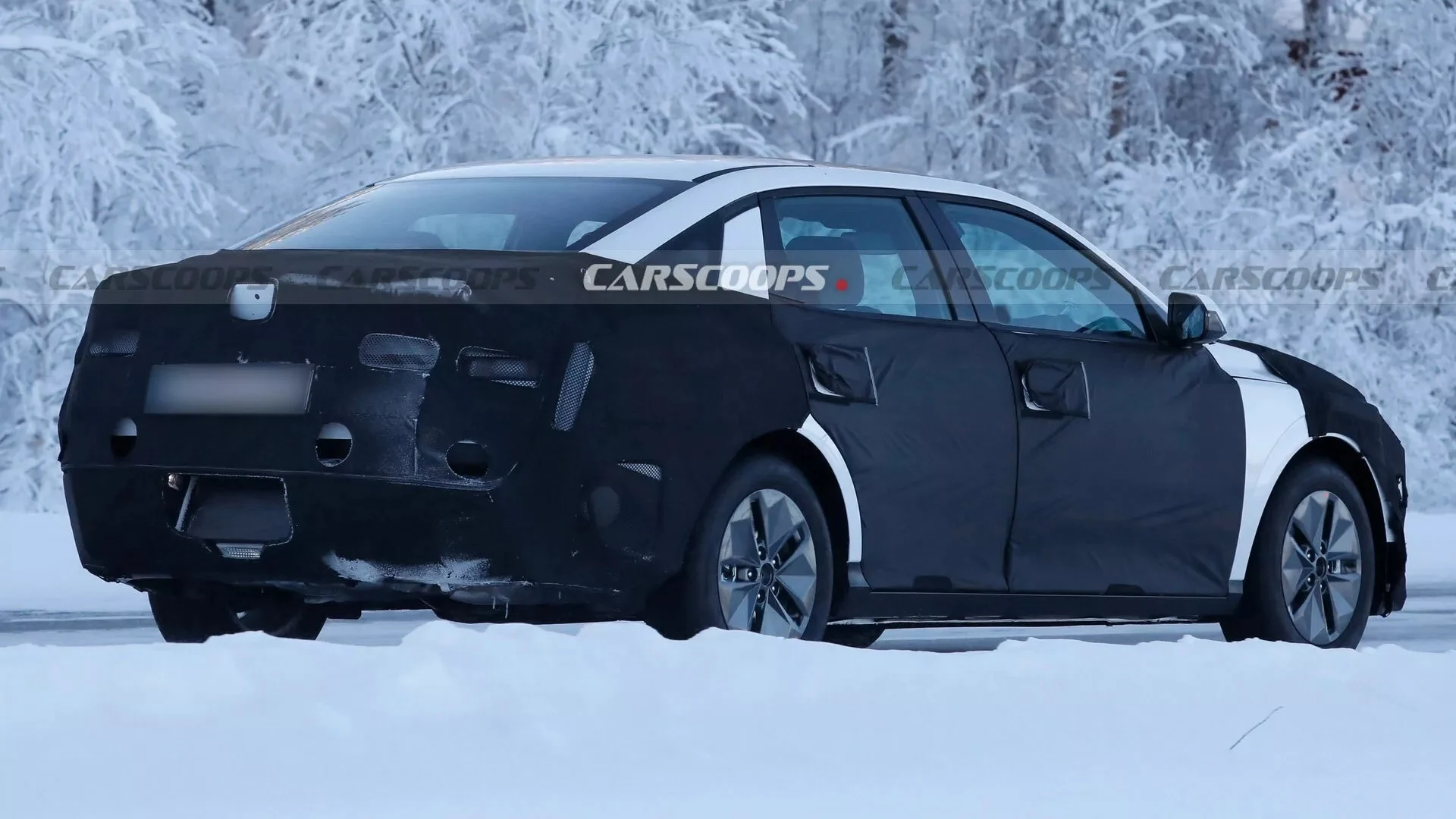
Compared with the current model’s sharp angles and aggressive lines, the 2024 Elantra adopts a softer, more fluid silhouette. A striking new lighting signature runs across the front fender, while sleek LED headlamps merge seamlessly with a slimmer grille. Below, a large trapezoidal air‑intake adds a sporty flair.

The roofline is slightly raised, and the rear features a thin, horizontally‑stretched tail‑light bar that stretches the full width of the car, accented by subtle vertical elements at each corner.

Spacious, SUV‑Inspired Interior
Inside, the cabin feels more like a compact SUV than a traditional sedan. Hyundai has carried over high‑soft‑touch trim pieces from the Palisade, with a tall dashboard, minimalist door panels, and distinctive oval‑shaped accents. Physical buttons sit below the main touchscreen, offering tactile control for climate and infotainment functions.
One of the most notable upgrades is the new PLEOS Connect infotainment system, which replaces the previous dual‑screen layout with a larger central display paired with a compact digital instrument cluster. The system runs on Android Automotive OS, providing access to apps, over‑the‑air updates, and Hyundai’s Gleo AI voice assistant.
Increased Dimensions
The eighth‑generation Elantra grows in every direction. Overall length stretches to 4,765 mm (up 55 mm), width expands by 35 mm to 1,855 mm, and the wheelbase lengthens to 2,750 mm (an extra 30 mm). These changes translate into a roomier cabin and more comfortable rear‑seat space.
Powertrain Options
Hyundai plans to share engines with its sister brand Kia’s K4. The lineup starts with a 1.6‑liter naturally aspirated gasoline engine paired with a hybrid system that produces 140 hp. Higher‑trim models can be equipped with a 2.0‑liter NA four‑cylinder delivering 147 hp, or a turbocharged 1.6‑liter engine pushing 200 hp. All variants will retain front‑wheel drive and an eight‑speed dual‑clutch automatic transmission.
For enthusiasts, the performance‑focused Elantra N is expected to debut with a turbocharged 2.5‑liter four‑cylinder engine outputting more than 300 hp. Unlike the standard models, the N version will forgo a manual gearbox, relying instead on the sophisticated dual‑clutch unit.
Strategic Positioning
These upgrades signal Hyundai’s intention to move the Elantra upmarket, targeting buyers who desire a premium feel without stepping into the costlier compact‑premium segment. By enlarging the vehicle, refreshing the design, and introducing upscale tech, Hyundai aims to meet evolving customer expectations and keep the Elantra competitive in the global sedan arena.
Stay tuned for official launch dates and pricing details as Hyundai prepares to roll out the new Elantra worldwide.