
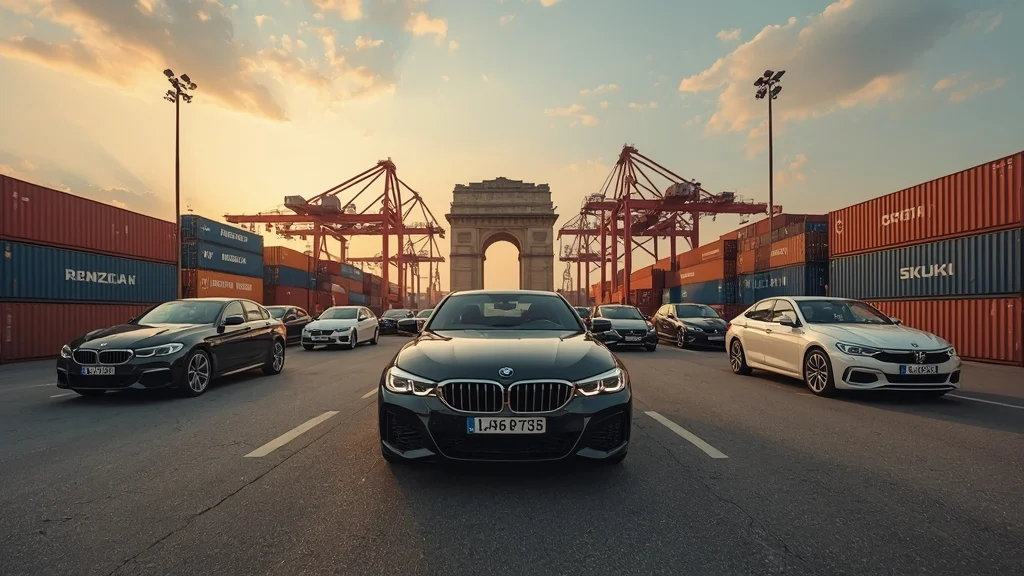
India is set to cut EU car import taxes to as low as 40%, unlocking huge potential for European automakers. Discover how this could reshape the market – read more now.
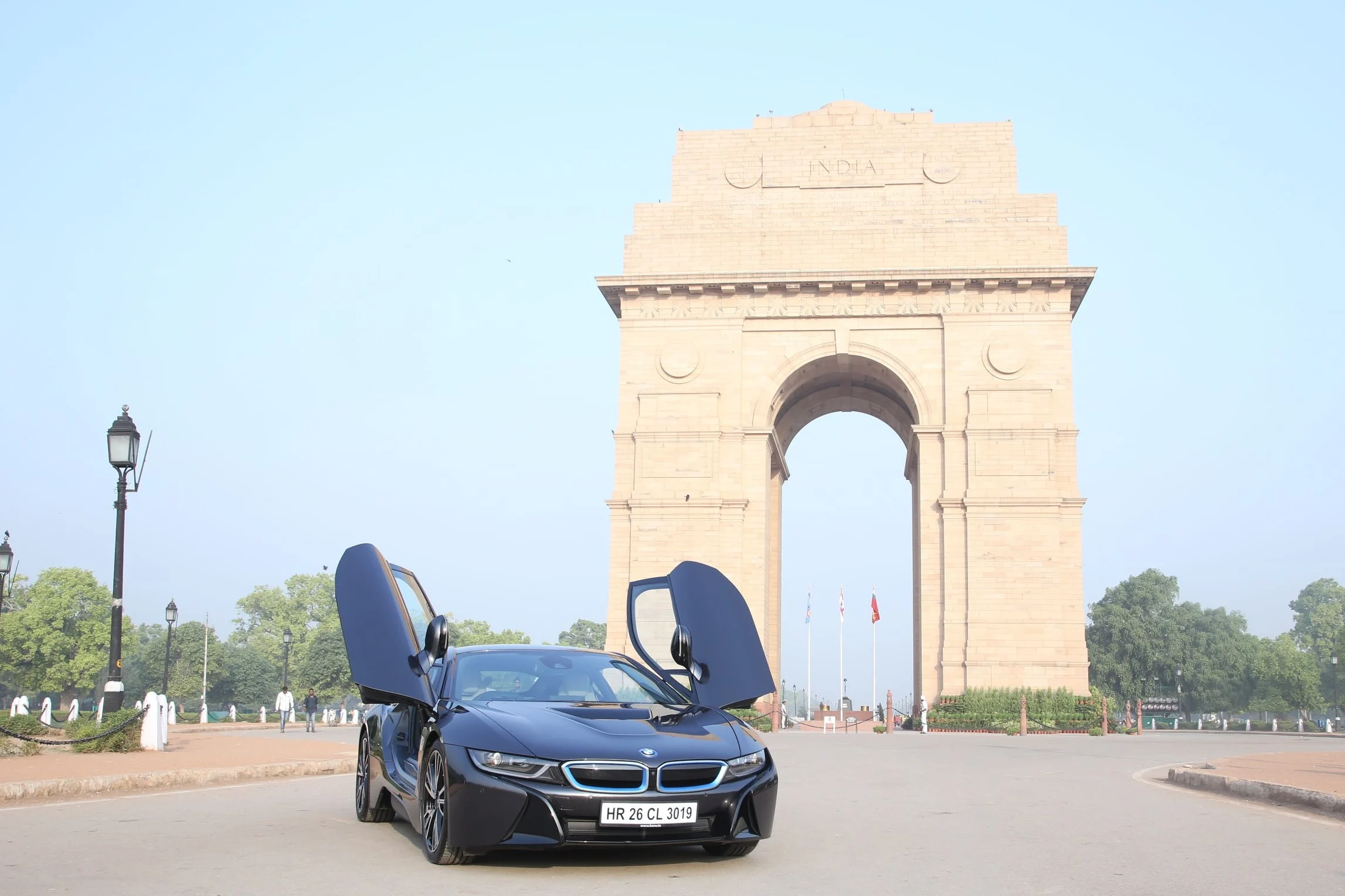
India is preparing a sweeping reduction of import duties on passenger cars shipped from the European Union. Under a forthcoming free‑trade agreement (FTA), the tariff could fall from the current 70‑110% range to as low as 40% for qualifying vehicles.
Key Features of the Tax Cut
- Immediate duty of 40% on up to 200,000 internal‑combustion engine (ICE) cars per year that are priced above €15,000 (about $17,800).
- Plans to phase the duty down further, reaching 10% over the next few years.
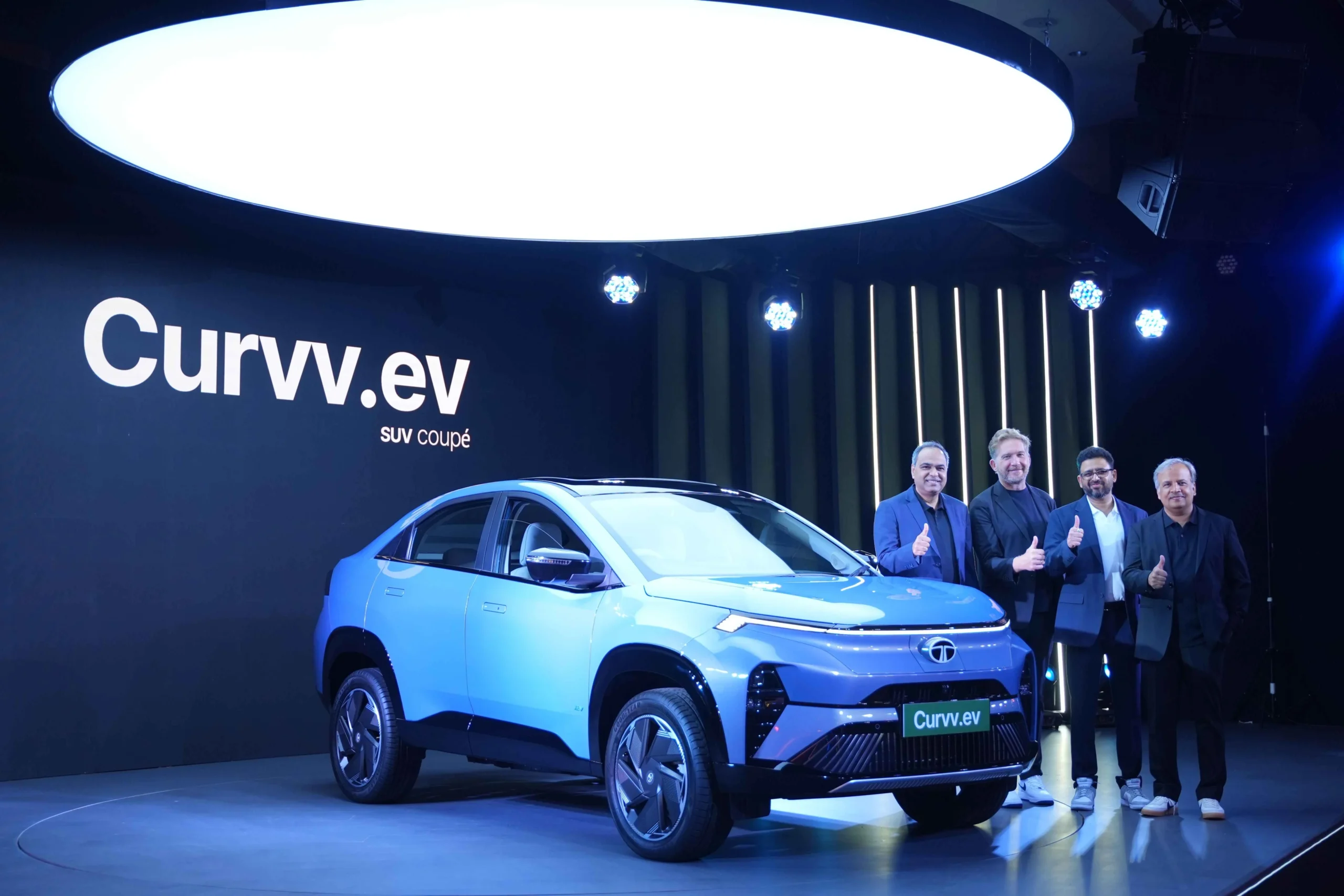
- Battery‑electric vehicles (BEVs) are excluded from the reduction for the first five years to protect domestic manufacturers such as Mahindra & Mahindra and Tata Motors. After that period, BEVs will follow a similar duty‑phasing schedule.
Why European Brands Stand to Gain
Lower tariffs will make European models far more price‑competitive in the world’s third‑largest car market. Companies like Volkswagen, Mercedes‑Benz, BMW, Renault, Stellantis, and premium marques such as Audi and Porsche will be able to expand their product ranges without the heavy cost barrier that has long been dubbed India’s “tariff wall.”
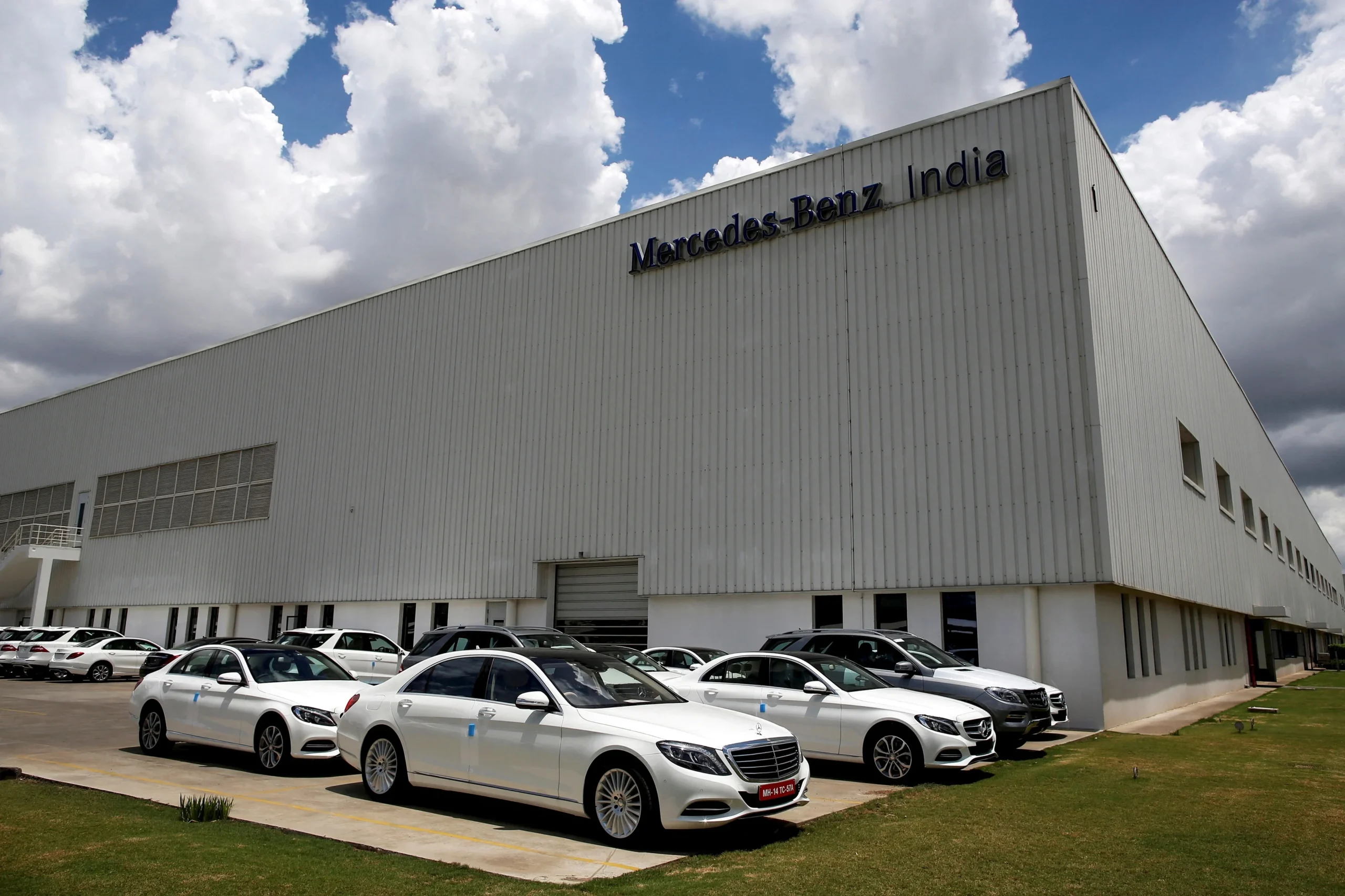
Currently, European automakers hold less than 4% of India’s annual sales of roughly 4.4 million units, a market dominated by Suzuki, Mahindra, and Tata. The tax relief could enable them to test a broader lineup, increase dealer networks, and eventually consider larger‑scale manufacturing investments.

Market Outlook and Growth Potential
Industry forecasts project total vehicle sales to rise to about 6 million units per year by 2030. With a more attractive fiscal environment, European manufacturers are already outlining new investment plans, ranging from additional assembly plants to joint‑venture projects.
FTA Timeline
The India‑EU free‑trade agreement is slated for official release later this week after years of negotiations. Once signed, the detailed tariff schedules will be finalized, and both sides will move toward ratification.
Beyond automobiles, the agreement is expected to boost bilateral trade in textiles, jewelry, and other sectors that currently face a 50% U.S. tariff imposed from August 2025 onward.
What This Means for Consumers
Indian buyers could see a wider selection of European‑engineered cars at more affordable price points, while the domestic industry may be prompted to accelerate innovation and compete on quality rather than protectionist measures.