
Japan simplifies safety testing for US‑made vehicles, opening the door for reverse imports. Learn how Toyota, Honda and Nissan could bring US models to Japanese showrooms. Read more now!
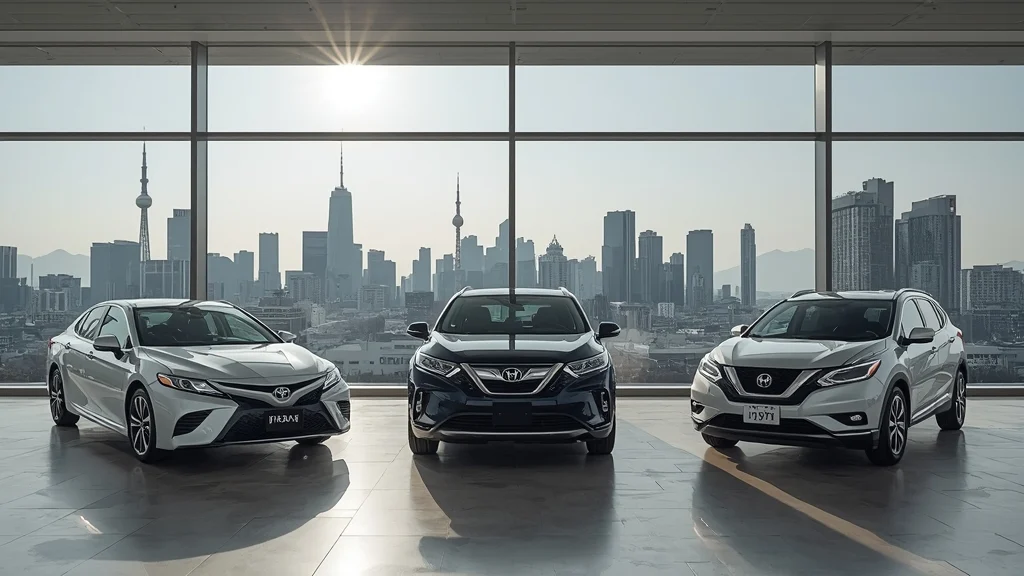
Tokyo announced a major shift in its vehicle safety regulations: the Ministry of Land, Infrastructure, Transport and Tourism (MLIT) will streamline the approval process for cars manufactured in the United States. By accepting U.S. safety certification documents without demanding additional testing, Japan is laying the groundwork for a “reverse‑import” strategy that could see American‑built models sold on Japanese soil.
What the New Rules Entail
Under the revised framework, MLIT will drop the requirement for extra safety‑test procedures that previously applied to imported vehicles. Instead, manufacturers only need to submit the existing safety certificates issued by the United States. This move cuts bureaucracy, reduces costs, and accelerates market entry for U.S.‑produced models.
Potential Winners: Toyota, Honda and Nissan
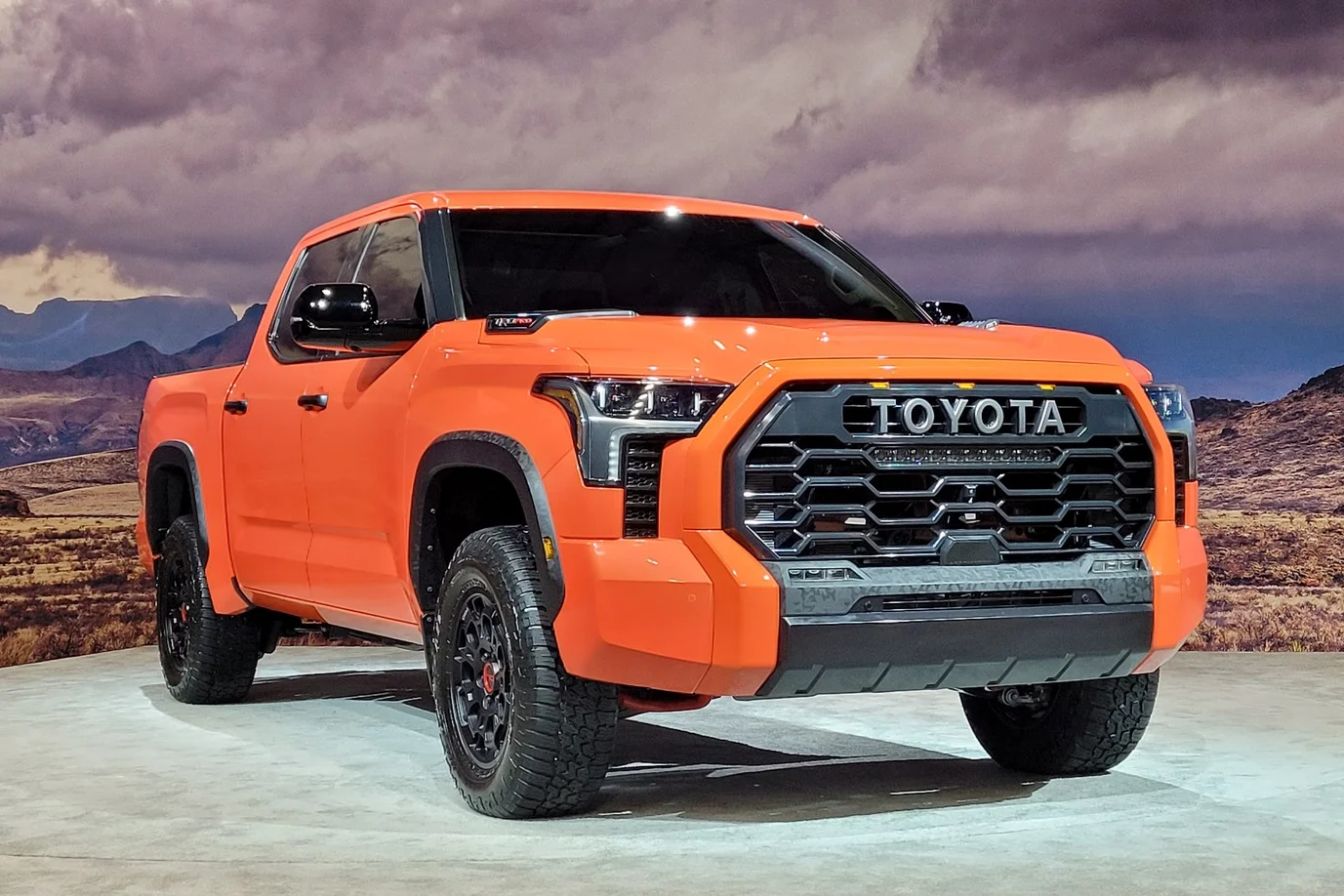
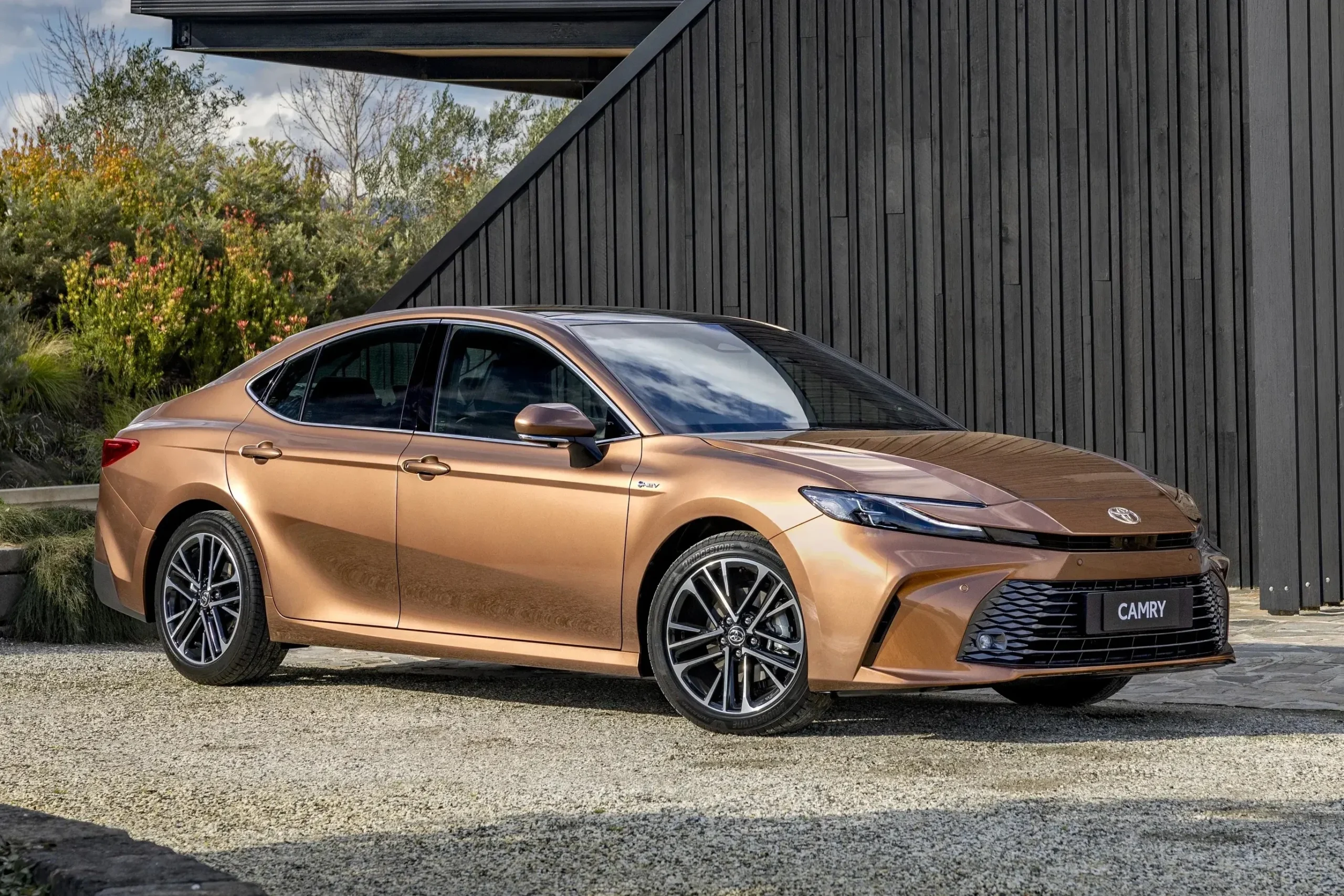
Industry insiders say the change could benefit several Japanese automakers that already assemble popular models in North America. Toyota is reportedly evaluating the import of the Camry, Tundra and Highlander from its U.S. plants—vehicles that are not currently offered in Japan. Honda may look at bringing the Ridgeline pickup and Pilot SUV home, while Nissan is considering the Murano crossover and Pathfinder SUV for a reverse‑import launch.
Why It Matters
The United States has long criticized Japan’s technical barriers, calling them “non‑tariff obstacles” that hinder American cars in the Japanese market. Former President Donald Trump repeatedly complained that U.S. vehicles sold poorly in Japan because of divergent safety standards. A White House briefing released in October 2025 explicitly referenced a plan to ease these constraints, paving the way for reciprocal trade benefits.
Business Impact
For Japanese manufacturers, the streamlined certification process could unlock a new revenue stream for high‑margin models that are already profitable in the U.S. market. By selling these vehicles domestically, automakers can diversify their product line‑ups, improve overall profitability, and strengthen their position in a fiercely competitive global automotive landscape.
Looking Ahead
While the policy change has been announced, details such as pricing, distribution channels, and exact launch timelines remain under discussion. Nevertheless, the initiative signals a broader willingness by Japan to align its regulatory framework with international standards and to foster a more reciprocal automotive trade relationship.