
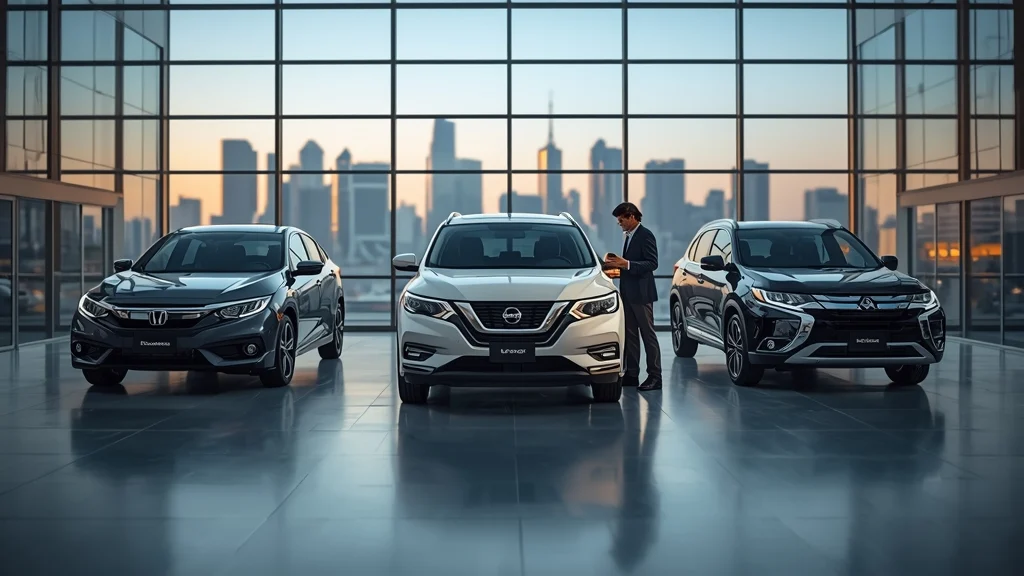
Despite merger rumors, Honda, Nissan and Mitsubishi are pursuing joint product and tech projects for the North American market. Learn the latest updates and future plans. Read more now.
Merger Talk Fizzles
At the end of 2024, speculation swirled about a massive merger that would combine Honda and Nissan, with Mitsubishi rumored to join the deal. Within weeks, the talks collapsed, and no formal agreement emerged.
Shifting Focus to Joint Projects
Rather than pursuing a tangled consolidation, the three Japanese manufacturers are now exploring cooperative initiatives that could benefit both their product lines and technology roadmaps, especially in North America.
Executive Insights
Honda’s Executive Vice President Noriya Kaihara told reporters the company is looking at “supplementary model sharing” and software collaboration, but stressed that nothing is set in stone yet.
Similarly, Nissan CEO Ivan Espinosa highlighted that recent discussions have centered on how the brands can work together in the U.S. market, given current tariff pressures. “We are open to any partnership that adds value,” Espinosa said.
Concrete Steps Already Underway
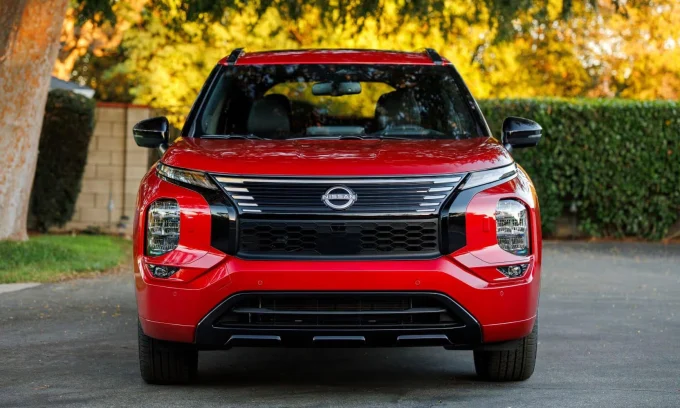
Nissan recently rebadged Mitsubishi’s Outlander plug‑in hybrid for the U.S., selling it as the Rogue PHEV, thereby filling a gap in Nissan’s hybrid lineup. In a separate 2025‑focused plan, Nissan intends to supply Mitsubishi with a version of its Leaf electric‑vehicle, although the model has not yet been released.
Why Cooperation Matters
Sharing development costs is becoming essential as automotive technology – from electric drivetrains to advanced software – demands billions of dollars of investment. Collaborative ventures can reduce financial risk while accelerating time‑to‑market for new models.
Challenges Ahead
Despite these promising moves, aligning product portfolios and production capacities remains complex. The three companies’ lineups often overlap, making true complementarity harder to achieve.
Industry analysts warn that without a clear, mutually beneficial framework, these partnerships may stay limited to occasional badge‑engineering projects.
Looking Forward
For now, Honda, Nissan and Mitsubishi appear committed to a “friend‑not‑family” approach: sharing technology, swapping models where it makes sense, and keeping their brands distinct. The next few years will reveal whether this strategy can offset the pressures facing the global auto industry.