

Japanese car manufacturers are closing plants and shifting production away from Thailand, reshaping the Southeast Asian auto market. Learn the full story now.
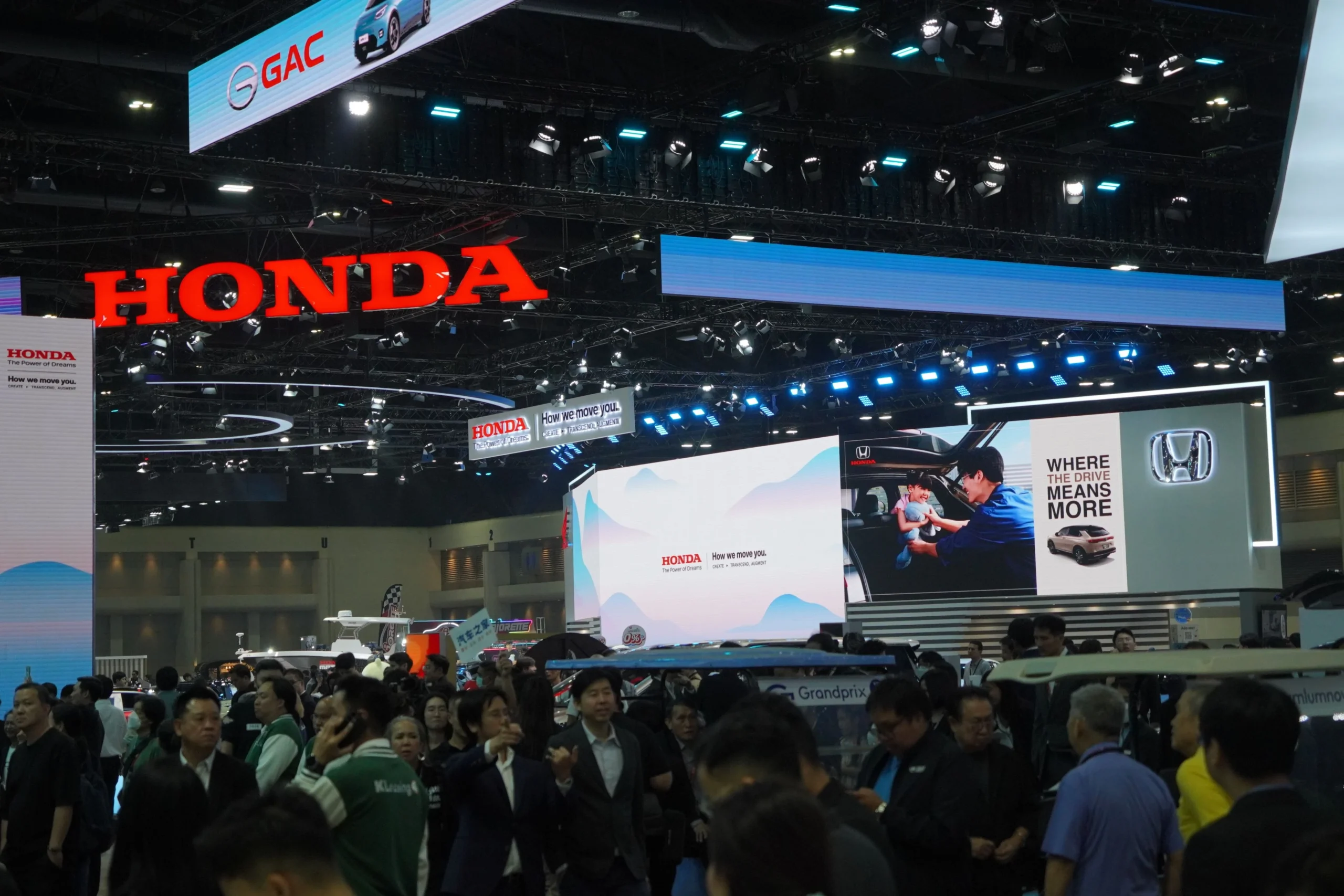
Thailand, once celebrated as the “Detroit of Asia,” has long been a magnet for automotive giants eager to serve the fast‑growing Southeast Asian market. Recent developments, however, reveal a stark reversal: major Japanese carmakers are pulling their production lines out of the country.
VinFast postpones its Thai expansion
In early 2024, Vietnam’s electric‑vehicle pioneer VinFast announced a partnership with about 15 Thai distributors and unveiled plans for a local brand presence. Within six months the company halted those ambitions, opting instead to focus on neighbouring markets. The sudden shift raised the question: is Thailand still the “dream destination” for automakers?
Honda – From market leader to plant consolidation
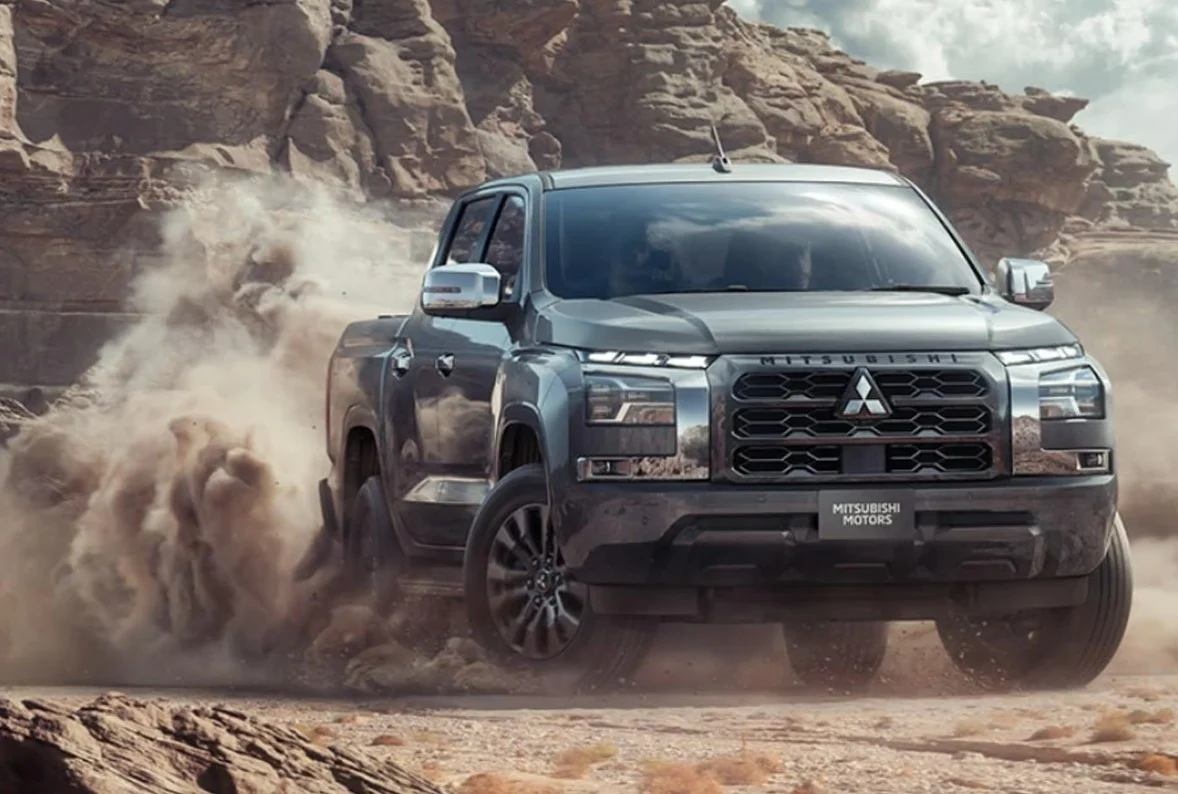
Honda has consistently ranked second only to Toyota in Thailand, selling 93,785 units in 2023. While respectable, those figures fell short of the brand’s internal targets of exceeding 100,000 units annually. In July 2024 the automaker revealed it will close its Ayutthaya plant by early 2025 and consolidate all production at a single facility in Prachinburi. The move aims to narrow the gap between output capacity and actual sales.
Mitsubishi – Slipping sales and a soaring baht
Mitsubishi’s Thai sales fell 24.5% in 2023, dropping to 38,335 vehicles. A depreciating Thai baht against major currencies eroded profit margins, costing the group roughly ¥38.4 billion (≈ $250,000). To curb the losses, Mitsubishi plans to shut its third Thai plant in mid‑2027, further trimming its regional footprint.
Nissan – Massive layoffs and plant shutdowns
The Nissan brand endured its toughest financial year in 2025, with profits plunging 88%. To stabilize the business, the company announced a cut of nearly 20,000 jobs worldwide and the closure of several factories, including its biggest Southeast Asian plant in Samut Prakan. That facility, capable of assembling 220,000 units per year, will see its line‑up – from the Almera to the X‑Trail – moved to a smaller plant producing the Navara and Terra (≈ 150,000 units/year).
Suzuki – Ending a 12‑year manufacturing chapter
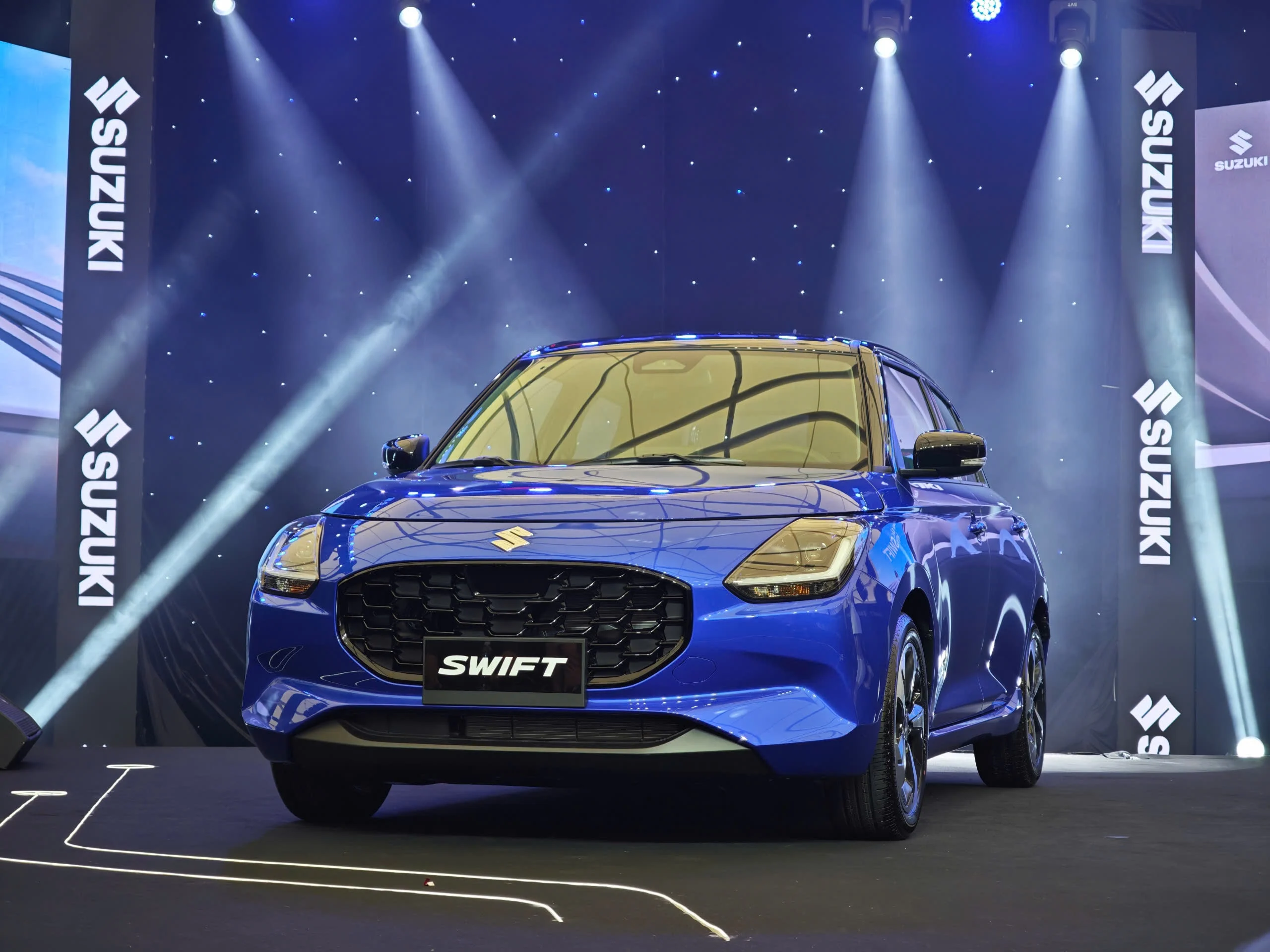
In June 2024 Suzuki surprised the market by stating it will cease operations at its sole Thai plant (capacity ≈ 60,000 units/year, 800 staff) by the end of 2025. Earlier this year the company sold the entire production line to Ford, marking the end of a dozen years of local assembly. All Suzuki models for Thailand and nearby markets, including Vietnam, will now be imported from Japan or India. Suzuki framed the decision as a strategic shift toward electrified and hybrid vehicles worldwide.
Subaru – The first domino to fall
Subaru’s Thai assembly plant, launched in 2019 through a joint venture with Tan Chong International, announced in mid‑2024 that it will stop local production. From 2025 onward, Subaru will import fully built cars from Japan, abandoning the assembly footprint it had hoped would cement its regional presence.
What’s driving the exodus?
- Weak sales performance: Many brands failed to meet volume targets, making local plants economically unsustainable.
- Currency volatility: A stronger Thai baht has squeezed profit margins for exporters.
- Rising labor and operational costs: Consolidating production reduces fixed‑cost burdens.
- Strategic shift to EVs: Manufacturers are reallocating resources toward electric and hybrid platforms, often centralised in fewer, more advanced facilities.
Implications for Thailand’s auto sector
The departure of these Japanese titans marks a pivotal turning point for Thailand’s once‑vibrant automotive hub. While the country still hosts a robust supply chain and remains attractive for certain segments, the loss of major assembly lines underscores the need for a new growth strategy—potentially focused on EV components, high‑tech parts, and niche manufacturing.
For investors, suppliers, and policymakers, the message is clear: adapting quickly to the evolving global automotive landscape will be crucial to maintaining Thailand’s relevance in the industry.