

Japanese automakers hit a 30‑year high in reverse‑imported vehicles, driven by low‑cost production in India. Learn more now!
For the first time in three decades, Japan’s domestic market has seen a surge in vehicles that were built abroad by Japanese brands and then shipped back home for sale. Known in the industry as “reverse imports,” this trend hit a new high last year, reflecting a strategic shift toward lower‑cost production hubs such as India.
Record‑breaking numbers
According to the Japan Automobile Importers Association, a total of 111,513 reverse‑imported cars entered Japan in 2023 – a 19% rise over the previous year and the highest figure since 1995, when the prior record of 107,092 was set.
Suzuki leads the pack
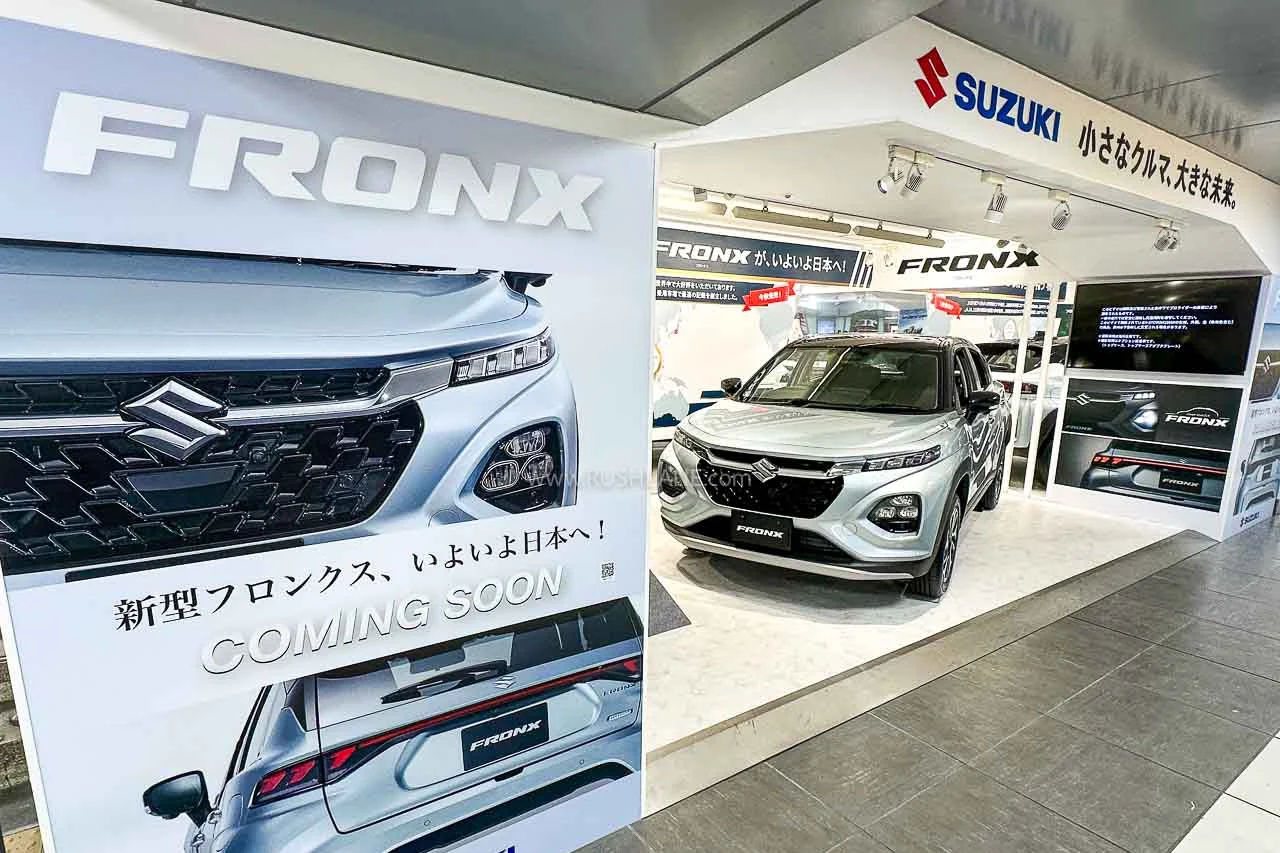
Suzuki topped the list with 43,266 units, a seven‑fold increase from 2022. The company has been channeling its compact SUV, the Fronx, from Indian factories into the Japanese market since 2024. By April 2025, Suzuki plans to add the four‑wheel‑drive version of the Jimny Nomade, also produced in India, further leveraging the country’s lower wage and manufacturing costs to offer price‑competitive models at home.

Honda stays strong despite a dip
Honda ranked second with 37,022 reverse imports, although that figure fell 18% year‑on‑year. The brand continues to source its sub‑compact SUV, the WR‑V, from India, maintaining a solid import volume. Notably, Honda’s upcoming all‑electric model, the 0 Alpha, is slated for import from India beginning in the 2027 fiscal year.
Declines at Nissan and Toyota
Both Nissan and Toyota experienced sharp drops, each recording a 33% fall in reverse‑imported units – 9,595 for Nissan and 9,587 for Toyota. The decline underscores varying strategic priorities across the major manufacturers.
Future of reverse imports: U.S. models on the horizon
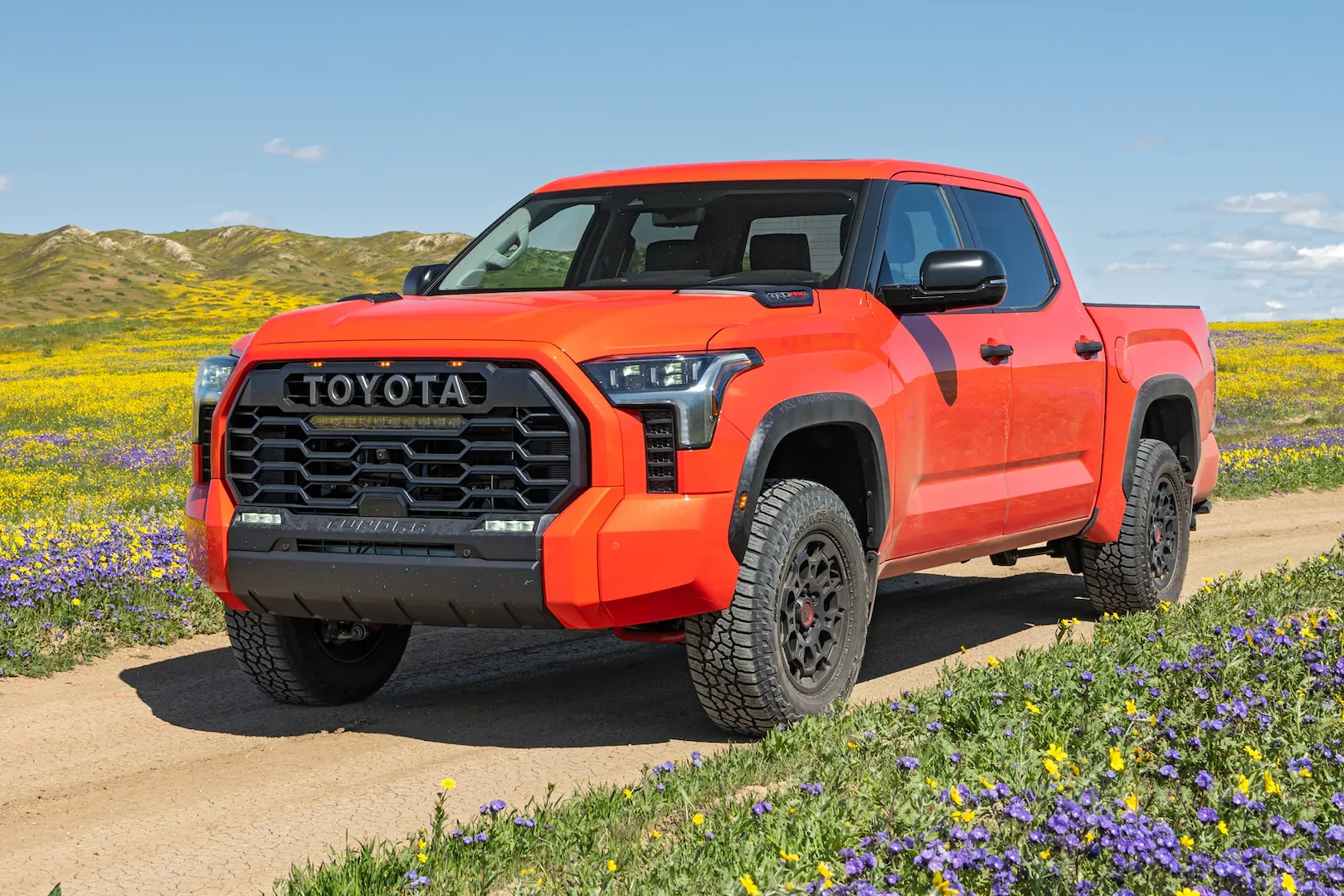
Toyota recently announced plans to import three U.S.–produced models – the Camry, Tundra and Highlander – for the Japanese market later this year. This move aligns with Japan’s government initiative to streamline certification procedures for vehicles built in the United States, following recent trade talks with Washington.
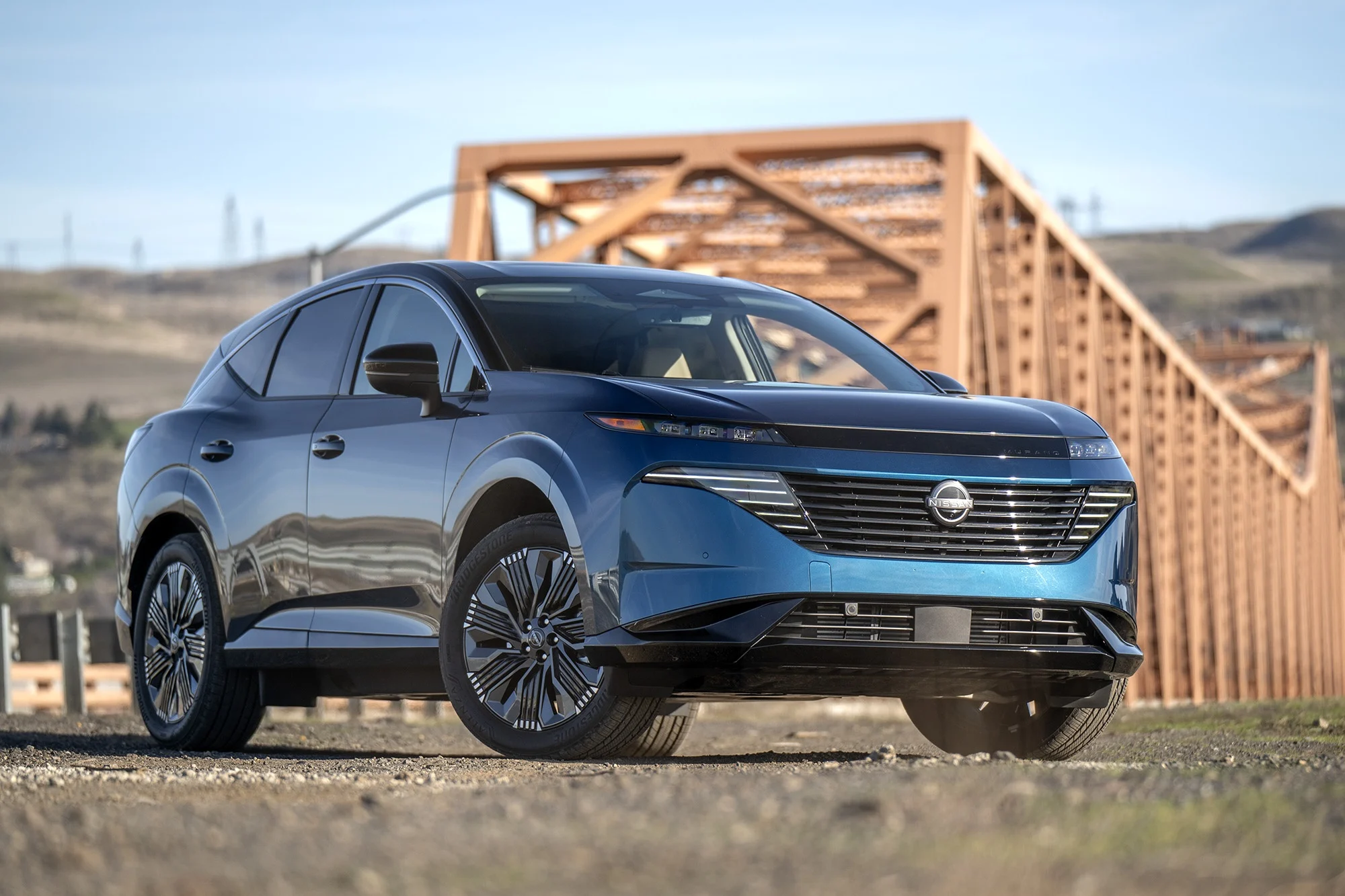
Similarly, Nissan and Honda are evaluating the feasibility of bringing American‑built models into Japan, signalling a broader, more globalised production and distribution network.
Implications for the industry
The surge in reverse imports highlights how Japanese automakers are re‑configuring supply chains to tap into cost‑effective manufacturing regions. While India is emerging as a pivotal production base, the growing willingness to import from the United States suggests that reverse imports are evolving from a temporary fix into a long‑term strategic option.
As global trade dynamics continue to shift, Japan’s automotive sector appears poised to balance domestic demand with the efficiencies offered by overseas factories, ensuring competitive pricing and diverse model availability for Japanese consumers.