
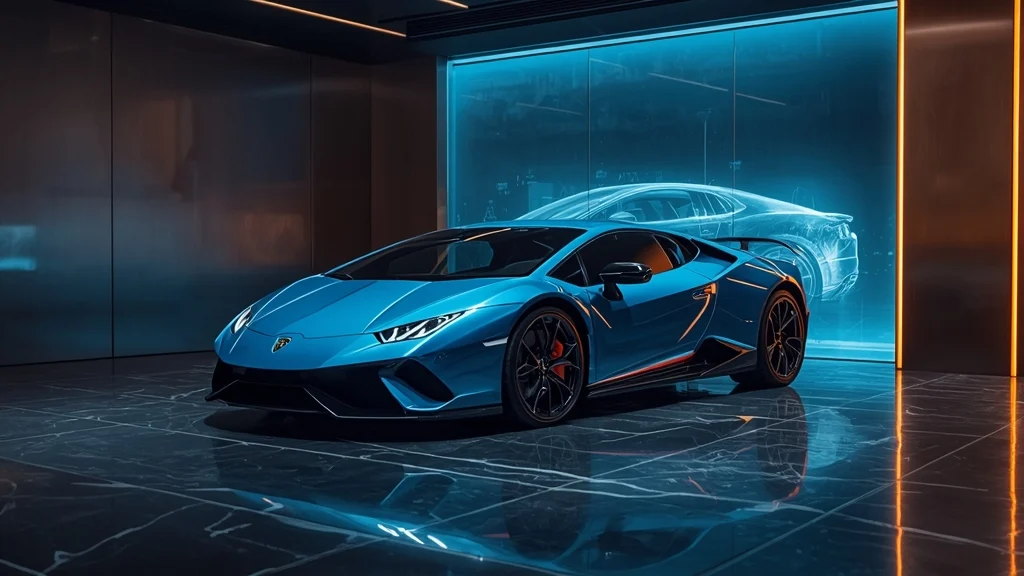
Lamborghini has dropped its all‑electric Lanzador project, opting for plug‑in hybrids as ultra‑wealthy buyers lose appetite for EVs. Read more now.
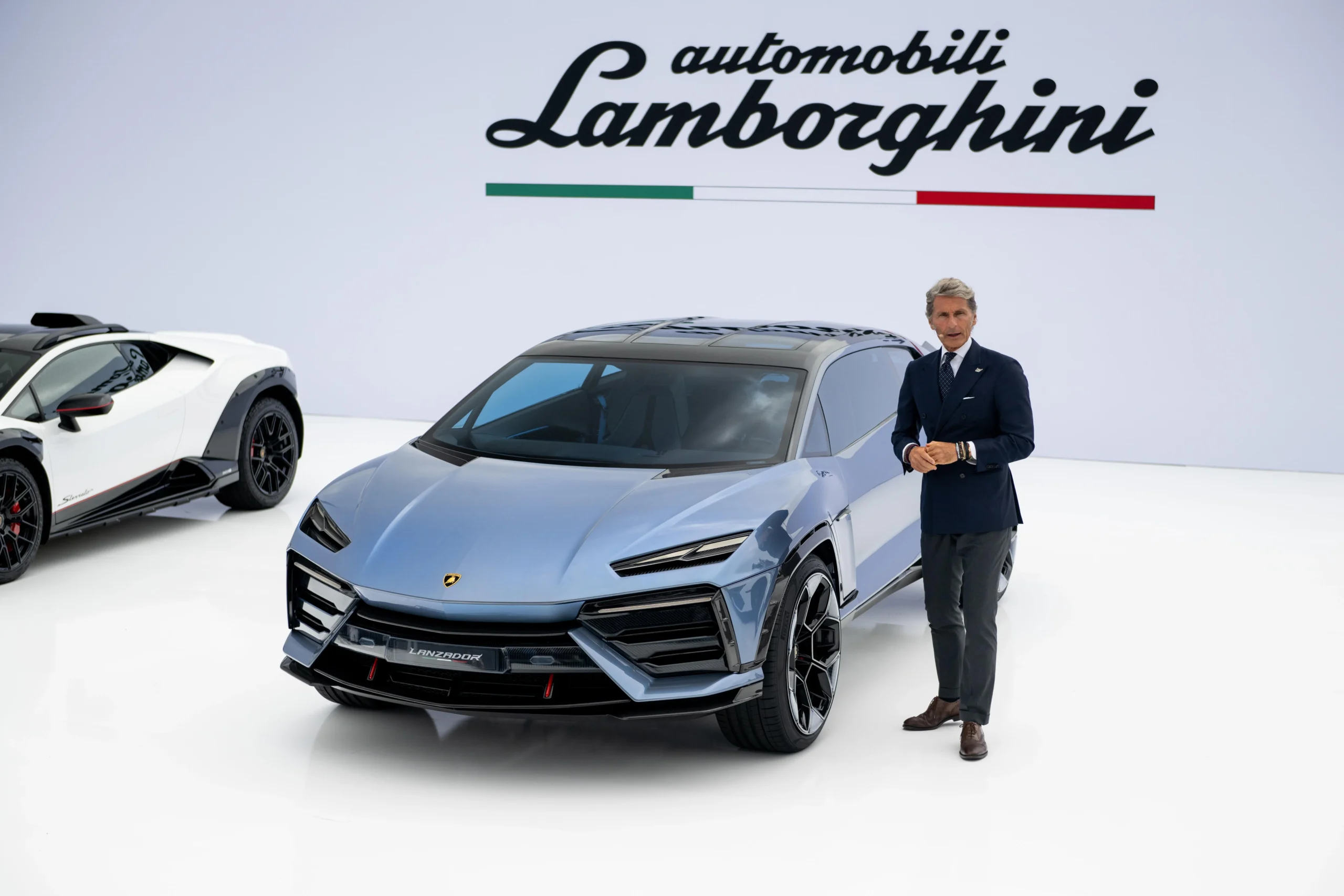
Lamborghini has officially abandoned its much‑anticipated all‑electric supercar, the Lanzador, and is redirecting all development effort toward plug‑in hybrid models. The move reflects a slowdown in demand for pure EVs among the brand’s ultra‑wealthy clientele.
Why the Change of Heart?
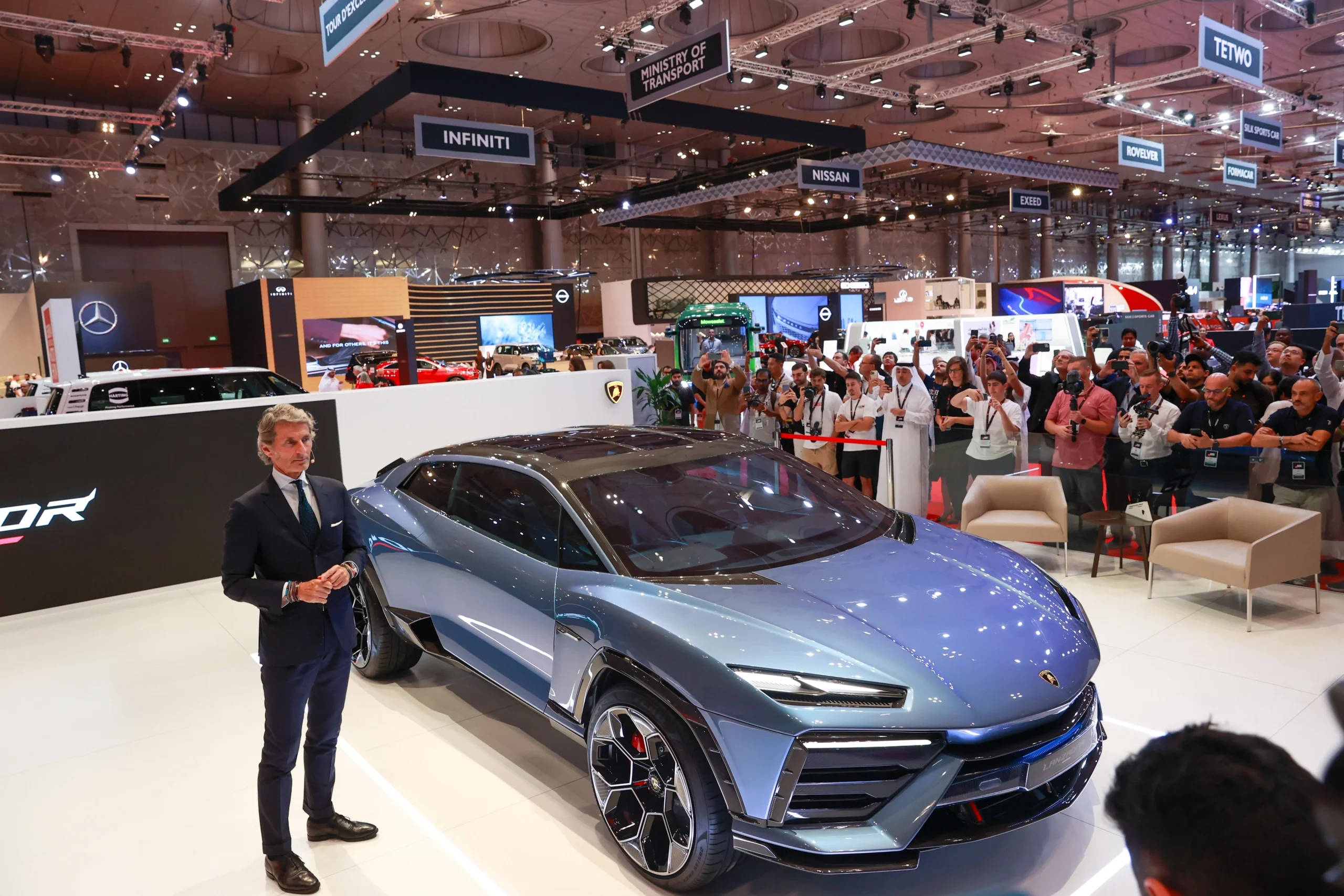
Chief Executive Stephan Winkelmann explains that persisting with a fully electric flagship in a market that isn’t ready would be a “costly hobby” and financially irresponsible for shareholders, customers, and employees. The adoption curve for electric cars in the ultra‑luxury segment is “flattening to almost zero,” prompting the company to rethink its strategy.
From Lanzador to a New Plug‑In Hybrid
The cancelled Lanzador, first revealed in 2023, will be replaced by a new plug‑in hybrid (PHEV) slated for launch before 2030. By that year, Lamborghini plans for its entire model range to be powered by hybrid technology, eliminating pure EVs from its lineup.
Maintaining the Emotional Experience
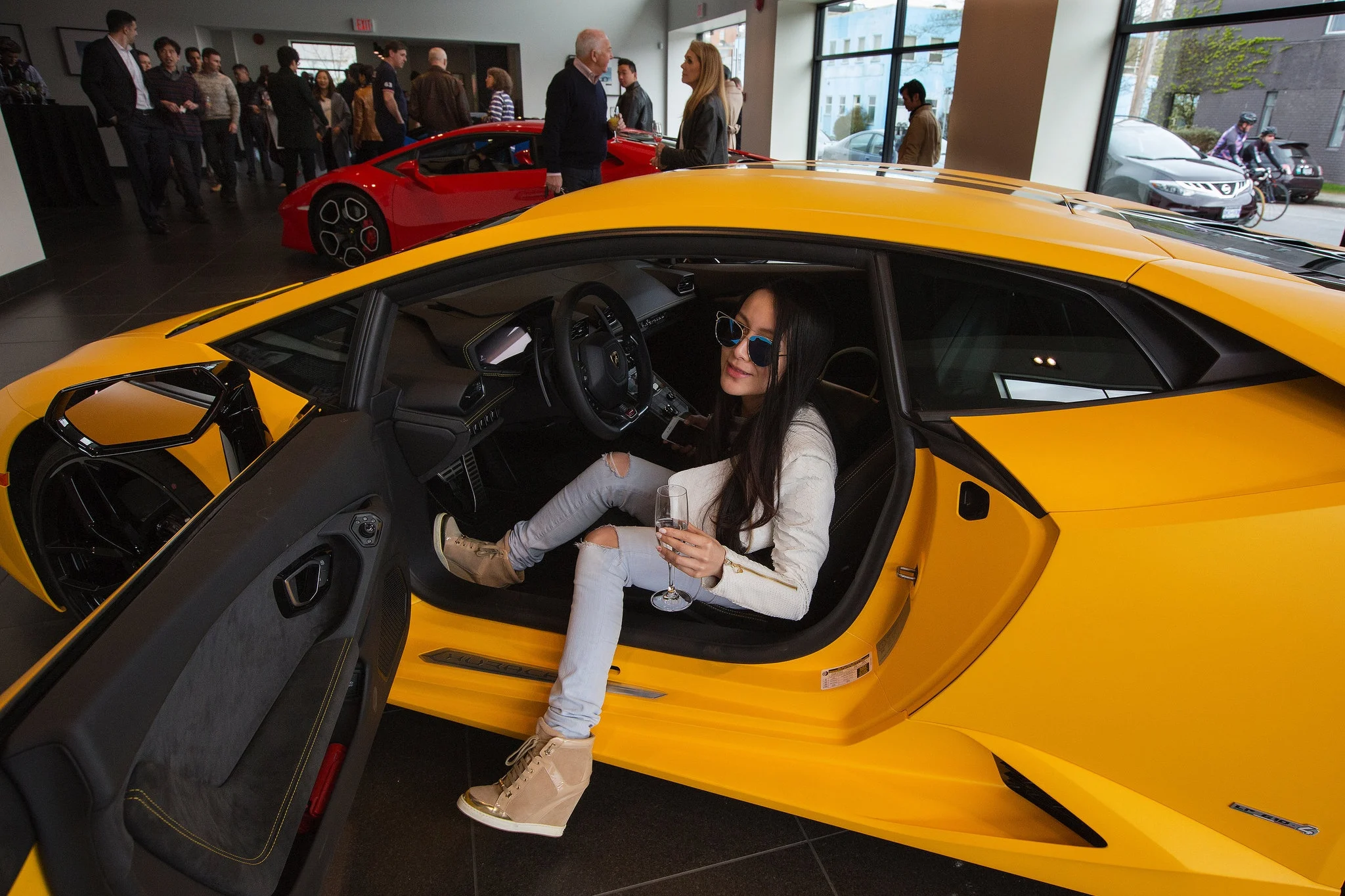
For Lamborghini buyers, the car is more than transport—it’s an emotional experience defined by design, performance, and the iconic roar of a combustion engine. Winkelmann notes that current electric technology struggles to deliver the same visceral connection, especially when the sound—or lack thereof—is a decisive factor for high‑performance enthusiasts.
Decision Process and Timeline
- Initial review of the Lanzador began early 2025.
- After over a year of internal debates, dealer consultations, and global market analysis, the project was quietly terminated late last year.
Winkelmann adds, “Plug‑in hybrids offer a double‑win: instant electric torque combined with the excitement and power of a traditional engine.”
Current Lineup and Ownership
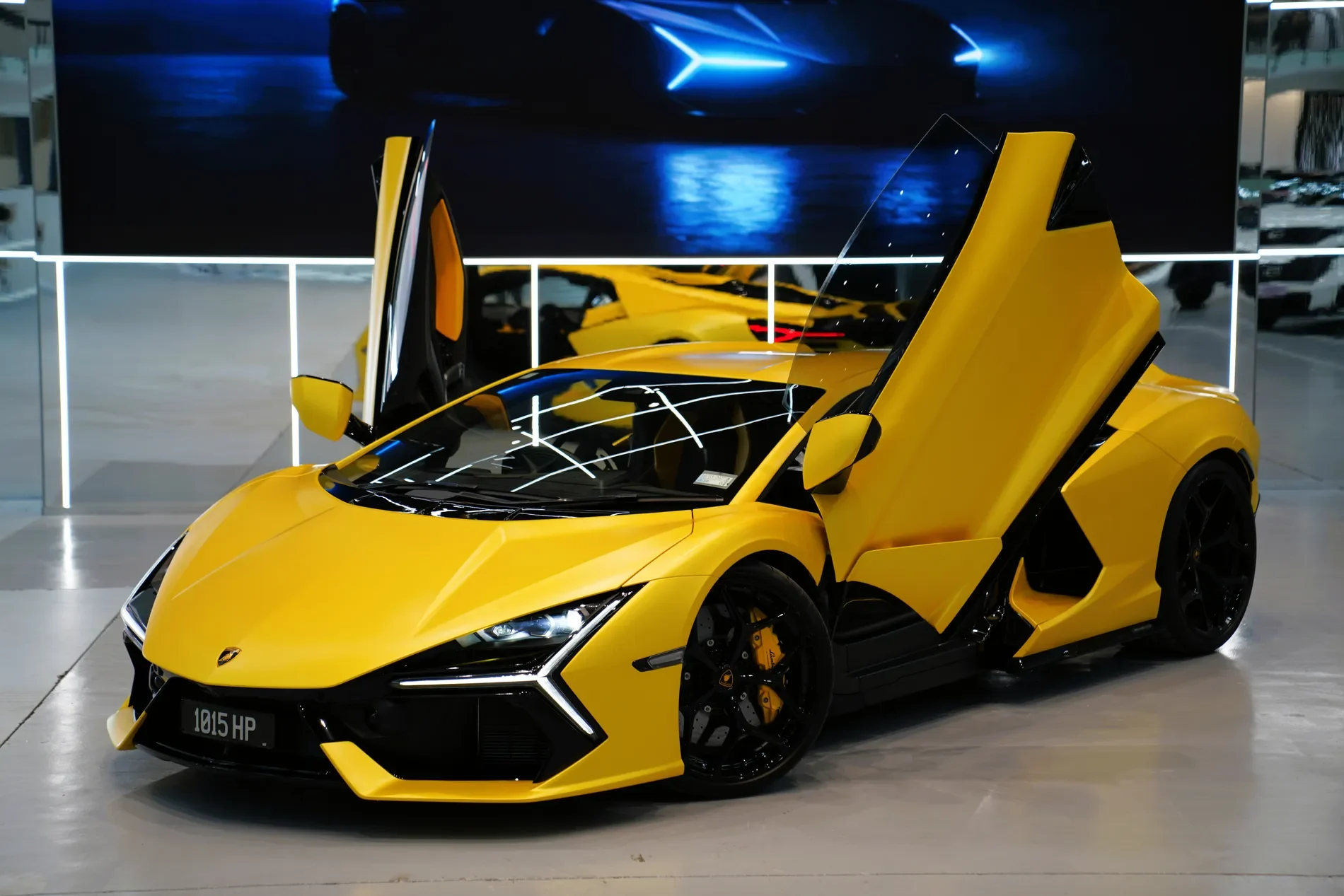
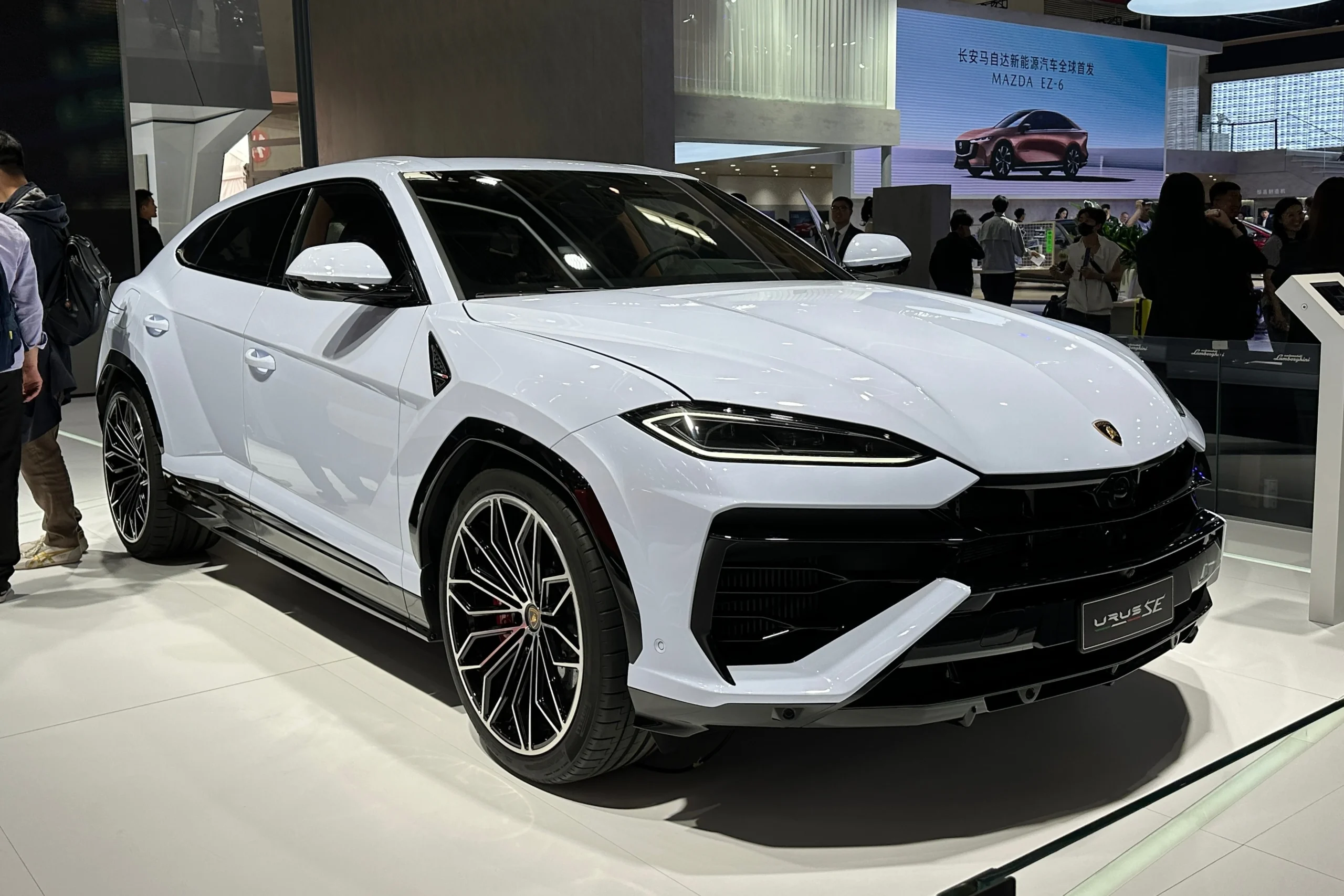
Lamborghini, owned by Audi under the Volkswagen Group, now offers three PHEV models: the Revuelto, Temerario and the Urus SE. All of these combine electric assistance with a high‑output V12.
Record Sales Amid Shifting Markets
In 2025 the brand delivered a record 10,747 cars, its second consecutive year surpassing the 10,000‑unit mark. Europe and the Middle East remained the strongest markets, while deliveries in the Americas fell by 9.8%.
Changing Buyer Demographics
The typical Lamborghini owner is getting younger. More than half of recent buyers are aged 30‑40, with an even younger trend emerging in Asia. Winkelmann describes this new generation as treating Lamborghini as a “poster car”—a symbol of status that fuels a passionate fan club.
Future Outlook: No Pure EV Yet, But Not Closed
When asked if a pure‑electric Lamborghini will ever appear, Winkelmann replied, “Never say never, but only when the timing is right. For now, we stay with PHEVs and continue developing electrification to be ready for any scenario.”
Industry Context
Lamborghini’s pivot mirrors a broader industry challenge. Major manufacturers such as Stellantis, General Motors and Ford have written down tens of billions of dollars on EV programs that failed to meet expectations, while the EU has tightened emissions rules, demanding that 90% of new cars sold from 2035 onward be zero‑emission.
As a low‑volume producer, Lamborghini is currently exempt from the EU’s 2035 emissions targets and is lobbying for an extension, arguing that its limited production footprint has a negligible environmental impact. Nonetheless, Winkelmann warns that the 2030 mandate to cut CO₂ emissions by 55% poses a “dangerous milestone” for the supercar sector.
The Urus Factor
The Urus SUV, launched in 2017, accounts for about 60% of Lamborghini’s annual deliveries and serves as the brand’s most stable revenue source. Customer feedback suggests that a fully electric Urus would struggle to gain traction, reinforcing the decision to keep the model in hybrid form.
Rival Moves: Ferrari’s EV Ambitions
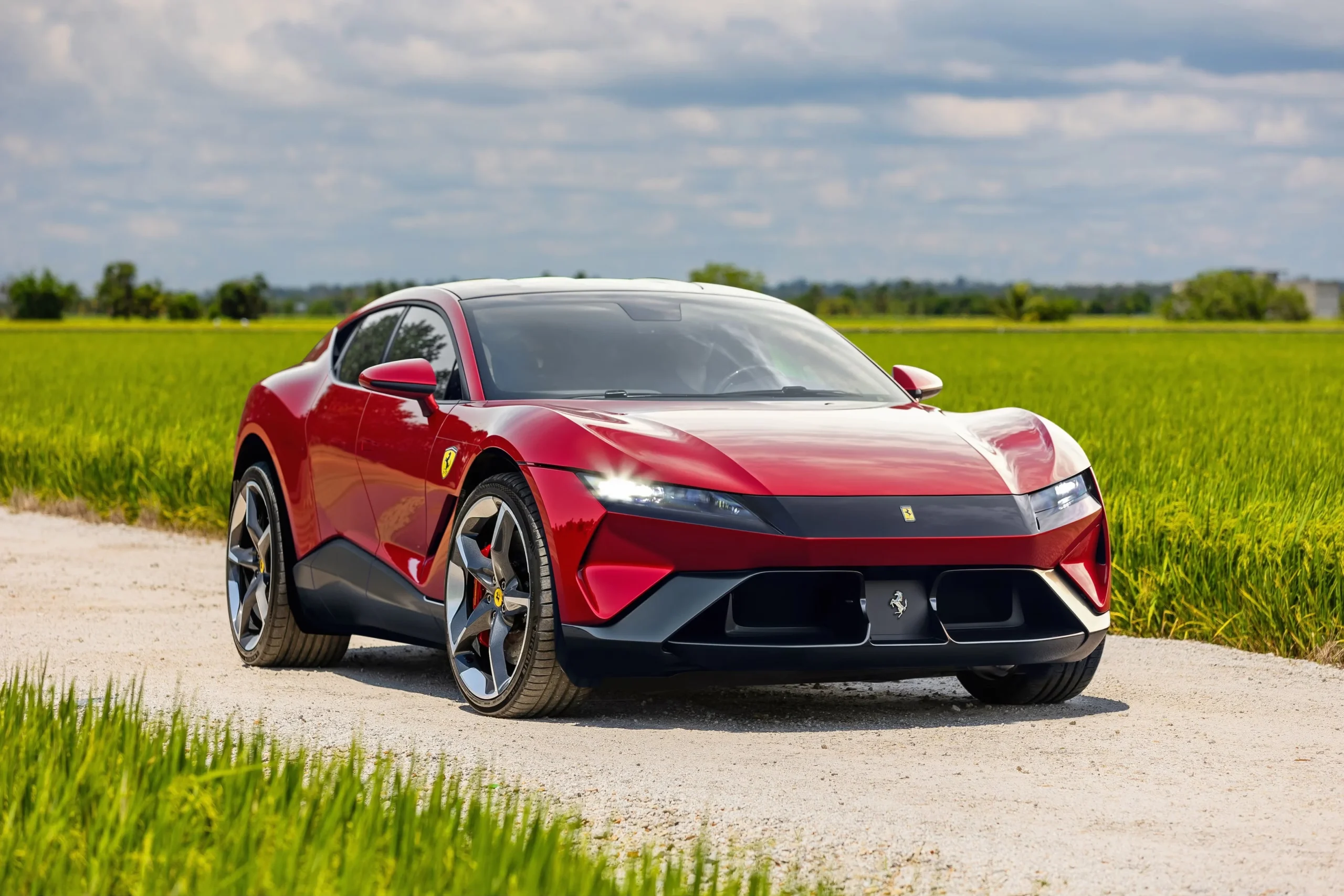
Meanwhile, rival Ferrari is racing ahead with its upcoming EV, the Ferrari Luce, featuring interior design by former Apple chief Jony Ive. The company plans to unveil official images on May 25, underscoring the accelerating pace of electrification among exotic‑car makers.
While Lamborghini remains committed to the hybrid path for the near future, the brand continues to monitor market trends closely, ensuring that any eventual shift to pure electric power aligns with the expectations of its discerning clientele.