
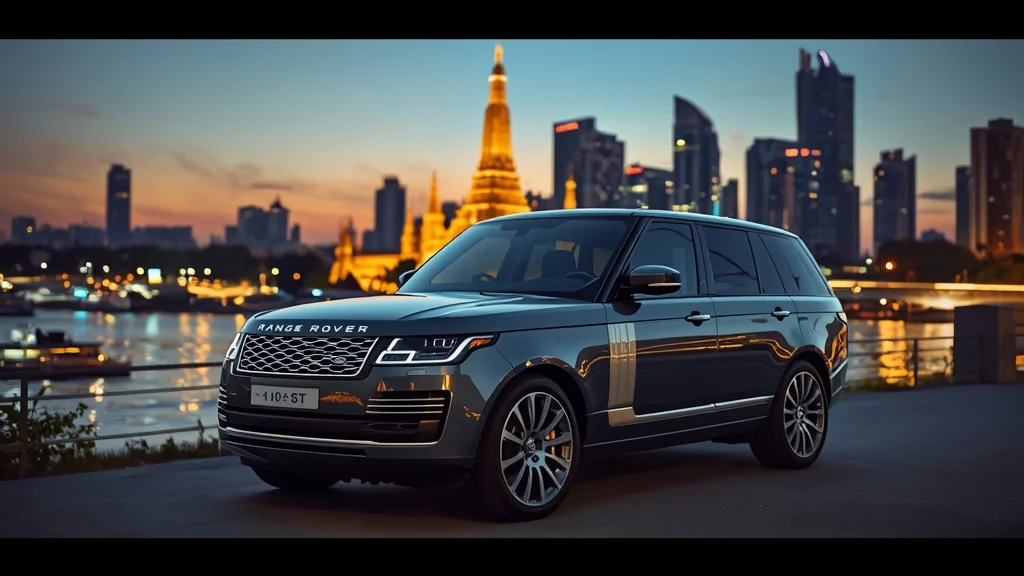
Jaguar Land Rover warns that Thailand’s new luxury car tax could cut sales by up to 10%. Read the full analysis and learn how the proposal may reshape the market.
Jaguar Land Rover’s official importer in Thailand, Inchcape (Thailand) Co., Ltd., has warned that the government’s upcoming overhaul of the Special Consumption Tax (SCT) could significantly hurt the premium‑vehicle market.

What the tax change means
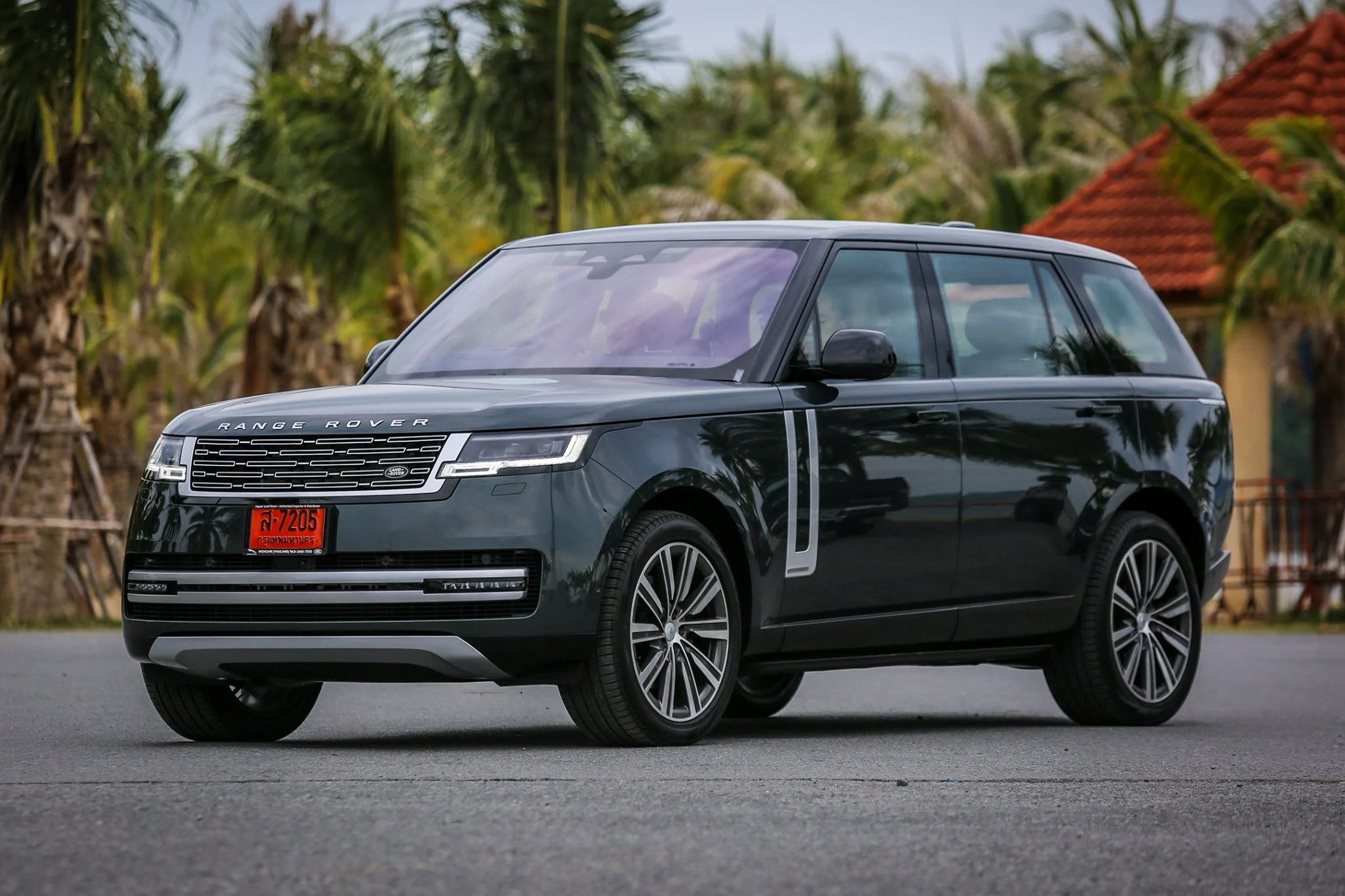
Chanchai Mahanthakun, Managing Director of Inchcape (Thailand), explained that the new SCT framework will apply a higher rate to cars priced above 5 million baht (roughly US$161,000). This bracket includes flagship models such as the Range Rover Autobiography LWB 3.0 P460e and the Land Rover Defender 110 X‑Dynamic SE.
Potential sales impact
Based on current orders, the segment could see a sales decline of about 10 % – roughly 1,000 units – compared with the previous year’s 10,000 vehicles. The higher tax would raise retail prices by at least 10 %, making these models less attractive to affluent Thai buyers.
Company’s response and proposals
Inchcape is urging the Ministry of Finance to create a separate tax regime for luxury cars, arguing that a one‑size‑fits‑all approach will reduce overall tax revenue because higher prices suppress demand. The company suggests:
- Separating premium vehicles from the mass‑market tax bracket.
- Setting SCT rates based on engine technology, displacement and CO₂ emissions rather than price alone.
- Providing clear, long‑term tax stability to encourage investment.
Why a separate bracket matters
Thailand aims to attract foreign auto‑manufacturing investment, but luxury brands face a tough reality: domestic and ASEAN‑region order volumes are too low to justify building a full production plant. Global standards and brand‑image considerations further limit local assembly options.
Market outlook for 2025‑2026
Industry analysts expect the 5‑million‑baht segment to contract by 5‑10 % in 2025, driven by both domestic economic headwinds and the impending tax hike. Inchcape projects its 2025 sales at about 140 units – a 5 % dip from the prior year.
Looking ahead to 2026, the company notes that Thailand’s GDP growth is forecast at only 1.9‑2.5 %, the lowest in the region. Combined with the higher SCT, the market could either stagnate or experience further decline. Sales forecasts range between 100 and 200 units, roughly matching 2025 levels.

Upcoming product launches
To offset price pressure, Jaguar Land Rover plans to launch an upgraded 2026 version of the Land Rover Defender along with a handful of special‑edition models aimed at stimulating demand.
New tax rates in practice
From 2026 onward, the SCT will be calculated on engine technology, displacement and CO₂ output. Most Land Rover models sold in Thailand are equipped with 2.0‑litre PHEV powertrains, which will see their SCT rise from 8 % to 15 %. This translates into a minimum 10 % price increase for many vehicles.
For example, the Range Rover Autobiography LWB 3.0 P460e is now priced at 13.799 million baht (≈US$445,000), up from 12.499 million baht (≈US$403,000). The Defender 110 X‑Dynamic SE 2.0 P400e jumps to 6.999 million baht (≈US$225,700) from 6.299 million baht (≈US$203,000).
What’s next?
Inchcape hopes the government will reconsider the SCT structure before it takes effect, ensuring a fair tax environment for premium cars while preserving state revenue. Until then, buyers and dealers alike will be watching price movements closely.