
Discover which car brands offer the lowest maintenance and repair costs over a decade, helping you budget smarter. Learn more now!
When you buy a car, the purchase price is only the beginning of the financial commitment. Ongoing maintenance, parts, and repair expenses can add up dramatically over the life of the vehicle. A recent study by the U.S. consumer‑advocacy magazine Consumer Reports sheds light on which brands are the most economical to own for a full decade.
How the Study Was Conducted
Consumer Reports surveyed its members about the amount they spent on routine maintenance (oil changes, tire rotations, etc.) and non‑collision repairs over the past 12 months. The data excluded accident‑related repairs, inflation‑driven price swings, and taxes. The results were then projected to show average cumulative costs for years 1‑5, years 6‑10, and the full 10‑year span.
Best‑Bang‑for‑Your‑Buck: The Cheapest Brands
Across the board, three brands emerged as the clear leaders in low ownership cost:
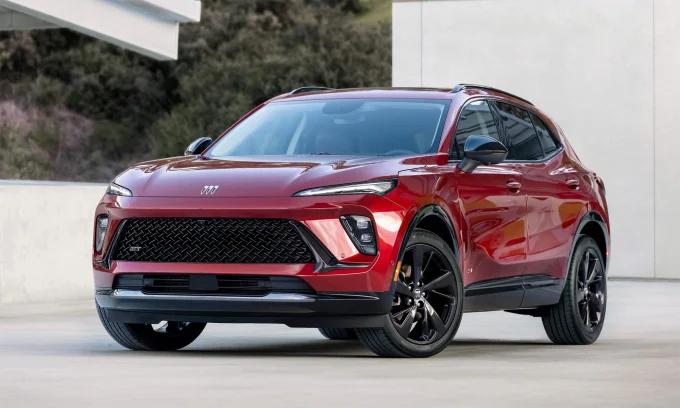
- Buick – General Motors’ premium offering topped the list with the lowest combined maintenance and repair expenses.
- Lincoln – Ford’s luxury marque came in a close second, proving that American premium cars can be cost‑effective.
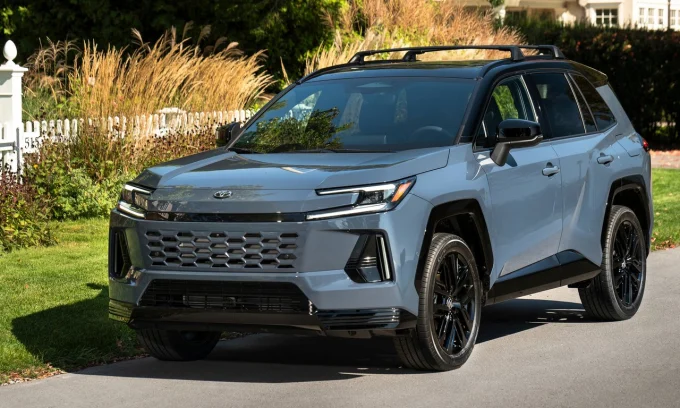
- Toyota – The Japanese giant rounded out the top three, reinforcing its reputation for reliability and affordable parts.
Steven Elek, the automotive data analyst at Consumer Reports, notes that domestic U.S. manufacturers typically enjoy cheaper parts and labor, which benefits both mainstream and premium models.
The Other End of the Spectrum: Most Expensive Brands
European luxury marques occupied the higher‑cost tier. While they all deliver prestige and performance, their 10‑year maintenance bills differ substantially:
- Audi
- BMW
- Land Rover
- Mercedes‑Benz
- Porsche
- Volvo
Even within this group, Audi and BMW were a few thousand dollars cheaper than the top‑tier spenders like Mercedes, Porsche, and Land Rover. By contrast, Buick and Lincoln’s ten‑year costs were just about 25% of what Land Rover owners paid.
Why the Gap Exists
Several factors drive the cost disparity:
- Parts pricing: Domestic brands benefit from locally sourced components that are less expensive than imported alternatives.
- Warranty coverage: Many new‑car warranties—often three years or more—cover routine repairs, keeping early‑ownership costs low. Once the warranty expires, expenses can rise sharply.
- Service network: Wider dealer and independent shop networks for American brands increase competition and drive down labor rates.
What This Means for Buyers
If you’re budgeting for a vehicle, consider the total cost of ownership—not just the sticker price. Choosing a brand with lower maintenance expenses can free up thousands of dollars over ten years, allowing you to allocate funds elsewhere—whether it’s upgrades, travel, or savings.
For those eyeing a premium experience without the premium upkeep, Buick and Lincoln present a compelling case. If you prefer proven reliability paired with affordable service, Toyota remains a solid choice.
Takeaway
Understanding how maintenance costs vary by brand helps you plan a realistic budget and avoid unexpected expenses down the road. Use this insight to steer your next car purchase toward a model that fits both your lifestyle and your wallet.