

Luminar has filed for Chapter 11 bankruptcy after Volvo dropped its LiDAR sensors, highlighting the volatile race for automotive safety tech. Read the full story now.
In a rapid turn of events, Luminar Technologies, once hailed as a leading LiDAR supplier for autonomous vehicles, filed for Chapter 11 bankruptcy this week. The filing came less than a month after Volvo announced that its upcoming ES90 and EX90 models will no longer offer LiDAR as an option.
Background: A Promising Partnership That Fell Apart
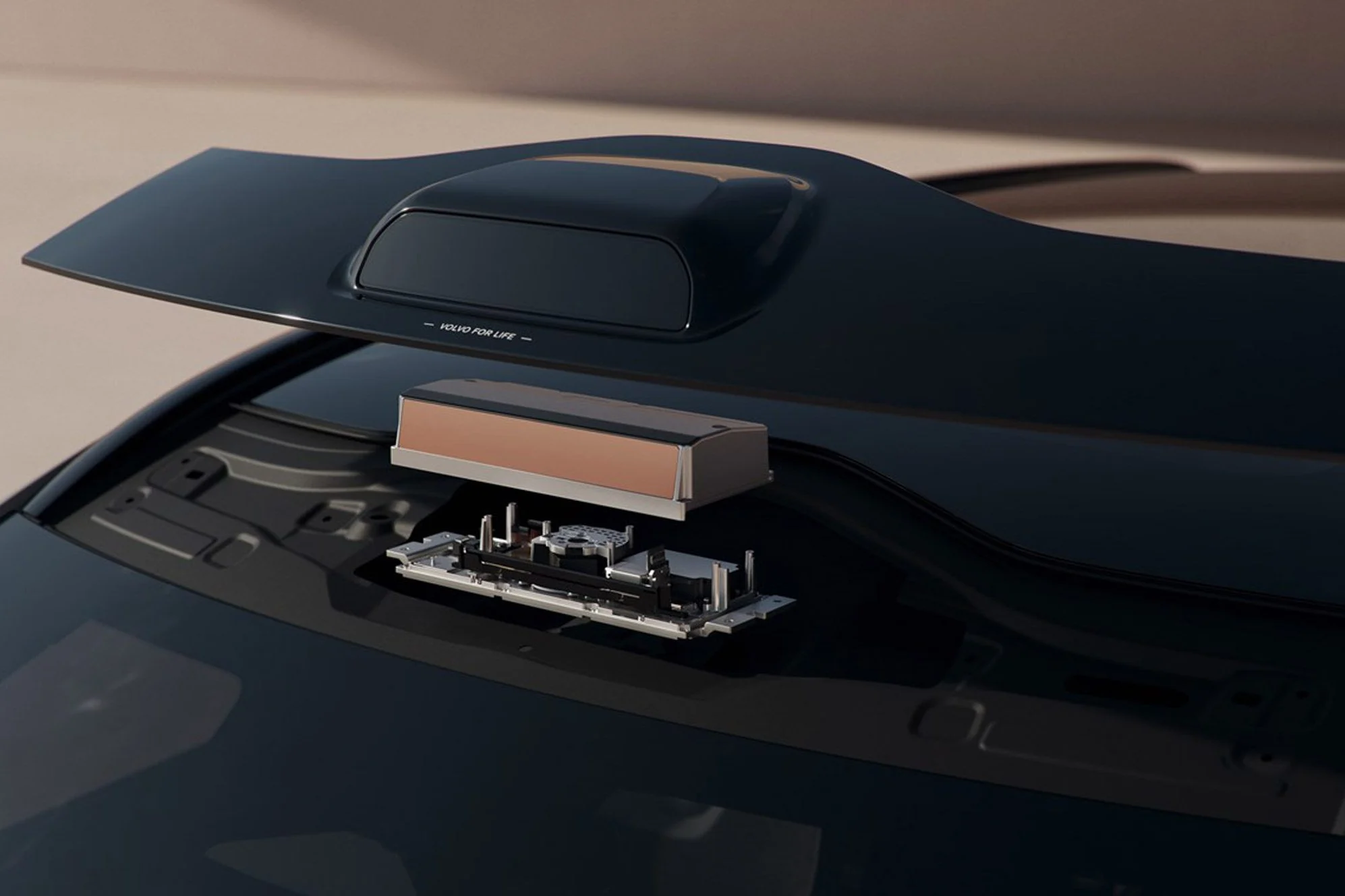
Volvo had positioned its 2026 models to showcase advanced driver‑assistance features, with Luminar’s LiDAR sensors earmarked as a key component. However, the Swedish automaker cited limited customer demand and constrained LiDAR hardware supply as reasons for removing the technology, while also alleging that Luminar had failed to meet certain contractual obligations.
The Bankruptcy Filing
Luminar submitted a Chapter 11 petition to the Southern District Court in Texas, listing assets between $100 million and $500 million against debts ranging from $500 million to $1 billion. The company plans to restructure by selling its LiDAR business unit and its subsidiary, Luminar Semiconductor, for $110 million.
CEO Paul Ricci explained that the board evaluated all options and decided that an asset sale overseen by the court was the most viable path forward. He emphasized that, even during restructuring, Luminar will continue to deliver LiDAR hardware and software to existing customers and will honor employee wages and benefits.
Impact on the Automotive LiDAR Market
The collapse underscores the fierce competition and high capital pressure in the automotive LiDAR sector. While many startups have touted rapid commercialization, market adoption has been slower than expected, leaving companies vulnerable to contract losses.
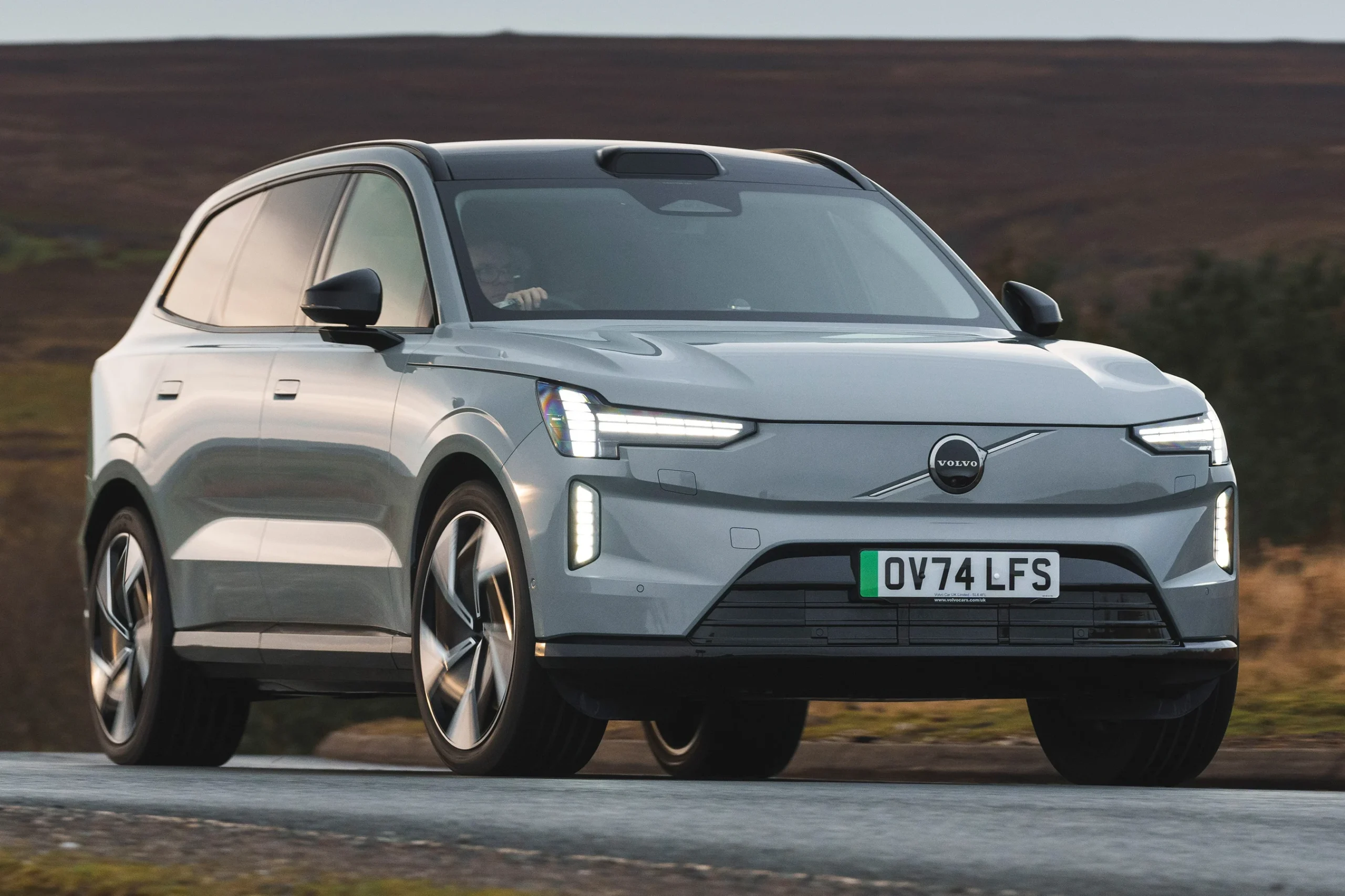
Industry analysts note that the Volvo decision may trigger a reassessment among other manufacturers about the cost‑benefit balance of LiDAR versus camera‑centric solutions, potentially reshaping supplier dynamics.
Looking Ahead
Despite the bankruptcy, Luminar’s technology remains in demand from several OEMs and Tier‑1 suppliers. The restructuring could allow the company to refocus on core competencies, streamline costs, and emerge as a leaner player in the evolving safety‑sensor landscape.
Stakeholders are watching closely to see how the sale of Luminar’s LiDAR assets will affect the broader push toward autonomous driving and advanced driver‑assistance systems.
For continuous updates on this developing story, stay tuned to our coverage.