
A Lynk & Co Z20 electric SUV mistakenly turned off its headlights after a voice command, causing a highway crash. Learn how the brand responded and what’s being updated – read more now.
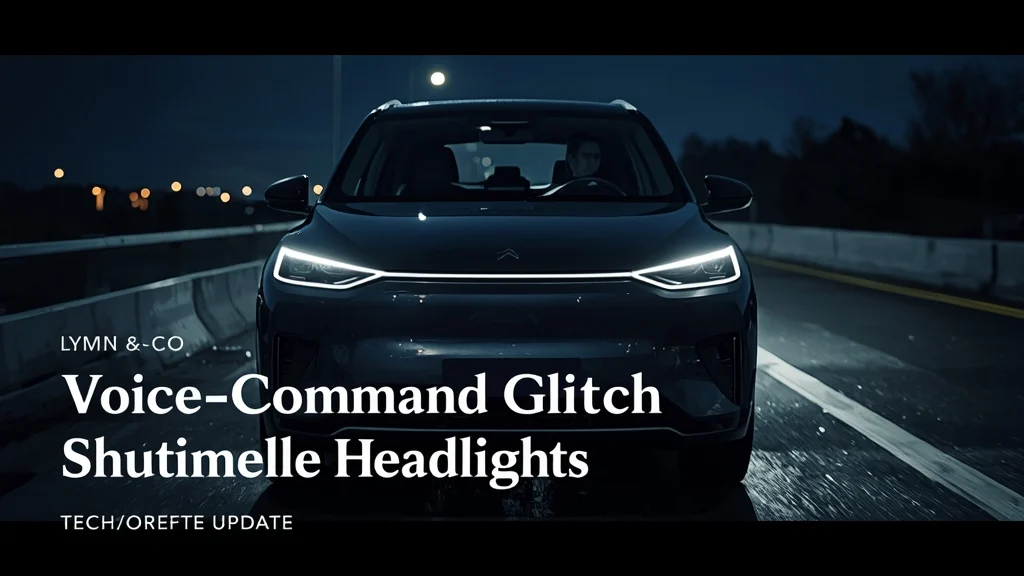
In a striking reminder that cutting‑edge technology can still stumble, a Lynk & Co Z20 electric SUV was involved in a night‑time crash after its voice‑controlled system inadvertently switched off the vehicle’s external headlights.
What happened on the highway?
According to Chinese media reports, the driver was travelling on a high‑speed road and used a voice command to adjust the interior ambient lighting. Instead of dimming the cabin lights, the car’s software misinterpreted the request and turned off the front headlights. The sudden loss of illumination left the driver with virtually no forward visibility, causing the SUV to collide with the central barrier.
Video footage captured from the incident shows the driver repeatedly issuing voice commands to reactivate the headlights. Each time, the system responded with a message that the requested action could not be performed while the vehicle was in motion, leaving the driver powerless to restore illumination.
Company response and software fix
On 26 February 2026, Mu Jun, Deputy General Manager of Sales at Lynk & Co, posted an apology on the Chinese social platform Weibo. He confirmed that the manufacturer had already rolled out an over‑the‑air (OTA) update to address the flaw.
“We have quickly pushed a cloud‑based update so that, from now on, the headlights can only be turned off manually while driving; they can no longer be controlled by voice commands,” Mu Jun explained.
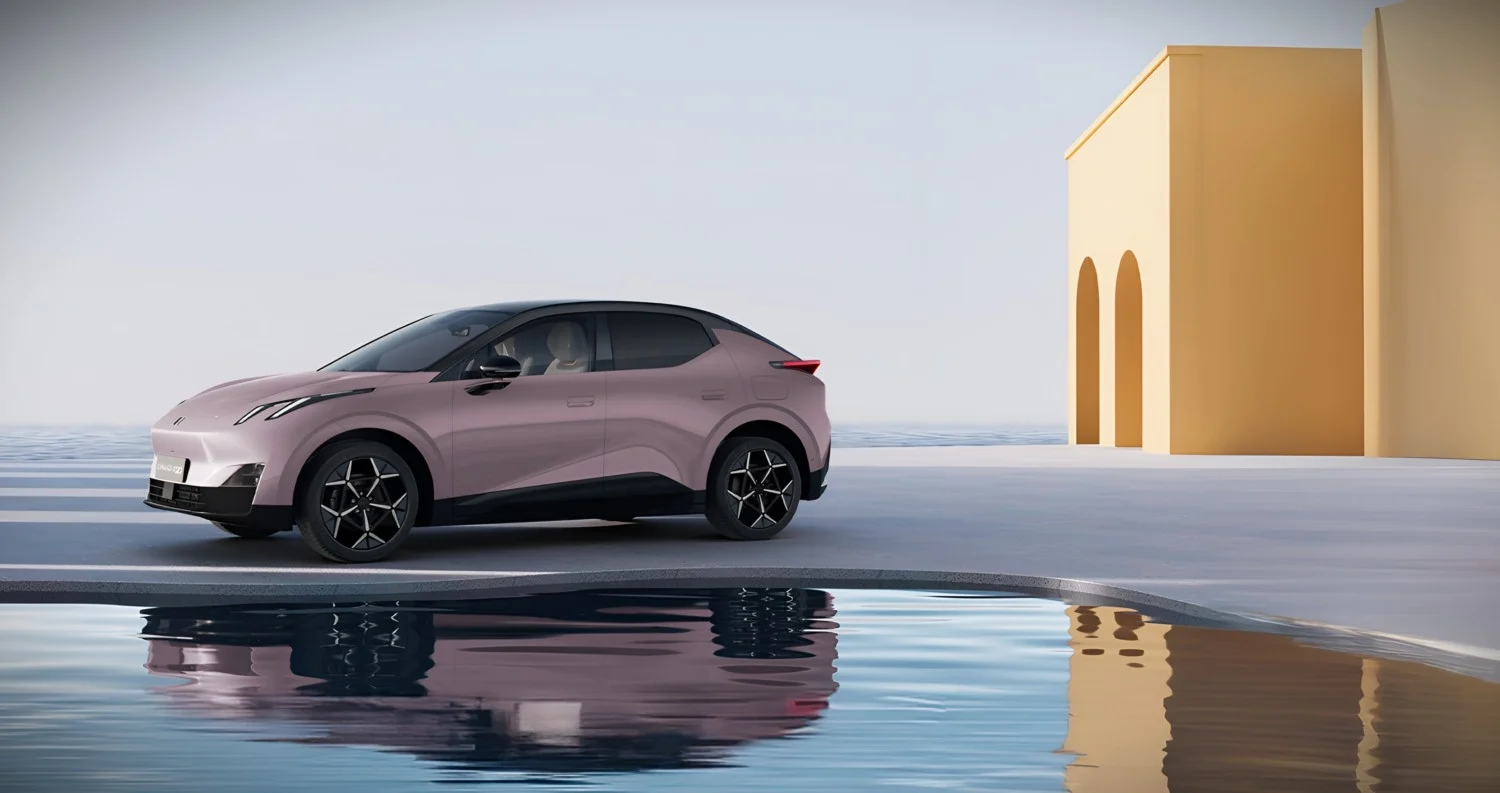
Technical snapshot of the Z20
- Vehicle type: Compact electric SUV built on Geely’s SEA (Sustainable Experience Architecture) platform
- Dimensions (L × W × H): 4,460 mm × 1,845 mm × 1,573 mm
- Battery capacity: Approximately 61 kWh
- Range: Up to 530 km per charge (CLTC cycle)
- Fast‑charging: 10 % to 80 % in about 15 minutes
Broader safety implications
The incident underscores the challenges automakers face as they integrate voice assistants and other semi‑autonomous features into everyday driving. While such technologies promise greater convenience, they also demand rigorous validation to prevent unintended safety risks.
Consumers and regulators are likely to scrutinize future software updates more closely, especially those that involve critical functions like lighting and driver‑assist systems.
For now, Lynk & Co’s swift OTA patch aims to restore driver confidence and demonstrate that the brand is taking proactive steps to keep its electric SUVs safe on the road.