
A Chinese driver’s Lynk & Co Z20 electric SUV lost its headlights after a voice command error, causing a high‑speed crash. Discover the incident and the OTA fix. Read more.
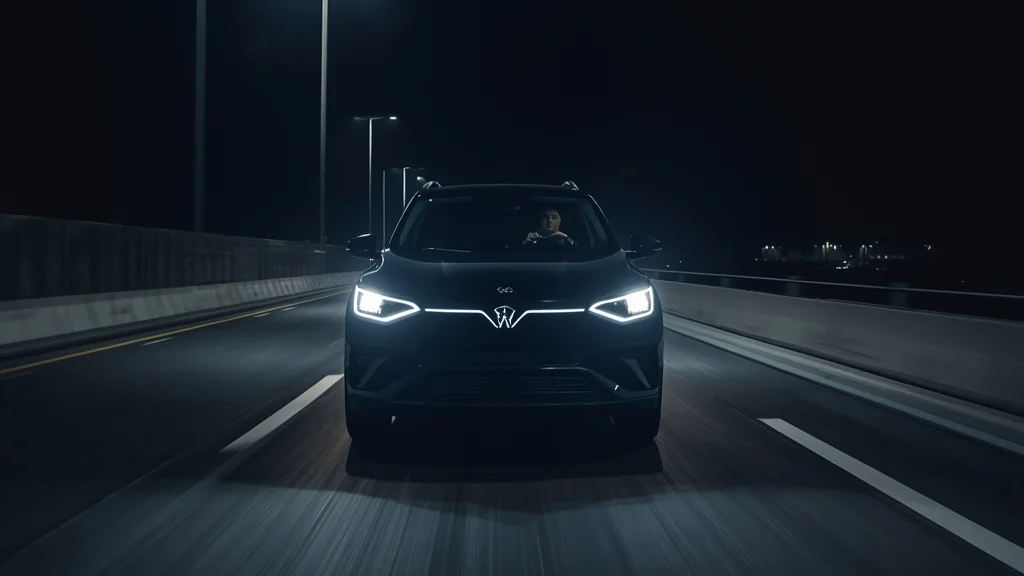
A night‑time highway test in China turned into a dramatic safety lesson when a Lynk & Co Z20 electric SUV suddenly went dark. The driver had issued a simple voice command to switch off the cabin’s ambient lighting, but the vehicle’s software misinterpreted the request and disabled the front headlights as well, leaving the SUV virtually blind at speed.
Incident in Detail
Video captured by on‑board cameras shows the driver saying, “Turn off interior lighting.” Instead of merely dimming the interior LEDs, the Z20’s voice‑assistant turned off the high‑beam headlamps. Within seconds, the car’s forward visibility vanished while it was still travelling at highway speed.
Panicked, the driver shouted another command to restore the lights. The system replied, “Operation cannot be performed while the vehicle is moving,” and refused to reactivate the headlights. With no illumination, the SUV struck the central median barrier, sustaining significant front‑end damage.
Company’s Immediate Response
On February 26, 2026, Mu Jun, Vice President of Sales at Lynk & Co, posted an apology on Weibo acknowledging a logical error in the voice‑control module. The automaker announced an emergency over‑the‑air (OTA) software update that will permanently block voice‑activated headlight shutdown while the car is in motion. After the patch, drivers must manually engage any headlight‑off function, a basic safety step that had been overlooked in the push toward smarter interiors.
Technical Specs of the Lynk & Co Z20
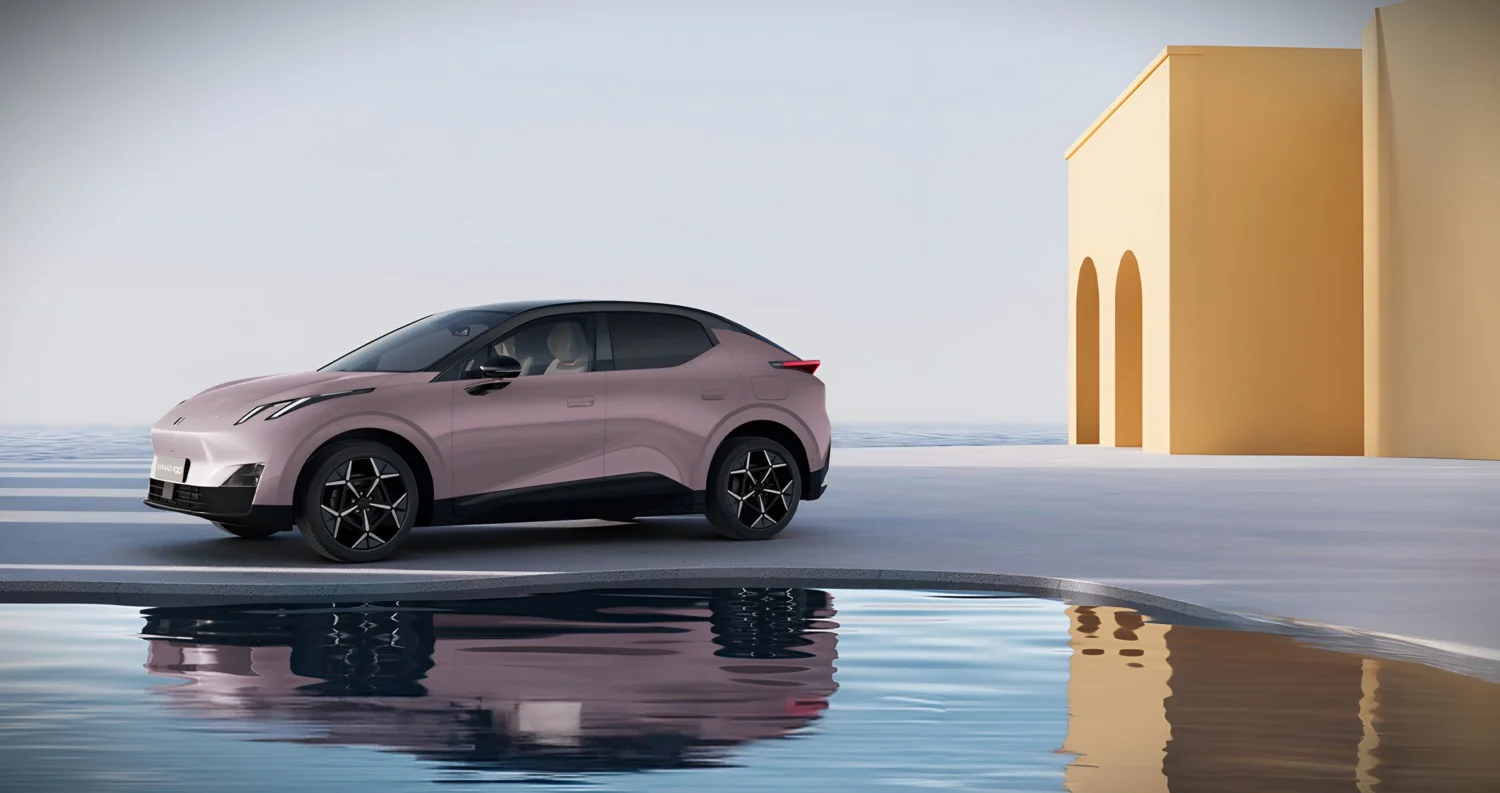
The Z20 is a compact electric SUV built on Geely’s Sustainable Experience Architecture (SEA) platform. Key specifications include:

- Length: 4,460 mm; Wheelbase: 2,755 mm
- Battery capacity: 61 kWh
- CLTC range: up to 530 km (330 mi)
- Fast‑charging: 10 % to 80 % in about 15 minutes
- Price bracket: ¥110,000‑¥150,000 (≈ US$16,000‑US$22,000)
Its competitors in the Chinese market include the BYD Yuan Plus and the Smart #1.
Broader Implications for EV Safety
The mishap spotlights a growing challenge for manufacturers: ensuring that voice assistants and semi‑autonomous functions never compromise core safety systems. A seemingly minor software logic flaw can escalate into a hazardous situation when it interferes with essential controls such as lighting or braking.
Regulators and consumers are likely to demand stricter validation of driver‑assist scenarios, especially for features that can be triggered without physical interaction. Lynk & Co’s swift OTA patch is a positive step, but the episode may usher in tighter scrutiny of “smart” vehicle interfaces worldwide.
What’s Next?
While the Z20’s technical credentials remain impressive, rebuilding consumer trust will hinge on transparent communication and robust safety testing. The incident serves as a reminder that the road to fully integrated, voice‑controlled cars must be paved with rigorous, real‑world validation.