
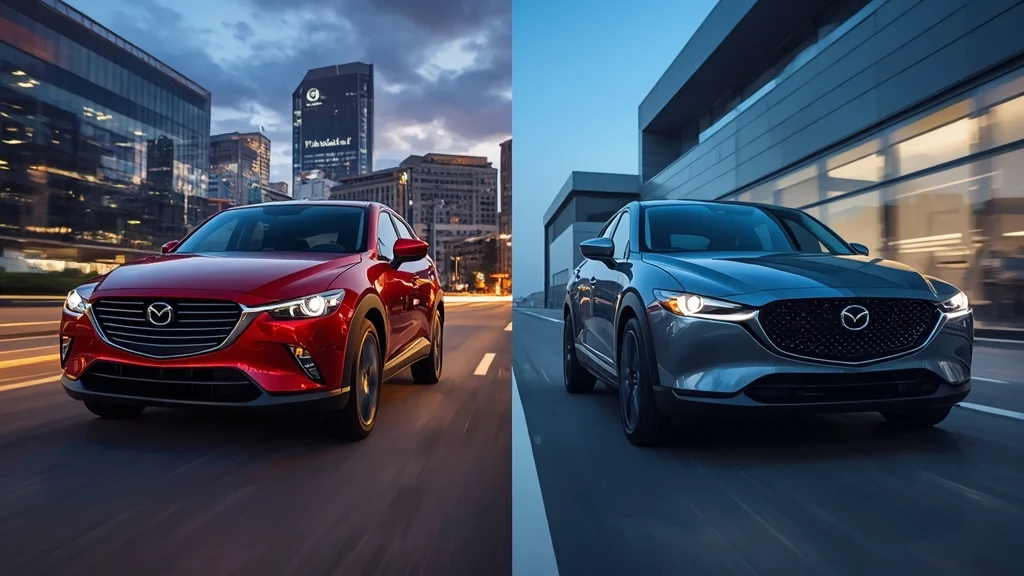
Mazda will stop making the CX-3 in March 2026 and the Mazda2 in June, shifting focus to futuristic compact models. Discover what’s next.
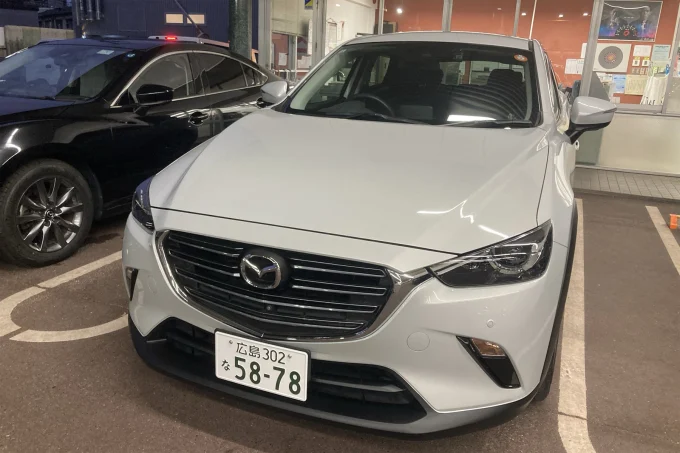
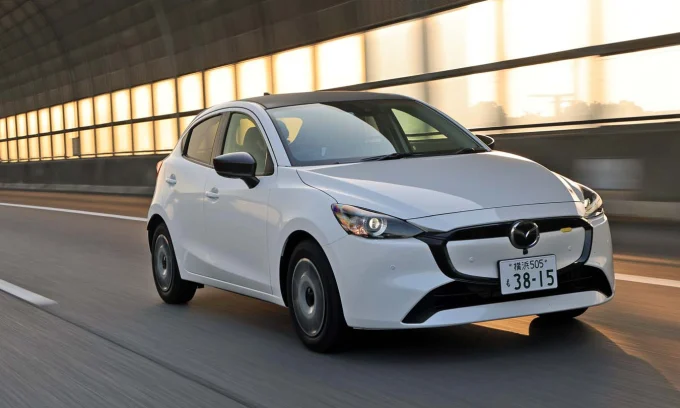
Japanese automaker Mazda has confirmed that it will cease production of two of its long‑standing small‑car models: the CX‑3 compact SUV and the Mazda2 hatchback. The shutdown is slated for March 2026 for the CX‑3 and June 2026 for the Mazda2, giving dealers a short window to fulfill existing orders before the final units are sold from inventory.
Why the CX‑3 and Mazda2 are being retired
Both models debuted in 2014 and have received periodic facelifts and incremental upgrades over the years. However, industry analysts note that they now lag behind newer rivals in terms of design language, powertrain efficiency and advanced technology. In a report from Japan’s Creative Trend, internal dealer documents reveal Mazda’s decision to retire the vehicles as part of a broader strategy to streamline its lineup and invest in next‑generation platforms.
What replaces the Mazda2?
The most concrete hint comes from the Vision X‑Compact concept unveiled at the 2025 Japan Auto Show. The sleek hatchback showcases a modern AI‑assisted cockpit and a body that is 255 mm shorter than the current Mazda2. If Mazda retains those dimensions for production, the new model could shift from the traditional sub‑compact segment to an even more urban‑focused category, making it easier to maneuver in crowded city streets.
Industry speculation suggests a potential launch in 2027 as Mazda’s next entry‑level vehicle for global markets. Because of its ultra‑compact footprint, the model may be better suited to regions where city driving dominates, though it could face regulatory hurdles in larger markets such as the United States.
The future of the CX‑3
While the CX‑3’s global sales have been relatively stable, Mazda has already teased design sketches that hint at a larger, sharper‑styled successor. Early renderings displayed at a January showcase in Thailand reveal a small SUV with a broader stance and more aggressive proportions, borrowing cues from the newer CX‑5.
Should the next‑generation CX‑3 move forward, it would likely compete directly with newcomers like the Toyota Yaris Cross and a wave of compact crossovers emerging from Korean and European manufacturers.
Strategic context
The decision to end production aligns with Mazda’s push toward electrified powertrains and smarter connectivity. Competitors across Japan, South Korea and Europe are rapidly expanding hybrid and electric offerings in the compact segment, and Mazda appears intent on catching up with its own suite of future‑ready technologies.
For now, the company will continue to accept domestic orders for both models until each reaches its final production quota. After that, remaining stock will be sold off‑price until depletion.
What this means for buyers
Current owners can expect continued after‑sales support and parts availability for the foreseeable future. Prospective buyers should act quickly if they wish to secure a brand‑new CX‑3 or Mazda2 before the shutdown.
Keep an eye on Mazda’s upcoming announcements—especially the anticipated 2027 launch of the Vision X‑Compact‑derived hatchback—as the automaker reshapes its compact‑car strategy for a more electrified, AI‑driven future.