
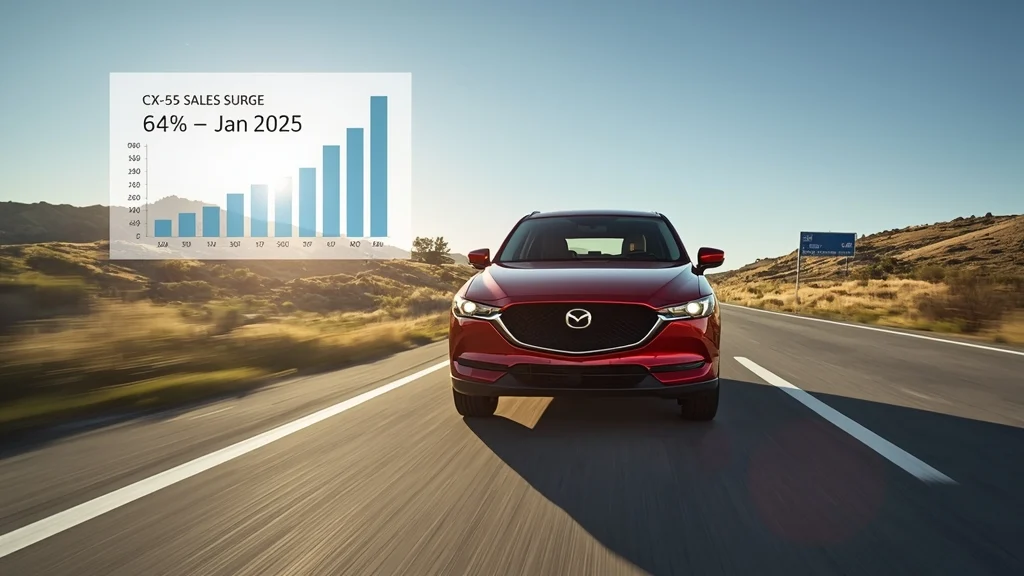
Explore how the Mazda CX-50 drove a surprising sales boost for Mazda in the US during January 2025, outpacing rivals. Read the full analysis now.
Mazda’s January 2025 figures in the United States revealed a sharp overall decline, yet one model defied the trend.
Company–wide dip
The Japanese automaker sold 28,958 vehicles in the U.S., 14% fewer than the 33,681 units recorded in January 2024. When adjusted for a larger sales calendar this translates to a 17.3% year‑on‑year drop.
Model‑by‑model breakdown
- Mazda3: Total sales fell 17.1% to 2,473 units. Sedans slumped 39.4% (1,270 units) while hatchbacks rose 35.6% to 1,203 units.
- MX‑5 Miata: Only 395 cars were sold, a 42% decline.
- CX‑30: Sales plunged 63.6% to 2,423 units.
- CX‑5: Still Mazda’s best‑selling model, down 8%.
- CX‑70: 672 units sold, 29% lower.
- CX‑90: Down 49.4% with 2,707 vehicles sold.
The CX‑50 exception
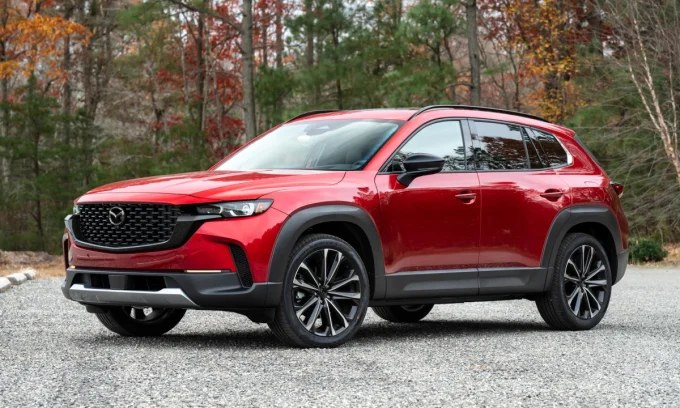
The compact SUV emerged as the sole bright spot, moving 10,415 units in January 2025 – a record high and a 64.4% increase over the 6,335 units sold a year earlier. Analysts attribute the surge to the introduction of a hybrid variant, which broadened the model’s appeal.
Competitive landscape
Even with strong growth, the CX‑50 competes in a fiercely contested segment dominated by the Honda CR‑V and Toyota RAV4, both of which posted higher total sales throughout 2025.
North‑American market outlook
While U.S. numbers fell, Mazda’s performance in other North‑American markets remained positive. In Canada, sales rose 4.9% to 4,974 units, and in Mexico they jumped 11% to 8,704 vehicles during the same month.
What’s next?
With a new generation of CX‑50 models slated for dealer arrival, Mazda hopes the momentum will spill over to its broader lineup. The company also highlighted that January 2025 marked its third‑best start since entering the U.S. market 55 years ago – an optimistic sign amid a challenging environment.
Stay tuned for more insights on Mazda’s strategy and how the CX‑50’s hybrid option could reshape the SUV segment.