
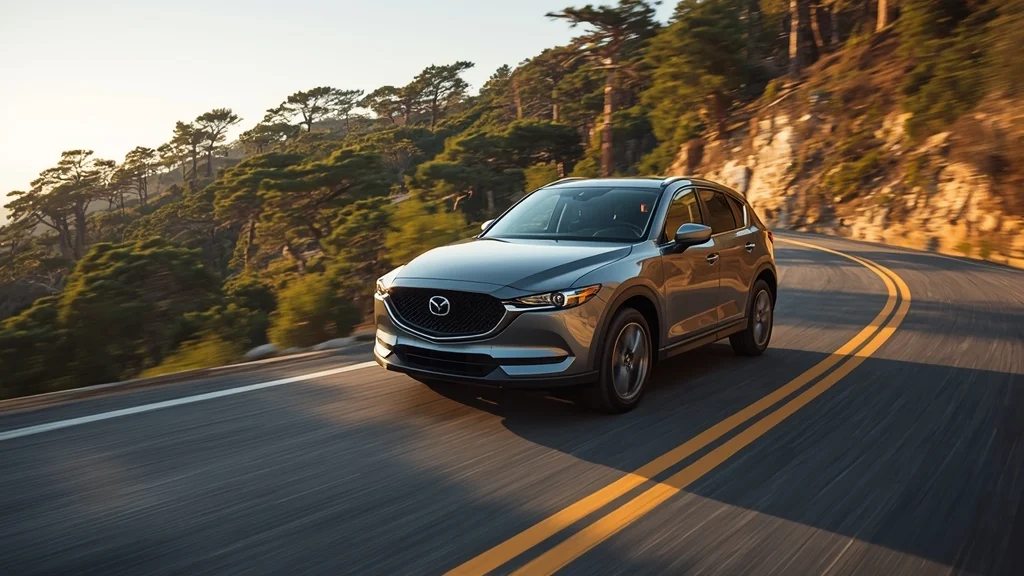
Mazda’s new CX-5 adopts Miata‑inspired shock and spring tuning for sharper handling and smoother rides. Discover the engineering behind it. Learn more!
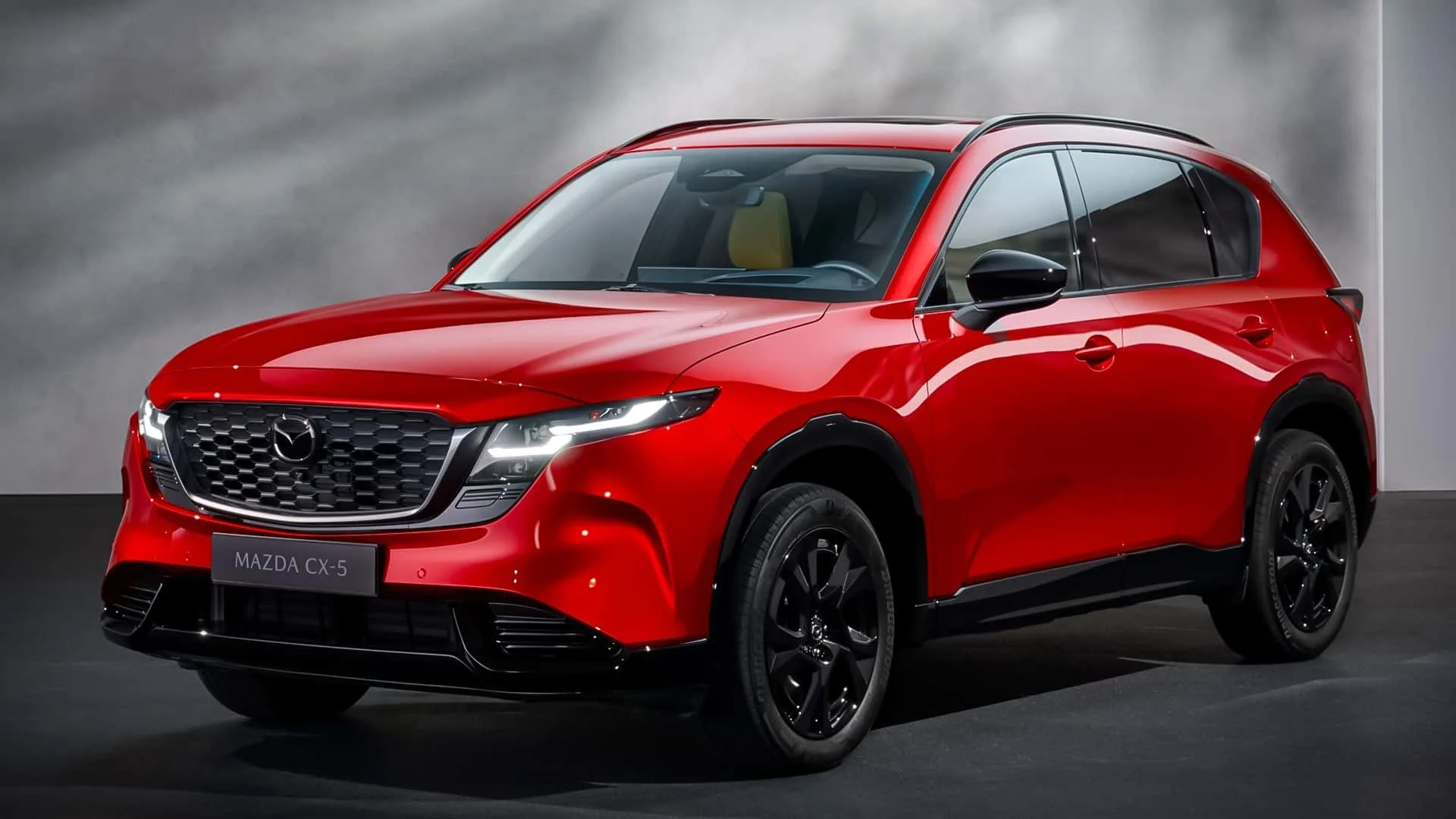
Mazda’s compact SUV, the CX‑5, has long been praised for its agile handling within the fiercely competitive C‑segment. The 2026 model now takes that reputation a step further by borrowing key suspension ideas from the iconic MX‑5 Miata sports car.
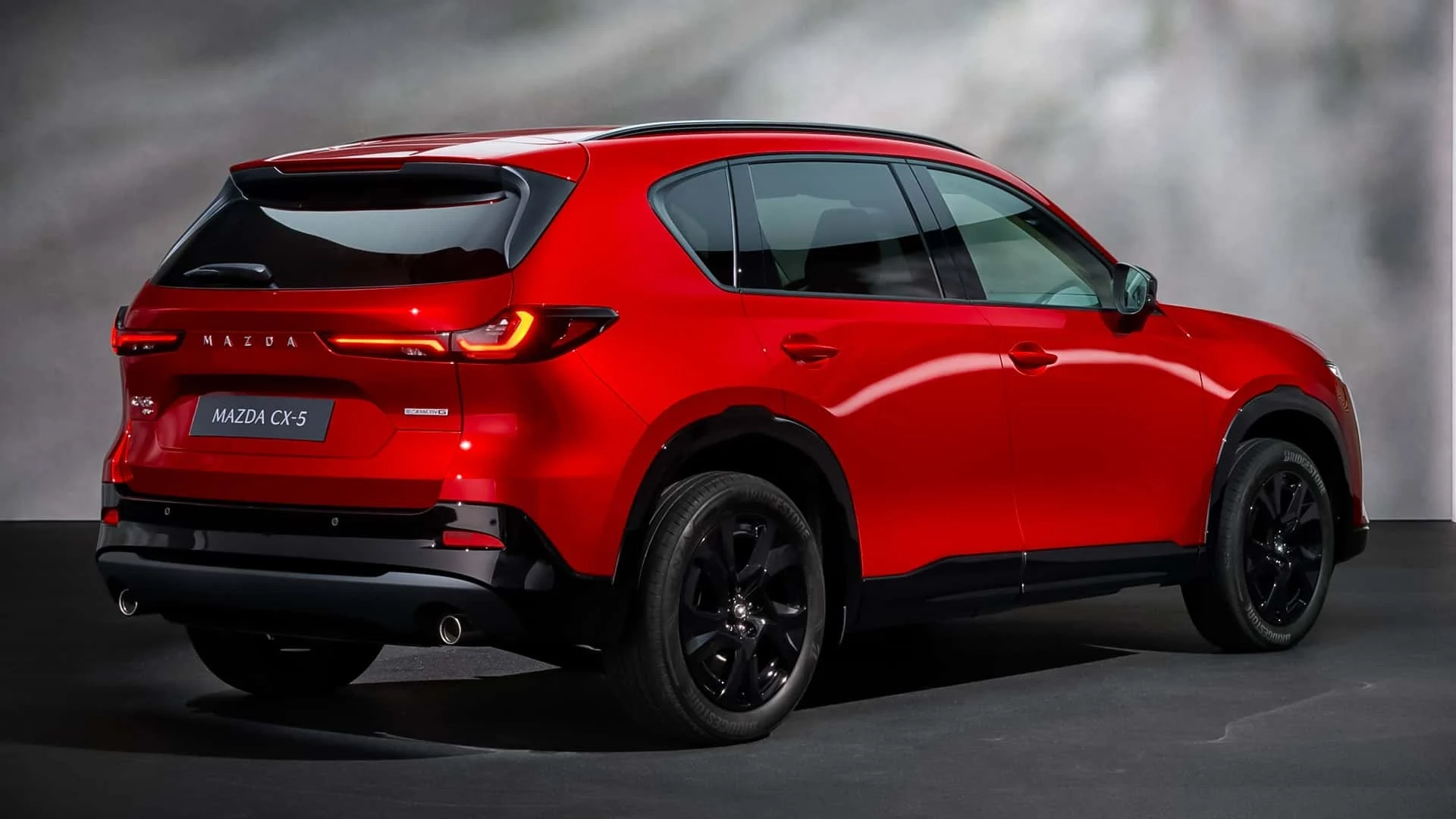
Miata’s Legacy in Suspension Design
The MX‑5 is celebrated for having the lowest body‑roll frequency of any Mazda ever built, a trait that translates into nimble cornering and a planted feel at high speeds. Mazda engineers saw an opportunity to apply that low‑frequency suspension tuning to a mainstream SUV, aiming to blend comfort with a sportier drive.

New Shock Technology for the CX‑5
Ruben Archilla, senior R&D manager at Mazda, explains that the new dampers feature larger piston diameters and an upgraded valve cluster. This redesign reduces internal friction, delivering more immediate response—especially at low speeds. The damping curve is now more linear, providing strong initial bite and softer resistance as the pistons speed up.
Spring‑Damper Synergy
By pairing a relatively soft spring with a firmer damper—mirroring the Miata’s setup—the CX‑5 achieves a lower overall spring rate than its predecessor. The result is better absorption of road imperfections, a smoother ride, and enhanced comfort without sacrificing stability.
Enhanced G‑Vectoring Control
Mazda has also refined its G‑Vectoring Control (GVC) system. The updated GVC subtly reduces engine torque just before a turn, shifting weight onto the front wheels for improved grip. Archilla notes that this leads to quicker front‑wheel traction, sharper steering feedback, and a greater sense of driver involvement.
What Drivers Can Expect
- More immediate steering response and confidence in low‑speed maneuvering.
- Reduced body roll and a more planted feel during cornering.
- Softer ride quality on uneven surfaces thanks to the softer spring rate.
- Enhanced front‑wheel grip from the refined GVC system.
- A balanced, sport‑inspired driving experience without compromising daily comfort.
With these Miata‑inspired tweaks, the 2026 Mazda CX‑5 offers a compelling blend of SUV practicality and sports‑car dynamics—an enticing proposition for drivers who crave both versatility and excitement.