
Mercedes-Benz is rolling out a China‑based EV platform built on Geely’s electronic architecture, promising lower costs and smarter cars. Learn more now.
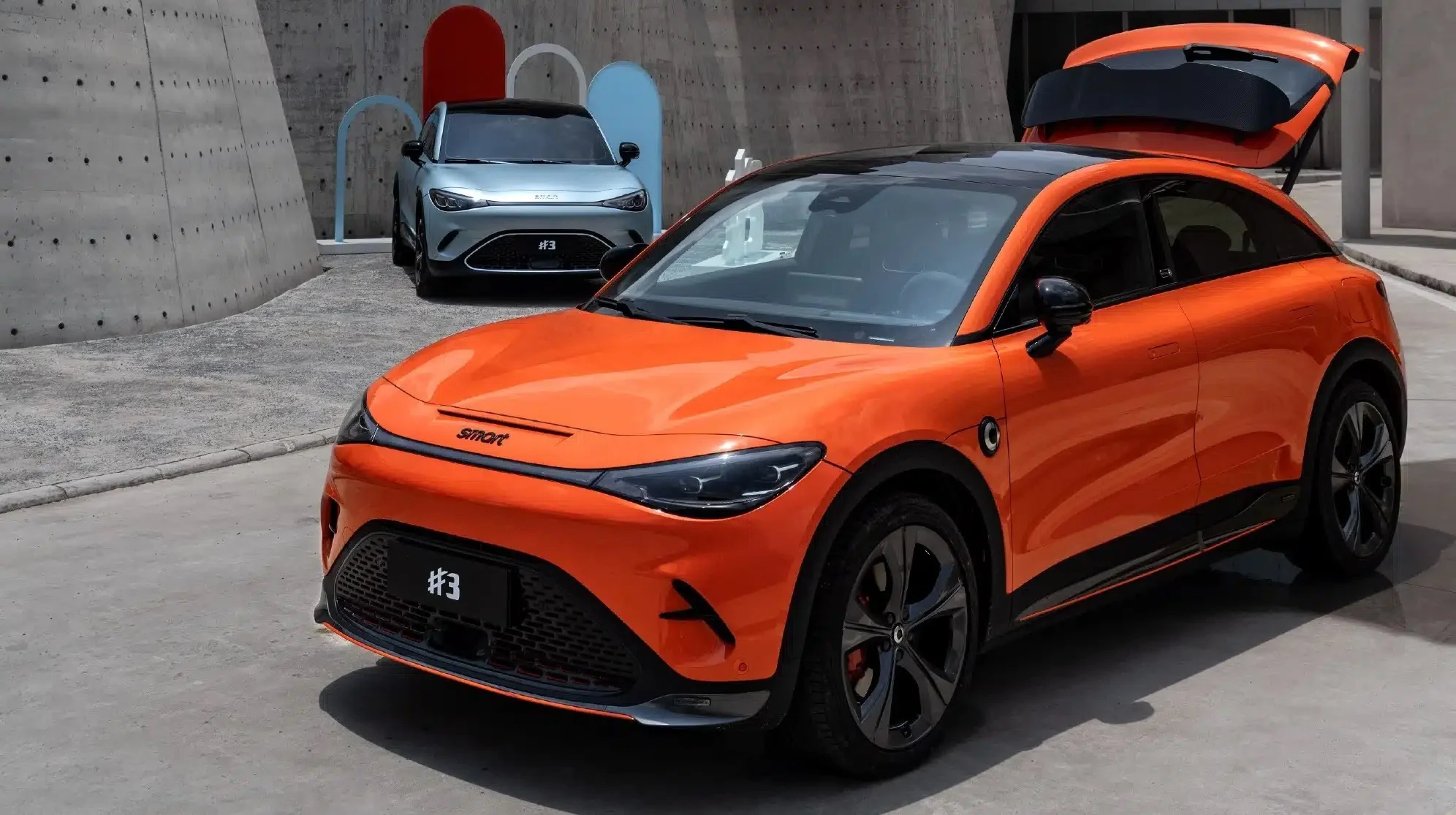
Mercedes‑Benz announced a groundbreaking step in its electric‑vehicle strategy: the company will develop a new global EV platform in China using Geely’s advanced electronic‑architecture. The move marks the first time in the German automaker’s 130‑year history that a new vehicle platform is handed over to an R&D centre outside Germany.
A historic shift for Mercedes‑Benz
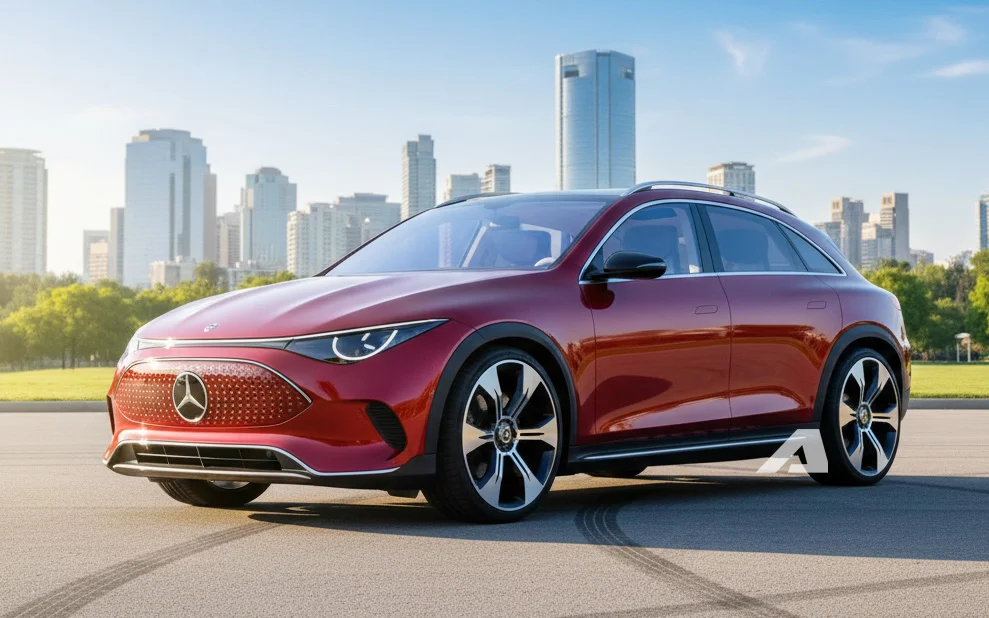
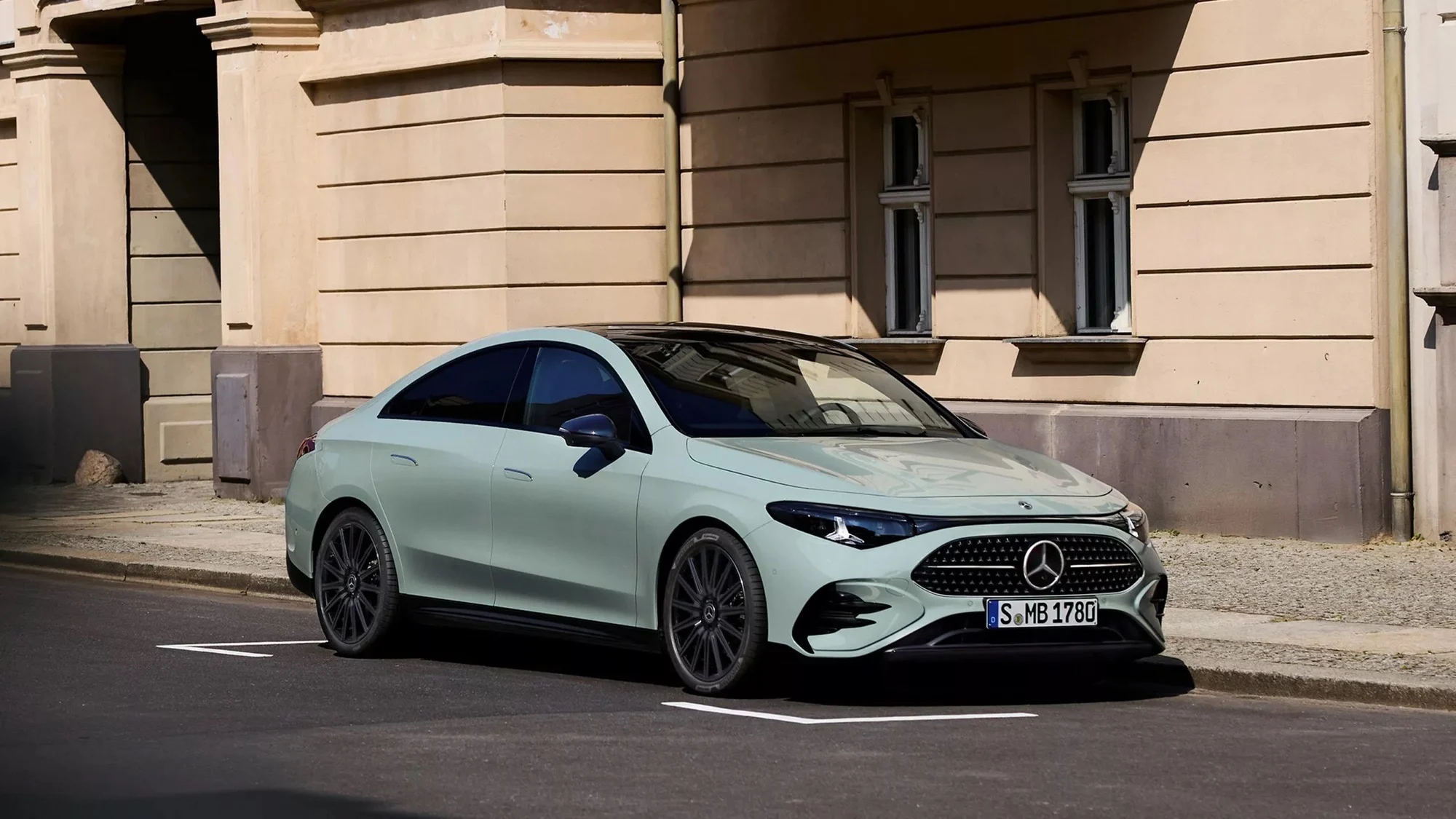
Under the new split‑strategy, the Chinese R&D hub will become the world‑wide headquarters for Mercedes‑Benz’s compact‑car line‑up, while engineers in Germany will focus on mid‑size and flagship luxury models. The project, codenamed “Phoenix,” is slated to enter production around 2030 and will eventually replace the current MMA platform that underpins the A‑Class, B‑Class, GLA, GLB and CLA families.
The Phoenix project: a new global EV platform
Designed as a versatile, scalable architecture, Phoenix will support a range of battery sizes, motor configurations and software‑defined features. By basing the platform on Geely’s GEEA 4.0 electronic‑electrical (EE) structure, Mercedes‑Benz aims to cut development and manufacturing costs while delivering the high‑level driver‑assist and digital cockpit functions expected in next‑generation EVs.
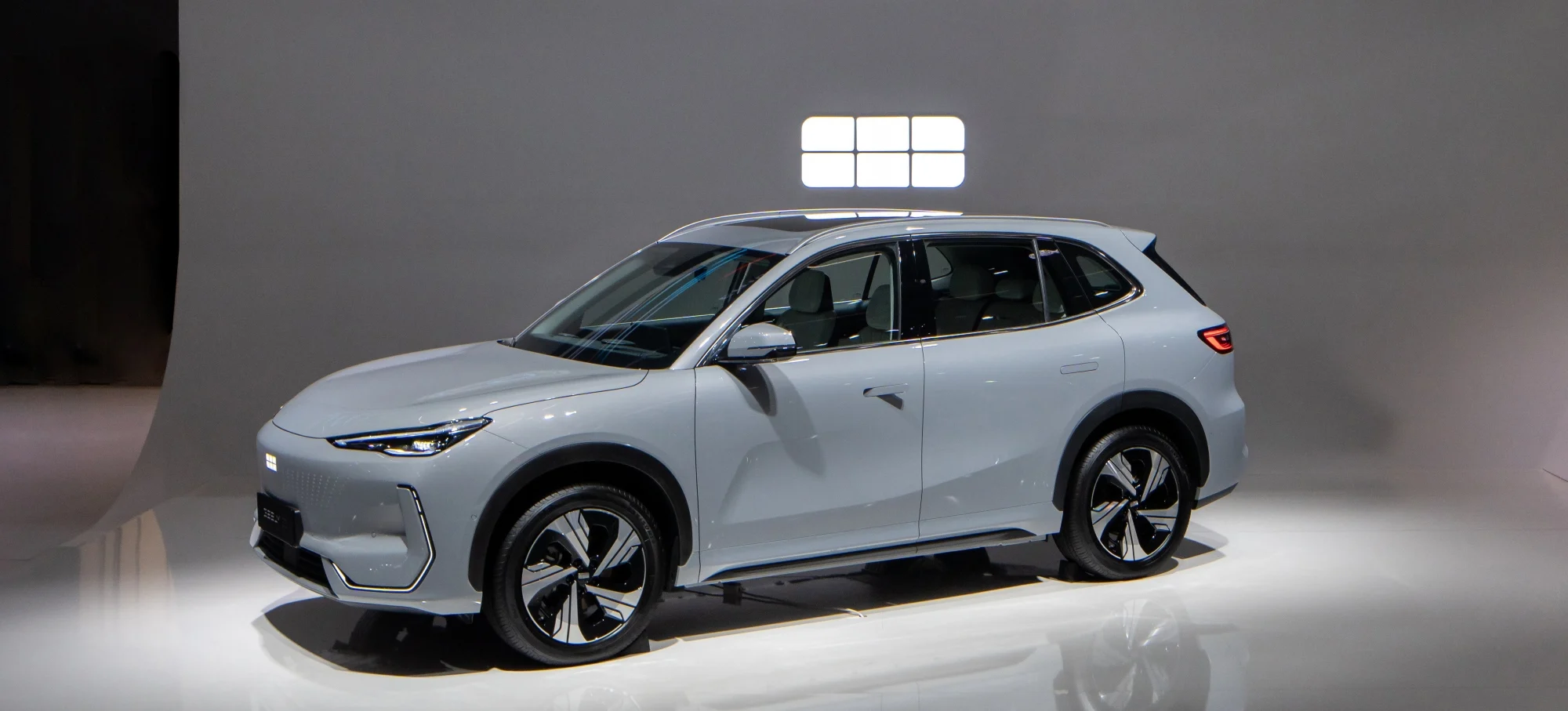
Geely’s GEEA 4.0 at the heart of the platform
Geely’s GEEA 4.0 is an evolution of the proven GEEA 3.0 system, which has already powered more than one million commercial vehicles worldwide. The architecture integrates sensors, high‑speed processors, and a unified software stack that enables over‑the‑air updates, advanced driver‑assistance (ADAS), and seamless connectivity.

- Unified hardware interface for cameras, radars and LiDAR
- Scalable computing power from entry‑level to high‑performance models
- Future‑proof OTA capability for continuous feature upgrades
Cost efficiency drives the partnership
Mercedes‑Benz’s recent visits to Geely’s Hangzhou R&D centre underscore a shared focus on cost optimisation. After dissecting the Zeekr 001—a Geely‑owned EV praised for its engineering excellence and competitive price—Mercedes engineers were impressed by the strong performance‑to‑cost ratio.
The collaboration promises to reduce the overall bill of materials for compact EVs, making them more affordable for global consumers without compromising on premium quality.
Industry trend: Western automakers turning to Chinese tech
Mercedes‑Benz is not alone. Volkswagen has partnered with Xpeng, Stellantis invested in Leapmotor, Renault teamed up with Geely, and Ford is reportedly in talks with Geely about autonomous‑driving systems. Chinese firms are increasingly becoming exporters of core automotive technology, especially in electrification and software, as traditional European and American brands confront steep development costs.
What this means for consumers
The upcoming Phoenix platform could bring a new generation of smaller Mercedes‑Benz electric cars that are both premium‑styled and price‑competitive. Faster development cycles, regular OTA updates, and advanced driver‑assist features are expected to become standard across the line‑up.
For buyers, the partnership signals that the luxury EV market may become more accessible, with the added benefit of cutting‑edge Chinese software engineering blended with German design and brand heritage.
Stay tuned as Mercedes‑Benz rolls out prototypes and reveals more details about the Phoenix platform in the coming years.