

Escalating tensions in the Middle East are driving oil prices higher and could disrupt the global automotive supply chain. Learn how manufacturers are responding.
Rising hostilities between the United States, Israel and Iran have sent crude oil prices rocketing, stoking fresh worries about another shock to an automotive sector already stretched thin by pandemic fallout, chip shortages and trade tensions.
Oil price surge and the chokepoint at the Strait of Hormuz
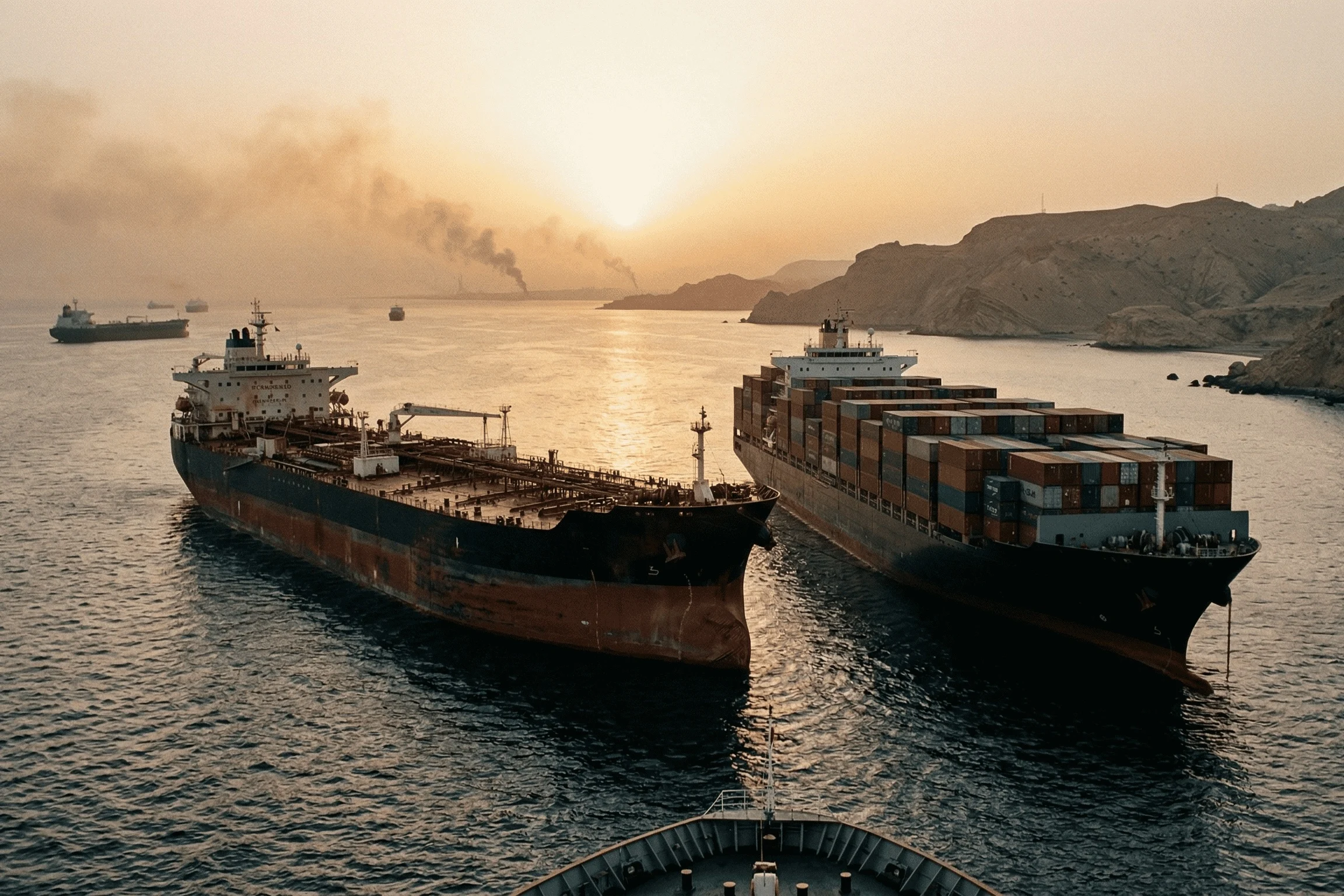
Within days of the first air strikes on 28 February, traffic through the Strait of Hormuz—through which roughly 20 million barrels of crude a day flow—has all but stalled. Container lines have paused trans‑Hormuz voyages, while the strategic waterway that also serves as a conduit for liquefied natural gas, aluminium, steel and key plastics (ethylene, polyethylene, polypropylene) now faces prolonged disruption.
These materials are foundational inputs for car manufacturing, from chassis components to interior trim. A bottleneck here threatens to tighten supply chains that already rely heavily on the Asia‑Europe maritime corridor.
Cost pressures mount for carmakers
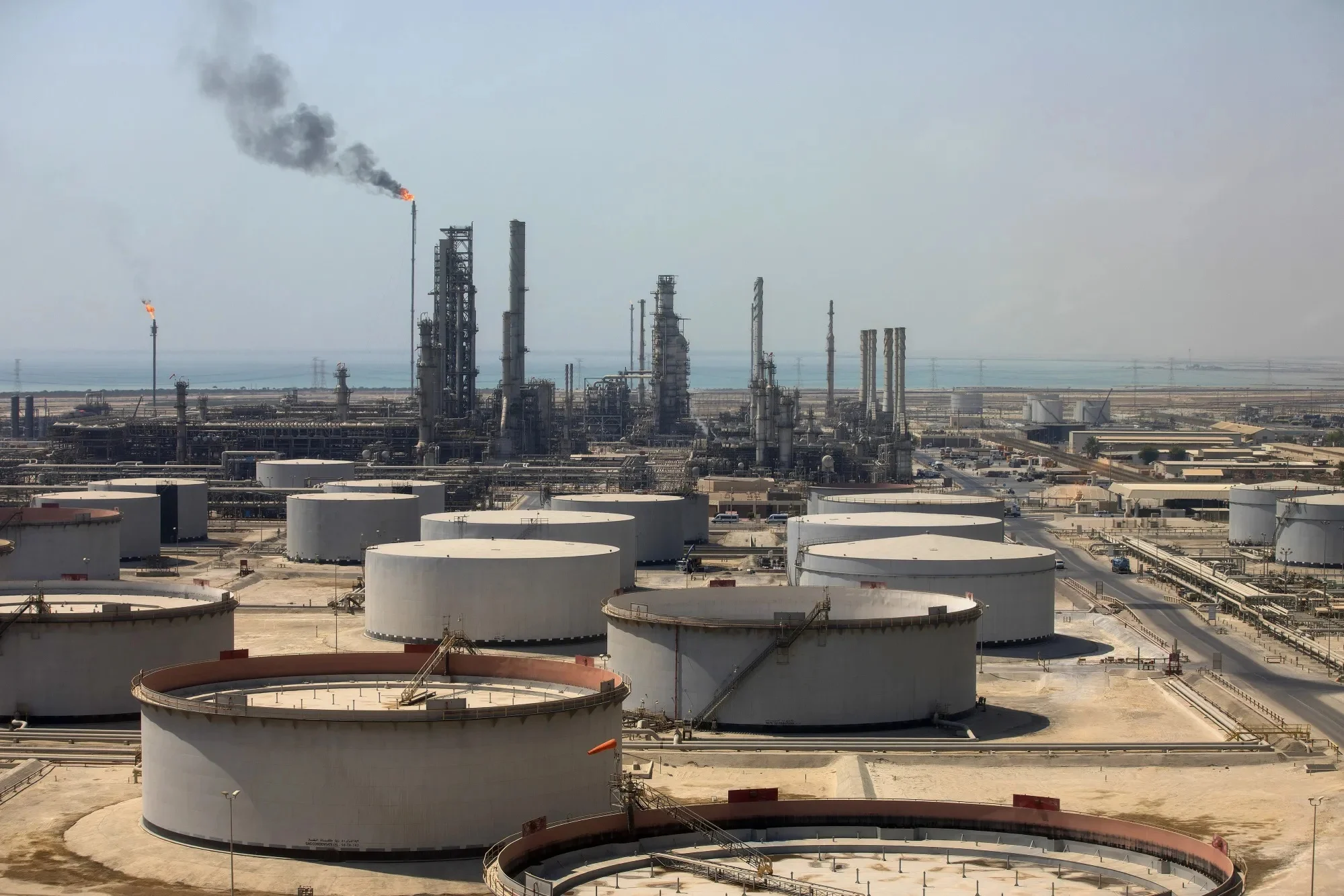
Higher oil prices translate directly into increased production costs and, ultimately, higher vehicle prices for consumers. AlixPartners estimates that the ongoing uncertainty could push manufacturers to reassess logistics routes, potentially shifting loads to longer, more expensive passages around the Arabian Peninsula.
European factories have not yet reported shutdowns, but their dependence on sea‑borne shipments of semiconductors, battery materials and high‑value components makes them vulnerable. Any prolonged closure of the Hormuz passage could ripple through the entire supply chain, inflating prices for everything from engine blocks to infotainment systems.

Regional impact on sales and deliveries
Bernstein’s latest analysis warns that the conflict could directly affect vehicle deliveries and sales in the Middle East. Chinese manufacturers feel the heat most acutely: Chery derives about 12 % of its global sales from the region, followed by SAIC Motor (11 %) and Great Wall Motor (6 %). A slowdown in demand or logistical hurdles could erode their growth momentum.
What’s happening on the ground?
On 2 March, Iran’s Revolutionary Guard reported that a fuel tanker was set ablaze after being hit by two drones in the strait, prompting a temporary closure and a warning that any vessel attempting to pass could be fired upon.
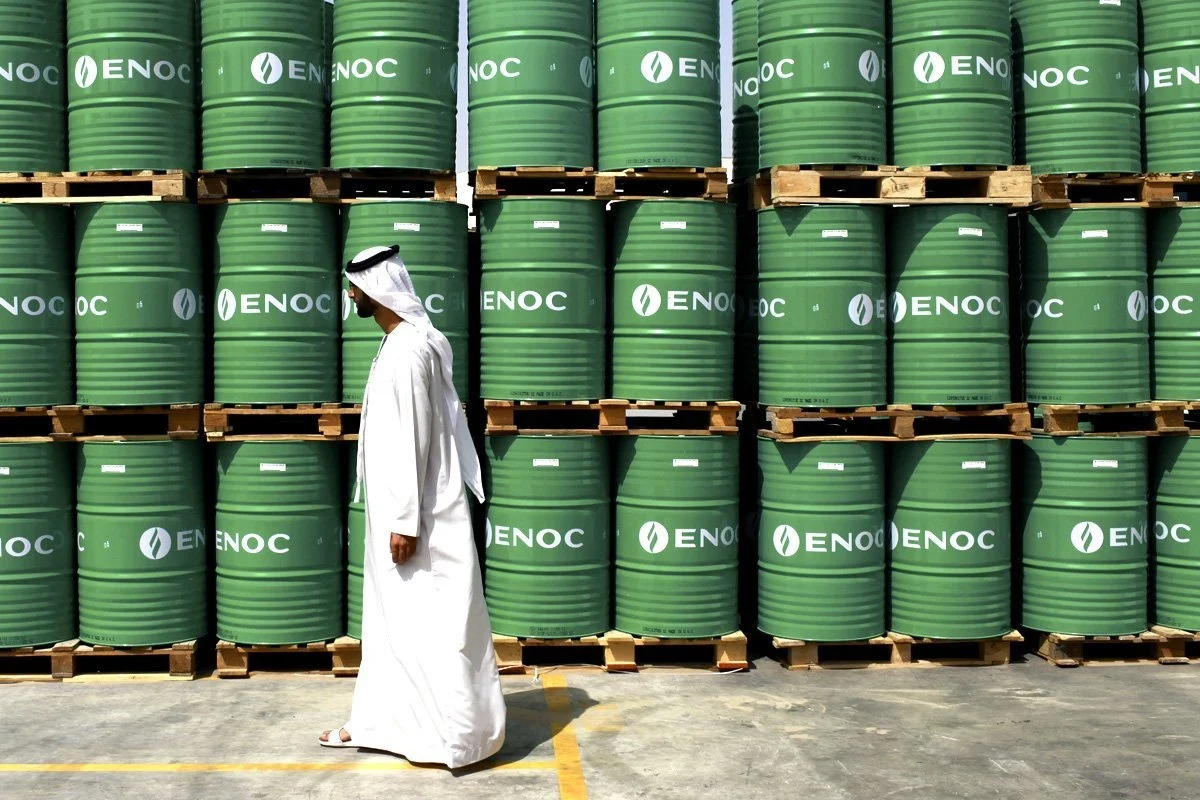
Crude prices jumped nearly 7 % on the same day, briefly topping US$82 per barrel before easing to around $78. Some analysts project that, if fighting persists into late March, prices could breach the $100 per barrel mark.
U.S. gasoline prices, however, have remained relatively stable. The AAA reports the national average for regular unleaded stayed just under $3 per gallon on 2 March, a rise of less than one cent from the previous week.

Broader economic implications
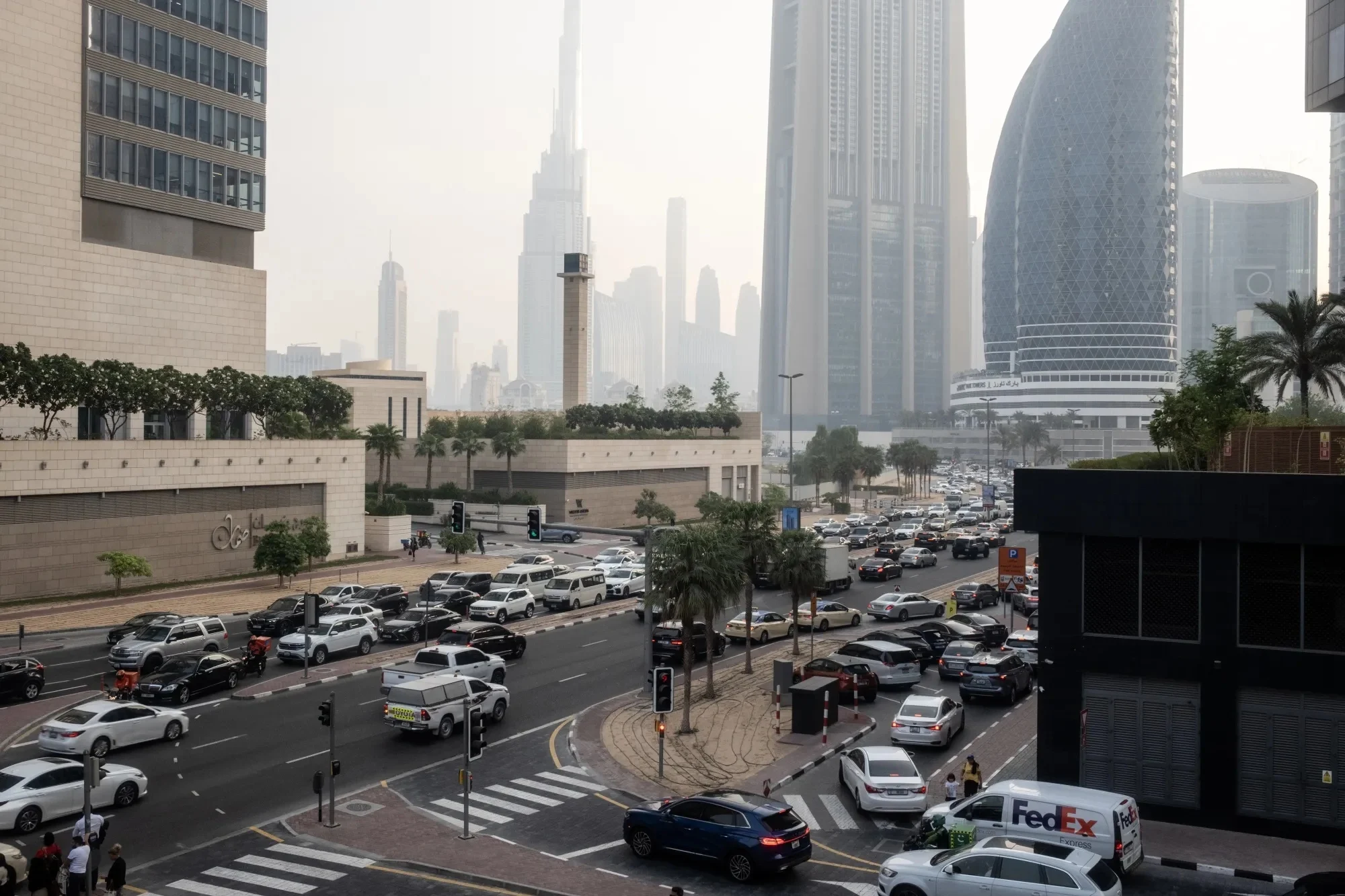
David Whiston of Morningstar Research Services notes that transportation disruptions could amplify an already fragile affordability crisis for car buyers, pushing inflation higher in auto production costs already strained by tariffs.
He adds that a prolonged conflict could force businesses to freeze spending, dampening growth, and potentially ushering in a recessionary environment with job cuts across the sector.
What manufacturers can do now
Industry leaders are scrambling to diversify routing options, increase inventory buffers and explore alternative sourcing of raw materials. Dan Hearsch, global co‑head of automotive and industrial at AlixPartners, cautions that “the uncertainty in the region creates a cascade of unpredictable effects. Automakers must factor in route‑change risks and possible cost spikes into their planning.”
While no single measure can fully offset the fallout, a combination of strategic stockpiling, logistical flexibility and close monitoring of geopolitical developments will be essential for the sector to weather this latest storm.
Looking ahead
The automotive world has already endured a tumultuous decade. Another geopolitical shock from the Middle East could test the resilience of the entire production and consumption ecosystem. Companies that adapt quickly may safeguard margins and maintain market confidence, while those caught off‑guard risk seeing sales dip, costs soar, and supply lines fragment.
Stay informed on how the situation evolves and discover practical steps your business can take to mitigate risk.