
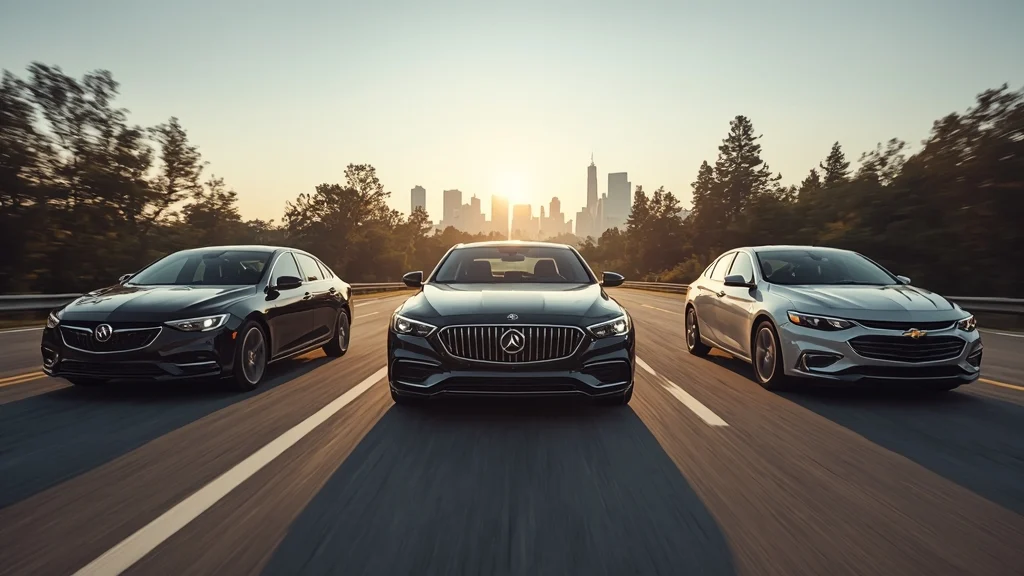
Discover the 2026 most reliable car brands, with a surprise: luxury models see higher fault rates. Find out which cars top the JD Power study. Read on.
Industry‑Wide Reliability Takes a Hit
JD Power’s latest 2026 reliability survey shows a noticeable rise in problems after three years of ownership. Across all segments, the average error count climbed by two faults per 100 vehicles, reaching a PP100 score of 204. In JD Power’s methodology, a lower PP100 figure signals higher reliability, so the industry as a whole is slipping.
Luxury Segment Struggles More Than Expected
While premium marques have traditionally set the benchmark for durability, this year they recorded the highest fault rates. The luxury‑car segment averaged 217 PP100 points—eight points higher than in 2025. The widening gap between premium and mass‑market models suggests that high‑end vehicles are now more prone to issues than their everyday counterparts.
Top Performers in the Mass‑Market Segment
Among mainstream brands, Buick leads the pack with a solid 160 PP100 score, followed closely by Mini (168) and Chevrolet (178). These figures place them well above the industry average, although owners still voice concerns about smartphone connectivity.
- Buick – 160 PP100
- Mini – 168 PP100
- Chevrolet – 178 PP100
Common Complaints: Connectivity & Exterior Noise
JD Power reports that nearly half of all complaints in the infotainment category revolve around phone pairing, Bluetooth glitches, wireless‑charging performance, and the integration of factory apps. Outside the cabin, owners cite unusual rattles and exterior‑panel noises as additional pain points.
Model‑Level Standouts
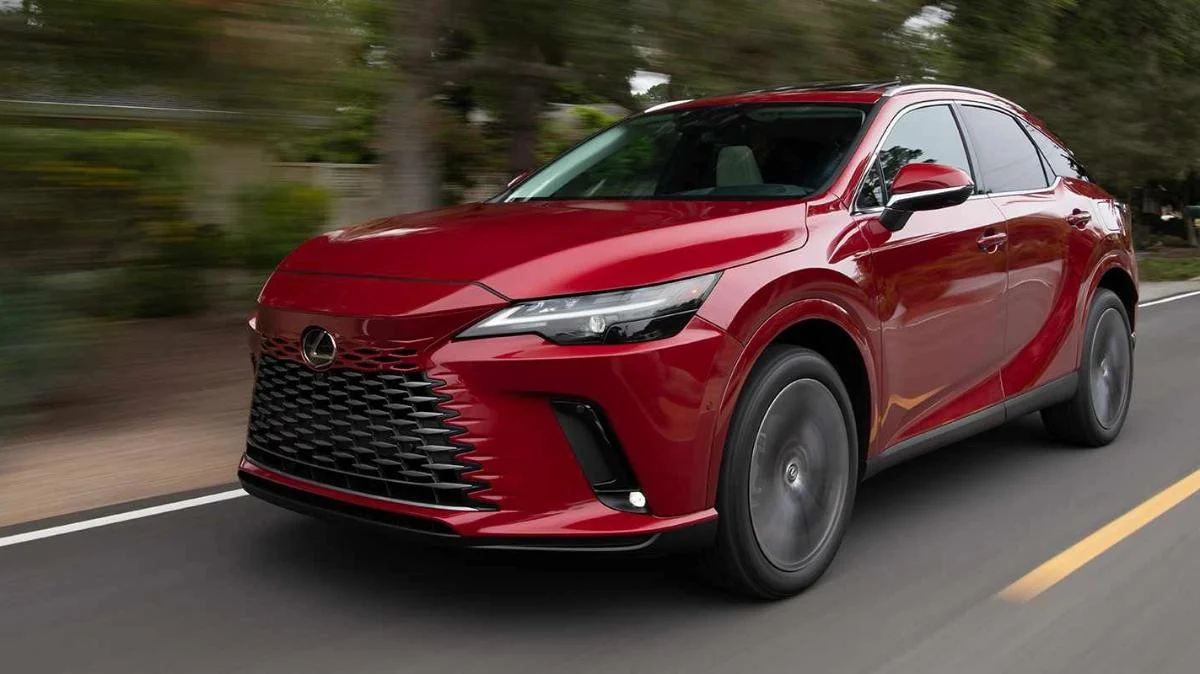
When the data is broken down by specific models, a handful of vehicles shine:
- Toyota Corolla
- Toyota Camry
- Subaru Crosstrek
- Chevrolet Equinox
- Ram 1500
These models consistently posted some of the lowest PP100 scores, reinforcing their reputation for long‑term dependability.
Industry Insight: Technology vs. Reliability
Motor1 notes that the push for ever‑more advanced tech does not automatically translate to a better ownership experience. Issues such as poor wireless‑charging efficiency and fragmented app ecosystems are growing concerns, especially as consumers expect seamless integration.
The emerging question for automakers is whether to slow the rollout of new software features and focus first on perfecting core mechanical and electronic reliability before adding another layer of “smart” functionality.
What This Means for Buyers
For shoppers seeking the most reliable car brands in 2026, the data suggests a strategic approach: prioritize proven mass‑market models with strong reliability scores, and be cautious with premium vehicles that may carry higher fault rates despite their luxury appeal.