

Rising tensions between Dutch chipmaker Nexperia and its Chinese unit could spark a semiconductor shortage, jeopardizing auto production. Learn more now.
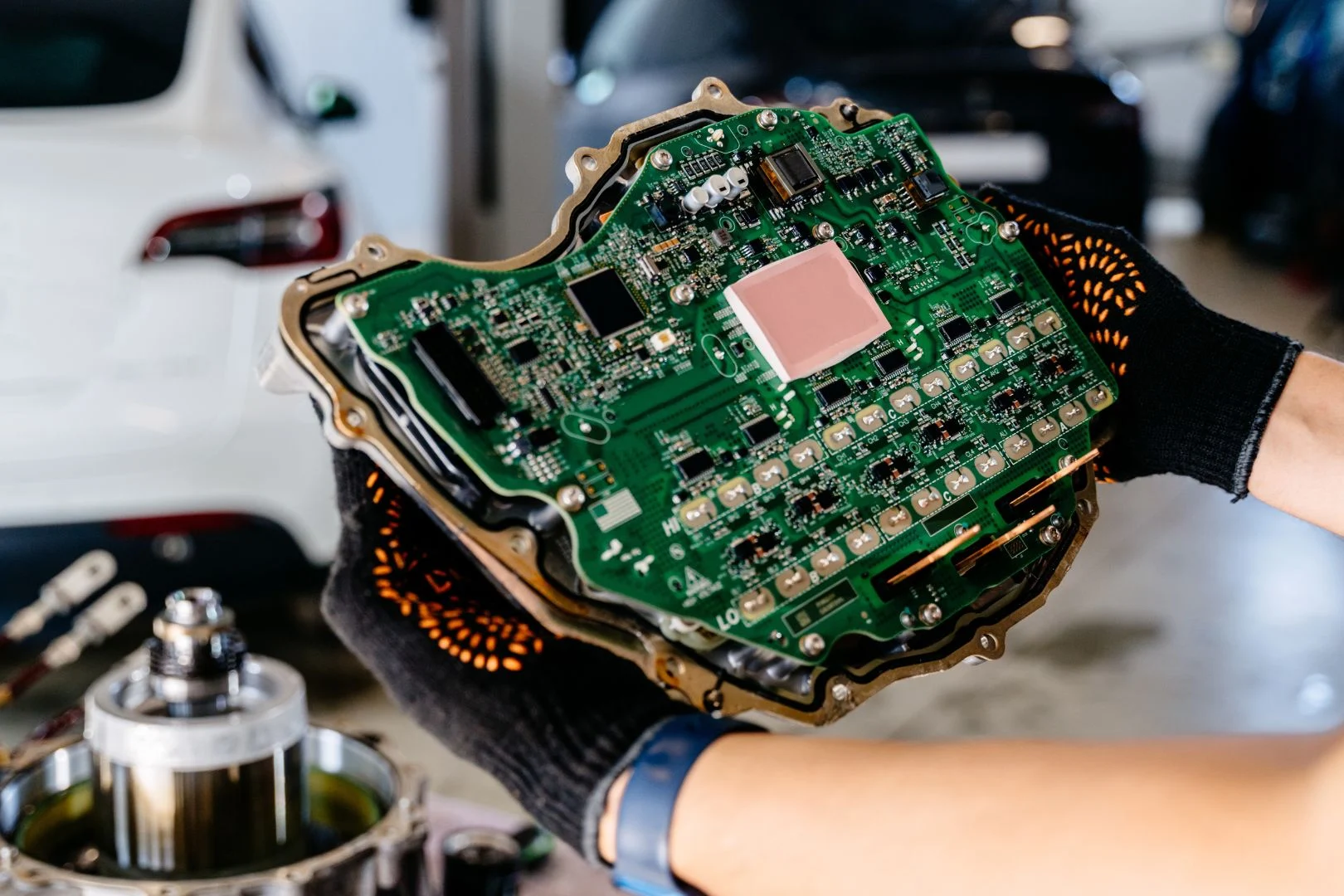
Tensions between Dutch semiconductor leader Nexperia and its Chinese subsidiary have escalated, prompting Beijing to warn of a fresh global chip supply crisis that could hit the automotive sector hard.

Background of the dispute
In late 2025 the Dutch government seized control of Nexperia from its Chinese parent, Wingtech, after a series of ownership battles. The move stripped Wingtech of its voting rights, a step supported by Dutch officials but fiercely resisted by the Chinese branch, which demanded the restoration of its control.

Chinese Ministry of Commerce warning
China’s Ministry of Commerce issued a stark alert, stating that renewed friction between Nexperia’s head office in the Netherlands and its Chinese unit could disrupt production lines and reignite the worldwide chip shortage that has plagued manufacturers for years.
Potential impact on the automotive industry
Nexperia’s chips are embedded in numerous vehicle electronic systems, from power management to driver‑assistance modules. The automotive sector already felt the strain in October 2025 when Beijing imposed export controls on Chinese‑made micro‑circuits, choking global car assembly lines.
Current standoff and diplomatic efforts
Accusations fly both ways: the Dutch headquarters claims the Chinese side sabotaged internal IT accounts, while the Beijing office says the Netherlands halted wafer deliveries to the Guangdong plant. Mediation attempts by the Dutch government, the EU, and Chinese authorities have so far produced no clear breakthrough.
What could happen next?
If the deadlock continues, producers worldwide may face further component shortages, prompting car makers to scramble for alternative suppliers. Stakeholders are watching closely for any resolution that could stabilise the semiconductor supply chain and prevent a deeper economic ripple.