
Nissan ends US production of the Versa, ending the sub‑$20,000 sedan segment. Discover what alternatives remain and why the change matters. Read more.
In a move that reshapes the budget‑car landscape, Nissan announced on December 23, 2024 that it will cease production of the 2025 Versa for the United States market. With a starting price of just $17,390, the Versa was the last truly affordable new‑car offering under $20,000 on American shores.
Why Nissan Said Goodbye to the Versa
The Japanese automaker frames the decision as part of a broader product‑strategy shift rather than a surprise. While Nissan will continue to sell the Sentra and Altima in the sedan segment and the Kicks compact SUV, the company is trimming models that no longer meet its profitability targets.
Warning Signs from Earlier Reports
Industry analysts have been flagging the Versa’s shaky future for years. A 2023 market study described both the Versa and the Altima as “surviving on luck.” The Altima managed to earn a short‑term reprieve until 2026, but the Versa was not so fortunate.
The $20,000 Segment Vanishes
With the Versa’s exit and Mitsubishi’s earlier withdrawal of the Mirage, the sub‑$20,000 new‑car segment is effectively dead in the United States. Nissan’s cheapest new model is now the older‑generation Kicks Play, priced at $22,910 – a vehicle that could also be phased out in the near future.
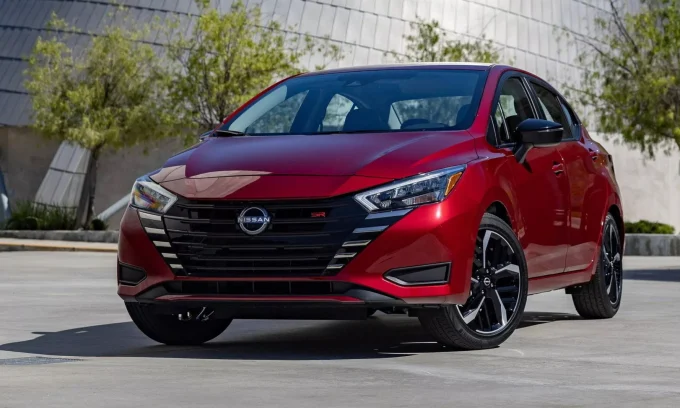
What Buyers Can Choose Now
- Sentra: Starts at $23,845 – the least expensive sedan still in Nissan’s US lineup.
- Kicks (new generation): Starts at $23,925 – the entry‑level SUV offering.
- Hyundai Venue (2026 model): $22,150 – currently the cheapest brand‑new car in the market.
- Kia K4: $23,385 – the most affordable new sedan from another mainstream brand.
All of these options sit a few thousand dollars higher than the former Versa price point, marking a rapid price inflation in the entry‑level market.
Global Perspective: The Versa Lives On
Interestingly, Nissan has not discontinued the Versa worldwide. The next‑generation model is still in production and appears to be aimed at Latin American markets, where cost‑conscious buyers still demand a sub‑$20,000 sedan.
Taxes and Tariffs: A Hidden Cost
One key reason the Versa cannot survive in the U.S. is the tariff burden. Both the current and 2026‑redesigned Versa are built in Nissan’s Mexican plants, meaning they are subject to import duties that push the final price well beyond what the U.S. budget‑car market can tolerate.
What This Means for the U.S. Auto Landscape
The disappearance of the Versa underscores a broader trend: manufacturers are pulling back from the low‑price segment as regulatory costs, safety standards, and tariffs make it harder to keep prices low. Consumers seeking an affordable new car now face higher entry points, or must turn to used‑vehicle markets.
Conclusion
As Nissan finalizes the Versa’s exit, the era of brand‑new U.S. cars under $20,000 looks to be over. Buyers will need to adjust expectations, consider slightly pricier alternatives, or explore international models that may still fit tighter budgets. Keep an eye on how other makers respond – the next wave of affordable mobility could come from electric sub‑compact SUVs or innovative pricing strategies.