
Discover the revamped Peugeot 408 with sleek LED headlights, fresh interior, and efficient hybrid and plug‑in powertrains delivering as low as 5 L/100 km. Learn more now!
At the Brussels Motor Show, Peugeot unveiled a dramatically refreshed version of the 408, targeting drivers who crave style, technology, and low‑fuel consumption. The facelift brings a cleaner silhouette, brand‑new LED lighting, and a trio of electrified powertrains – pure‑electric, plug‑in hybrid, and conventional hybrid.
Sharper Front End and Modern Light Signature
The most obvious change is the departure from the traditional “lion’s nose” grille. Peugeot replaces it with a sleek, layered LED matrix that stretches across the bumper. Three slim daytime‑running light strips double as dynamic turn signals, while the main headlamp cluster sits lower behind a glossy black surround, giving the front a more unified, aerodynamic look.
The new radiator grille features an expressive, sculpted frame punctuated by vertical LED strips reminiscent of the Skoda Enyaq EV. High‑trim models also hide the illuminated lion emblem behind a rear‑mounted radar, further streamlining the nose.
Rear Redesign and New Wheel Options
At the rear, the familiar 408 silhouette stays intact, but the traditional badge is swapped for a glowing “Peugeot” wordmark – a first for the brand. Updated tail lights incorporate blacked‑out accents, and the car now rides on fresh alloy wheels ranging from 17‑inch to 20‑inch sizes. A new paint finish called “Flare Green” shifts from bright yellow in direct sunlight to a deep teal in shade, adding a touch of personality.
Interior Enhancements
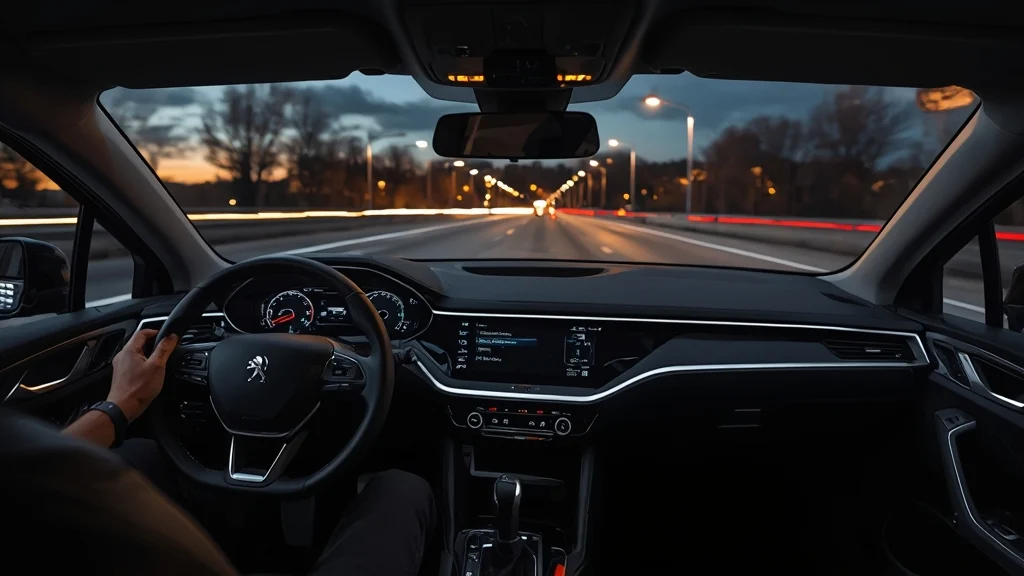
Inside, Peugeot focuses on refinement rather than a complete overhaul. Higher‑grade upholstery and soft‑touch surfaces replace older plastics, while a new 10‑inch digital instrument cluster delivers crisp graphics. The familiar 10‑inch central infotainment screen remains, offering the same familiar interface with upgraded software.
Electrified Powertrains
E‑408 Pure Electric: Powered by a 58.2 kWh NMC battery paired with a 210 hp motor delivering 343 Nm of torque, the E‑408 achieves a WLTP‑estimated range of about 456 km. New features include a pre‑conditioning system that warms the battery before charging in cold weather, and an automatic activation of this function during a navigation‑guided charge stop on the GT trim.
Additional conveniences are Plug & Charge (no manual authentication required) and Vehicle‑to‑Load, which can supply up to 3.5 kW to external devices. Owners can also set the home‑charging limit to 80 % to prolong battery lifespan.
Plug‑In Hybrid: Combines a 178 hp gasoline engine with a 123 hp electric motor, a 14.6 kWh lithium‑ion pack, and a 7‑speed dual‑clutch gearbox. The system produces a combined 237 hp and can travel up to roughly 85 km on electric power alone.
Standard Hybrid: Uses a 143 hp petrol engine mated to a 6‑speed dual‑clutch unit with integrated electrification. Peugeot claims a WLTP fuel consumption of about 5 L/100 km, making it one of the most efficient models in its segment.
Why It Matters for the Global Market
The suite of updates positions the 408 as a compelling option for markets demanding both style and sustainability. Its low‑fuel‑consumption hybrid variants, alongside a fully electric model with a respectable range, could make a strong case for introduction to regions such as Vietnam, where fuel efficiency is a key buying factor.
With a fresher design, cutting‑edge lighting, and a clear electrification strategy, the new Peugeot 408 aims to attract a new generation of drivers looking for a versatile, eco‑friendly sedan.