
A new Fraunhofer study reveals plug‑in hybrids consume nearly four times more fuel than WLTP claims, mainly because owners rarely charge. Learn the full findings now.
Plug‑in hybrid electric vehicles (PHEVs) have long been marketed as the sweet spot between conventional hybrids and pure battery‑electric cars: they promise city‑level fuel savings while keeping range anxiety at bay on long trips. A fresh study from Germany’s Fraunhofer Institute, however, shows that real‑world fuel use is dramatically higher than the numbers car makers and regulators publish.
Study Overview
The research analyzed onboard fuel‑consumption data (OBFCM) from more than 981,000 PHEVs produced between 2021 and 2023. By tapping into wireless telemetry from vehicles already on the road, the team captured the most extensive, real‑world dataset ever assembled for plug‑in hybrids.
Lab vs. Real‑World Numbers
According to the WLTP laboratory test, the average PHEV should sip about 1.57 L per 100 km. In practice, the same fleet recorded an average of 6.12 L per 100 km—a rise of roughly 3.8 times the official figure.
The gap widens further when the vehicle runs in “charge‑depleting” mode, where the electric motor is supposed to dominate before the internal‑combustion engine kicks in. Instead of the low consumption expected, the study found a real‑world average of 2.98 L per 100 km in this mode—nearly double the claimed blended figure.
The Charging Gap
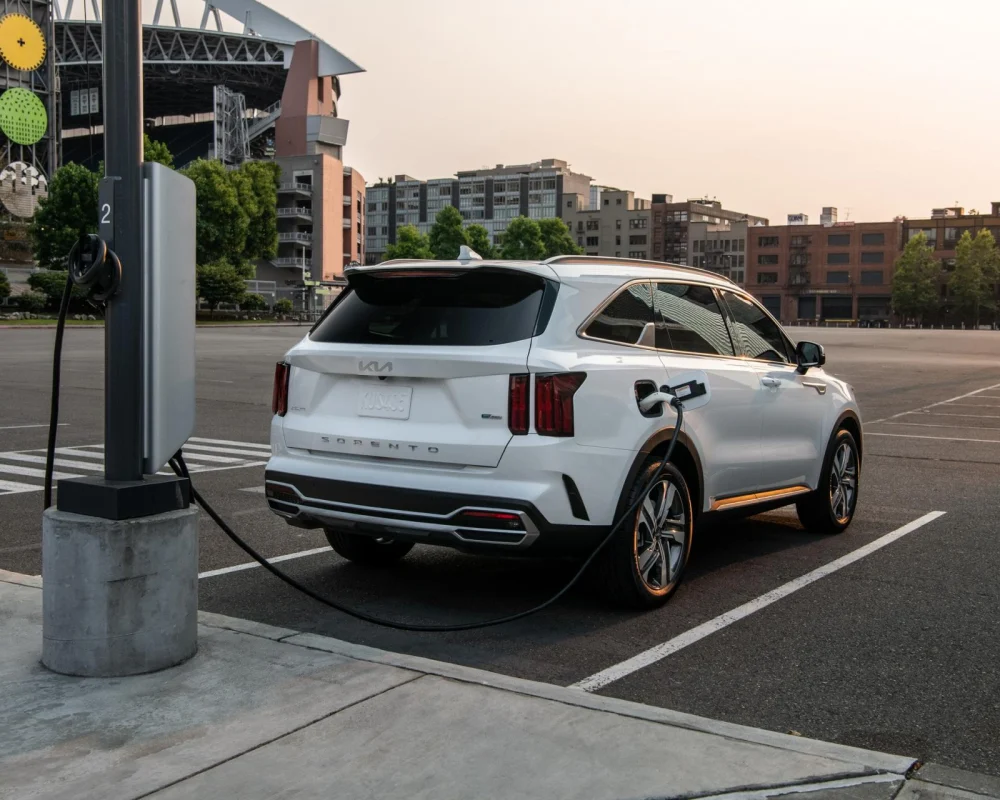
The primary culprit? Owners are not charging the battery as often as the test assumptions require. While WLTP calculations assume that PHEVs travel 70‑85% of their distance on electric power, the data shows most drivers achieve only 45‑49% electric‑only mileage. For company‑fleet vehicles, the figure drops even lower, to about 11‑15%.

When the battery runs low, the gasoline engine compensates, dramatically increasing fuel burn. The extra weight of a large battery also adds to the consumption penalty when the car behaves more like a conventional hybrid.
Brand Variations
Not all PHEVs are equal. Luxury models, especially those from German manufacturers, posted some of the highest real‑world consumption numbers—approaching 7 L per 100 km. By contrast, budget‑friendly PHEVs from brands such as Kia, Toyota, Ford, and Renault, when kept fully charged, routinely achieve under 1 L per 100 km under similar conditions.
What This Means for Drivers
If a PHEV isn’t regularly plugged in, it essentially reverts to a traditional hybrid (HEV) but carries the extra mass of an un‑utilized battery pack. The result is a vehicle that is heavier yet runs almost entirely on gasoline, inflating fuel use far beyond the paper‑based expectations.
For consumers, the takeaway is clear: to unlock the promised efficiency of a plug‑in hybrid, frequent charging is non‑negotiable. Otherwise, you may end up with a car that looks eco‑friendly on the brochure but costs more at the pump.
Looking Ahead
The Fraunhofer findings underscore the importance of aligning official test cycles with real‑world driver behavior. As governments tighten emissions standards and buyers become more fuel‑conscious, manufacturers may need to rethink how they present PHEV performance—or, better yet, design systems that encourage regular charging.