
Porsche’s 2025 sales fell 10% in Europe and China as the EV transition slows and new cyber‑security rules bite. Read the full analysis now.
Porsche reported a total of 279,449 vehicles sold worldwide in 2025, a 10% drop from the 310,718 units delivered in 2024. While the absolute figure remains respectable for a premium sports‑car maker, the decline highlights a set of challenges that are reshaping the German automaker’s strategy.
Why sales fell: a blend of market pressure and regulatory change
Analysts point to three main factors behind the slowdown. First, the transition to electric vehicles (EVs) is progressing more slowly than Porsche originally projected. The all‑electric Taycan, for example, saw registrations slip by 22% to just 16,339 units.
Second, economic headwinds in key markets have taken a toll. In China, the world’s largest luxury‑car market, Porsche’s deliveries dropped 26% to 41,938 cars amid tighter consumer spending and a broader slowdown in the automotive sector.
Third, new European cyber‑security regulations (UNECE R155/R156) forced the discontinuation of two internal‑combustion‑engine models – the 718 and the Macan – in the United Kingdom and the European Union. The current generations rely on an older electronic architecture that cannot be upgraded cost‑effectively to meet the new standards.
Regional performance: Europe and the United States
Excluding Germany, Porsche delivered 66,340 cars across the rest of Europe, a 13% decline year‑on‑year. Germany itself recorded 29,968 units, down 16%.
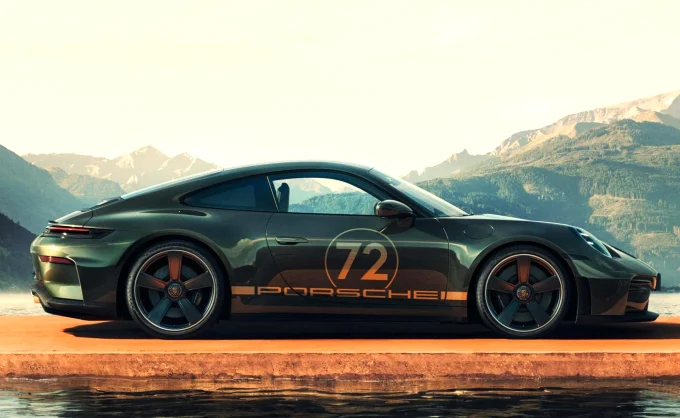
Despite the overall dip, the continent showed a bright spot: 57.9% of European sales were electrified models, with roughly a third being fully electric. Hybrid plug‑in versions of the Panamera and Cayenne accounted for a large share of the remaining electrified sales, indicating sustained interest in electrified performance cars.
In the United States, Porsche held firm. Deliveries tallied 86,229 vehicles – virtually unchanged from 2024 and surpassing the combined totals of Germany and China. While EVs made up 34.4% of global Porsche sales, internal‑combustion engines still dominate the U.S. market.
Model highlights: 911 stays strong, 718 wanes
The iconic 911 continued to attract buyers, with over 50,000 units sold in 2025 despite a base price of about $134,000. Its blend of heritage and performance remains a key revenue driver.
Conversely, the 718 lineup struggled, recording only 18,612 sales – a 21% drop as the model reaches the end of its production cycle.
Looking ahead: Porsche’s 2026 strategy
Matthias Becker, Porsche’s board member for sales and marketing, outlined a shift in focus for 2026. The company will prioritize value over sheer volume, fine‑tune its supply‑demand balance, and adopt a more realistic production plan now that the 718 and internal‑combustion Macan have been phased out.
In the short term, Porsche may roll out special‑edition variants based on existing platforms while it accelerates development of the next‑generation SUV and sports‑car line‑up. This transitional phase is seen as critical for the brand’s long‑term electrification goals.
Takeaway
Porsche’s 2025 results underscore the growing pains of a legacy automaker navigating an accelerated EV transition, tighter regulations, and uneven economic conditions across regions. The brand’s resilience in the U.S. and its growing electrified portfolio in Europe suggest that, with the right strategic adjustments, Porsche can regain momentum in the fast‑evolving premium‑car market.