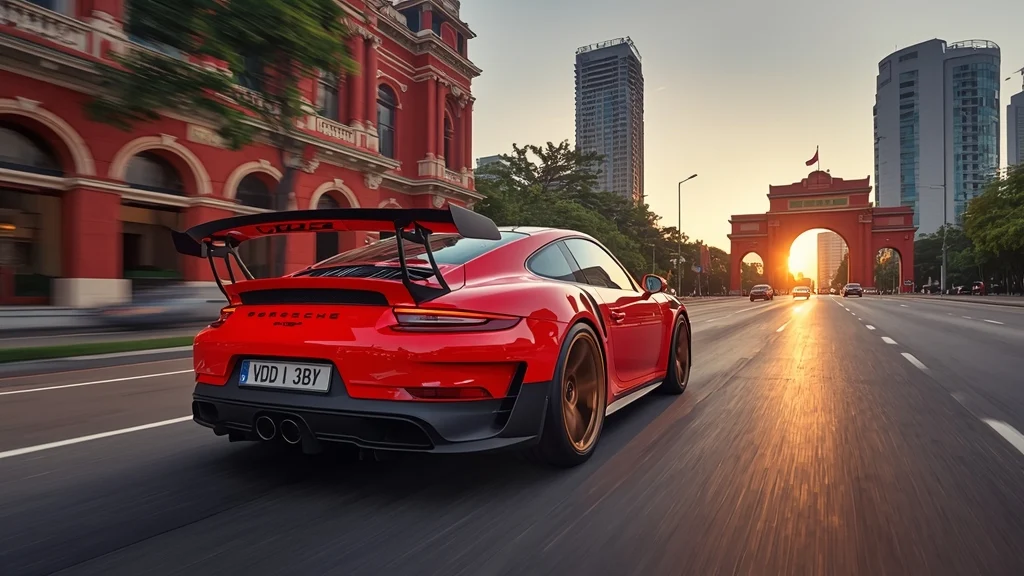
Discover the new Porsche 911 GT3 RS that just arrived in Vietnam, priced at VND 17.7 billion. Learn its specs, colors, and options – read more now!
Introduction
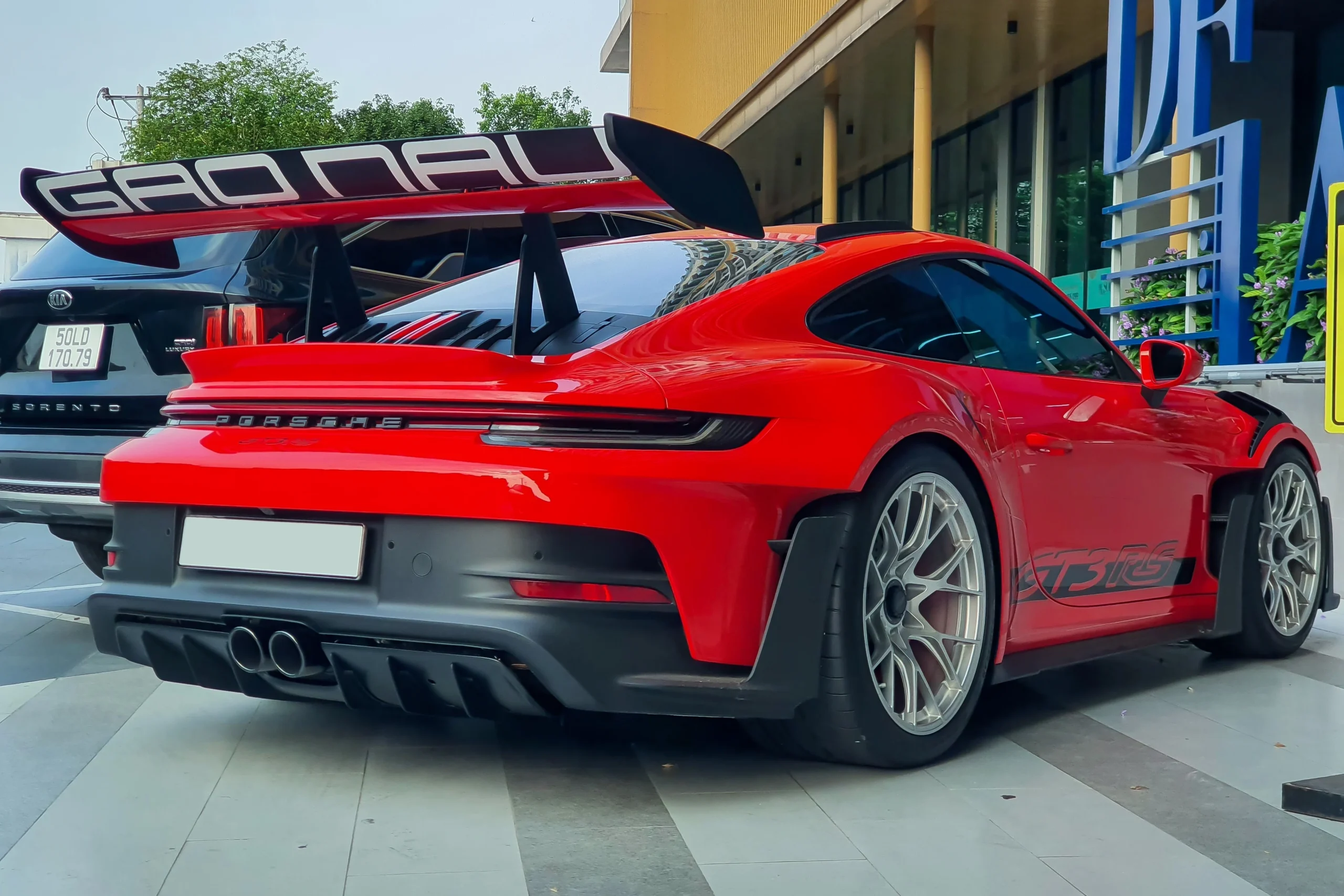
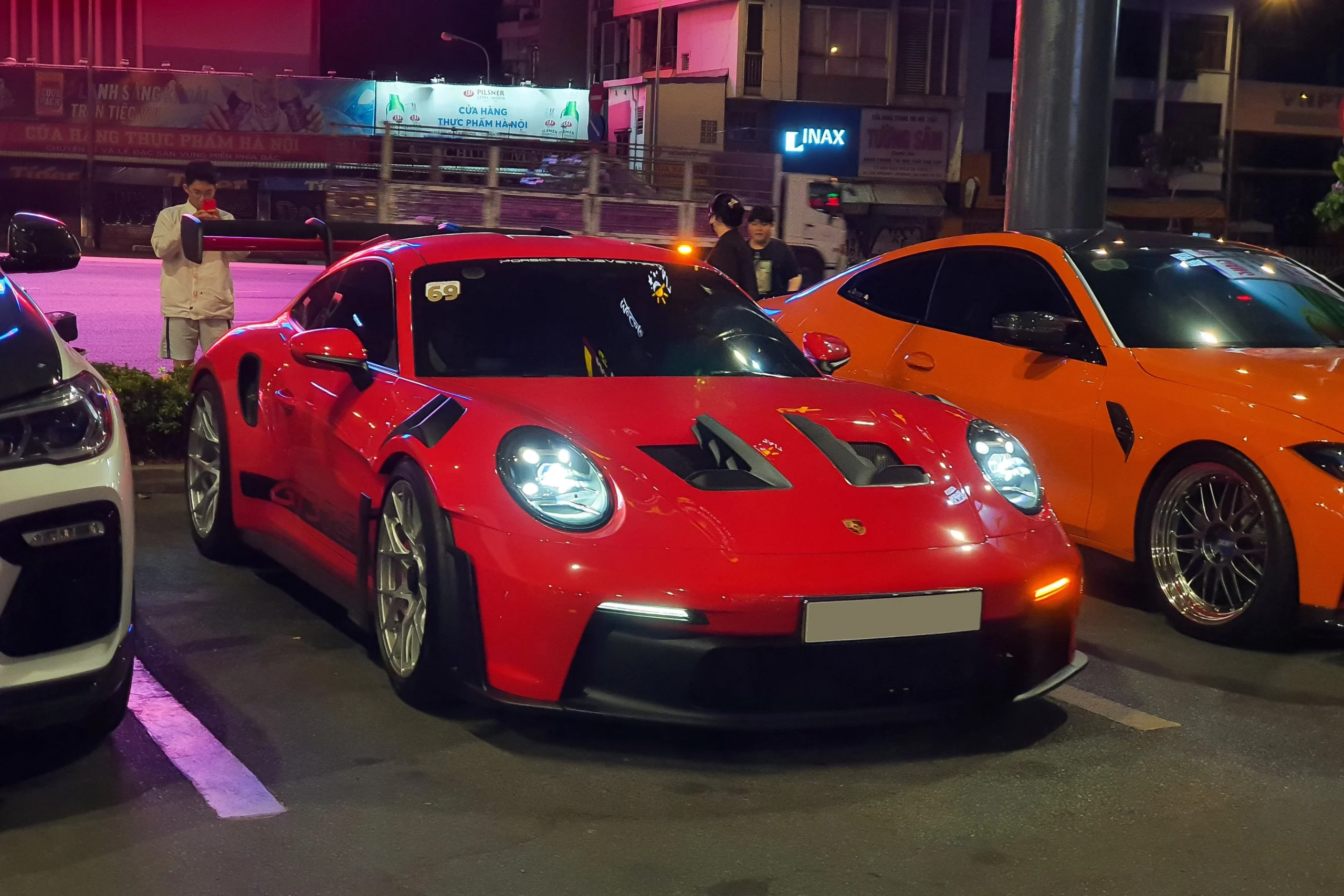
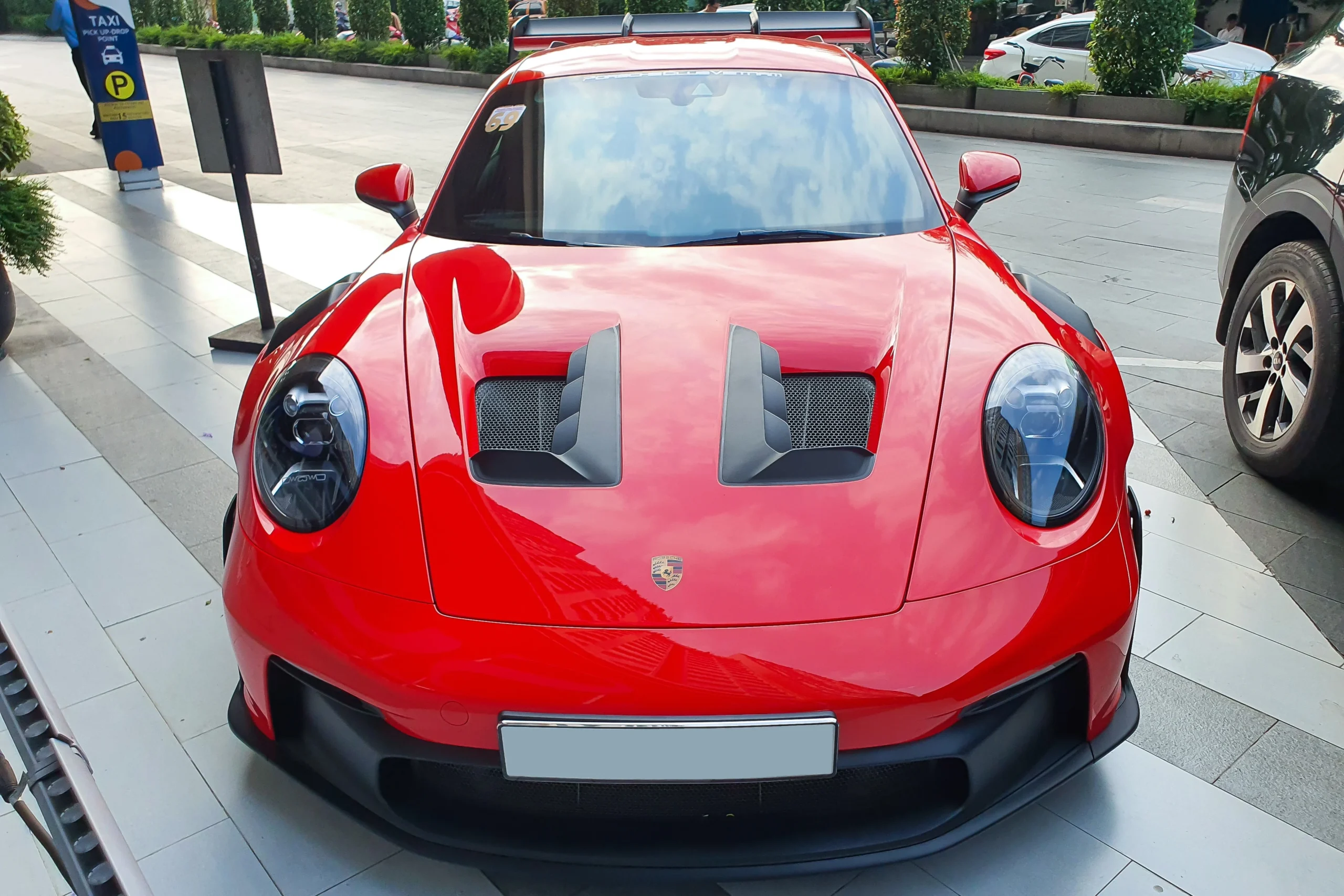
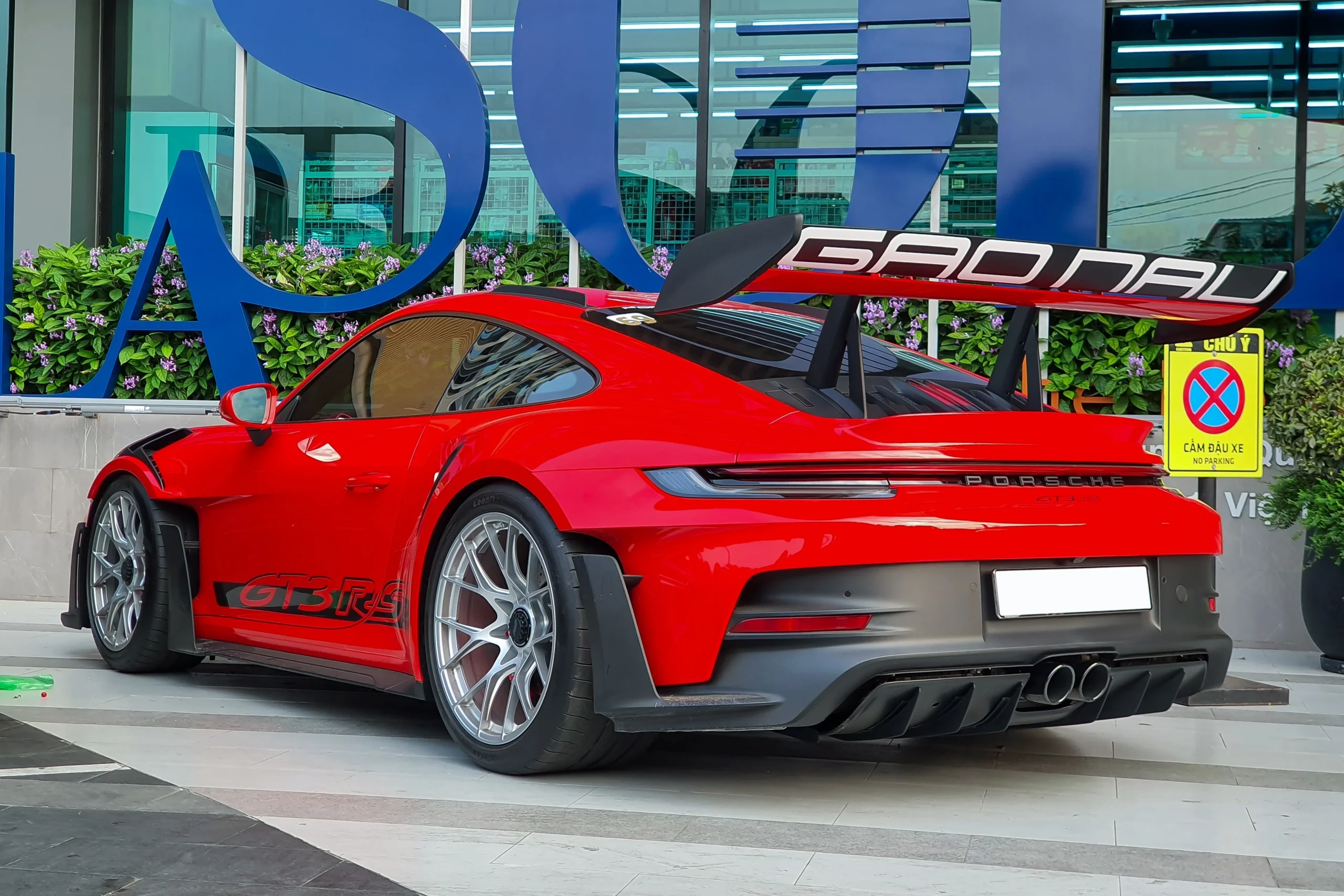
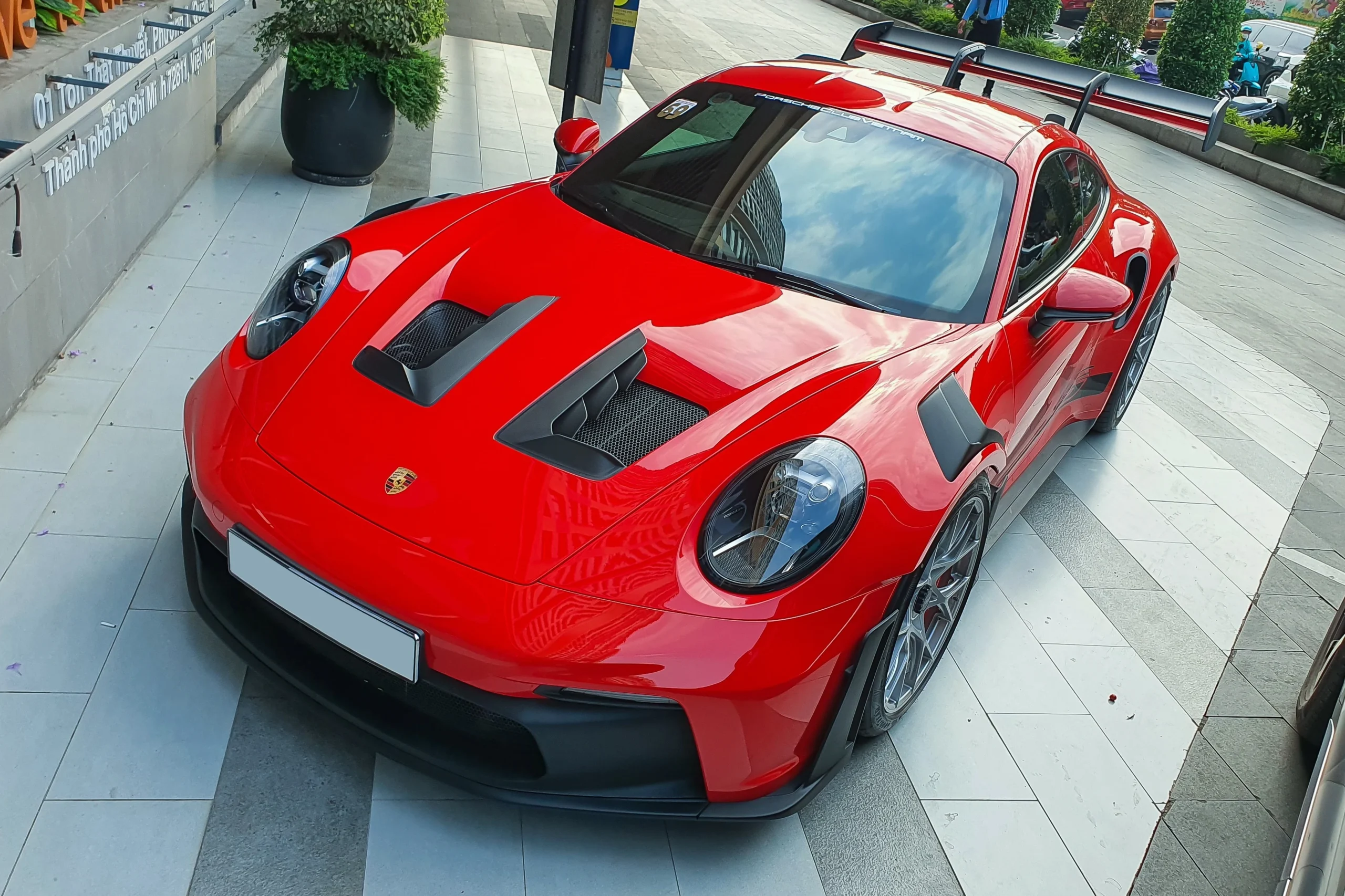
The newest generation of the Porsche 911 GT3 RS has turned heads in Ho Chi Minh City, cruising the streets in the iconic Guards Red paint. This marks the third GT3 RS to roll onto Vietnamese roads, and it carries a hefty price tag of roughly VND 17.7 billion (about USD 750,000). Enthusiasts and collectors are already buzzing about its race‑derived design, blistering performance, and exclusive customization options.
Design Language and Aerodynamics
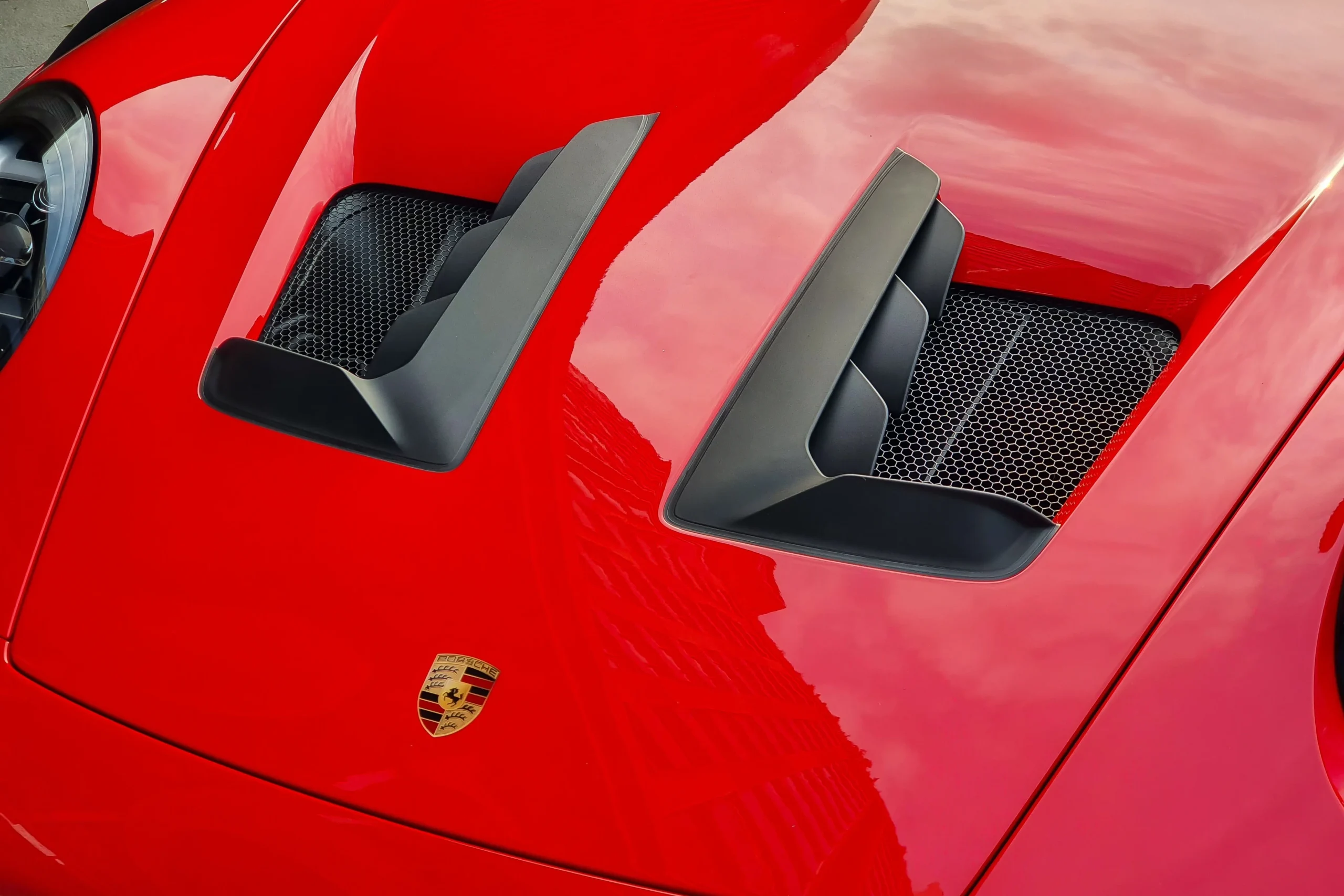
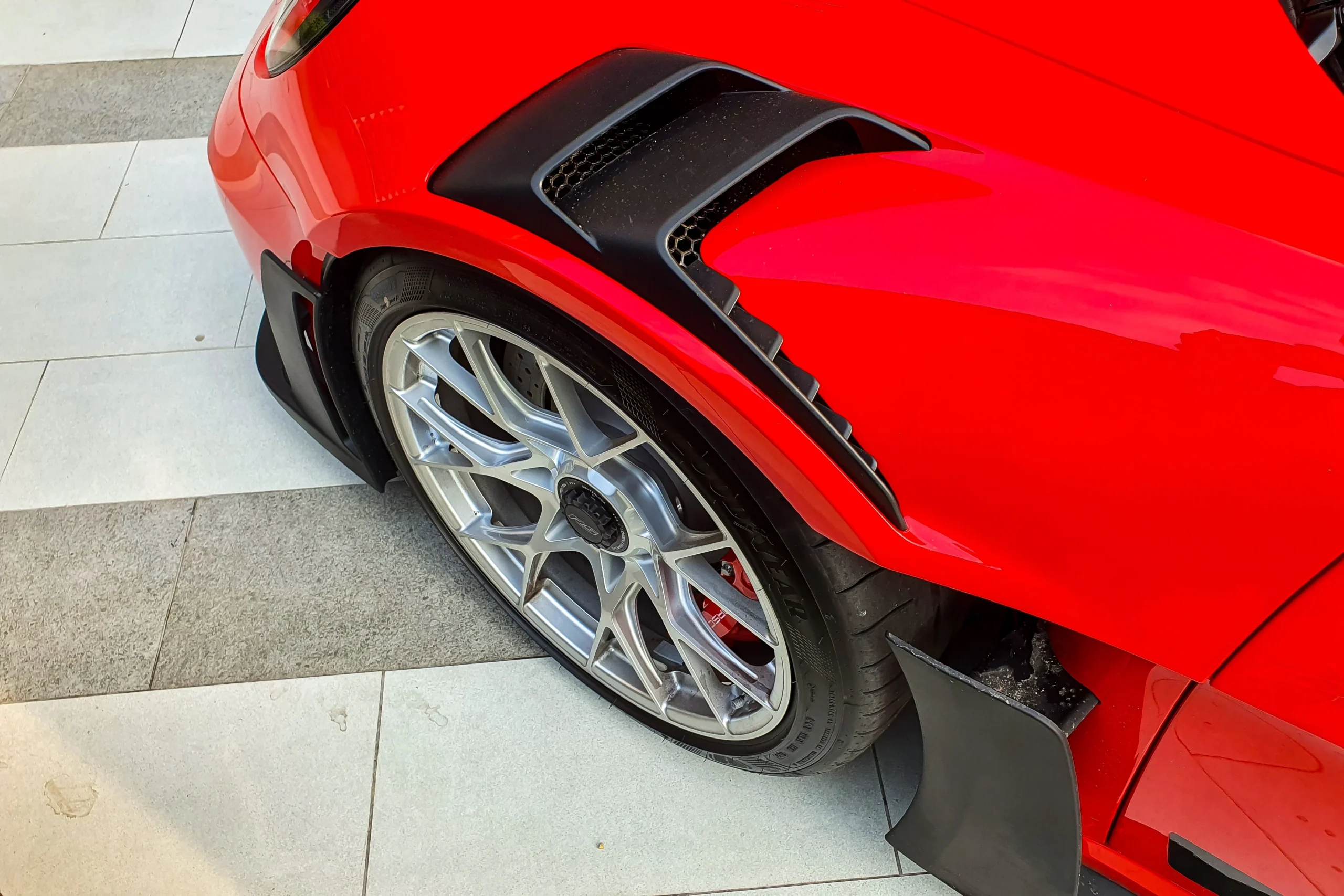
Unlike the more restrained 911 Carrera, the GT3 RS sports a wider stance, aggressive air intakes, and a pronounced rear wing that echoes Porsche’s 911 GT3 R and 911 RSR race cars. The front luggage compartment is replaced by a sophisticated cooling system borrowed from motorsport, ensuring the 4.0‑liter flat‑six engine stays in its optimal temperature window even under hard track use.
The car rides on ultra‑light 20‑inch front and 21‑inch rear multi‑spoke alloy wheels. Buyers can choose from three finish options: Pyro Red, Satin Black, or Indigo Blue, each adding an extra VND 40 million for the premium paint.
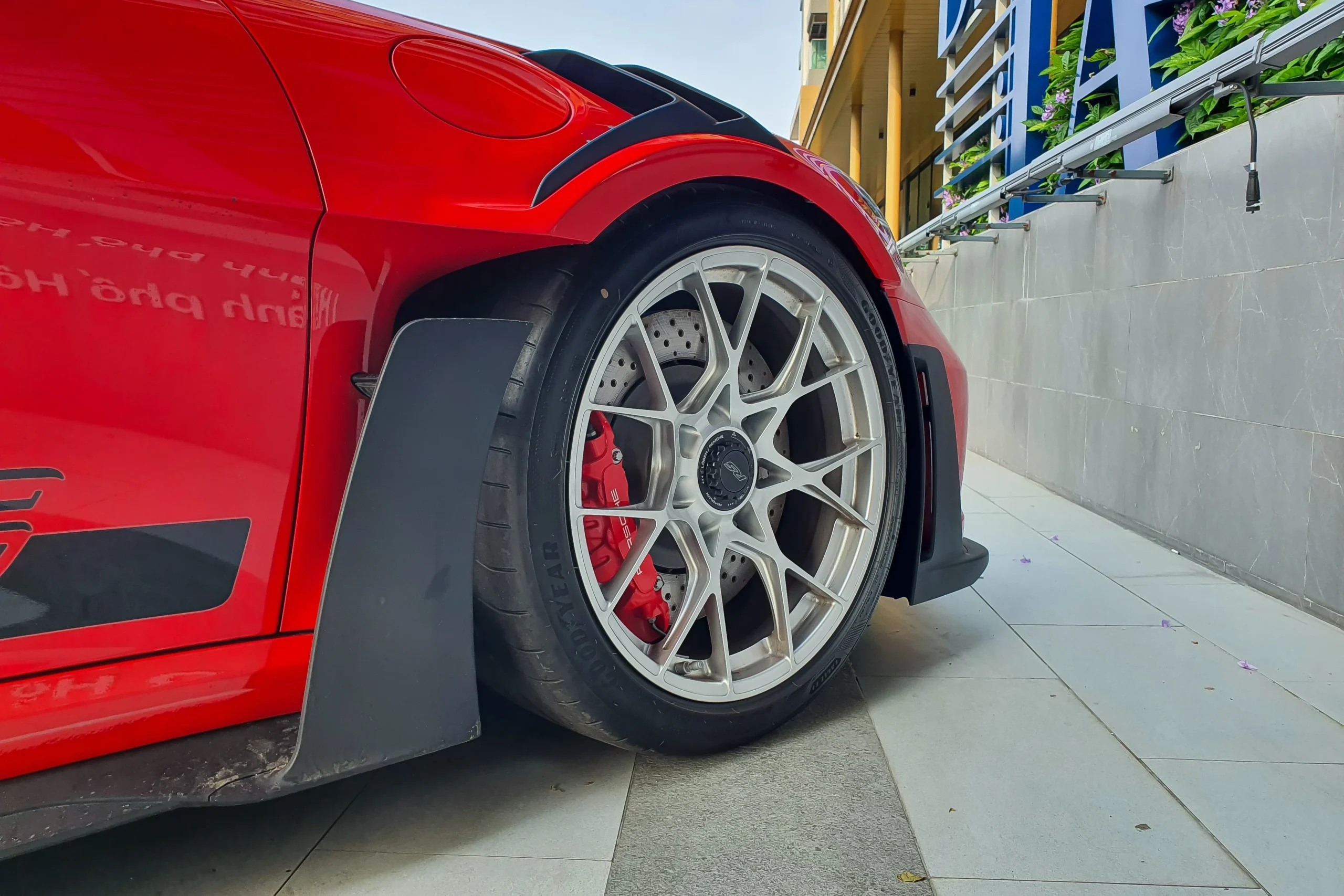
Signature Guards Red and GT3 RS Badging
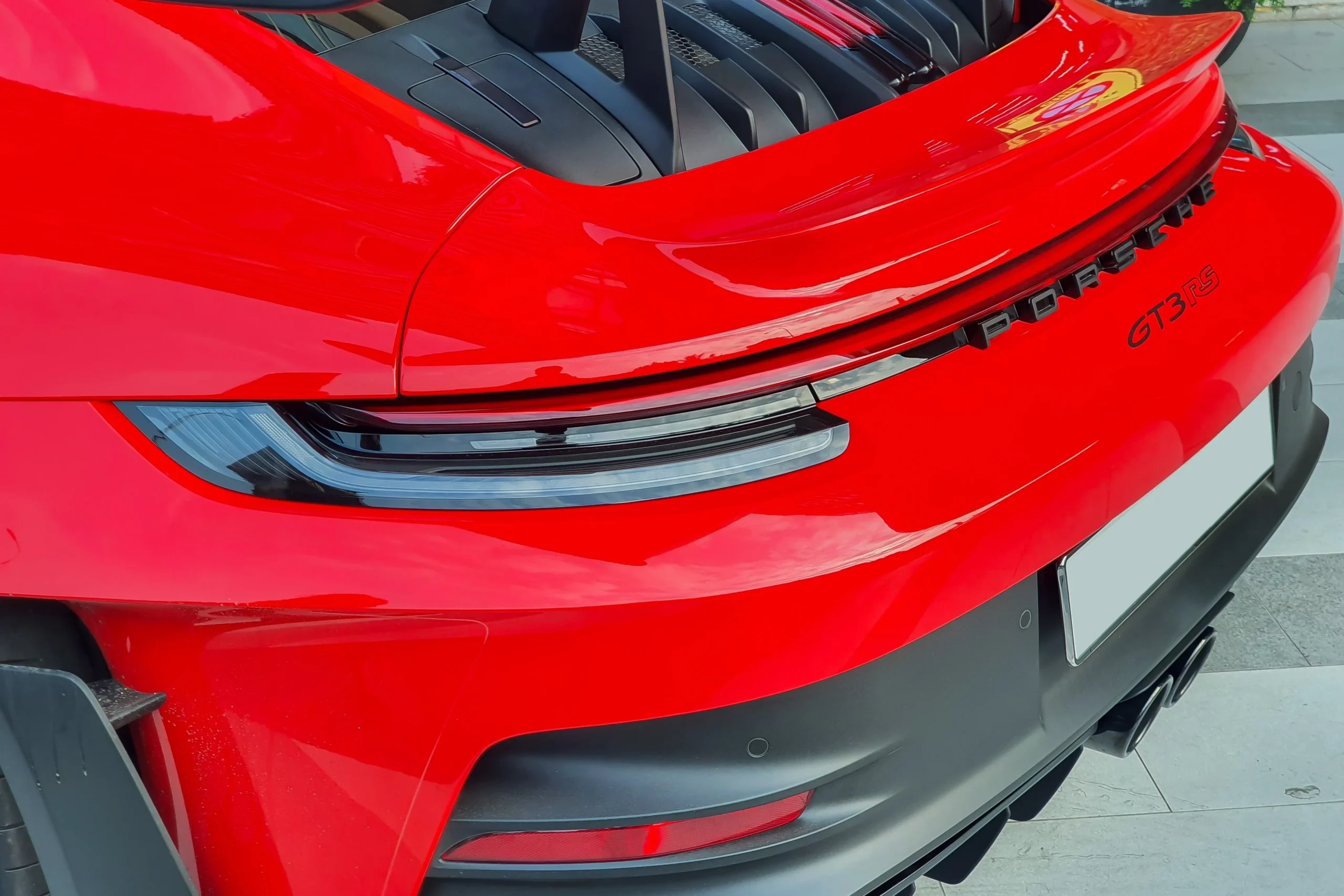
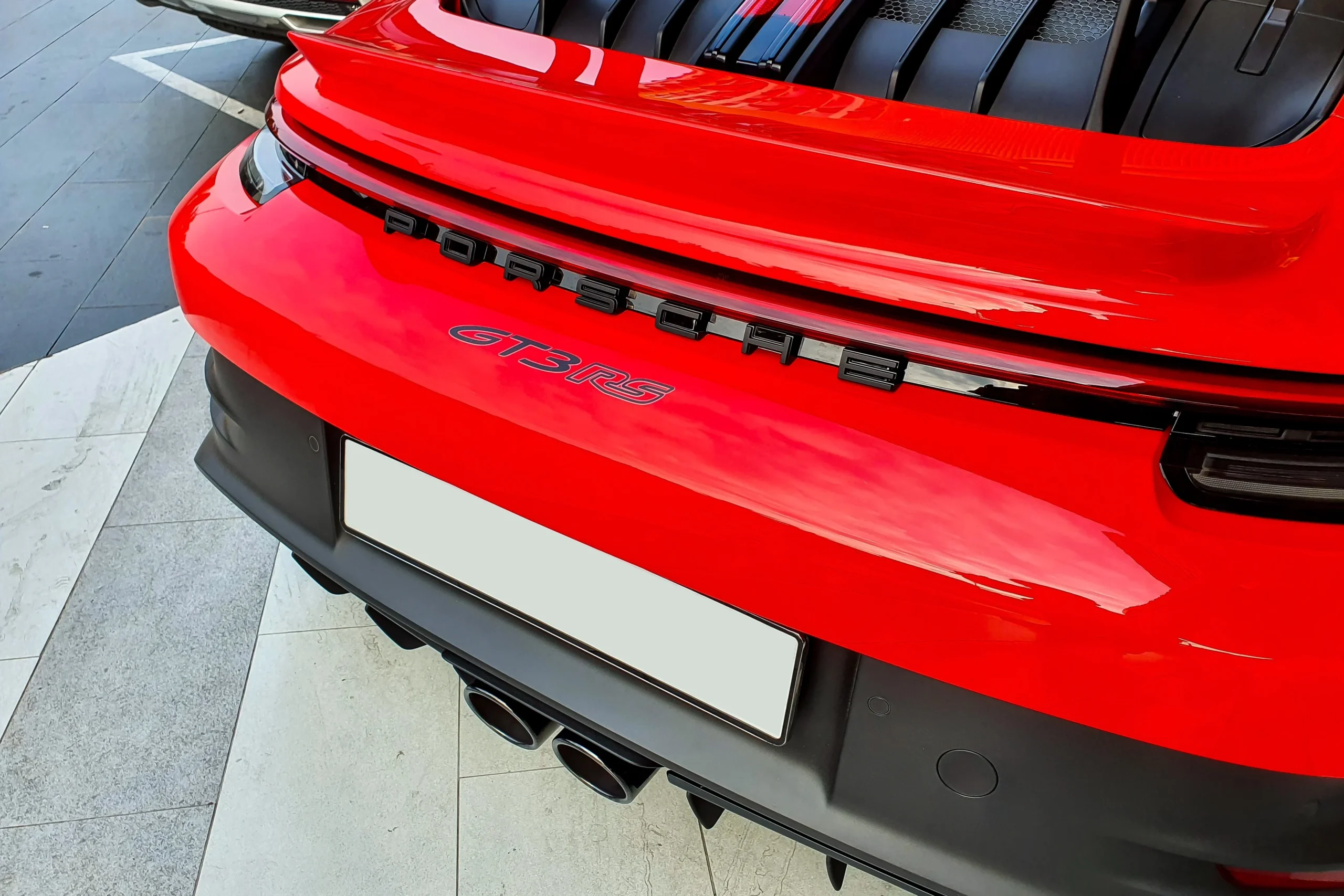
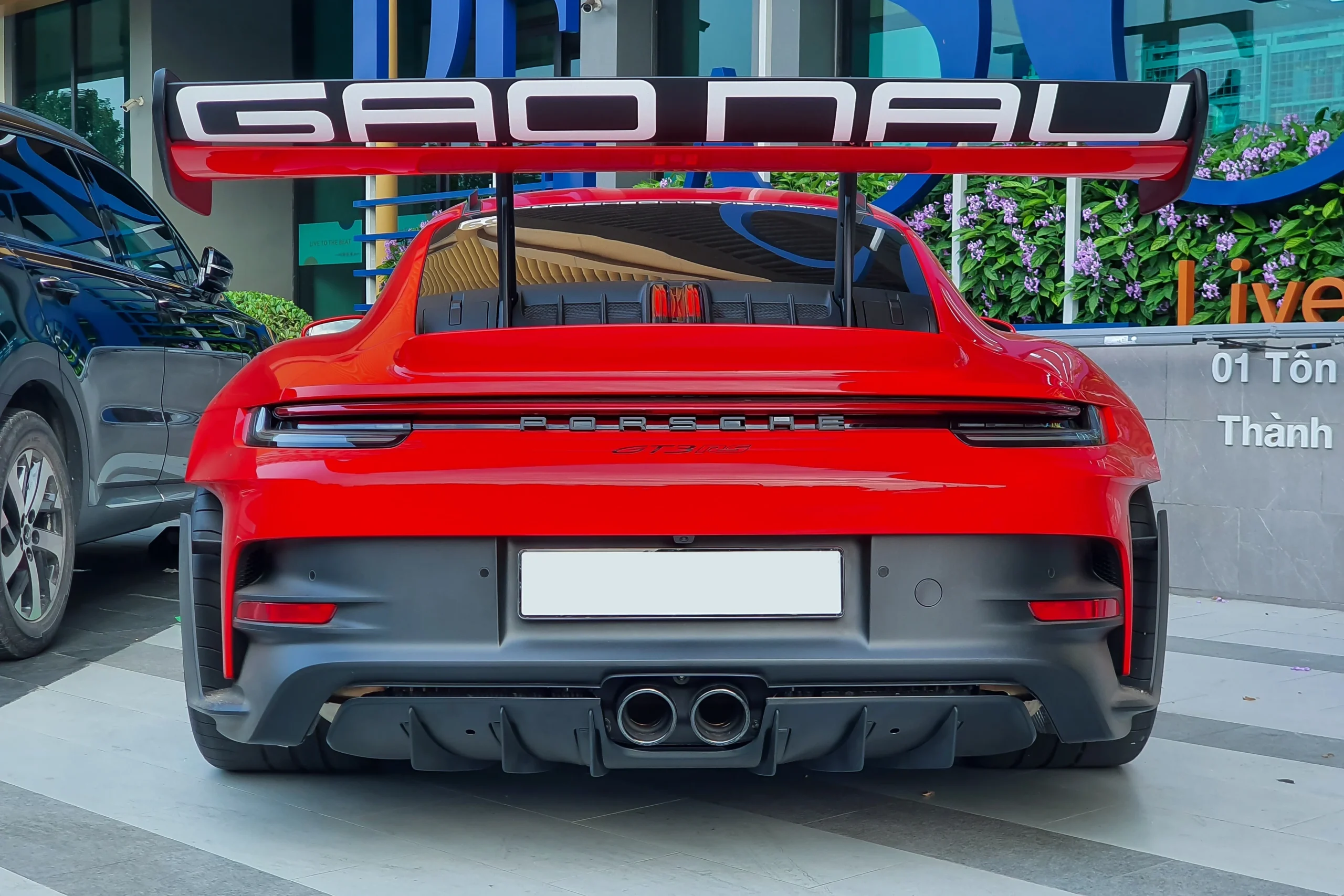
The debut vehicle in Vietnam opted for the classic Guards Red, a hue synonymous with Porsche’s racing heritage. It also carries the official “GT3 RS” racing badge first introduced in 2003, underscoring its pedigree.
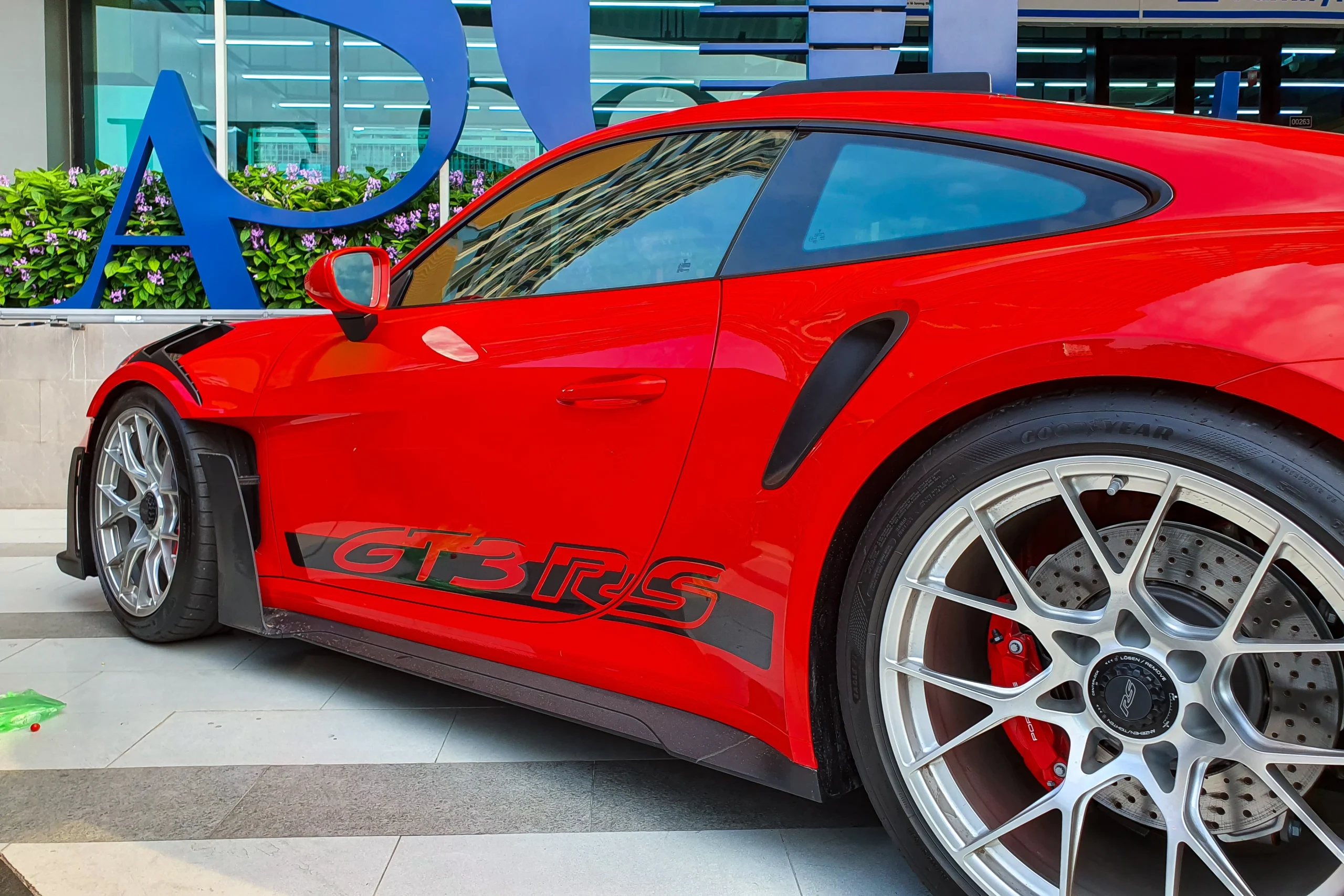
Dimensions and the Weissach Package
The GT3 RS is noticeably larger than the standard 911 Carrera, measuring 4,572 mm in length, 1,900 mm in width, and 1,322 mm in height, with a wheelbase stretched to 2,457 mm. While the Weissach Package—offering carbon‑fiber exterior parts, additional chassis bracing, and a host of weight‑saving measures—is available, it comes with a separate cost of around VND 2.7 billion.
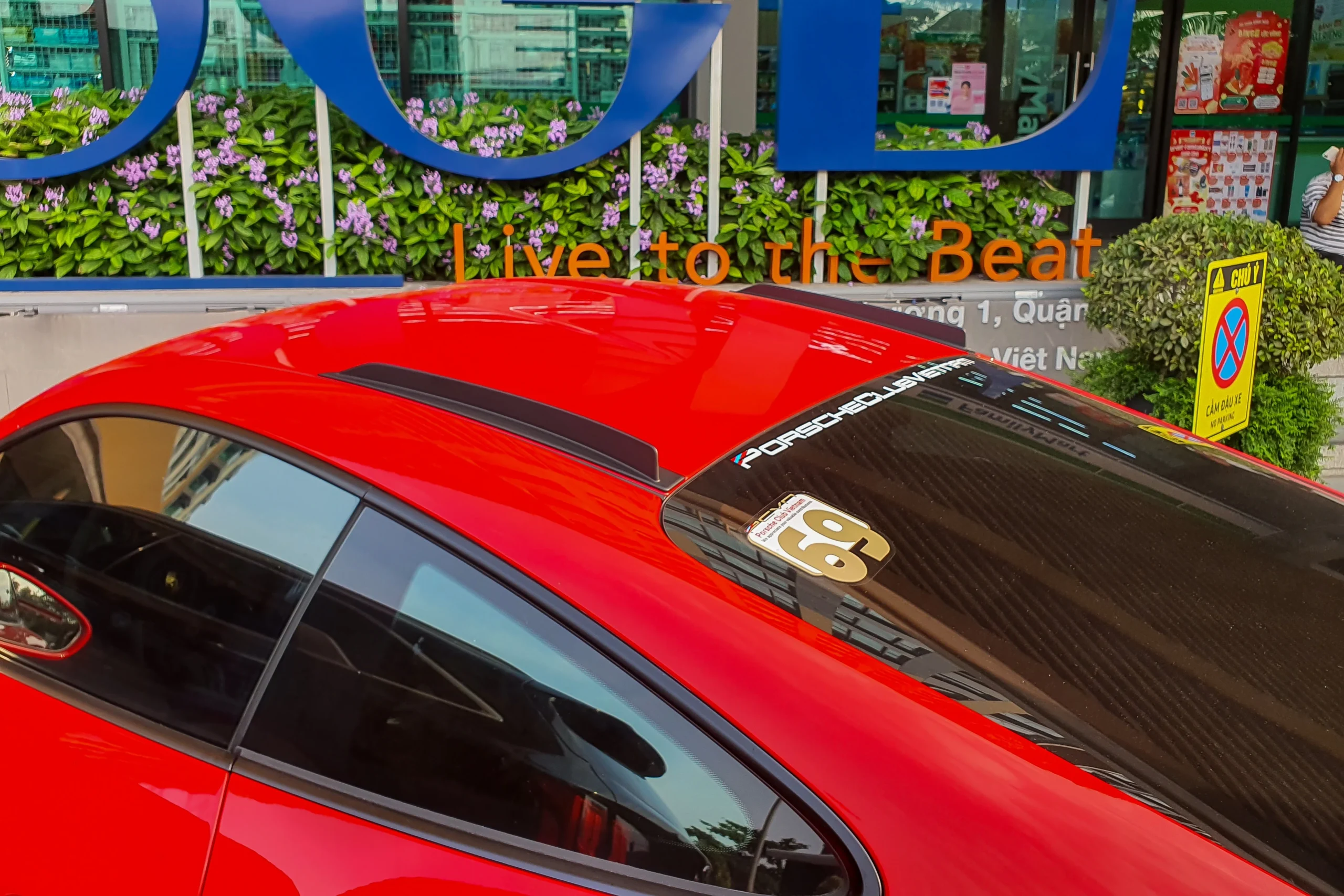
Active Aerodynamics: DRS‑Inspired Rear Wing
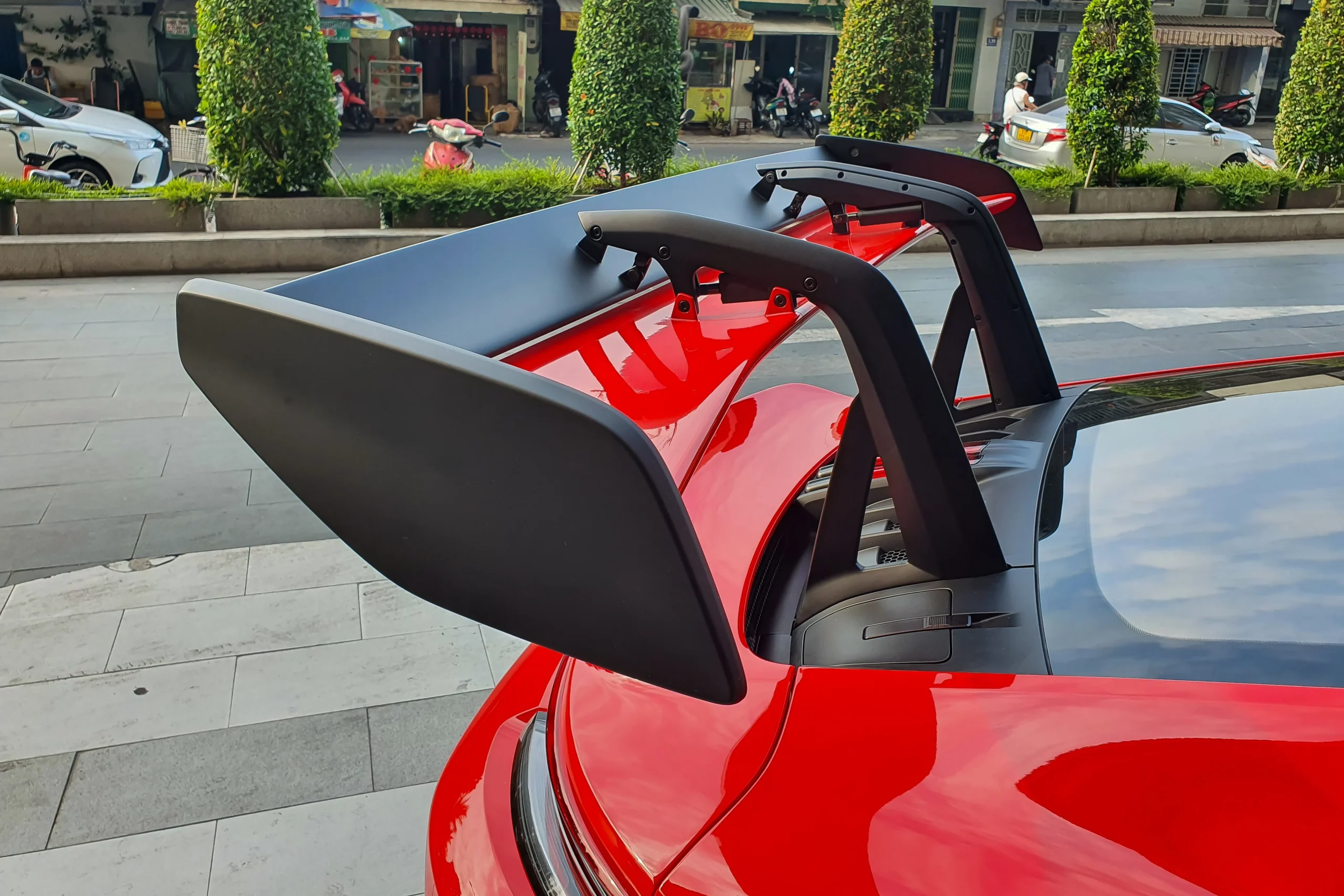
One of the most striking features is the electrically controlled rear wing, which operates similarly to Formula 1’s DRS system. Drivers can adjust the downforce on the fly, balancing drag and grip according to the road or track conditions.
Driver‑Focused Cockpit
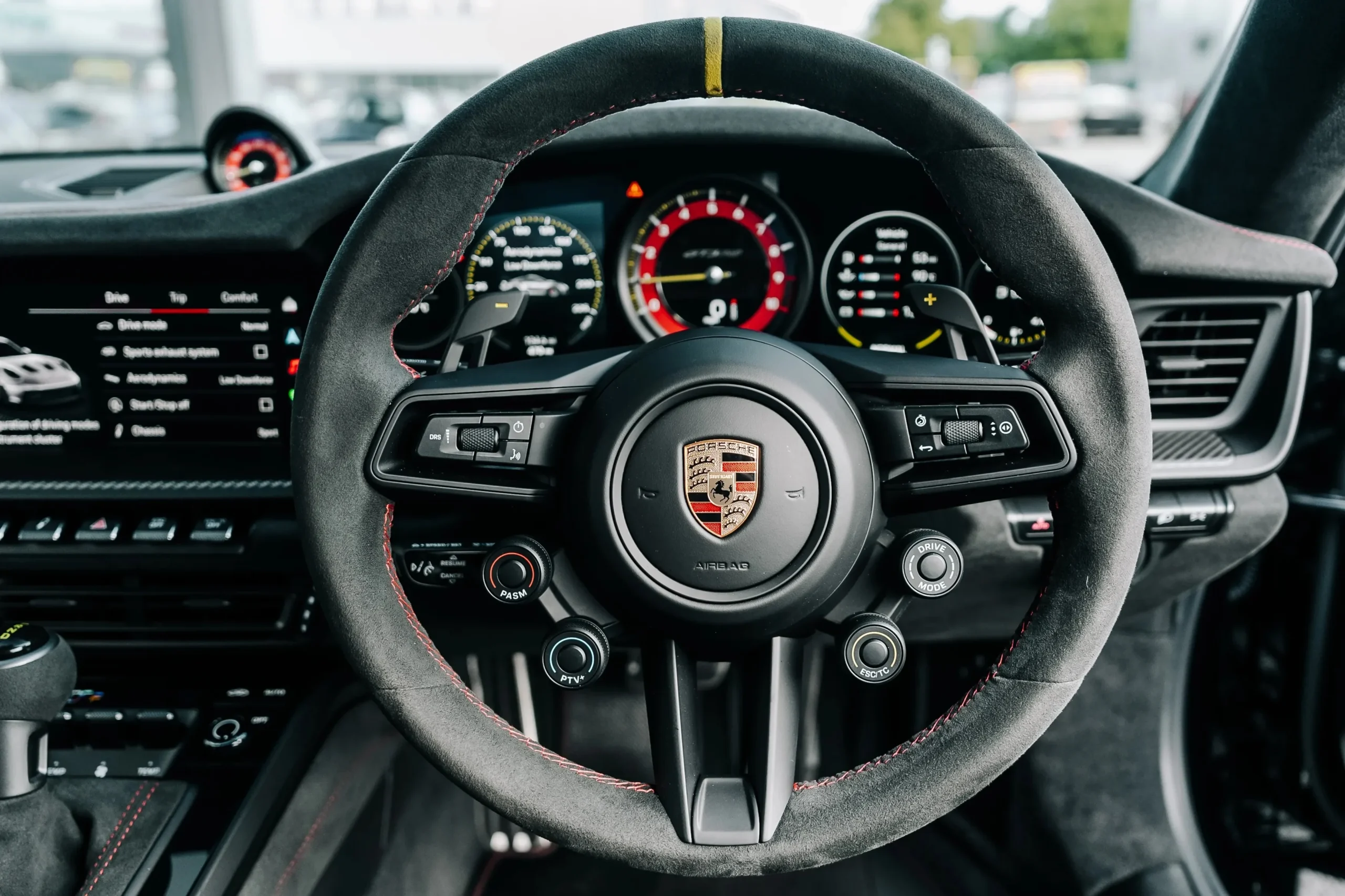
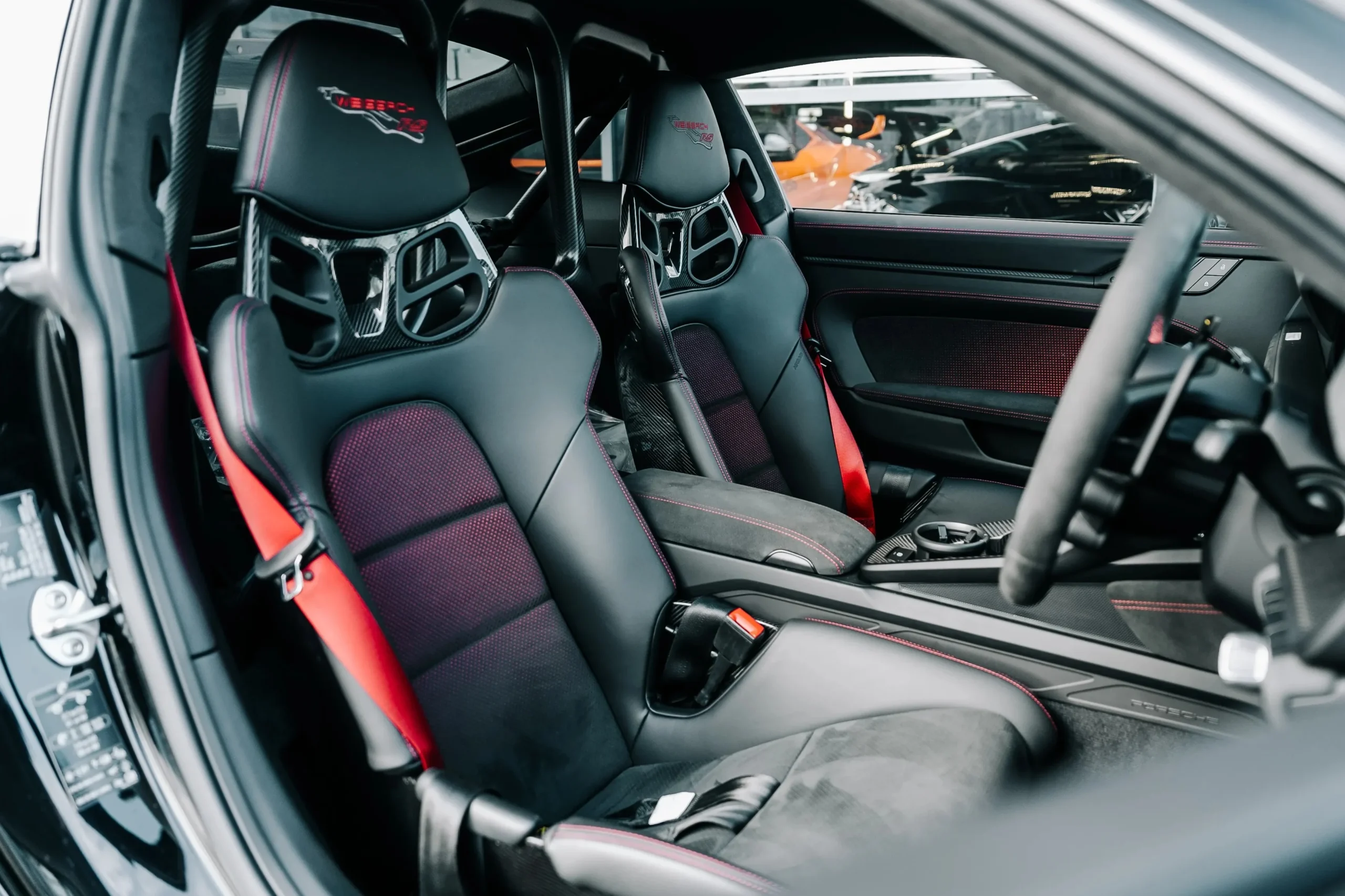
The steering wheel integrates a rotary knob that lets the driver switch driving modes, electronic balance settings, and traction control on the go. Inside, the GT3 RS comes standard with carbon‑fiber bucket seats, while the optional Adaptive Sports seats provide 18‑way electric adjustment for the ultimate personalized driving position.
Powertrain and Performance Figures
Under the hood sits a naturally aspirated 4.0‑liter flat‑six boxer engine delivering 525 hp at 7,500 rpm and 465 Nm of torque. Power is sent to the rear wheels via Porsche’s seven‑speed PDK dual‑clutch transmission. The GT3 RS accelerates from 0–100 km/h in just 3.2 seconds and tops out at 296 km/h.
On the legendary Nürburgring Nordschleife, the model recorded a lap time of 6:44.848 in 2022, making it the third fastest production car on the circuit at that time.
Aerodynamic Downforce
The GT3 RS’s aerodynamic package can generate up to 409 kg of downforce at 200 km/h, climbing to a staggering 860 kg at 285 km/h. This massive grip allows the car to hug corners with remarkable stability.
Pricing and Market Presence in Vietnam
Listed at VND 17.69 billion for the base specification, the price can exceed VND 20 billion when fully equipped with optional features and bespoke finishes. According to Znews, by the end of January 2026 at least four GT3 RS units (992.1 series) have been imported into Vietnam: one in black, two in white, and the Guards Red example highlighted here.
Conclusion
The Porsche 911 GT3 RS offers a rare blend of race‑track technology and road‑legal usability, and its arrival in Vietnam underscores the growing appetite for ultra‑high‑performance supercars in the region. Whether you’re chasing lap times or simply yearning for a piece of automotive art, the GT3 RS stands as a compelling, albeit pricey, choice.