
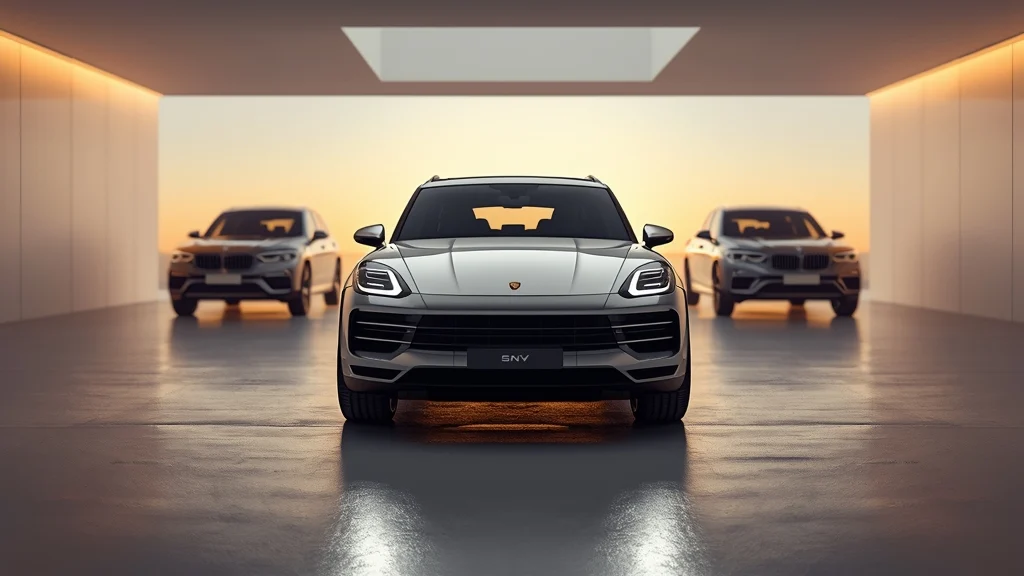
Discover Porsche’s upcoming K1 SUV – a V6/V8 hybrid set to rival the Mercedes‑GLS and BMW X7. Launching in 2028, learn more now!
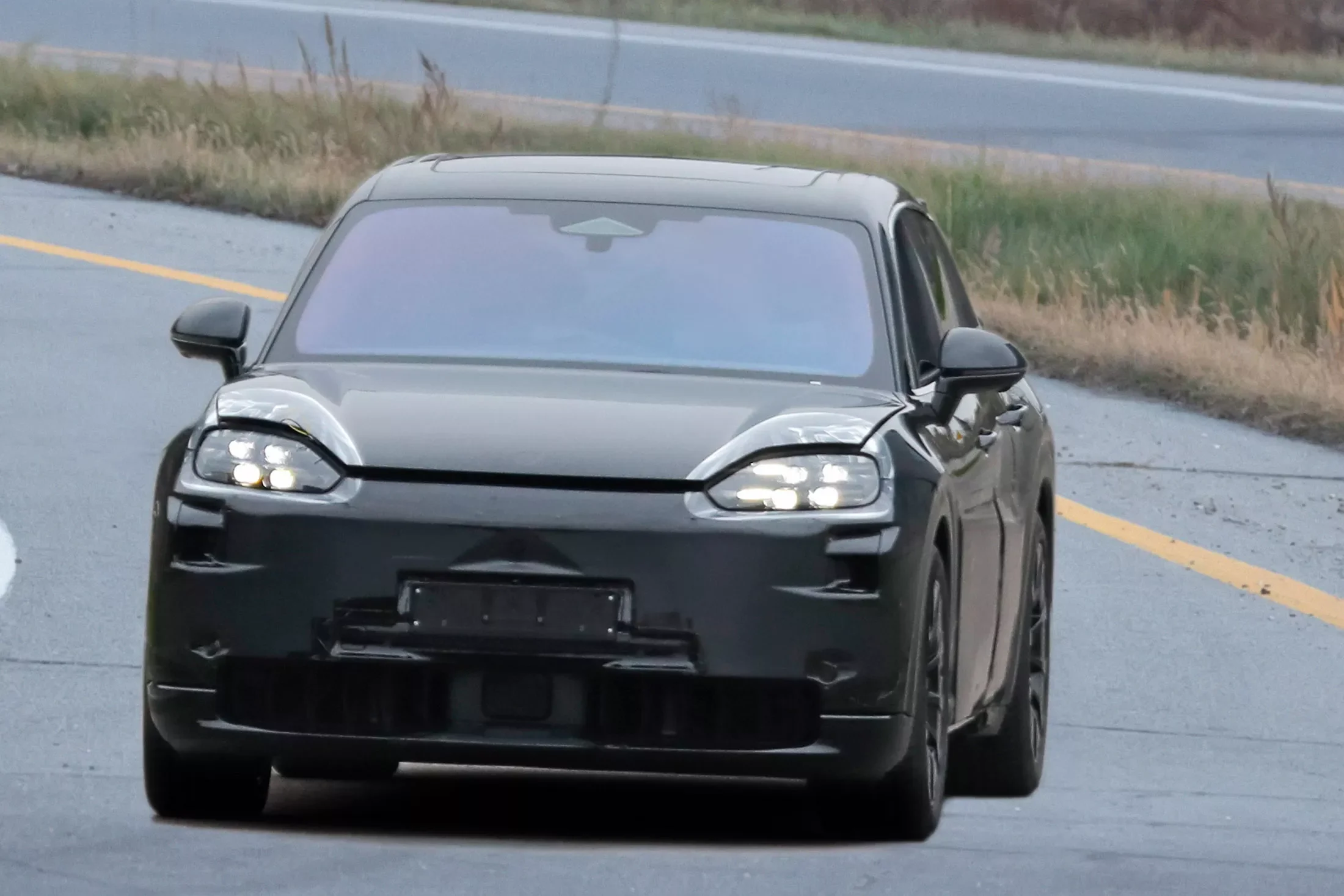
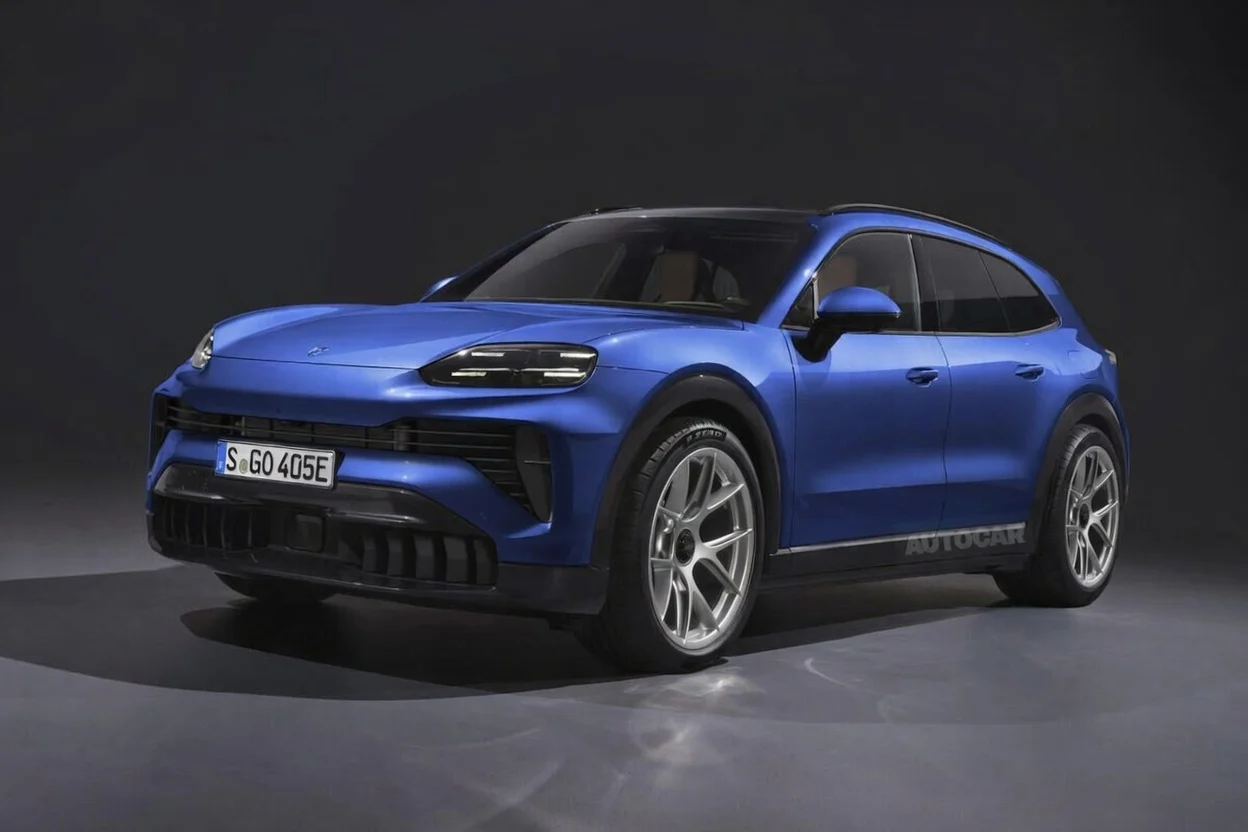
Porsche is gearing up to launch its most ambitious sport‑utility vehicle yet – the K1. Originally slated to be a fully electric flagship, the 7‑seat SUV will now sit on the same underpinnings as Audi’s upcoming Q9 and will be powered by high‑output V6 and V8 engines.
Why Porsche Shifted Away From a Pure‑Electric K1
Development of Volkswagen’s Scalable Systems Platform (SSP) hit software bottlenecks and the broader EV market showed signs of slowdown. Coupled with rising development costs and a tightening profit outlook, Porsche decided to postpone the all‑electric version and adopt a more conventional powertrain to keep the project on schedule.
Sharing the Audi Q9 Platform
The K1 will be built on Volkswagen Group’s Premium Platform Combustion (PPC), the same chassis that will underlie Audi’s Q9 – a premium 7‑seat SUV aimed primarily at the United States, the Middle East, and China. By sharing the platform, Porsche can lower engineering expenses, accelerate time‑to‑market, and benefit from a proven architecture.
Powertrain Options and Performance
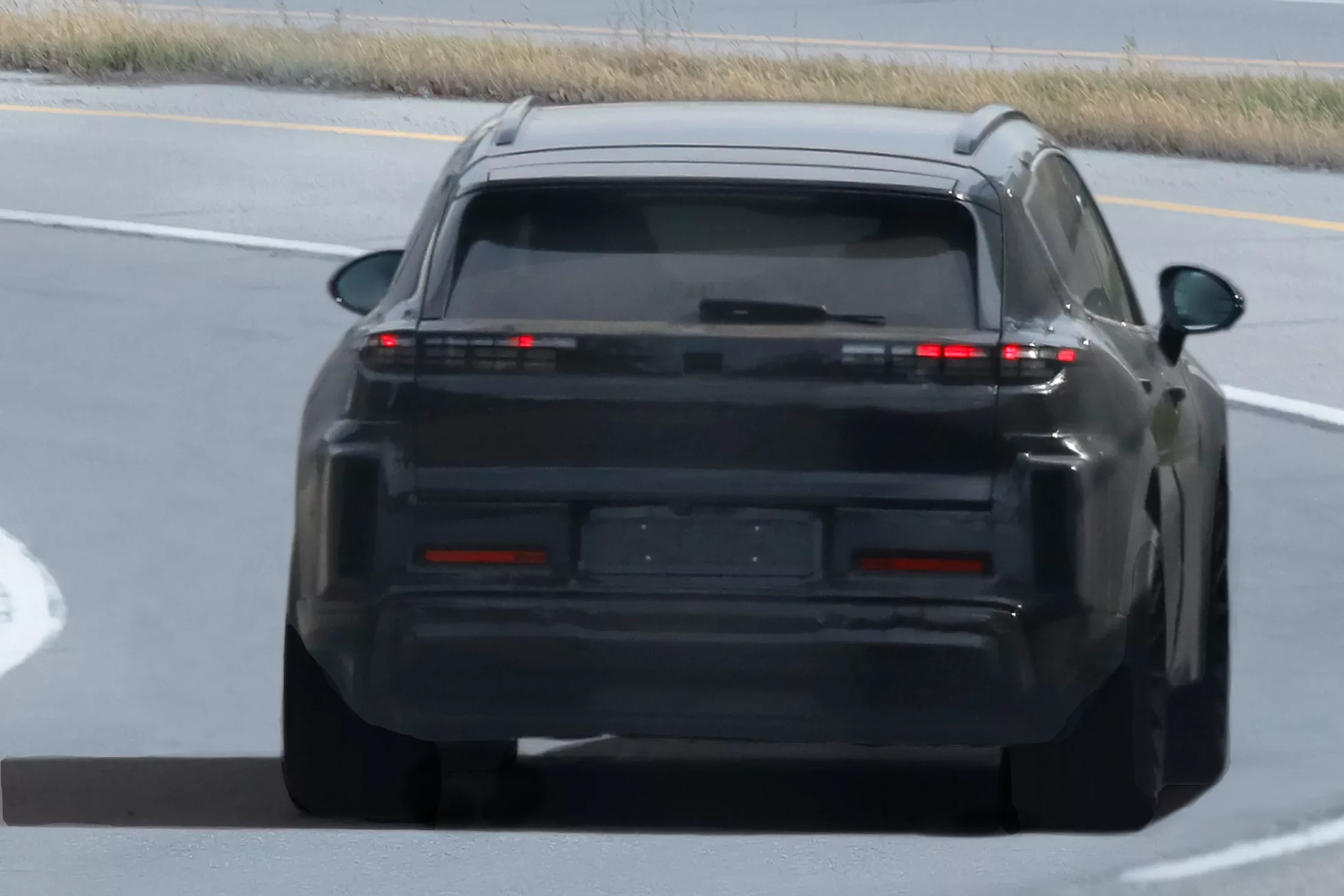
- 3.0‑litre V6 turbocharged engine, delivering up to 353 horsepower.
- 4.0‑litre V8 twin‑turbo unit, capable of producing between 500 and a staggering 739 hp, matching the top‑end of the current Cayenne range.
- Optional plug‑in hybrid (PHEV) system that combines the internal‑combustion engines with an electric motor for improved efficiency and low‑speed electric driving.
All configurations will be available with 4‑, 5‑ or 7‑seat layouts, giving buyers flexibility for families or executive transport.
Positioning Against Luxury Competitors
With its generous dimensions, premium appointments, and a power band that rivals supercars, the K1 is positioned directly against the BMW X7, Mercedes‑GLS, and Lexus LX. It will be the largest and most expensive model in Porsche’s lineup, occupying the D‑segment of the luxury SUV market.
Production Strategy
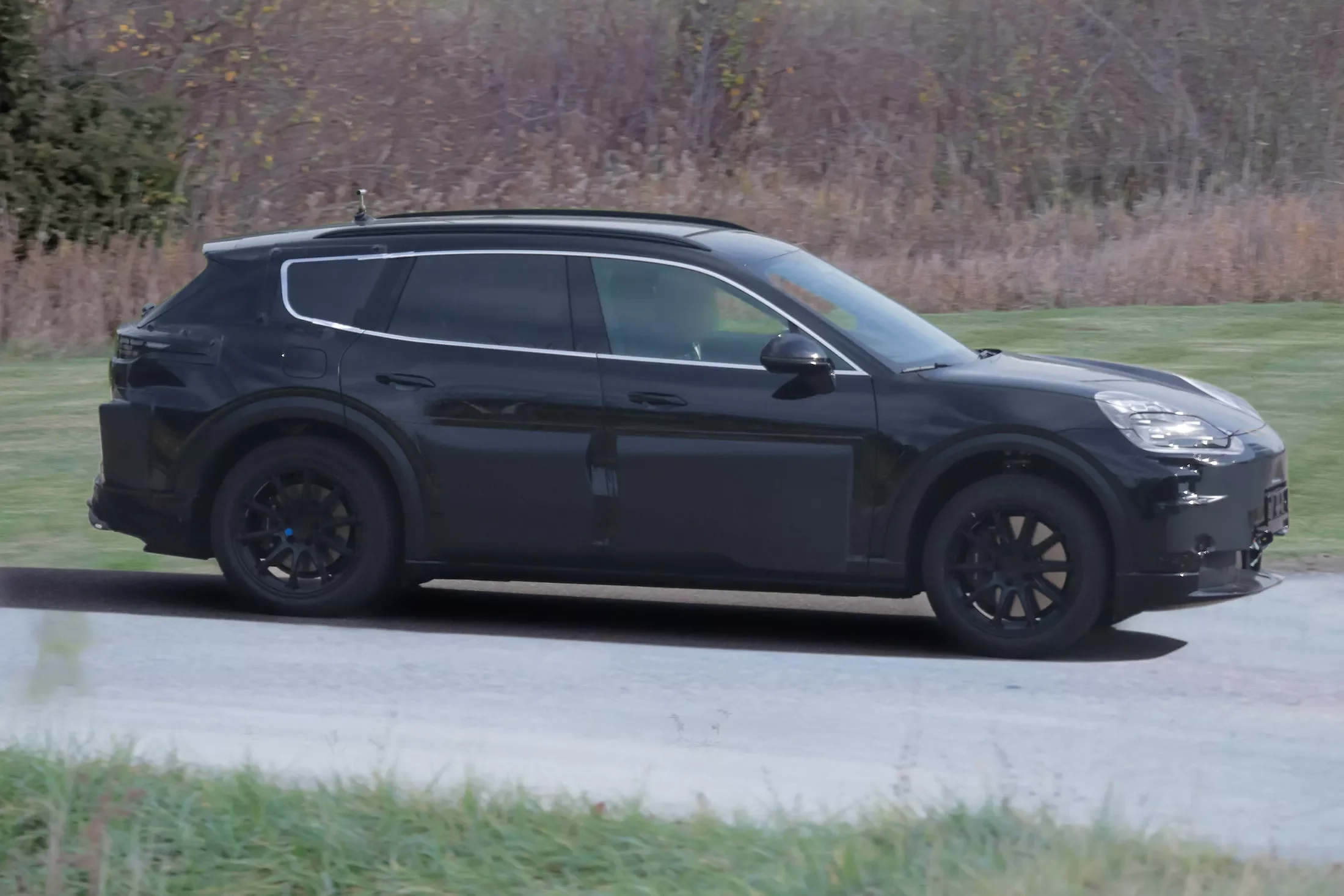
Porsche plans to assemble the K1 alongside the Audi Q9 at Volkswagen’s Bratislava plant in Slovakia – the same facility that will later build a fully electric Cayenne. This site was chosen after the originally intended Leipzig (Germany) plant proved too costly for the new model.
Future Electric Variant
Although the first wave of K1s will feature combustion engines, Porsche has confirmed that a pure‑electric version remains on the long‑term roadmap. The EV variant is expected to debut roughly 12 months after the Audi Q9’s official launch, giving the brand time to refine the next‑generation battery and software architecture.
Key Markets
The United States and China are the two critical regions that will determine the K1’s long‑term success. Both markets demand high‑performance luxury SUVs and offer the sales volumes needed to justify the program’s substantial investment.
By pivoting to a shared combustion platform and keeping an electric future in sight, Porsche aims to turn the K1 into a strategic cornerstone that boosts profitability while preserving the brand’s legendary performance DNA.