
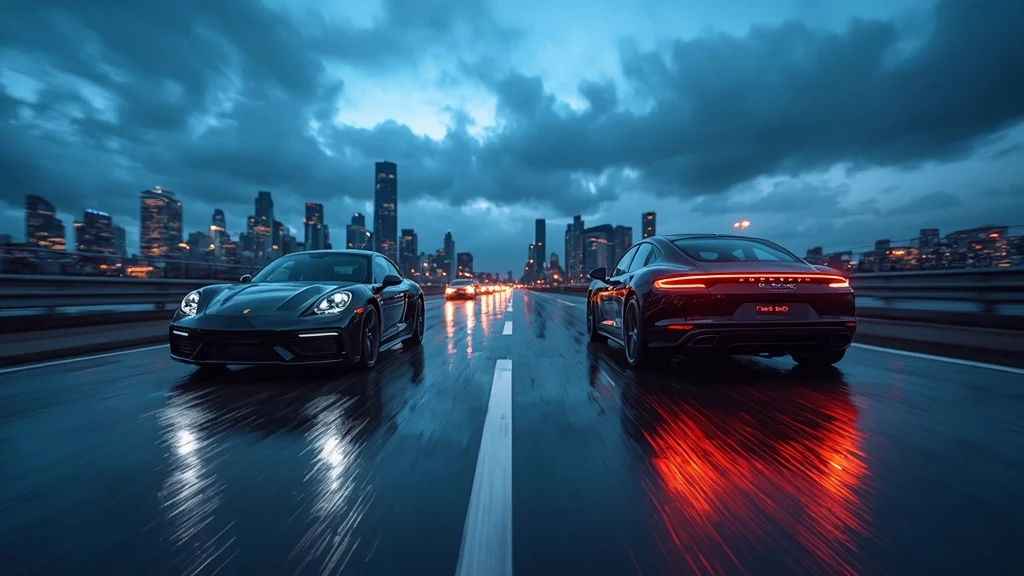
Porsche delivered 279,449 cars in 2025, a 10% drop from 2024, as the brand focuses on value over volume. Read the full analysis.
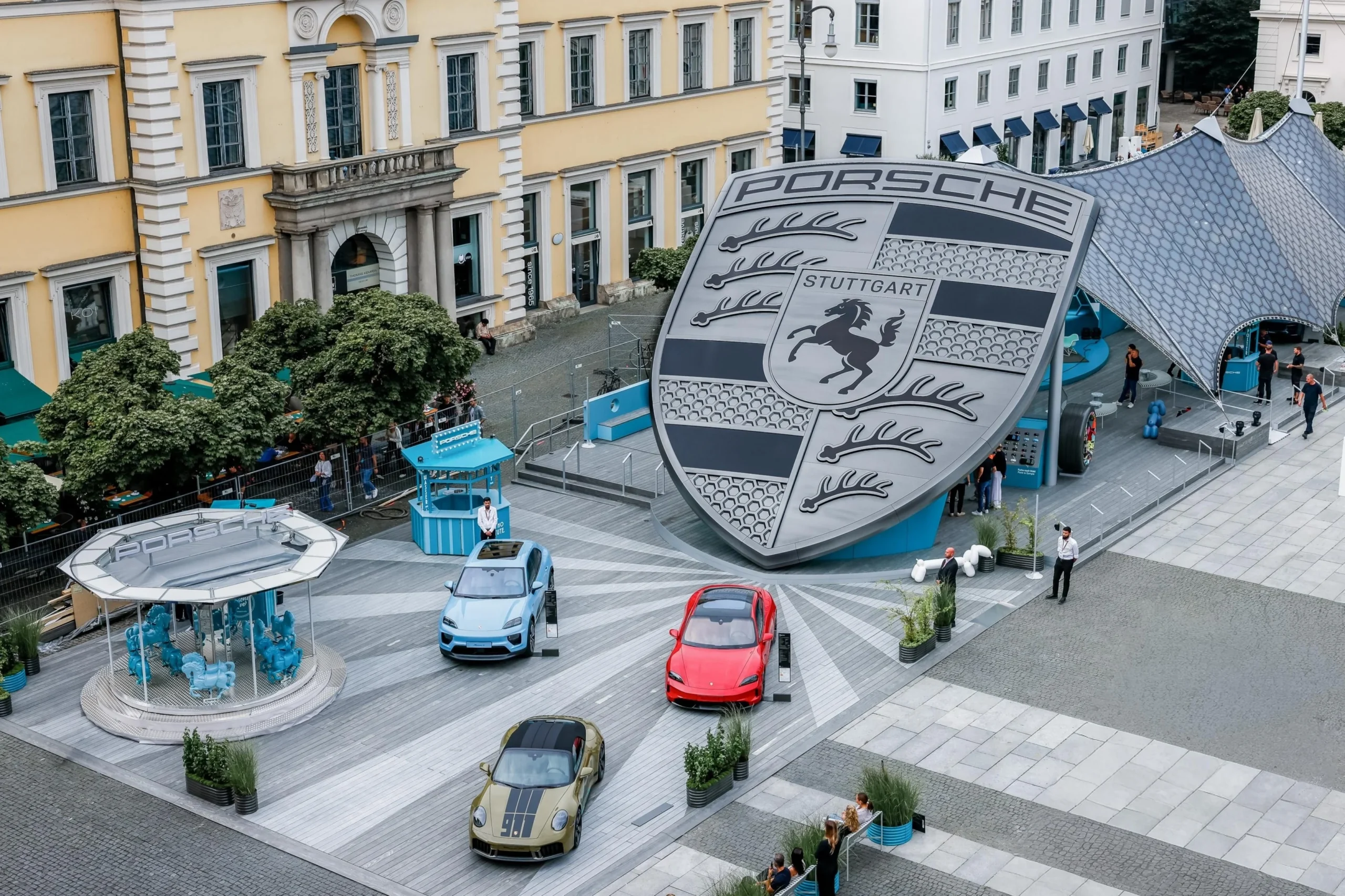
Porsche announced that it shipped a total of 279,449 vehicles worldwide in 2025, marking a 10% decline compared with the 310,718 units delivered in 2024. Despite the dip, the German automaker reiterated its commitment to a “value over volume” philosophy, balancing its product portfolio across all key markets.
What caused the drop?
Matthias Becker, Member of the Executive Board responsible for Sales and Marketing, said the reduction was anticipated. The shortfall stemmed from three main factors:
- Limited supply of internal‑combustion 718 and Macan models.
- Weakening demand for premium cars in China.
- Strategic supply‑management aimed at preserving brand value.
Regional performance
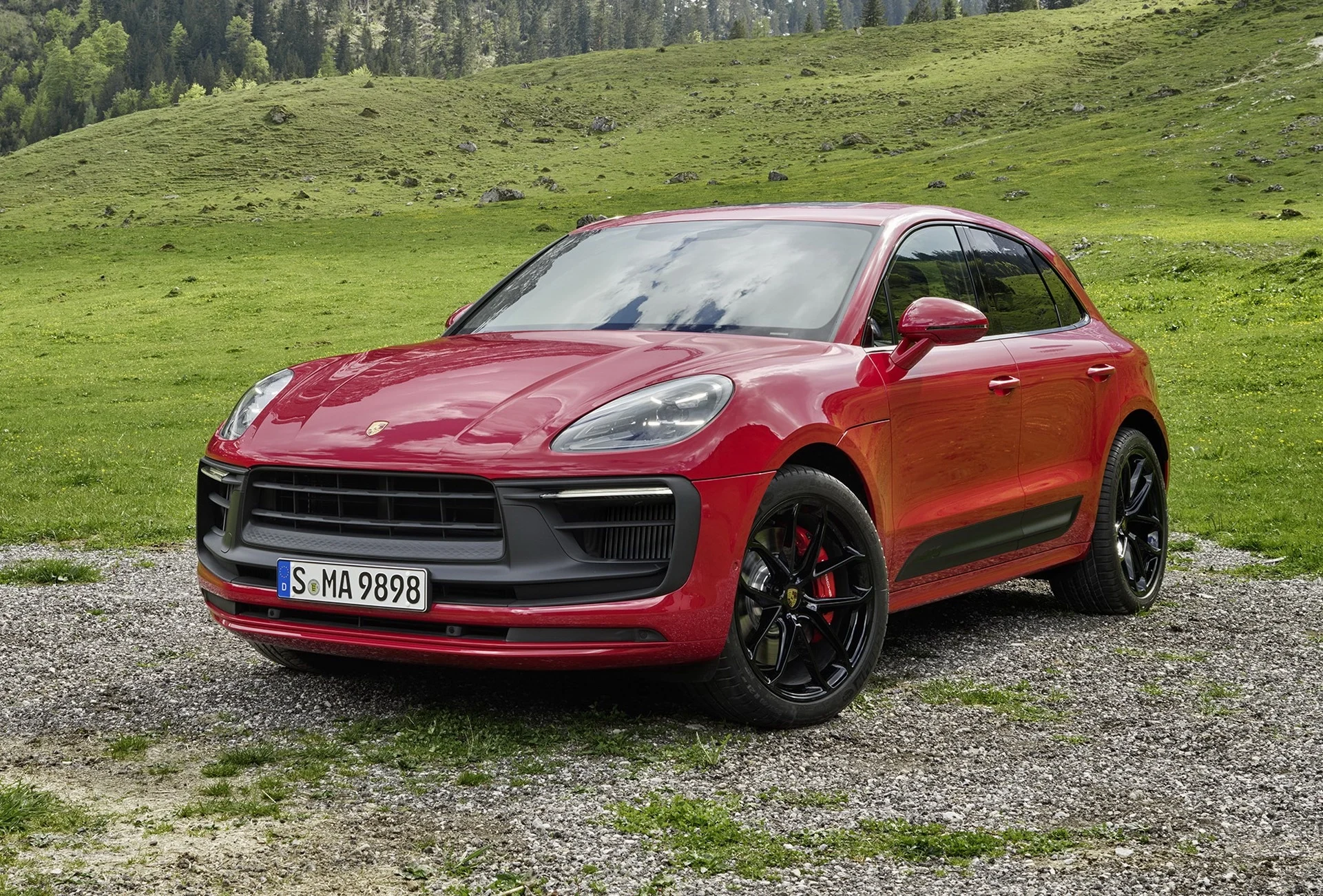
North America remained Porsche’s largest market, delivering 86,229 vehicles—essentially unchanged from the previous year. The Macan continued to dominate global sales with 84,328 units, cementing its role as the brand’s best‑selling model.
In emerging and “rest‑of‑world” markets, Porsche shipped 54,974 cars, a modest 1% decline. Europe (excluding Germany) saw deliveries fall 13% to 66,340 units, while Germany itself recorded a 16% drop to 29,968 vehicles, mainly due to the same supply constraints affecting the 718 and Macan.
China experienced the sharpest contraction, with deliveries down 26% to 41,938 cars. Intensifying competition in the luxury segment and the rapid rise of electric‑vehicle offerings were cited as key challenges.
Electrification gains momentum
2025 marked a pivotal year for Porsche’s electrification strategy. Overall, 34.4% of the cars delivered were electrified, up 7.4 percentage points from 2024. This comprised 22.2% pure‑battery electric vehicles (BEV) and 12.1% plug‑in hybrids (PHEV), meeting the company’s 20‑22% target for fully electric sales.
In Europe, electrified models finally outnumbered internal‑combustion cars, accounting for 57.9% of deliveries—roughly one out of every three cars sold was fully electric. The Panamera and Cayenne lines saw PHEV variants lead the market, while the iconic 911 and its T‑Hybrid version still delivered strong numbers, with 51,583 units shipped globally.
Model‑by‑model snapshot
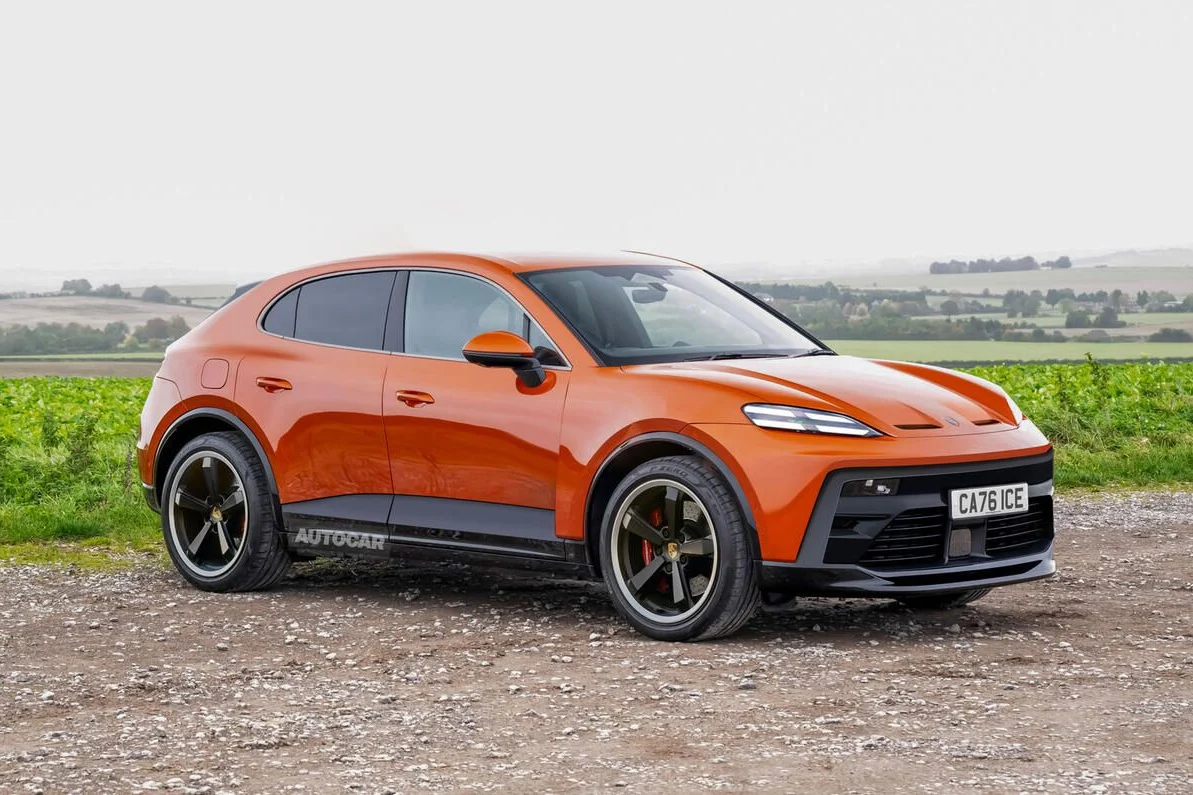
- Macan: 84,328 units (up 2%); more than half were pure‑electric, totaling 45,367 cars.
- Panamera: 27,701 units, down 6%.
- 911 (including T‑Hybrid): 51,583 units, up 1% and setting a new sales record.
- 718 Boxster / Cayman: 18,612 units, down 21% as production of the 718 line ceased in October 2025.
- Taycan: 16,339 units, down 22% amid a slowdown in overall EV adoption.
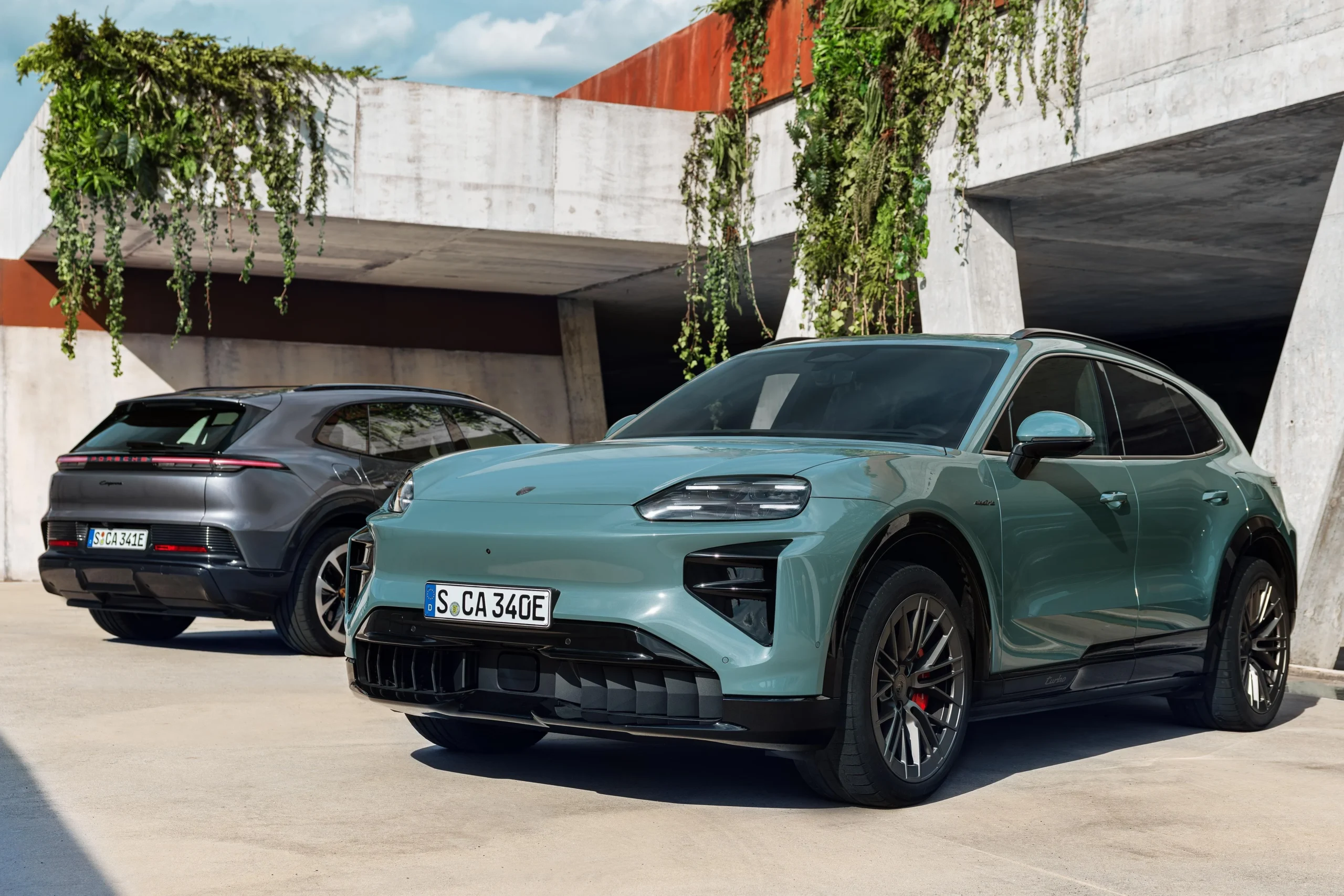
- Cayenne family: 80,886 units, down 21%; the all‑electric Cayenne Electric launched globally in November 2025 and will begin deliveries in spring 2026.
Looking ahead to 2026
Becker outlined the brand’s focus for the next year: aligning production with the “value over volume” approach, winding down internal‑combustion 718 and Macan models, and expanding the three‑pronged powertrain strategy—ICE, PHEV and BEV. Porsche will also deepen its customization programmes, such as Exclusive Manufaktur and Sonderwunsch, to meet growing demand for bespoke luxury.
With a clear emphasis on electrification, personalization, and sustainable growth, Porsche aims to keep inspiring driving enthusiasts while navigating the evolving automotive landscape.