
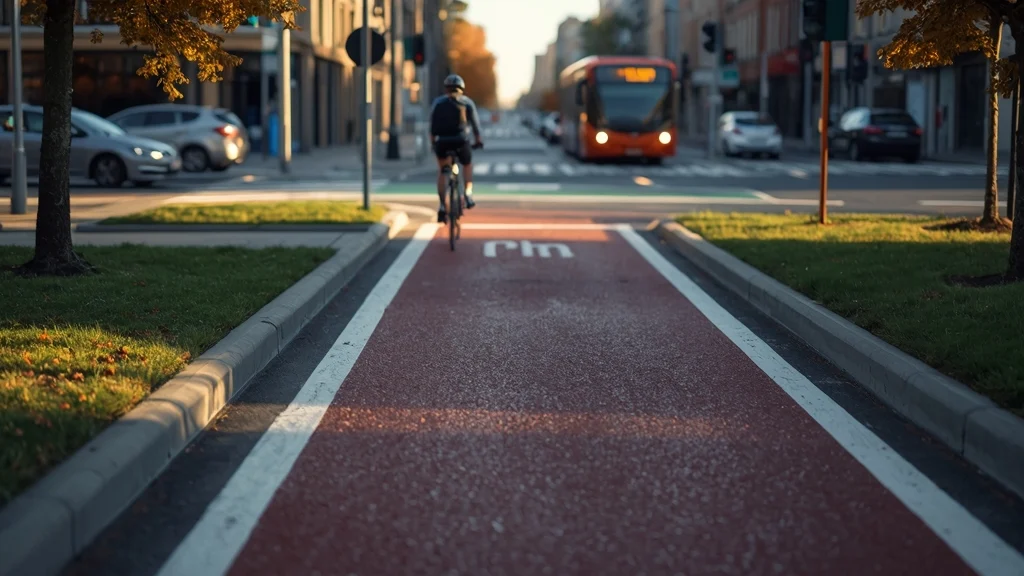
Explore how leading cities worldwide design safe bike lanes with dedicated separated paths, premium surfacing and smart intersection treatment. Improve urban cycling today!
Separating Cyclists from Motor Vehicles
In bike‑friendly nations such as the Netherlands and Denmark, bike lanes are physically separated from car traffic. Rather than a simple painted line, they use curbs, grass strips, or low‑profile barriers that create a clear buffer.
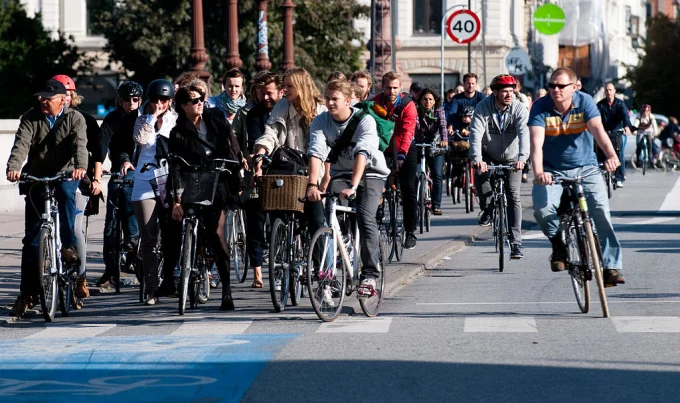
Amsterdam’s network stretches over 500 km, with dedicated sidewalks and green strips that keep cyclists out of the vehicle flow. Copenhagen places 2.2‑2.5 m wide protected lanes on both sides of main arteries, bordered by rigid kerbs that prevent cars from encroaching.
Surface Materials Built for Grip
High‑quality surfacing is another hallmark of safe bike lanes. European cities and many U.S. municipalities favor textured asphalt or coloured concrete that offers consistent friction in dry and wet conditions. Paint is used only for lane markings, not as the primary surface.
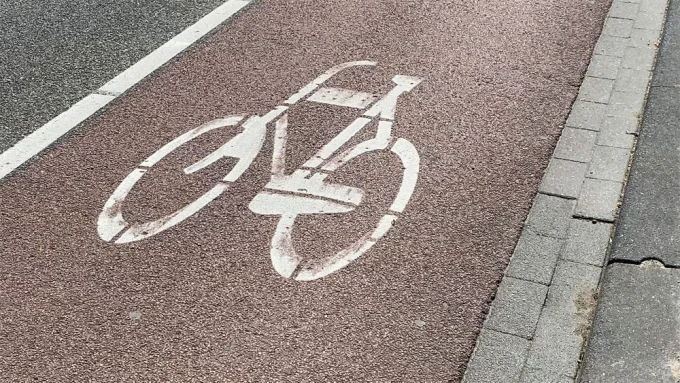
When paint is applied to the entire riding surface, it is mixed with fine aggregate or anti‑slip granules to boost traction. Design guidelines in the EU explicitly recommend rough‑textured pavements to reduce the risk of sudden skidding during braking or cornering.
Smart Intersection Design
Intersections are the most dangerous points for cyclists. Leading cities guide bike lanes through junctions with clear striping, colour‑coded cues and advance signage, so drivers can anticipate cyclists’ paths.
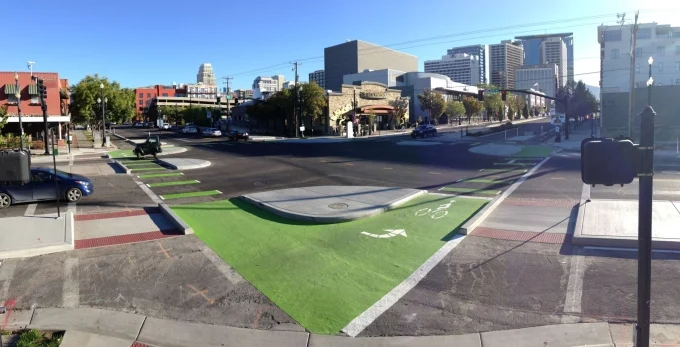
At busy crossings, many jurisdictions install a “bike box” – a designated waiting area ahead of the traffic lights that gives cyclists a visible, priority position when the light turns green. Separate signal phases for cyclists are also common, allowing a dedicated green interval.
Physical treatments such as curb extensions, raised islands, or narrowed car lanes force turning vehicles to slow down and look more carefully before entering the bike lane, effectively turning a high‑risk intersection into a controlled, low‑speed zone.
Global Examples
- Netherlands: Over 35 % of daily trips are made by bike, supported by a nationwide grid of protected lanes, high‑traction asphalt, and visual separation.
- Copenhagen: The city’s “cycle superhighways” link suburbs to the centre, featuring 3‑metre‑wide lanes, concrete paving, and dedicated traffic signals.
- United States: Cities such as Portland, Seattle and New York are upgrading legacy painted lanes to “protected” designs with bollards, planters or parked‑car buffers.
Key Takeaways for Planners
- Provide physical separation from motor traffic wherever possible.
- Use textured, high‑friction surfacing rather than relying on paint alone.
- Design intersections with clear markings, bike boxes, and dedicated signal phases.
- Adopt consistent standards for width (minimum 2 m) and barrier type.
By following these internationally proven principles, cities can dramatically cut cyclist injuries, encourage more people to ride, and move toward greener, healthier urban mobility.