
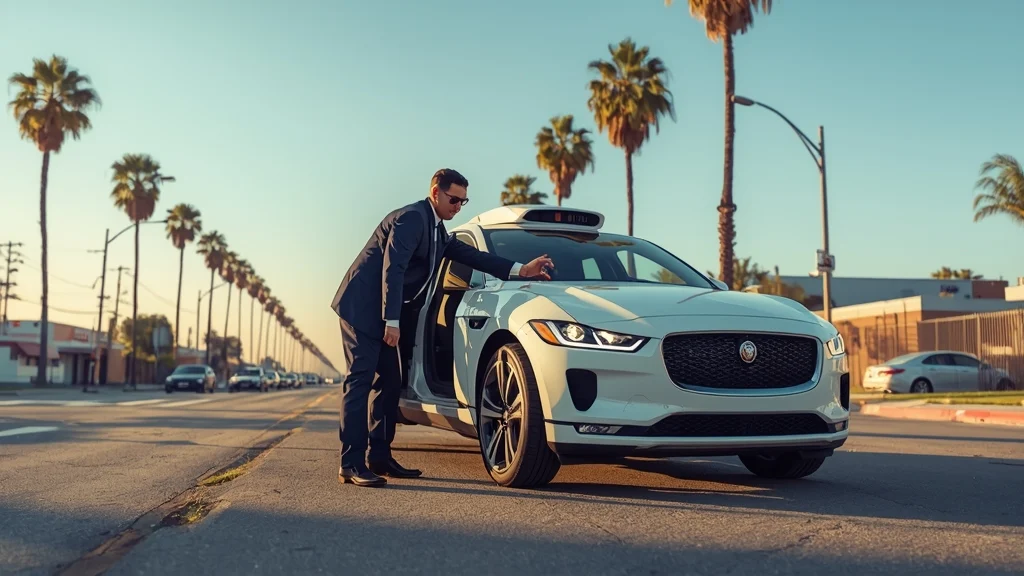
Discover how Los Angeles towing firms earn $24‑$80 per job closing doors of Waymo robotaxis and rescuing stranded self‑driving cars. Learn more now!
In the sprawling streets of Los Angeles, a surprising side‑hustle has emerged: getting paid to shut the doors of driverless taxis. As autonomous vehicles multiply, a niche market of tow‑truck operators is stepping in to help Waymo’s robotaxis when passengers forget the simplest courtesy—closing the door.
How the Door‑Closing Service Works
Waymo partners with the on‑demand app Honk, which connects its fleet of self‑driving cabs to local towing and roadside‑assistance businesses. When a passenger steps out of a robotaxi and the door is left ajar, the vehicle’s software flags the issue and sends a job request through Honk. A nearby tow‑company receives the alert, drives to the scene, and manually latches the door.
The pay for a single door‑closing visit ranges from $22 to $24. If the situation escalates—such as a car stuck in traffic or a dead battery—the same service can earn between $60 and $80 for a tow or a battery‑jump.
Earnings and Practical Challenges
While the numbers sound appealing, operators say the gig isn’t always profitable. Cesar Marenco, owner of Milagro Towing in Inglewood, reports handling roughly three Waymo calls a week, primarily for door‑closing or battery‑rescue tasks. Evangelica Cuevas of JKK Towing notes that Honk’s location data can be imprecise, forcing drivers to wander for up to an hour before locating the vehicle—a cost that quickly eats into the modest fee.
Fuel expenses, time spent traveling, and the occasional need to wait for a stuck robotaxi to finish its idle cycle further diminish net margins. In many cases, the $22‑$24 payout barely covers gas and labor.
Waymo’s Pricing Dispute
In December, a city‑wide power outage in San Francisco caused several Waymo robotaxis to halt at traffic lights. The incident triggered a wave of rescue calls, but not all operators felt the rates were fair. Jesus Ajuiniga, manager of Alpha Towing and Recovery, declined Waymo’s offers, arguing that a typical four‑wheel‑drive tow costs around $250—far more than the $60‑$80 the company was offering.
What the Future Holds
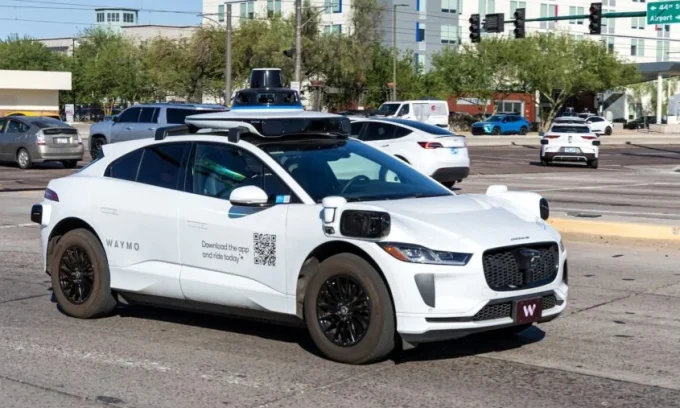
Technology may soon render the door‑closing gig obsolete. Waymo’s current fleet, dominated by the Jaguar I‑Pace, still relies on manual door operation. However, the company is testing Chinese‑made Zeekr robotaxis that feature automatic sliding doors, similar to a minivan’s. If these models roll out widely, the need for human door‑closers could disappear.
Conclusion
For now, LA’s towing crews are filling a tiny but real gap in the autonomous‑vehicle ecosystem, earning extra cash while helping Waymo maintain a seamless rider experience. Whether this service will grow into a permanent industry or fade away with the next generation of self‑driving cars remains to be seen.