
Why many sedans and SUVs fell on Vietnam’s 2025 slow‑selling list—high prices, niche appeal. See models fading and what buyers need to know. Read now!
When the Vietnamese automotive market wrapped up 2025, the spotlight fell not only on the rise of VinFast but also on the models that barely moved off showroom floors. While a handful of newcomers like the Suzuki Fronx and Ford Mustang Mach‑E posted modest numbers in the second half of the year, a deeper look reveals ten vehicles that anchored the bottom of the sales chart.
Most Affected Segments
Excluding the late‑year launches, the list features four sedans, a high‑performance hot‑ hatch, and several larger SUVs. The presence of these models highlights two recurring themes: niche appeal and high price points driven by import duties.
Top Slow‑Selling Models
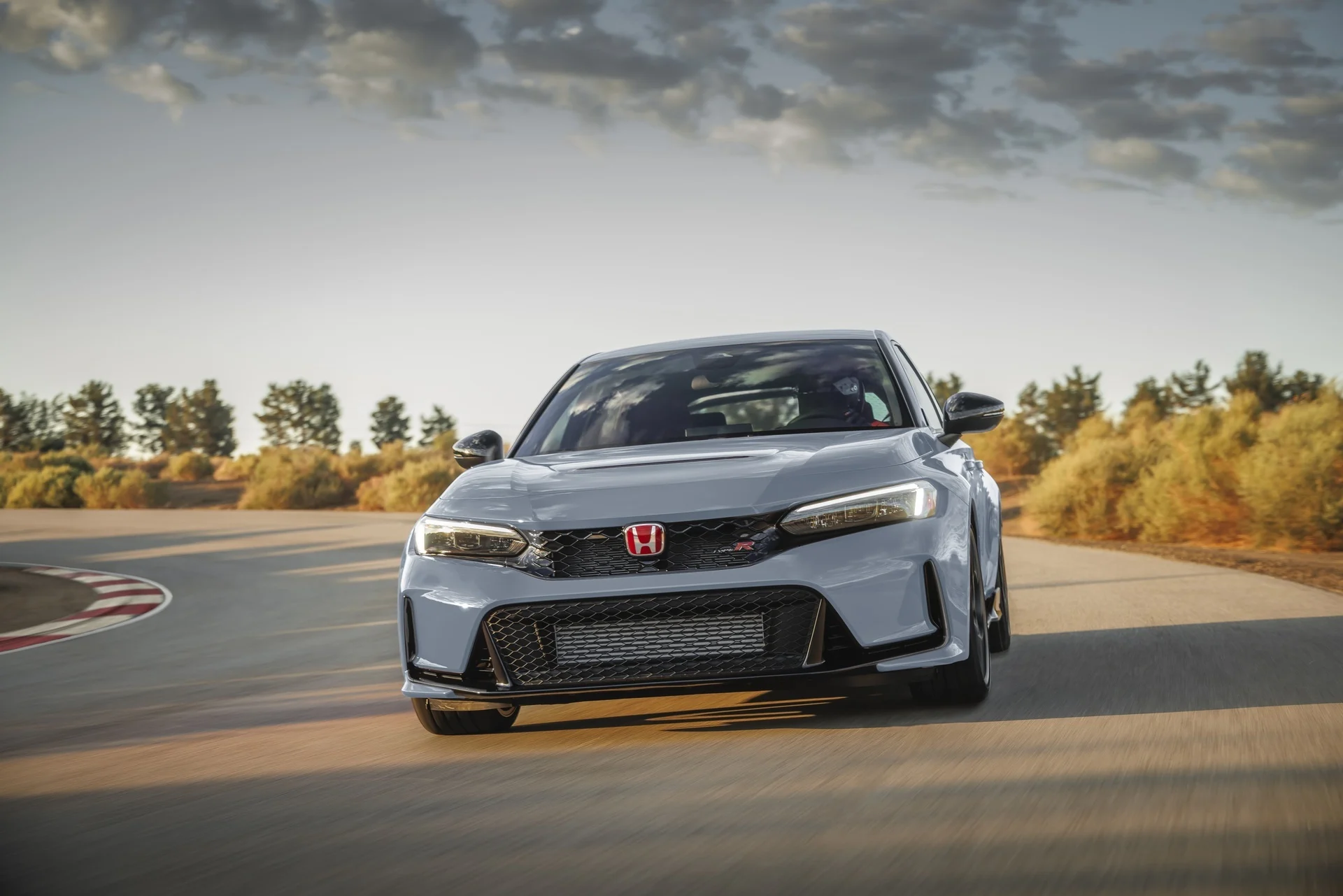
- Honda Civic Type R – Only 2 units sold. Imported fully built, priced close to VND 3 billion.
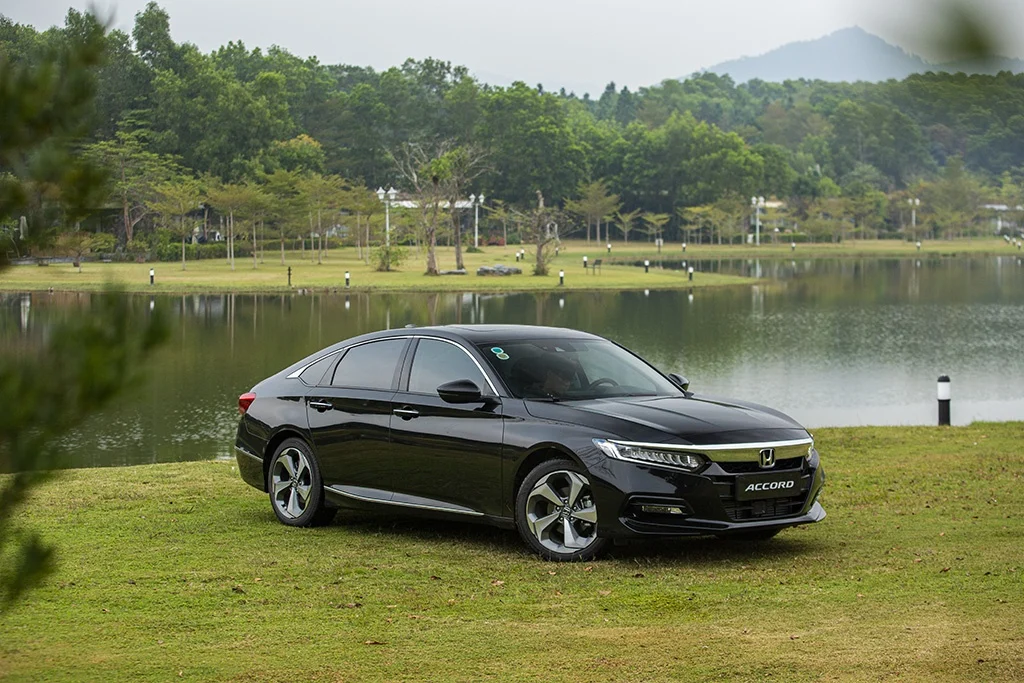
- Honda Accord – 42 units sold. Mid‑size D‑segment sedan, price over VND 1.3 billion.
- Mazda6 – 56 units sold. Competes in the same D‑segment.
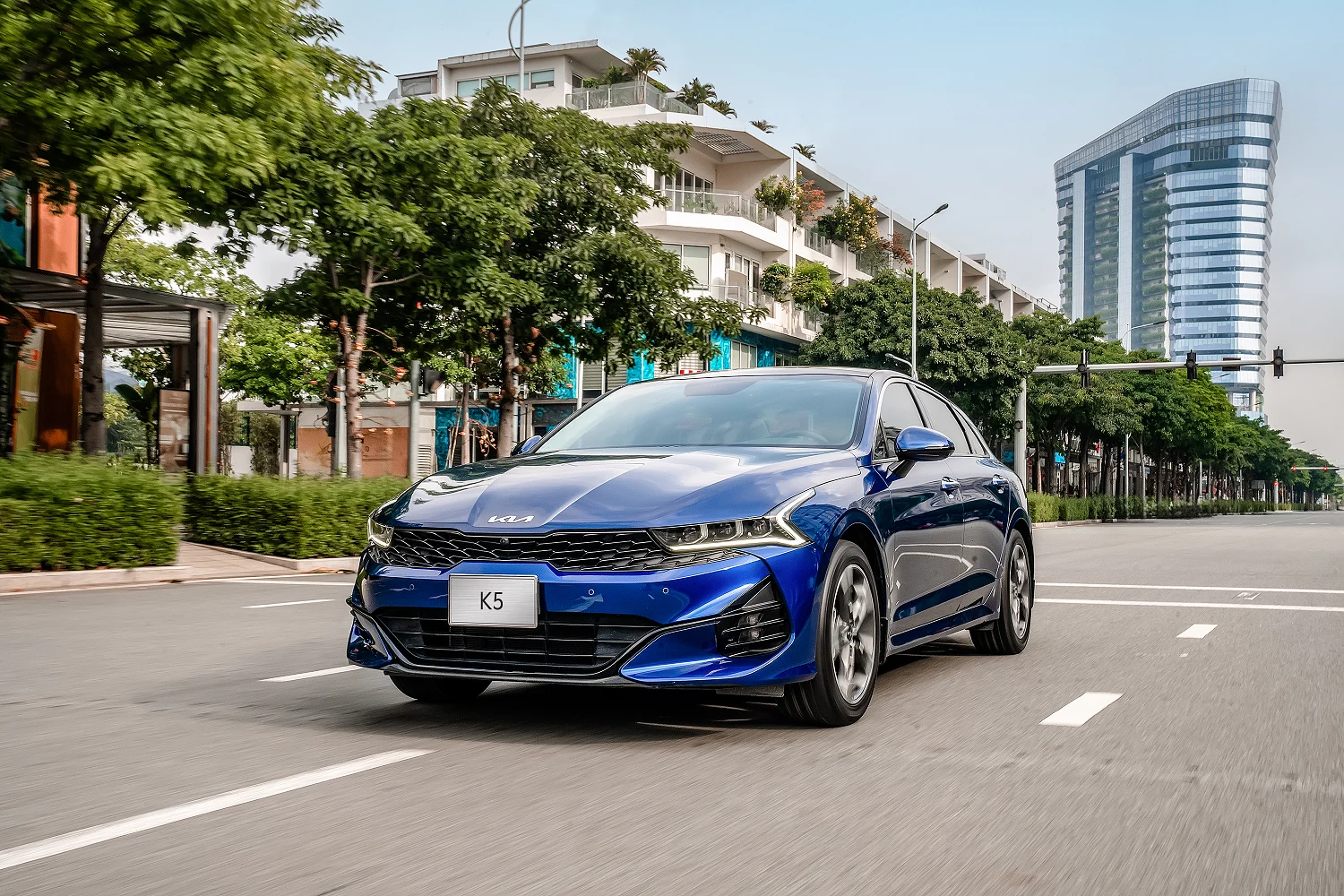
- Kia K5 – 267 units sold. Sub‑million‑dong price tag but still lagging.
- Toyota Corolla Altis – 285 units sold, including 22 hybrids.
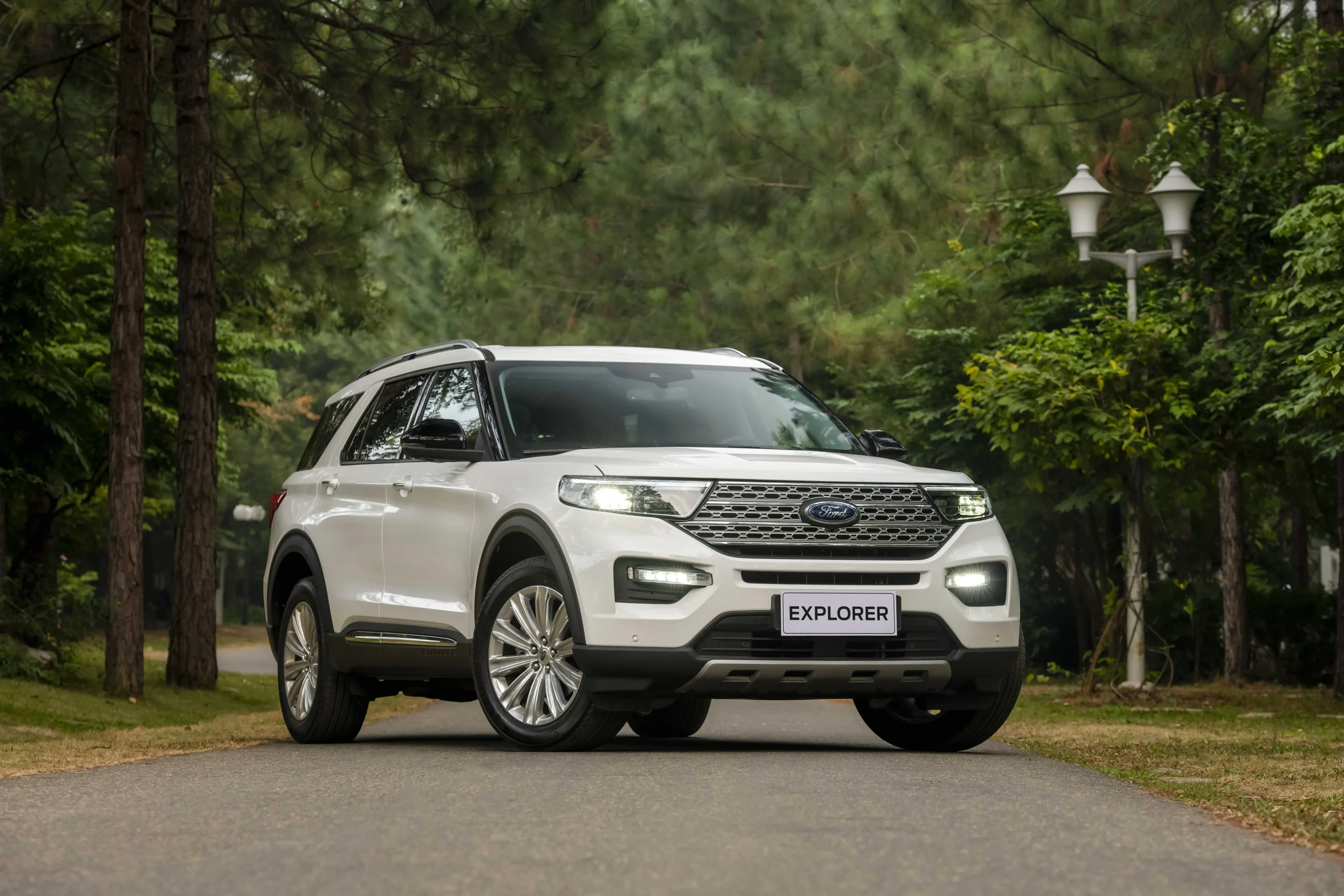
- Ford Explorer – 133 units sold. Large SUV imported whole.
- Mitsubishi Pajero Sport – 180 units sold.
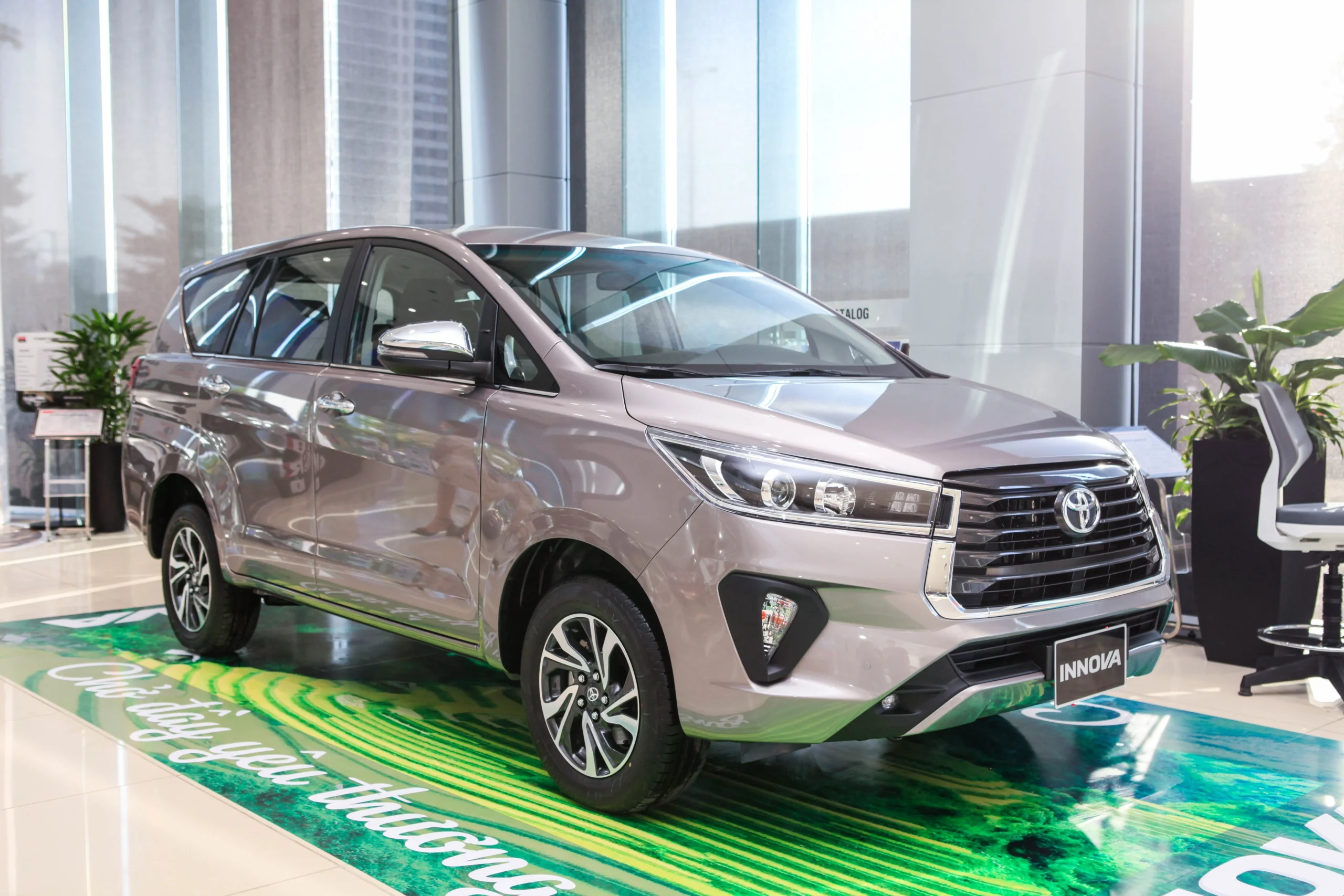
- Toyota Innova – 264 units sold.
- Suzuki Jimny – 271 units sold, price around VND 789 million.
- Toyota Alphard – 289 units sold, premium‑grade L‑size MPV.
Why Did These Cars Struggle?
Many of the under‑performers belong to niche categories that appeal to a limited buyer pool. High‑priced imports also suffer from Vietnam’s tariff structure. For instance, the Civic Type R is shipped fully built from Japan, pushing its price near VND 3 billion – the most expensive Honda model in the market.
Large, imported SUVs like the Explorer and Alphard face similar challenges: they arrive as complete units from the US and Japan, resulting in price tags that exceed VND 1 billion, far above what most Vietnamese consumers are willing to pay.
Import Tariffs and the CPTPP Timeline
Under the Comprehensive and Progressive Agreement for Trans‑Pacific Partnership (CPTPP), Vietnam will gradually reduce automobile import duties, with full elimination slated for 2030. Until then, Japanese‑built cars such as the Accord, Jimny, and many midsize sedans continue to bear hefty taxes, squeezing their competitiveness.
Price Sensitivity in the D‑Segment
The D‑segment (mid‑size sedans) is especially price‑sensitive. While the Toyota Camry commands a premium VND 1.22–1.46 billion, it remains the best‑selling model in its class, showing that brand reputation and after‑sale support can offset price concerns. In contrast, the Kia K5, Mazda6, and Honda Accord—all priced below VND 1 billion—still failed to gain traction, suggesting that factors beyond price, such as brand perception and marketing, also play a role.
Shifting Consumer Preferences
Vietnam’s low‑floor vehicle market is increasingly yielding to SUVs, MPVs, and pickup trucks. The best‑selling sedan of 2025, the Toyota Vios, moved 13,424 units, dwarfing the rest of the segment. This shift explains why many traditional sedans ended the year with near‑zero sales and were quietly removed from manufacturers’ official line‑ups.
Models Discontinued or Suspended
Several models vanished from dealer inventories after prolonged periods of “zero sales”: the Honda Accord was phased out, Mazda6 stopped selling after May 2025, and the Ford Explorer disappeared from the online catalogue after months of inactivity. Past precedents include the Suzuki Swift and Ciaz, as well as the Toyota Yaris, which were silently withdrawn in earlier years.
Outlook for 2026
The 2025 data underscores a clear trend: high pricing and narrow market appeal can seal a model’s fate in Vietnam. As import duties ease under the CPTPP and consumer tastes continue to favor larger, more versatile vehicles, manufacturers will need to recalibrate pricing strategies, broaden dealership networks, and perhaps localise production to stay competitive.
For buyers, the lesson is simple – focus on models that balance price, after‑sales support, and suitability for Vietnamese road conditions. For automakers, the challenge is to deliver value without relying on costly imports.