

In 2025 Malaysia leads Southeast Asia auto sales while Vietnam narrows the gap with Thailand, edging into the region’s top ranks. Discover the trends now!
According to the latest figures released by market‑research firm Marklines, the hierarchy of Southeast Asian car markets changed dramatically in 2025. Malaysia emerged as the region’s biggest seller, while Vietnam edged closer to Thailand, narrowing a gap that once spanned nearly half a million vehicles.
Malaysia’s Surge to the Top
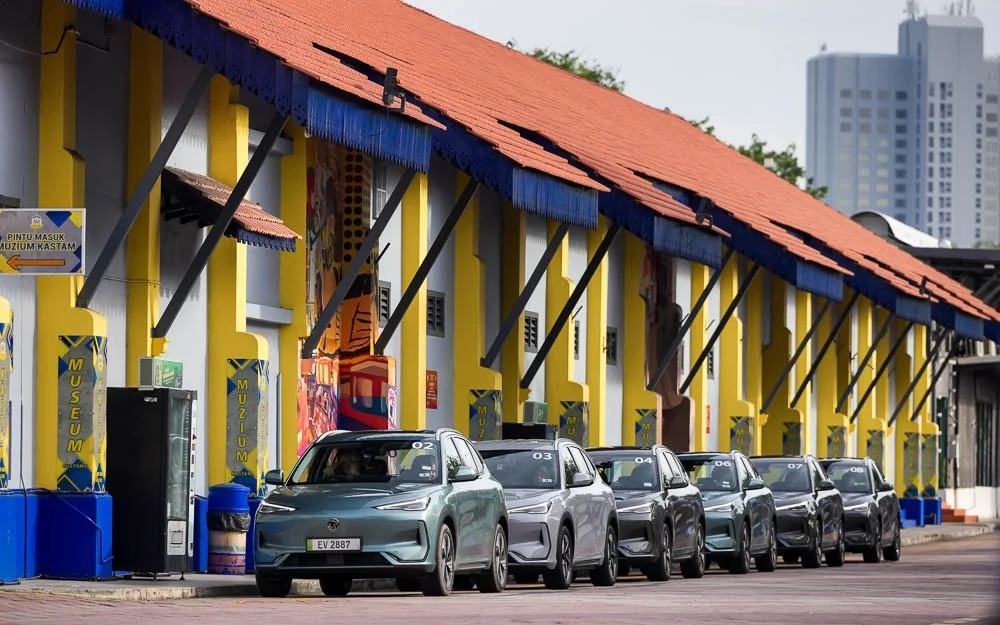
The Malaysia Automotive Association (MAA) reported total sales of 820,752 units in 2025, a modest 0.5% increase over 2024 but enough to overtake both Indonesia and Thailand. After finishing 2023 as the second‑largest market with 799,731 cars, Malaysia finally clinched the lead.
Indonesia Holds Firm at Second Place
Data from Gaikindo, cited by Marklines, show Indonesia sold 803,687 vehicles in 2025. This kept the country comfortably in second place, still far behind Malaysia’s output.
Thailand Slides Behind Vietnam
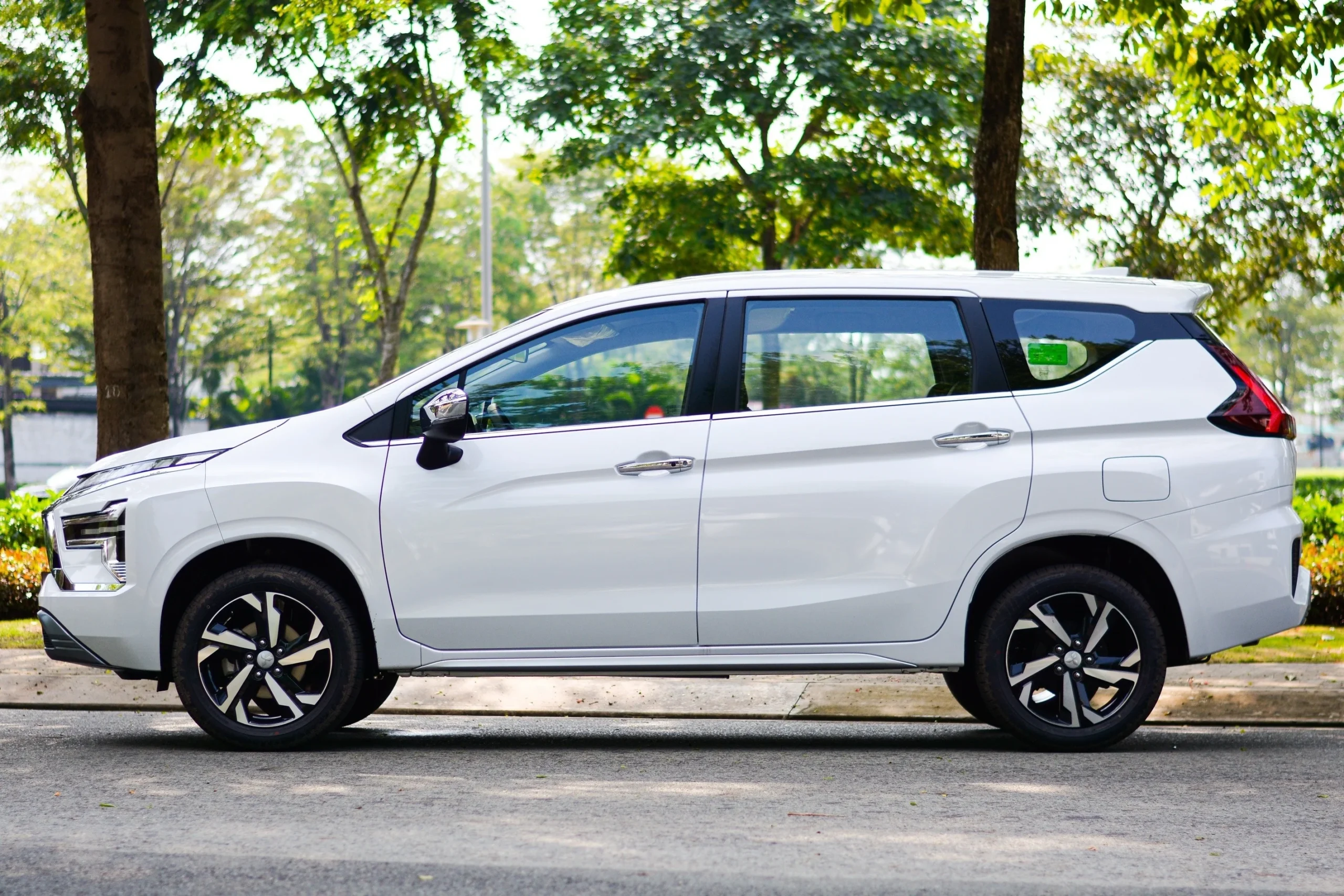
Thailand’s automotive federation (FTI) recorded 621,166 cars sold in 2025 – an 8.5% growth year‑on‑year but insufficient to stay among the top three. Vietnam, with a total of 604,046 units, including 375,736 from the Vietnam Automobile Manufacturers’ Association (VAMA), 53,229 Hyundai models, and 175,099 VinFast electric cars, now sits just 17,120 cars ahead of Thailand.
Vietnam’s Dual Engine: VAMA and VinFast
VAMA‑registered models grew 10.5% in 2025, while Hyundai’s presence dipped, leaving the electric‑vehicle segment as the primary growth driver. VinFast alone doubled its domestic EV sales, with the VF 3 model topping the list at 44,585 units.
Factors Behind the Shift
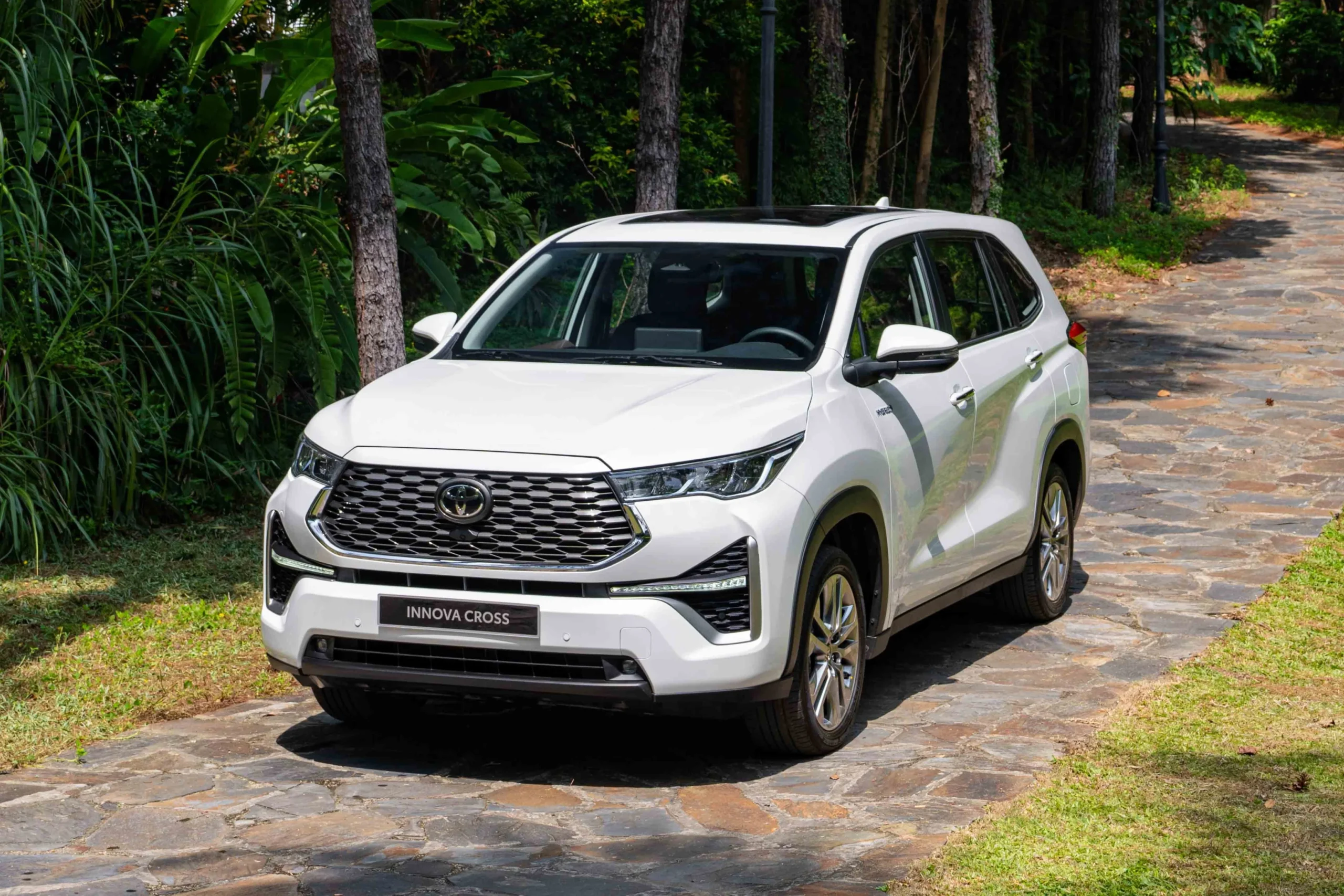
- Strong government incentives for electric and hybrid vehicles, slated to increase in 2026.
- Urban policies restricting older, high‑emission cars in major cities.
- Continued expansion of Vietnam’s local auto supply chain and component manufacturers.
Looking Ahead to 2026
If the current trajectory holds, analysts expect Vietnam to overtake Thailand entirely by the end of 2026, cementing its place among the region’s top three automotive markets. Ongoing support for clean‑energy vehicles and a robust domestic industry will be crucial to sustain this momentum.
Stay tuned for the latest developments in Southeast Asia’s rapidly evolving car market.