

Discover why tap water can damage your car’s windshield washer system—especially in winter—and how the right fluid protects pumps, nozzles, and sensors. Learn more now.
Many drivers assume that filling the windshield‑washer reservoir with tap water is a harmless, cost‑saving shortcut. In reality, that small habit can lead to costly repairs down the road.
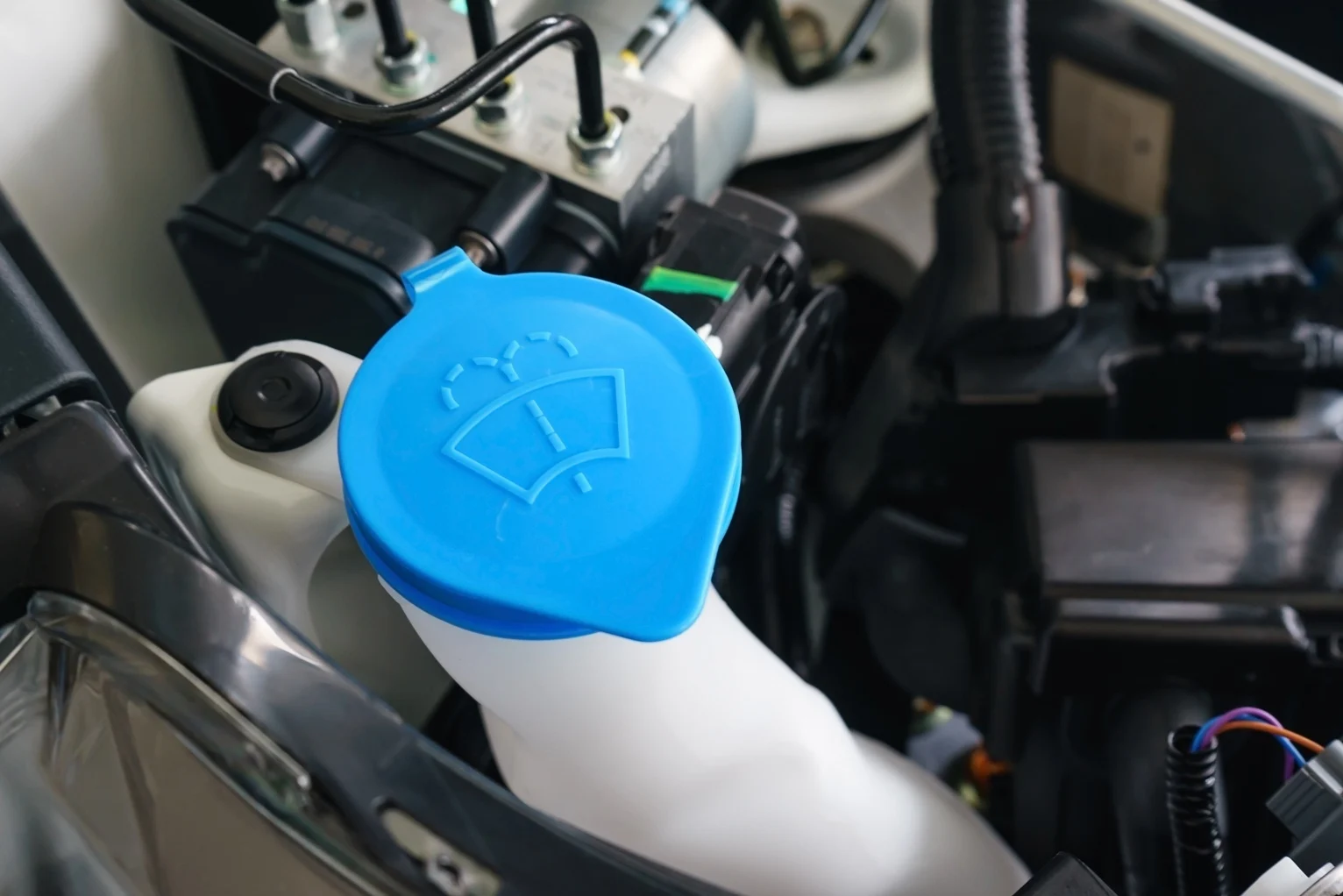
Modern washer systems aren’t just a tank and a spray nozzle
Today’s cars feature a network of components: a pump, dedicated tubing, spray nozzles, a fluid‑level sensor, and—on many models—heated elements to prevent freezing. These parts are engineered to work with specially formulated washer fluid, not raw municipal water.
Mineral buildup from untreated water
Tap water varies by region, but it often contains calcium, magnesium, and other minerals, especially in areas with hard water. Over time these minerals settle inside the tubes and nozzles, narrowing spray holes and reducing pressure. The effect looks similar to the white film that forms on bathroom mirrors after months of use.
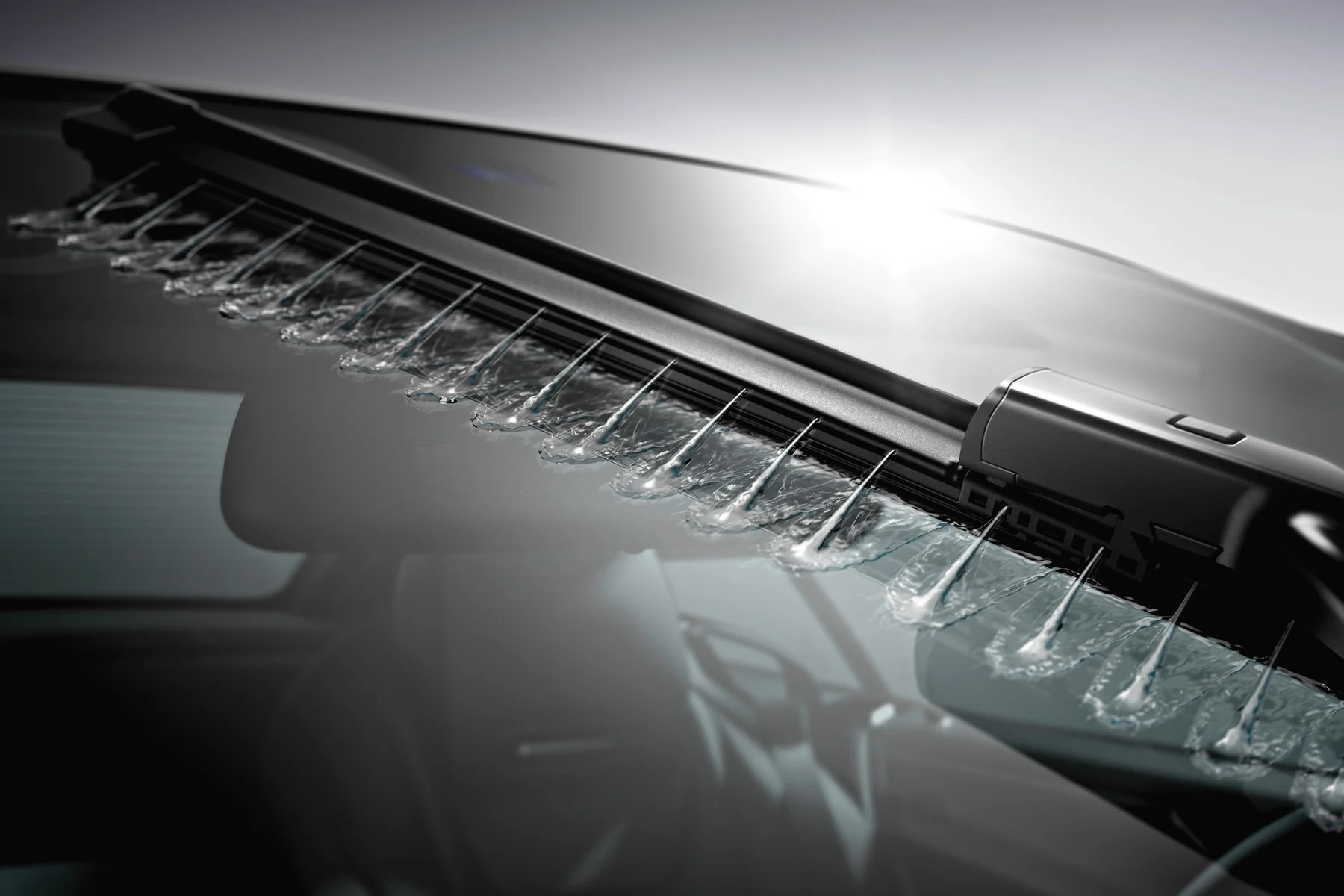
Risk to pumps, sensors, and heated elements
When mineral deposits accumulate, they can erode the pump’s impeller, lower fluid pressure, and cause premature pump failure. Level‑sensor circuits and heating wires are also vulnerable; mineral sludge can short‑circuit electronics or coat heating elements, diminishing their ability to melt ice.
Winter is the ultimate stress test
Standard washer fluid contains antifreeze agents that keep it liquid down to -40 °C (-40 °F). Plain water freezes at 0 °C (32 °F). When water turns to ice, it expands about 9 % in volume. Reservoirs, pumps, and tubing aren’t designed to accommodate that expansion, increasing the chance of cracks, leaks, or complete system blockage.
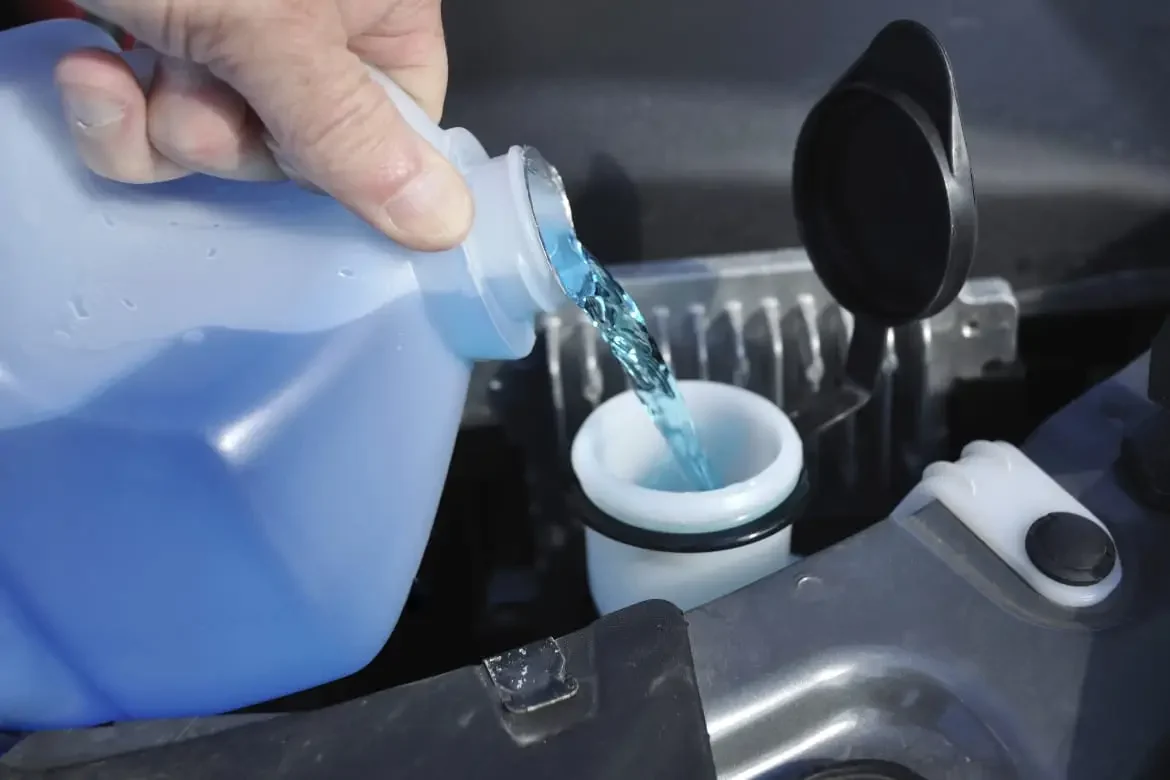
Long‑term cost implications
Using tap water might save a few cents now, but the hidden expenses—clogged nozzles, a failing pump, damaged sensors, or a cracked reservoir—can quickly outweigh any short‑term savings. A proper windshield‑washer fluid not only cleans more effectively but also protects vital components, especially in cold climates.
Bottom line
For reliable visibility and to avoid unexpected repair bills, stick with a quality windshield‑washer fluid that matches your climate and vehicle specifications. It’s a small investment that pays off every time you press the spray button.