
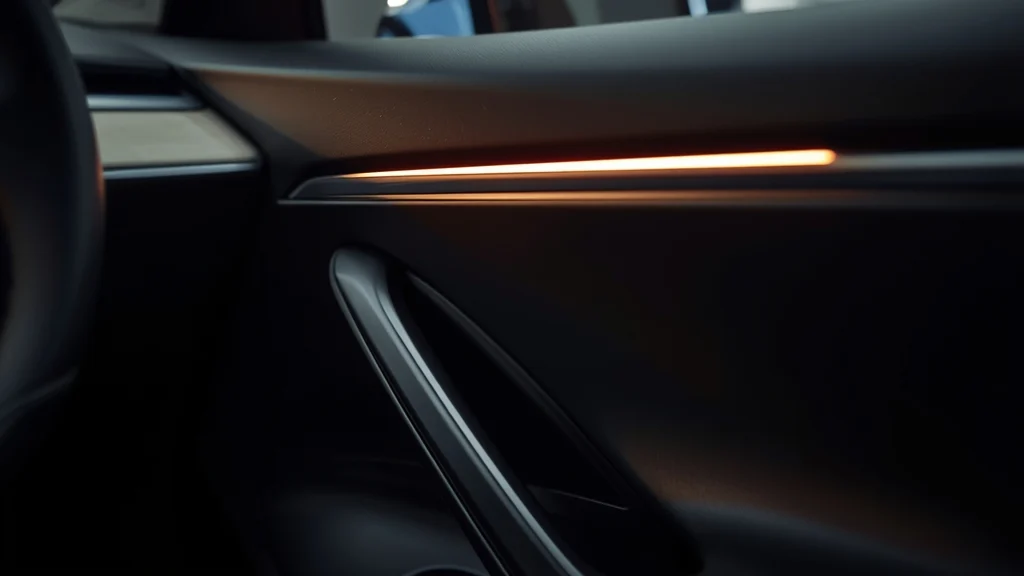
The U.S. NHTSA has opened an investigation into 2022 Tesla Model 3 vehicles over concerns that the emergency door‑handle may be hard to locate in a crash. Learn the latest details and what it means for owners.
What prompted the NHTSA probe?
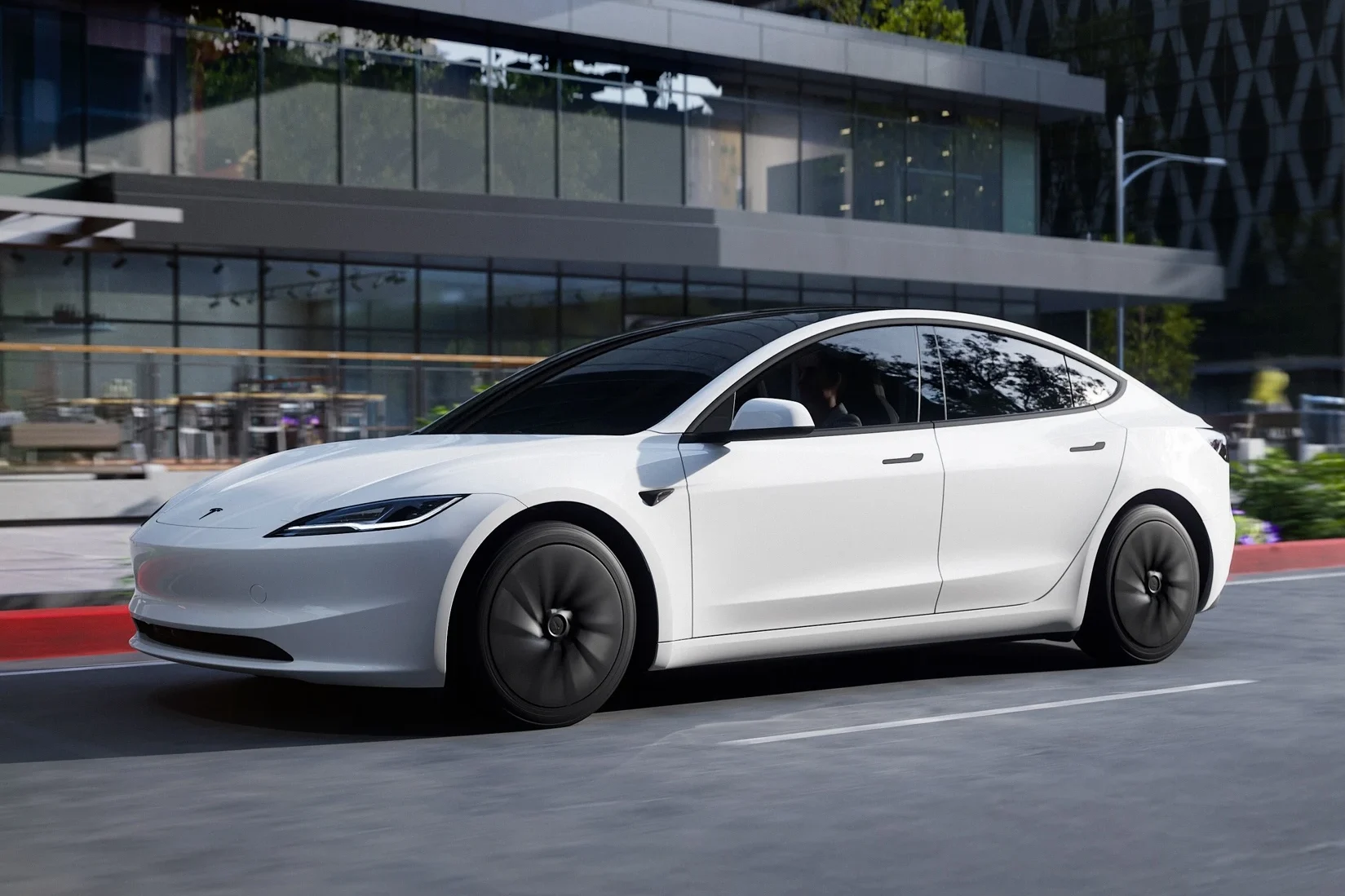
The U.S. National Highway Traffic Safety Administration (NHTSA) announced on December 23 that it is opening a defect investigation into roughly 179,000 2022 Tesla Model 3 sedans. The agency’s Office of Defects Investigation (ODI) says the focus is the mechanical emergency‑exit door handle, which may be difficult for occupants to locate or operate during a crash.
Scope of the inquiry
ODI’s investigation targets all Model 3s built for the 2022 model year. The complaint that triggered the probe alleged that the mechanical lever is concealed behind the door trim, lacks clear labeling and is not intuitively visible to rear‑seat passengers.
How Tesla’s doors work
Most Tesla vehicles use electronic door‑release buttons instead of traditional pull‑handles. In the event of a power loss, a hidden mechanical lever is intended to provide a manual escape route. Critics have long argued that the lever’s placement and design—often tucked out of sight—makes it hard to find, especially for rear‑row occupants.
Recent legal challenges
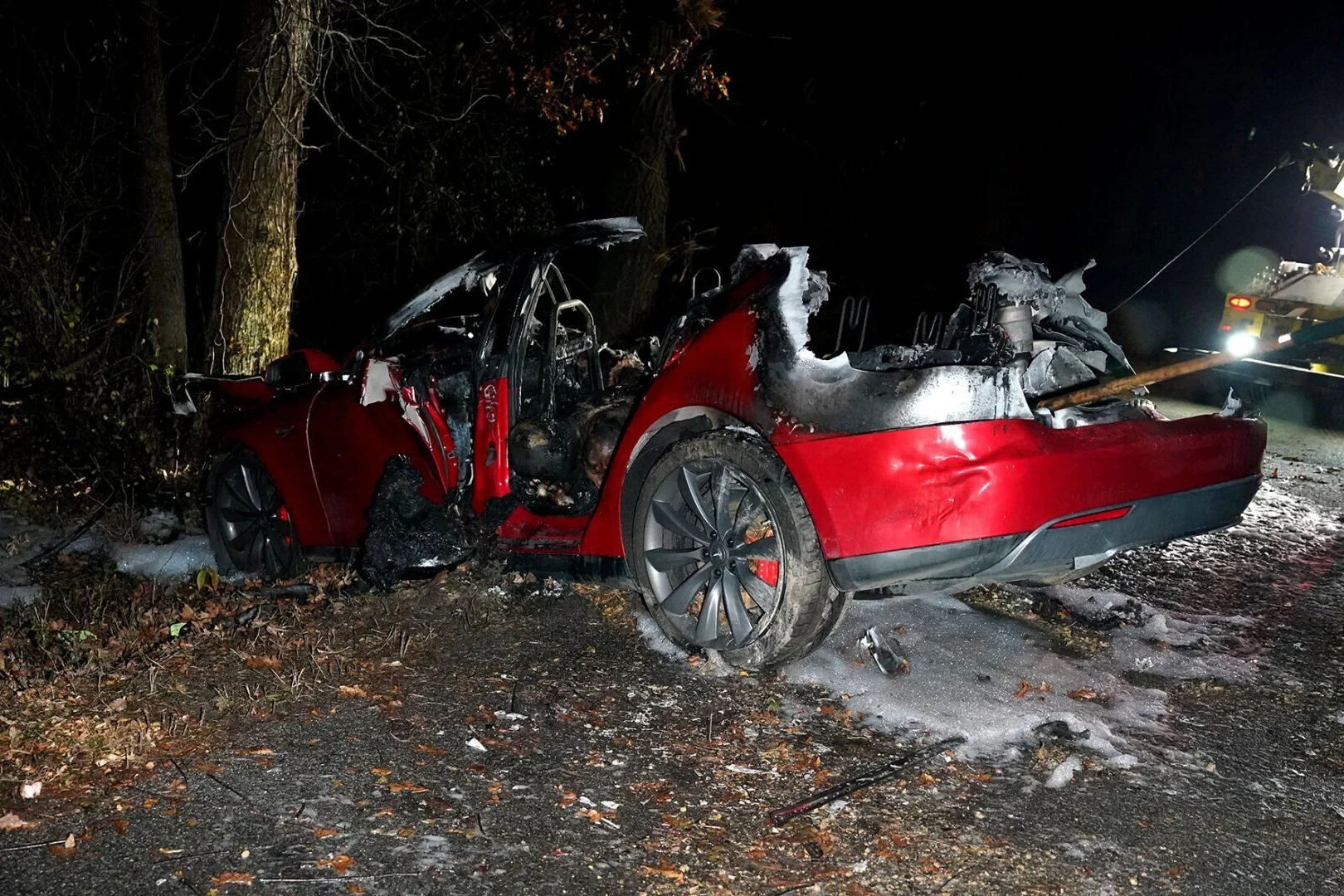
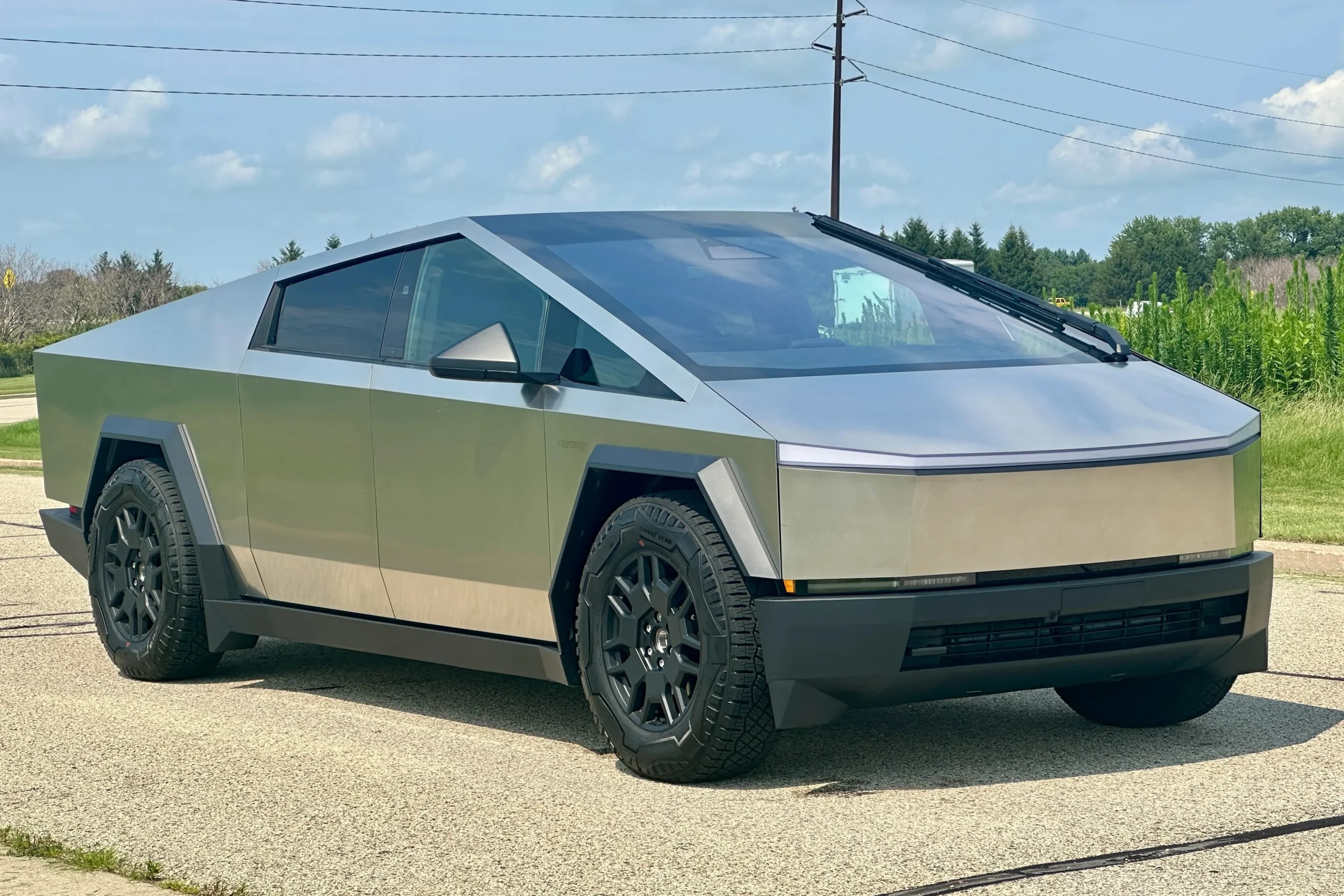
Last month, Tesla faced a lawsuit over a fatal fire in a Model S in Wisconsin, where five occupants were trapped because the door could not be opened. Earlier in November, the families of two university students sued Tesla after a Cybertruck allegedly caught fire and the emergency handles were deemed inadequately designed.
What could happen next?
Receiving a complaint does not mean a recall is imminent. However, NHTSA’s investigation is the first step in its safety‑evaluation process and could lead to mandatory service instructions, a recall, or other remedial actions if a defect is confirmed.
Broader context
In September 2025, NHTSA also opened a preliminary review of about 174,000 Model Y vehicles after owners reported that the electronic door handles sometimes failed to work. Combined with a dip in U.S. electric‑vehicle demand, these safety concerns add pressure on Tesla as it works to maintain consumer confidence.
Stay informed about the latest Tesla safety updates.