
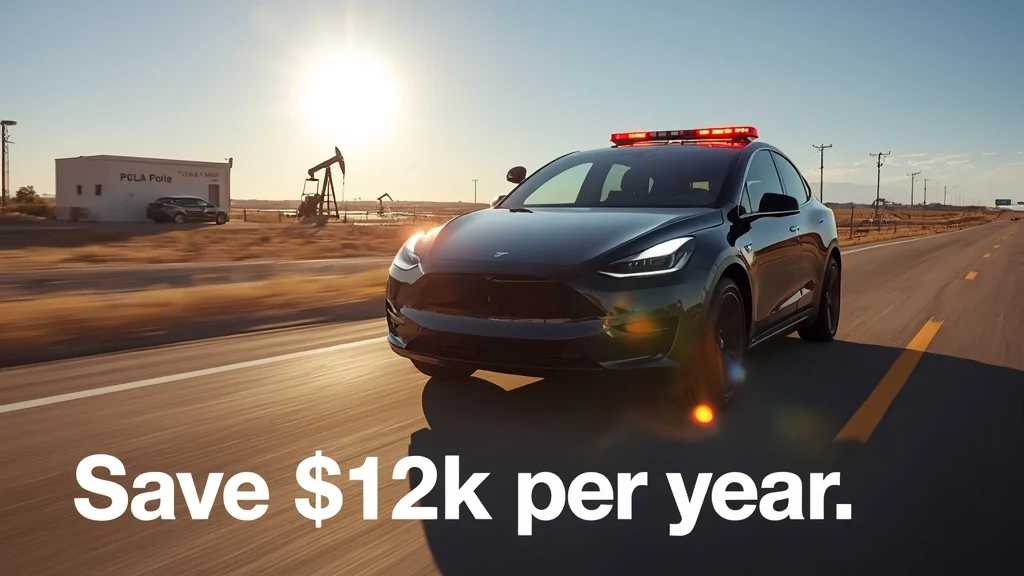
Texas police trial a Tesla Model Y patrol vehicle, slashing fuel costs by up to $12,000 annually. Learn how electric police cars boost efficiency today!
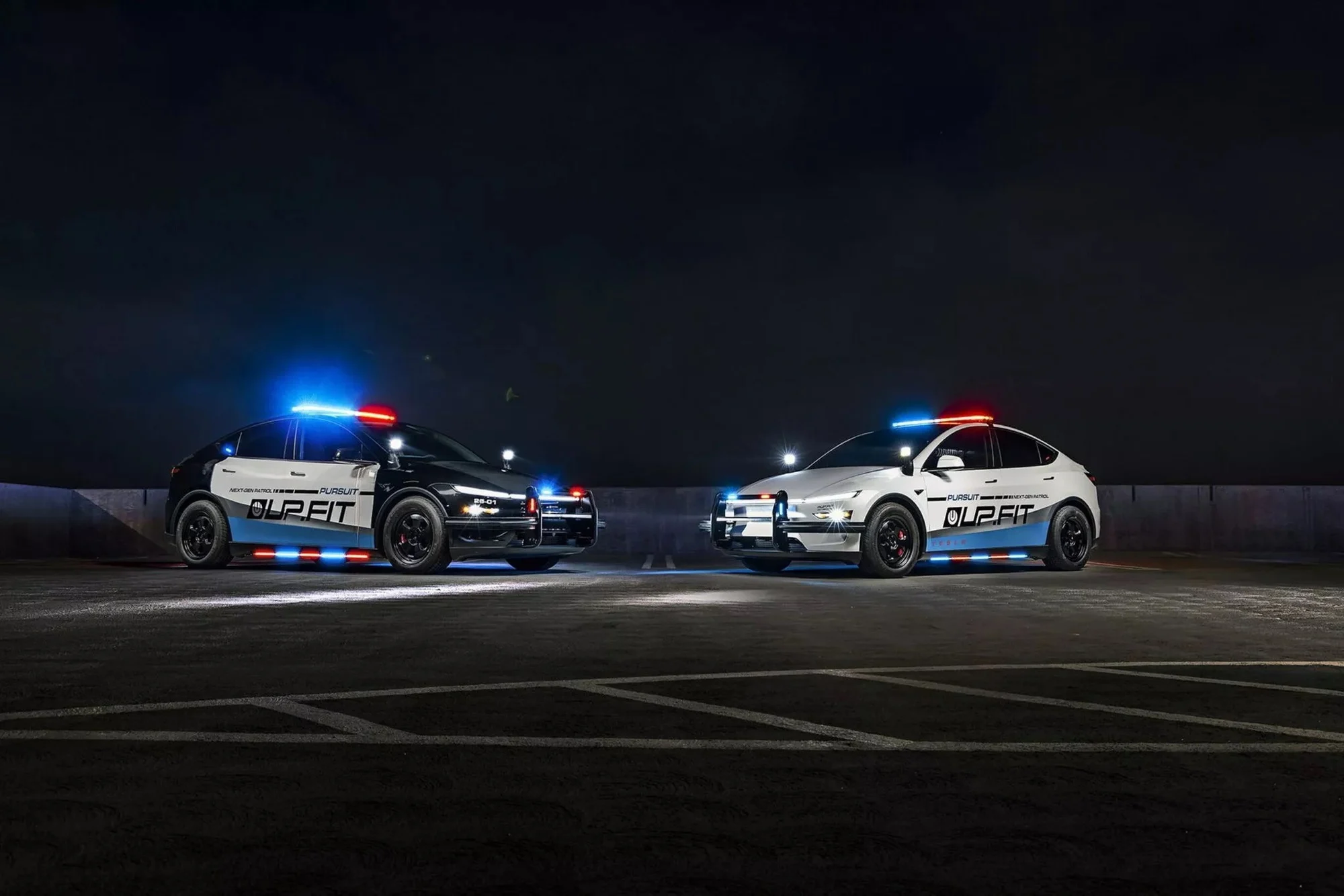
A Texas law‑enforcement unit has taken a bold step toward greener, cheaper patrols by converting a Tesla Model Y into an everyday police cruiser. The modified EV, dubbed the “Model Y Juniper,” is part of a pilot program that compares real‑world operating costs against traditional gasoline‑powered SUVs such as the Chevrolet Tahoe and Ford Explorer.
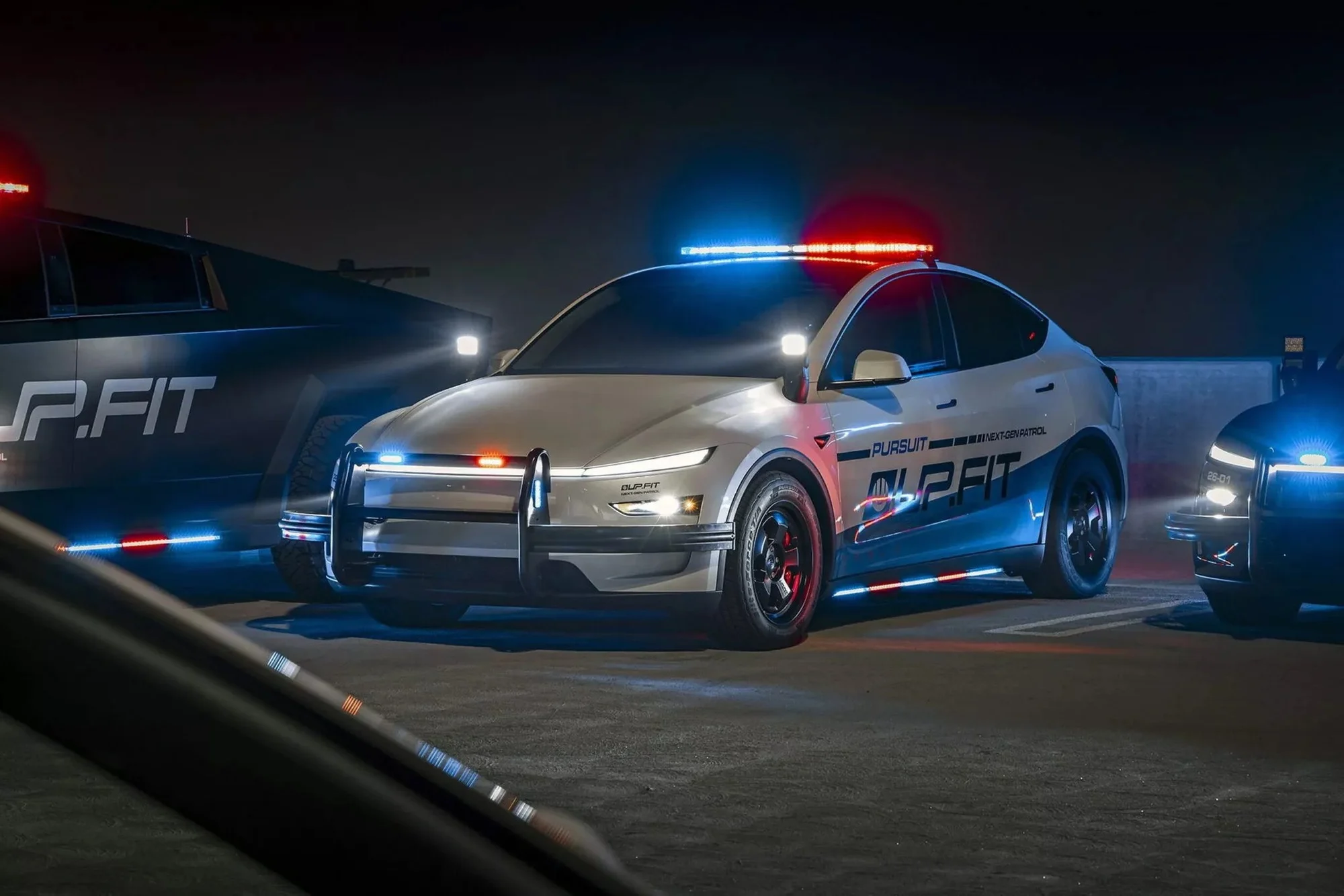
From Showroom to Squad Car
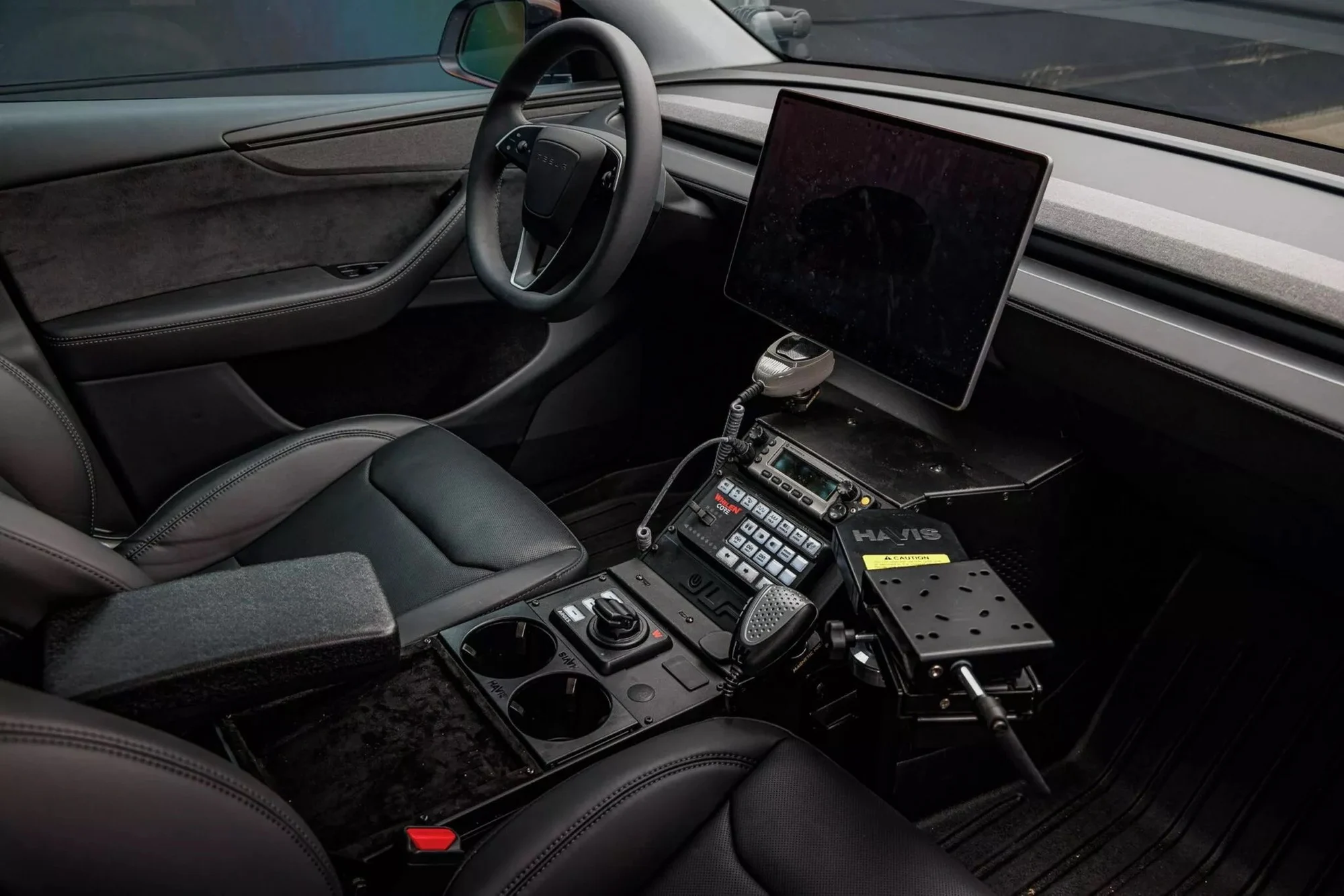
The conversion was handled by UP.FIT, a specialist shop that works with Unplugged Performance’s fleet division. Engineers added a front‑mount bumper, LED light bars on the roof and sides, a siren‑compatible light package, and 18‑inch forged‑alloy wheels with standard tires. The result is a fully functional police vehicle that retains the Model Y’s sleek silhouette while meeting department requirements.
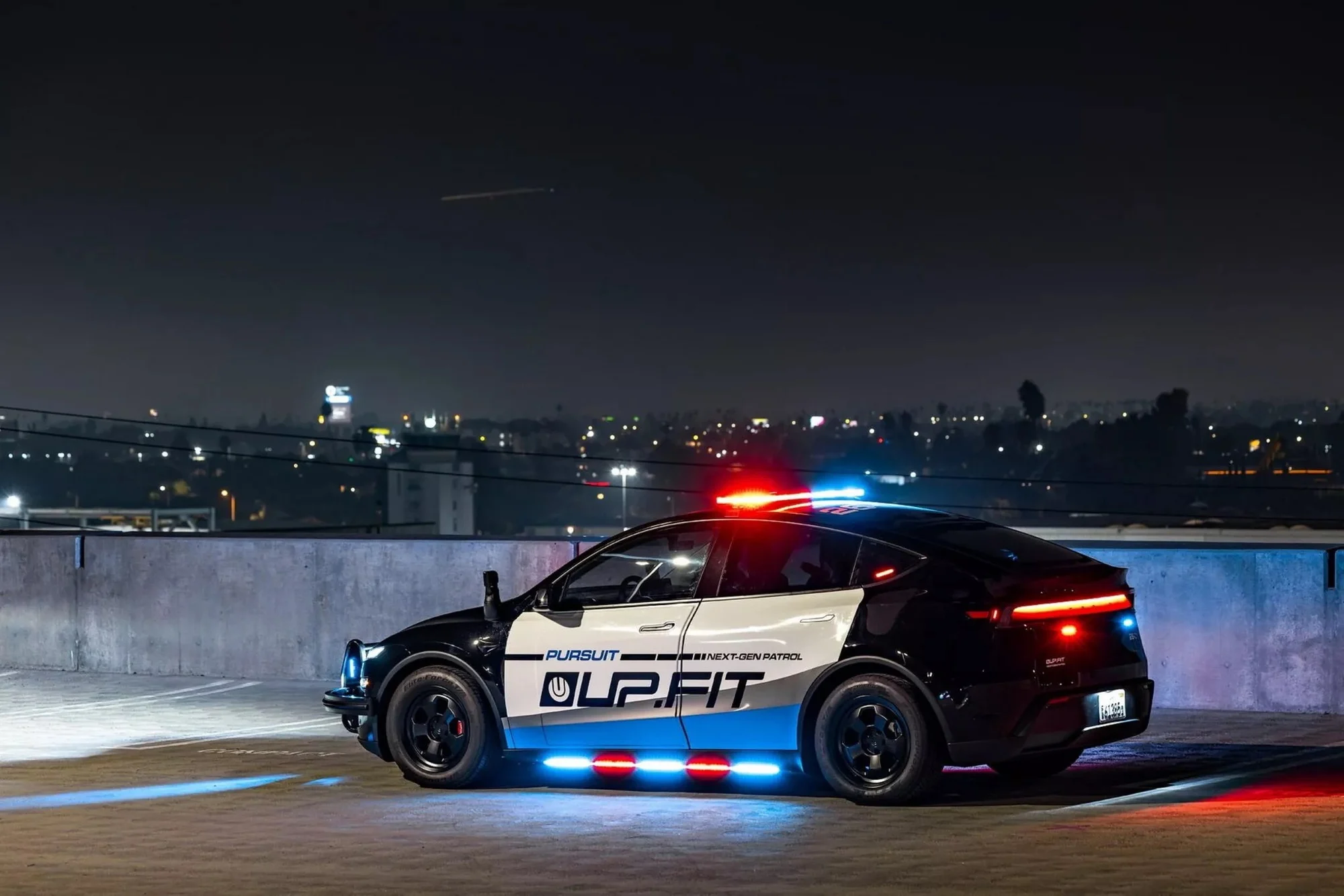
Cost Savings That Speak Volumes
According to data released by Murphy, Texas, each electric patrol car can save between $4,100 and $12,000 per year—roughly 300 million VND. The bulk of the savings comes from eliminating gasoline purchases; electricity and maintenance together cost up to 75 % less than their gasoline‑engine counterparts.
Operational Advantages Beyond the Pump
Electric drivetrains also eliminate idling wear, a common issue for internal‑combustion police vehicles that spend hours with the engine running while officers write reports or wait for calls. Engineers note that the Model Y can power lights, computers, and communications systems without the engine turning over, potentially doubling the vehicle’s service life compared with conventional SUVs.
Range, Performance, and Charging
The patrol‑ready Model Y keeps the original electric powertrain options—Rear‑Wheel Drive (RWD) or All‑Wheel Drive (AWD). EPA estimates translate to a real‑world driving range of 517–574 km (321–357 miles) on a full charge, easily covering most daily patrol routes. Quick‑charge stations at the precinct ensure the vehicle can top up during brief breaks.
Inside the Patrol Cabin
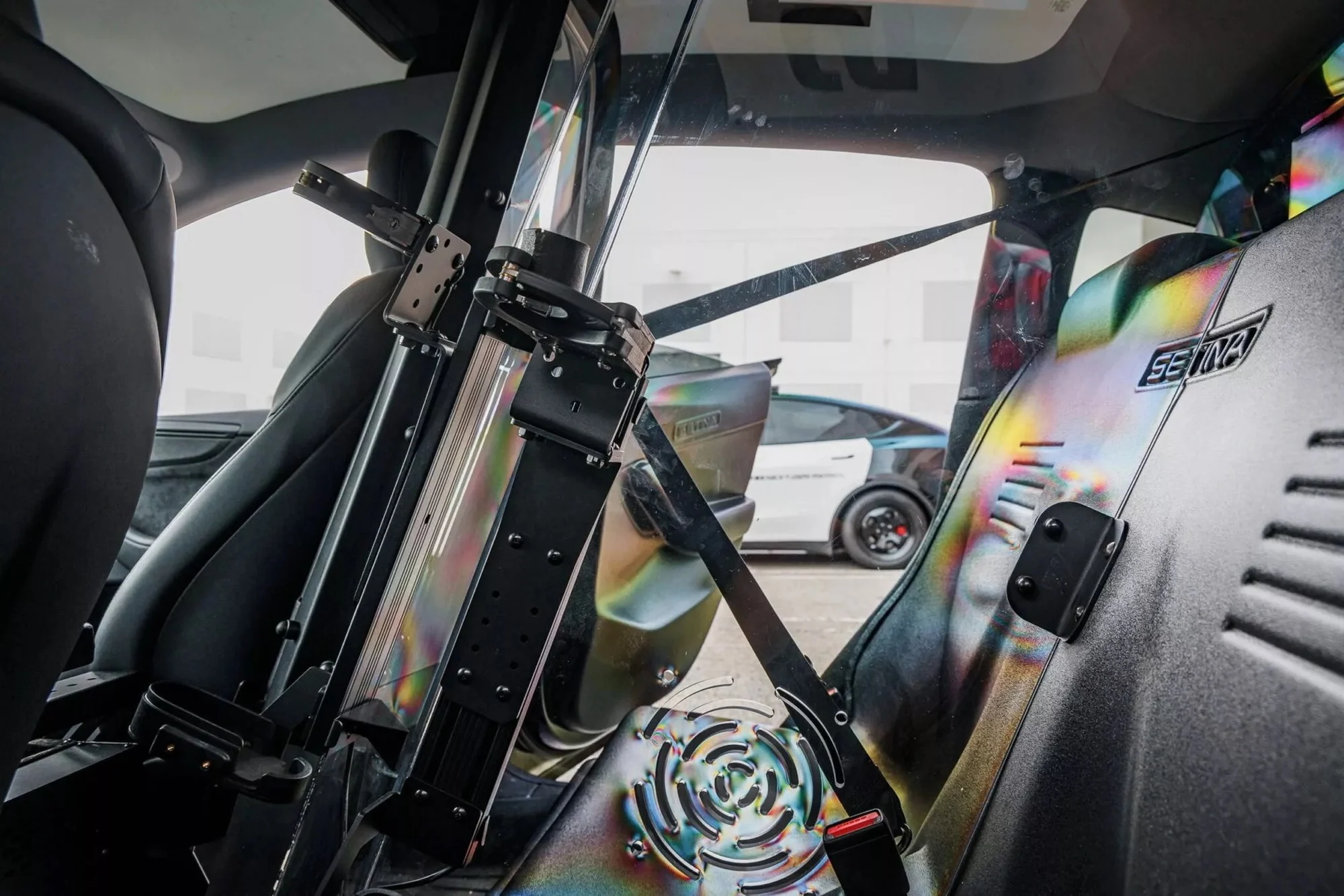
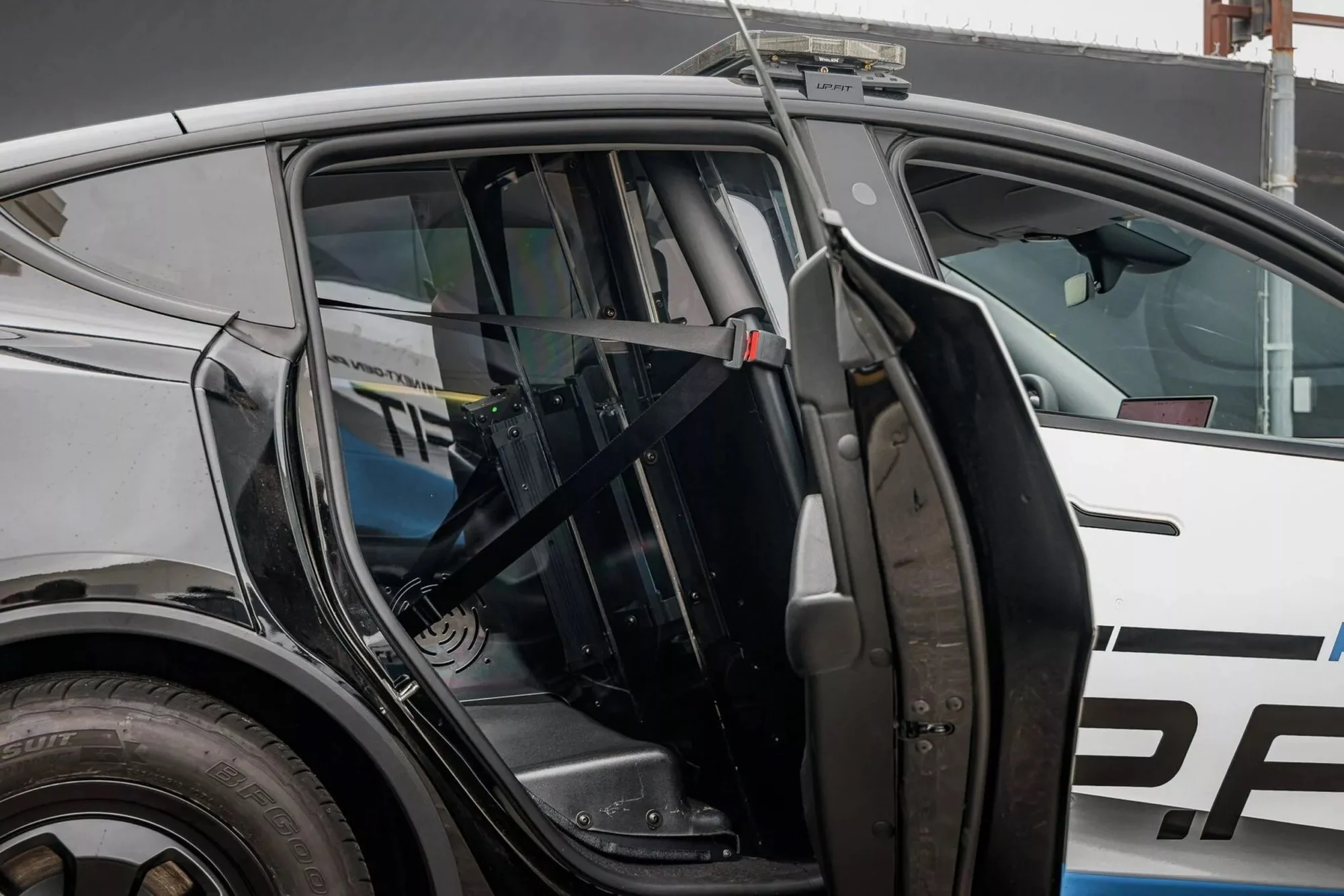
The interior has been tailored for law‑enforcement tasks. Additions include ventilated seats, enhanced sound‑proofing, a custom dash layout, a laptop mount, secure weapon storage, and a rear partition for detainees. Optional upgrades—such as bullet‑resistant door panels and reflective police‑style decals—are also available.
What This Means for Police Fleets
While Tesla does not currently produce a dedicated police edition, the success of the Model Y Juniper pilot demonstrates growing interest among agencies to adopt lower‑cost, high‑efficiency electric vehicles for routine duties. As battery technology improves and charging infrastructure expands, more departments are likely to explore similar EV conversions.
Looking Ahead
For now, the Texas test remains one of the first in the United States to field an electric SUV as a daily patrol car. The promising cost reductions and operational benefits could accelerate a broader shift toward electric police fleets nationwide.