
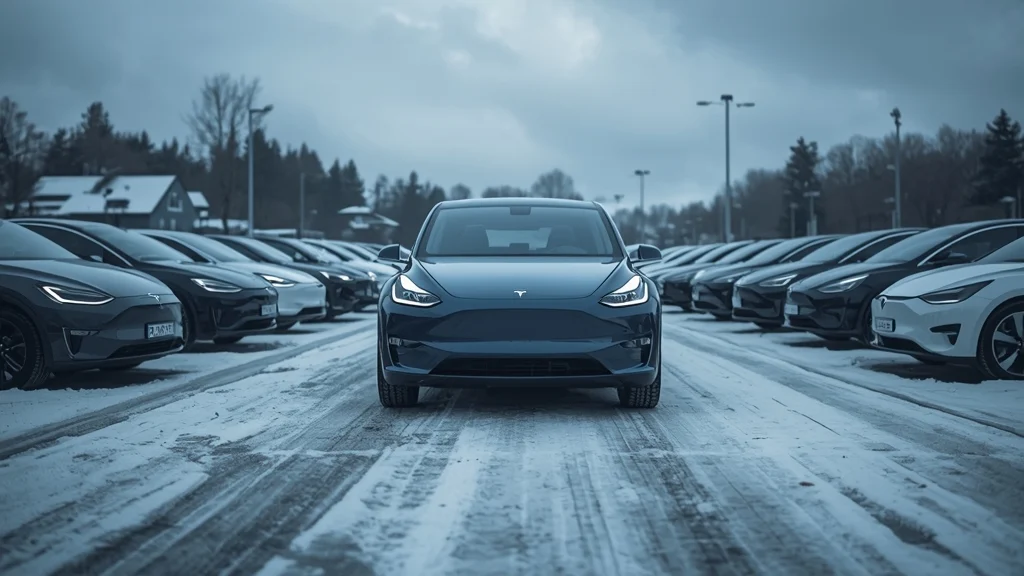
Tesla’s Norway sales fell 88% in January, crushed by rivals like Volkswagen ID.3. Discover the latest EV market shift – read more now!
In Norway – Europe’s most electric‑vehicle‑friendly market – Tesla is feeling the heat. New registration data for January 2025 shows the American EV giant sold just 83 vehicles nationwide, a staggering 88% decline compared with the same month last year.
Model Y loses ground fast
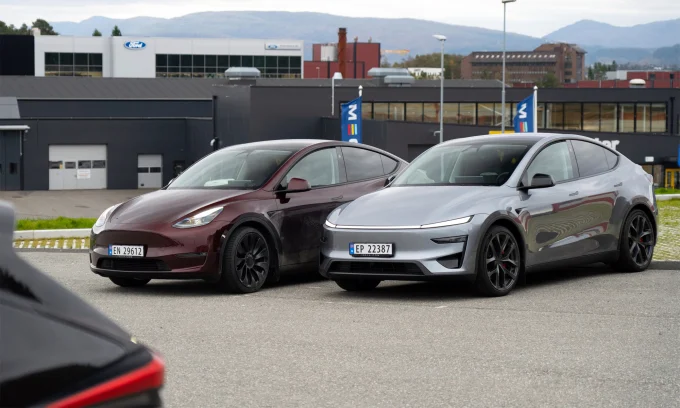
Only 62 of those 83 units were the Model Y, which accounted for a mere 2.8% of all new car registrations in the country. The Model Y, once a bestseller, now struggles to keep pace with emerging rivals.
Volkswagen’s ID.3 takes the lead
Leading the pack is Volkswagen’s ID.3, with 299 registrations in January – almost five times Tesla’s total. The German brand also placed its ID.4 at the sixth spot on the list, securing two positions within Norway’s top‑10 electric‑car rankings.
Other challengers rise
- Chinese newcomer Changan Deepal S05, launched in Norway in November 2025, outsold the Model Y.
- Toyota’s two electric models occupied the second and third positions, demonstrating the growing diversification of the market.
- Only one internal‑combustion vehicle appeared in the top‑10 – a Mercedes Vito/Viano diesel, representing 63.27% of all diesel sales.
Broader market context
December 2024 set a record for electric‑vehicle registrations, with battery‑electric cars (BEVs) making up 97.6‑98% of all new vehicles and the overall EV market share reaching an unprecedented 95.9% for the year.
However, analysts warned that the December surge could be a short‑lived spike, especially after Norway announced in October 2025 that its EV incentives had “mission accomplished” and would be phased out.
What the numbers mean
In January, only 98 diesel cars and 29 hybrids were sold, while a scant seven gasoline‑powered cars entered the market – a striking contrast in a nation with nearly 6 million vehicles on the road.
With the incentive wind‑down, the Norwegian EV market may stabilize, but Tesla’s dramatic sales dip signals that the brand can no longer rely on its historic dominance.
Looking ahead
For Tesla, the challenge will be to rekindle interest through new models, pricing strategies, or localized incentives. For consumers, the widening choice of EVs promises more competition, better technology, and potentially lower prices.
Stay tuned for updates on how this “electric‑car kingdom” evolves as traditional and new players vie for the top spot.