Tesla’s US‑standard Full Self‑Driving system is set to roll out in South Korea, giving the EV pioneer a regulatory edge over Hyundai. Learn more now.
Trade Deal Removes the 50,000‑Vehicle Cap
The newly‑signed Korea‑U.S. trade agreement for 2024 eliminates the previous limit of 50,000 U.S.-spec cars that could be imported into South Korea under American safety standards. By dropping this ceiling, Tesla faces far fewer legal obstacles than domestic rivals.
Tesla’s Full Self‑Driving (FSD) at a Glance
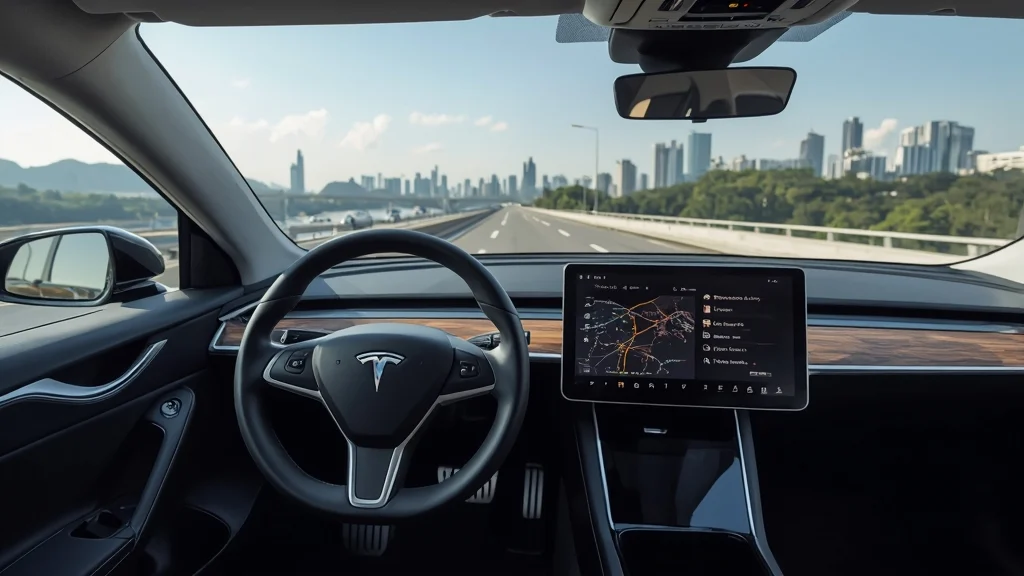
Tesla’s Full Self‑Driving system is technically a Level‑2 driver‑assist package. It can steer, control speed, change lanes, plan routes and even park, but a driver must remain attentive and ready to take over at any moment. Liability for any accident still rests with the human operator.
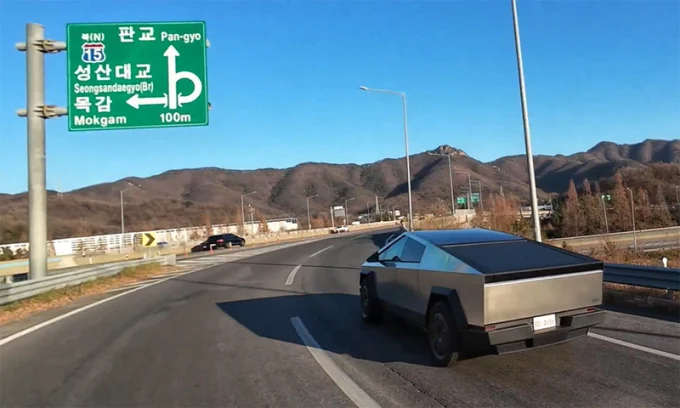
Currently, FSD is only available on U.S.-built models equipped with Tesla’s HW4.0 hardware platform – upgraded Model S, Model X and the upcoming Cybertruck. In South Korea, this means roughly 0.3 % of the 47,941 Teslas sold this year – just 145 units imported from the United States – can use the feature. The other 99.7 % are Chinese‑produced cars that lack FSD capability.
Why Hyundai & Kia Are Stuck
South Korean regulators apply a stricter safety framework than the United States. The rules demand detailed certification of electronic control units and functional‑safety testing, limiting how quickly manufacturers can add over‑the‑air updates for new driver‑assist functions.
Consequently, Hyundai and Kia must follow a more cautious roadmap: a gradual rollout of Level‑2 systems, an upgrade to a “Level‑2+” suite by 2027, and eventual preparation for Level‑3 approval.
Leadership Turbulence at Hyundai’s Autonomous Unit
Hyundai’s 42dot subsidiary, which focuses on autonomous‑vehicle technology, recently saw the resignation of its CEO, Song Chang‑hyeon. Analysts at Meritz Securities view the move as a strategic shift – Hyundai is leaning more on partnerships (notably with Nvidia) rather than pursuing a wholly independent smart‑car platform. This could accelerate its catch‑up, but the leadership vacuum also adds uncertainty.
Expert View: Consumer Loyalty May Shift
Lee Ho‑geun, a professor of automotive engineering at Daeduk University, warns that the widening regulatory gap could “speed up the migration of brand loyalty toward Tesla,” especially among tech‑savvy buyers who value over‑the‑air updates and advanced driver‑assist capabilities.
Future Outlook for Tesla in Korea
- With the 50,000‑vehicle cap removed, U.S.-spec Teslas can enter the Korean market without additional safety‑approval hurdles.
- While Tesla continues to dominate Korean sales with China‑built models, those cars cannot activate supervised FSD under current regulations.
- The Korean Ministry of Land, Infrastructure and Transport (MOLIT) is preparing to adopt the UNECE DCAS (Driver‑Control Assistance System) rule, which permits automatic lane changes without manual turn‑signal input, provided the driver continuously monitors the vehicle.
- After a two‑year transition period, Chinese‑built Teslas that meet UNECE standards could gain supervised FSD functionality, potentially as early as 2027.
What This Means for the Korean EV Landscape
For now, Tesla’s advantage lies in its ability to push updates directly to U.S.‑spec vehicles, sidestepping the protracted local certification process. Hyundai and Kia, on the other hand, must balance safety compliance with the desire to close the tech gap. The coming years will likely see an accelerated race toward Level‑3 autonomy, with regulatory alignment playing a decisive role.