
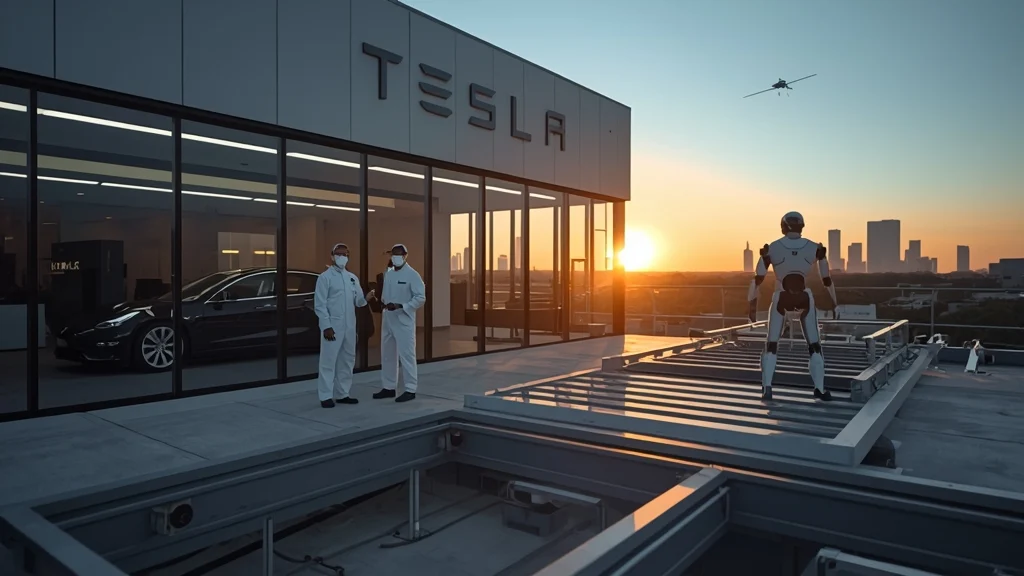
Elon Musk unveils Tesla’s Terafab, a massive Austin chip factory destined for cars, robots and space‑based AI. Discover the future of hardware today!
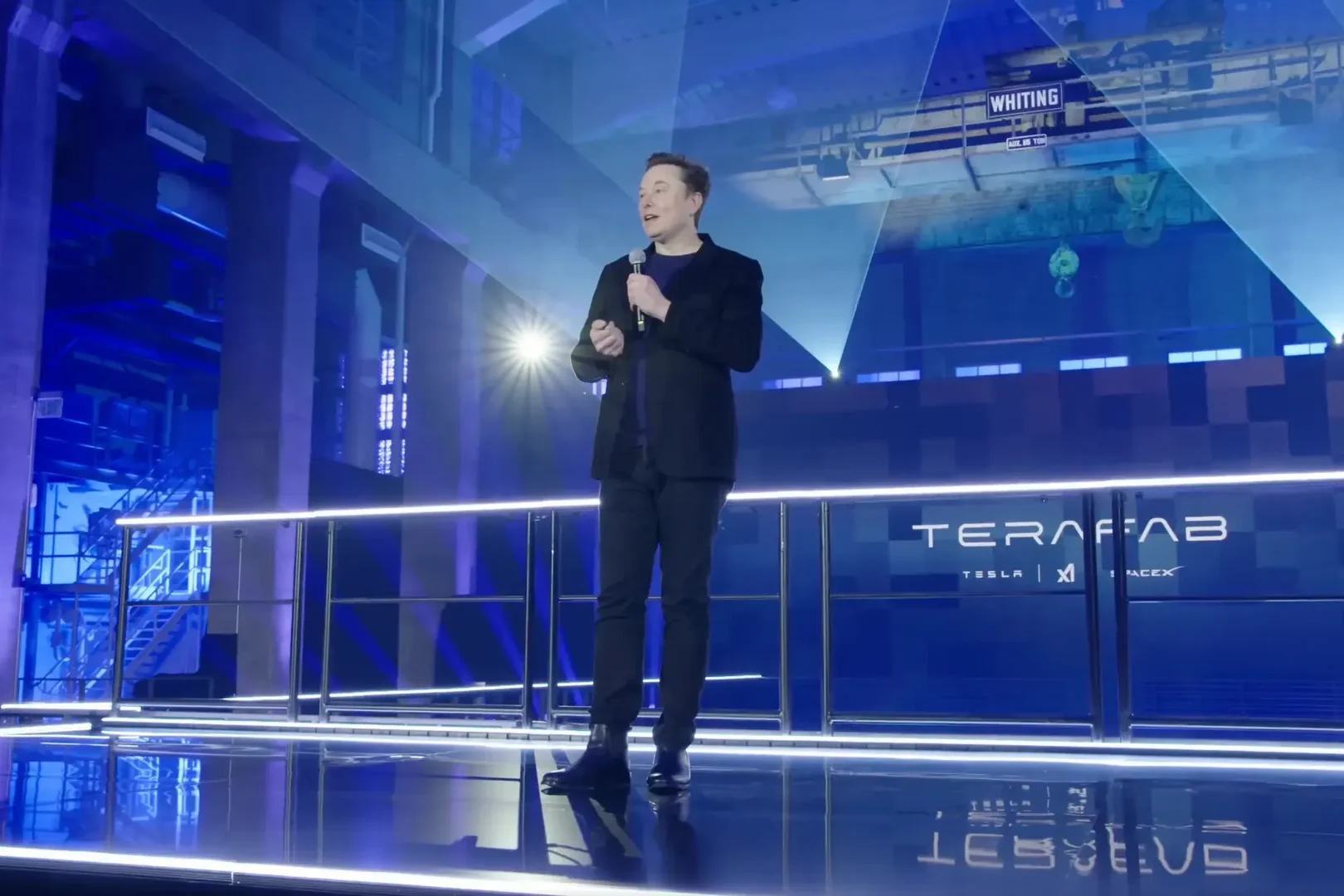
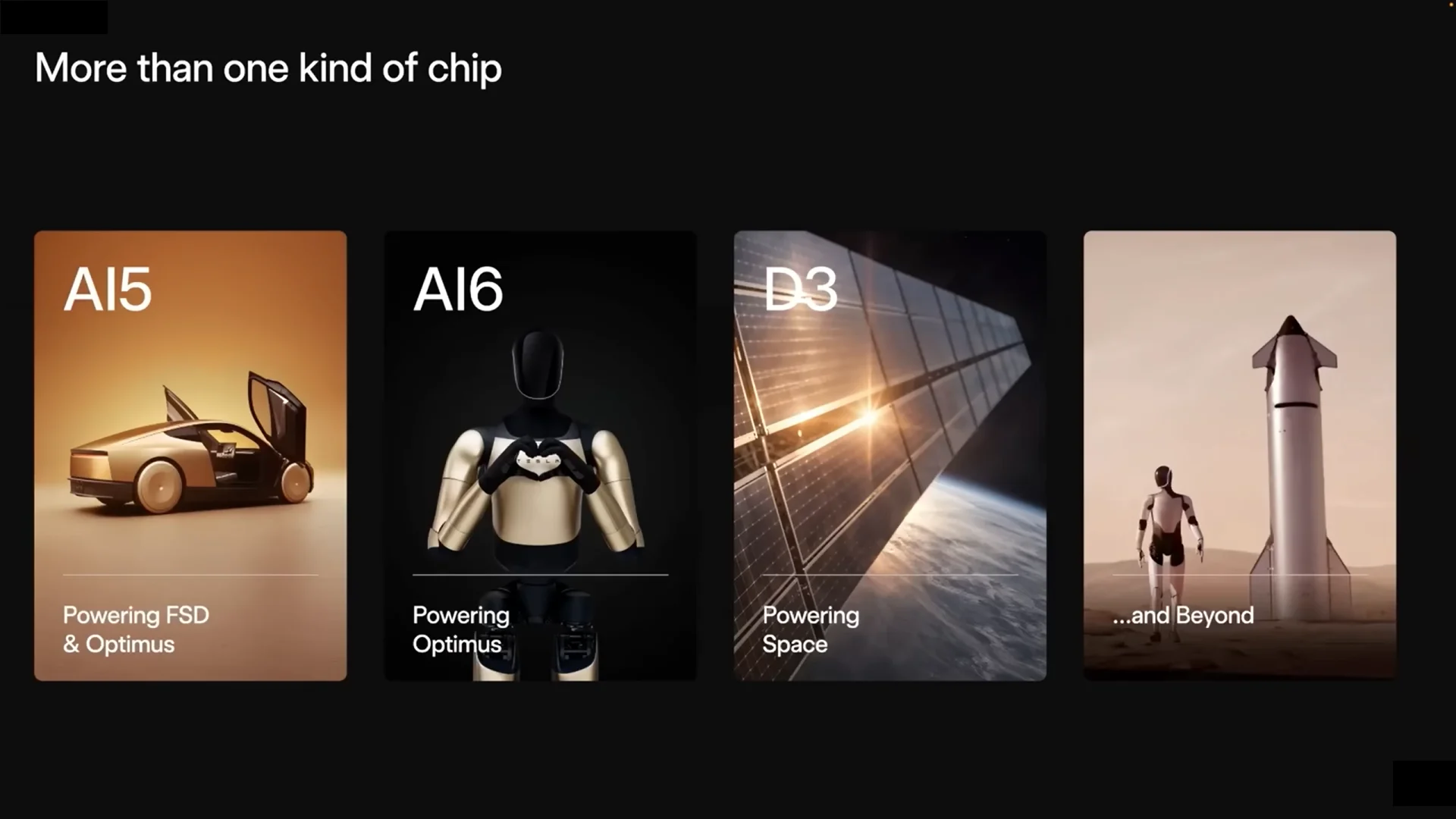
Elon Musk announced that Tesla and SpaceX will co‑develop a massive semiconductor complex in Austin, Texas, dubbed “Terafab”. The facility will house two separate fabs – one dedicated to the high‑performance chips that power Tesla’s electric vehicles and the Optimus humanoid robot, and another focused on AI processors for data‑center workloads and future space‑based applications.
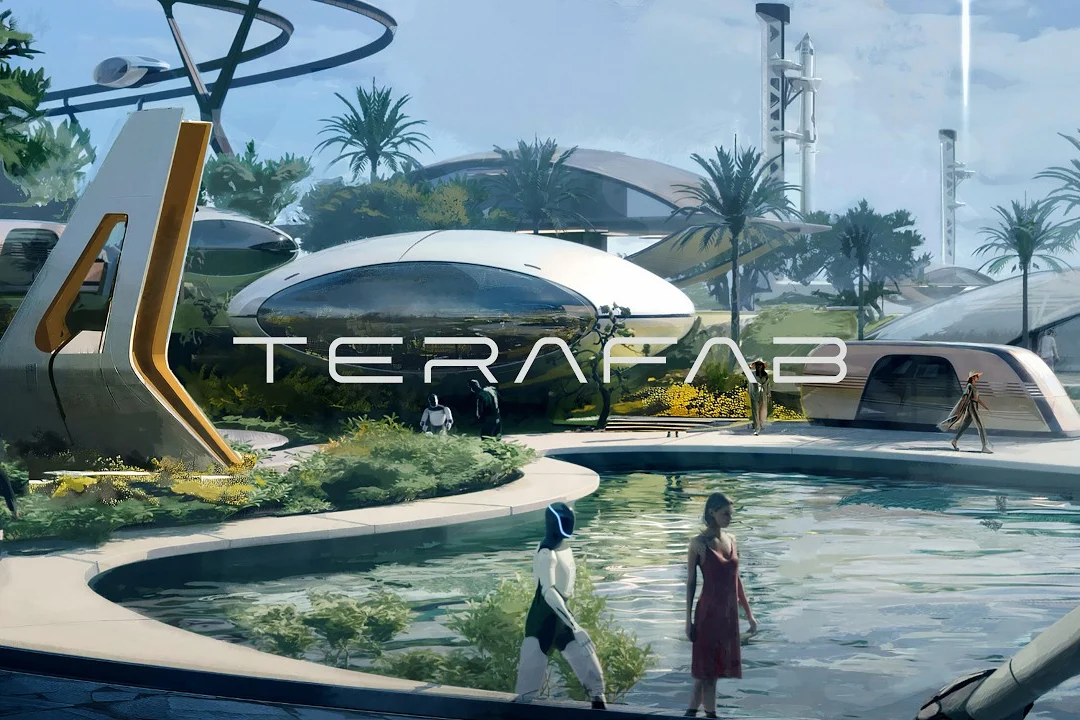
Two fabs, two missions
Each fab will specialize in a distinct chip family. The first will supply the automotive and robotics divisions of Tesla, ensuring a secure, in‑house source of the processors that enable full‑self‑driving, battery‑management and robot control. The second fab will churn out AI accelerators designed for massive data‑center clusters and, uniquely, for AI‑enabled satellites operating in the harsh environment of space.
Powering the next wave of AI
Musk claims the combined computing capacity of Terafab could reach 1 terawatt‑year per annum – roughly double the current total power consumption of all U.S. data centers. Such output would provide the raw horsepower needed for next‑generation neural‑network training, autonomous‑driving fleets, and real‑time space analytics.
Why an in‑house chip strategy?
- Global chip shortages have shown the vulnerability of relying on external foundries.
- Current suppliers such as Samsung, TSMC and Micron are already stretched by soaring demand.
- Securing its own supply chain allows Tesla and SpaceX to iterate faster and keep costs predictable.
From Earth to orbit
One of the AI chips will be ruggedized for satellite use, featuring high thermal tolerance and radiation‑hard designs. “We need a chip that can survive more extreme conditions than anything on the ground,” Musk said, highlighting the ambition to extend Tesla’s AI ecosystem beyond the planet.
Challenges and timeline
While the vision is bold, Musk did not disclose a concrete rollout date. Past mega‑projects have sometimes slipped, but the partnership with SpaceX – which is preparing for a potential public listing valued at up to $1.75 trillion – adds financial heft and a clear demand pipeline.
What it means for the industry
If realized, Terafab could reshape the semiconductor landscape, creating a vertically integrated hardware node that serves automotive, robotics, cloud AI, and space sectors. Competitors will need to watch closely as the Musk‑led duo pushes the boundaries of chip manufacturing.
Stay tuned as more details emerge about construction milestones, chip specifications, and the broader impact on global chip supply.