
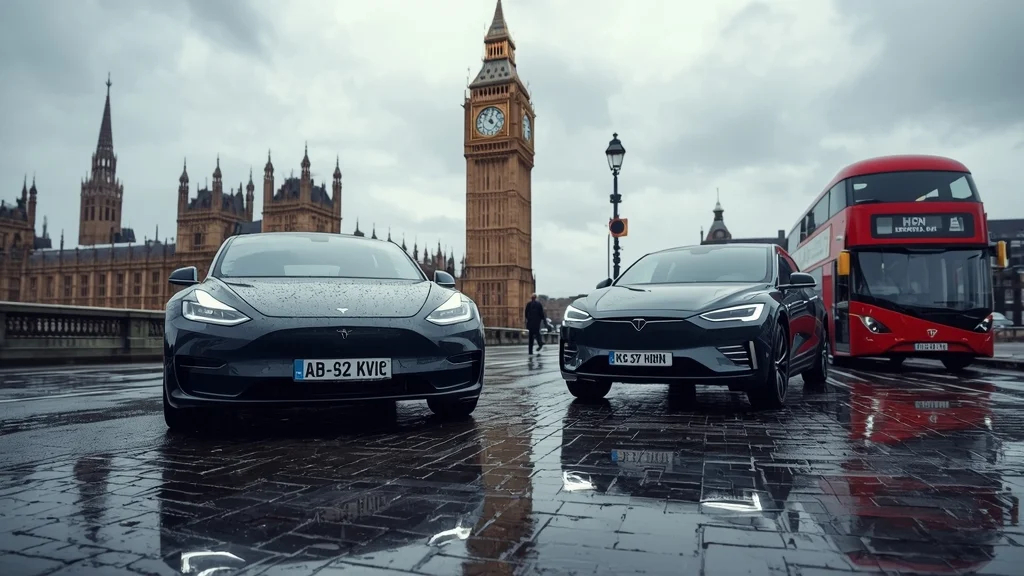
Tesla’s UK sales fell 37% in February 2026, while Chinese EV makers like BYD surged. Discover the market dynamics and what’s next for electric cars.
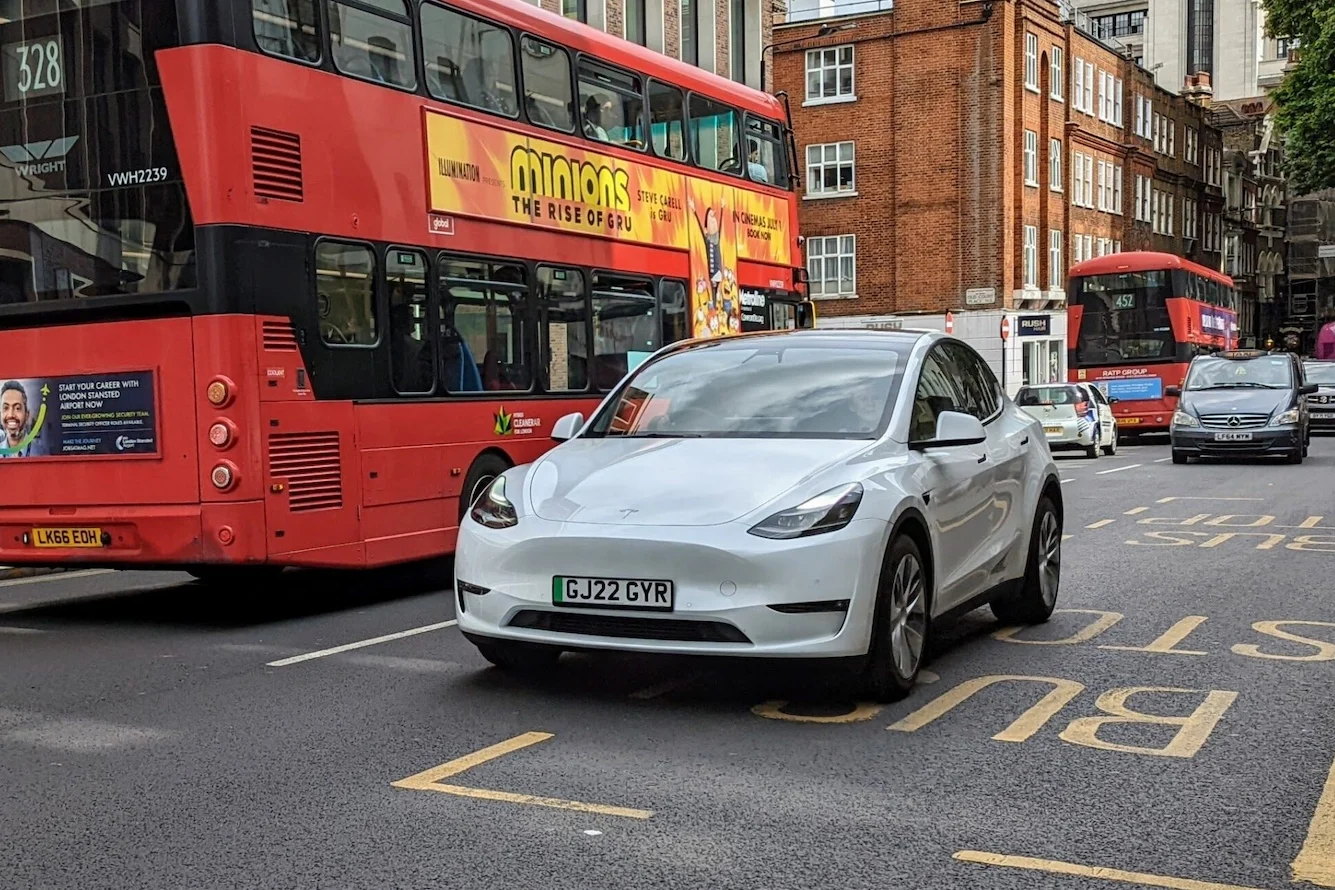
In February 2026 Tesla’s UK footprint contracted sharply, with the company delivering just 2,422 vehicles – a 37 % drop compared with the same month a year earlier. The decline comes as Chinese electric‑vehicle (EV) brands, most notably BYD, ramp up sales and intensify competition in Britain’s fast‑evolving automotive market.
UK market snapshot
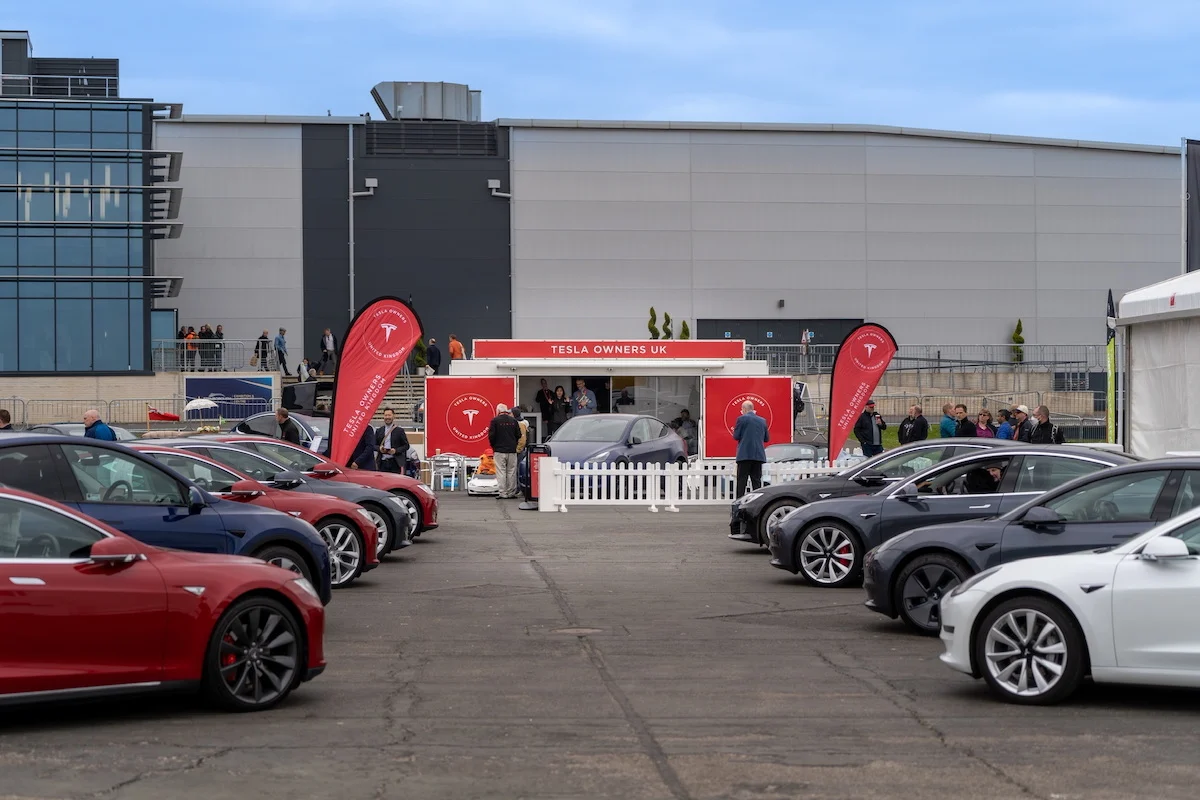
According to the Society of Motor Manufacturers and Traders (SMMT), the total number of new cars registered in the UK rose 7.2 % year‑over‑year to 90,100 units, marking the best February sales figure since 2004. The upswing was driven largely by a rebound in private‑buyer demand.
Tesla’s response to the numbers
Tesla officials argue that monthly registration figures do not accurately reflect the company’s performance. In a statement to UK media, the manufacturer said its sales are better gauged on a quarterly basis, reflecting the logistics of moving vehicles from factories to dealers. “Monthly registration data misses the true picture,” the company explained. “Both order volume and reservation numbers for the first two months of the year exceeded those of the same period in 2025 and 2024, but many orders remain pending registration and delivery. “
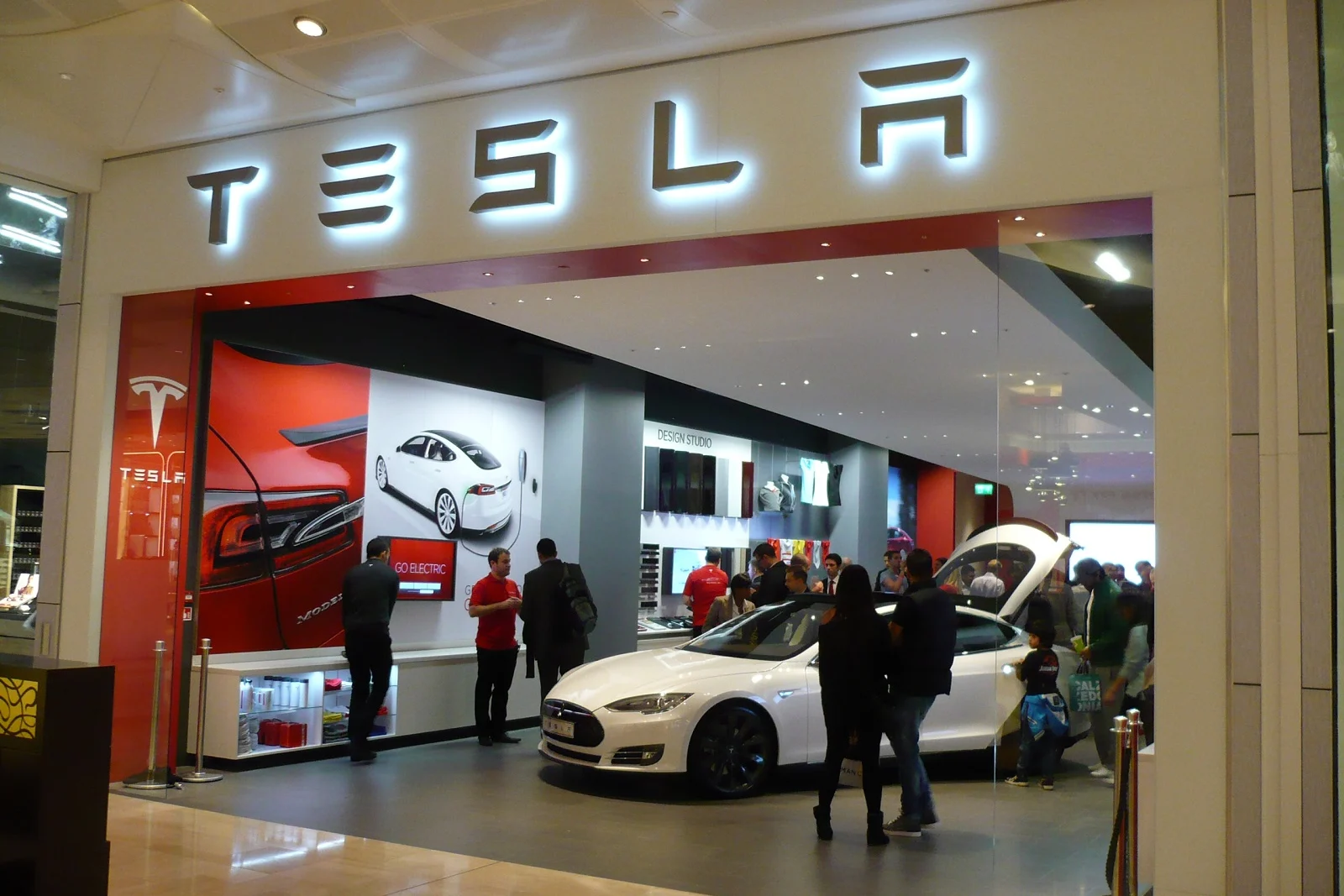
Independent research firm New Automotive reports a similar trend, estimating that Tesla’s February sales in the UK fell to roughly 2,208 units – almost a 50 % reduction from the prior year.
Chinese EVs on the rise
BYD, one of China’s largest EV manufacturers, showed a starkly different trajectory. New Automotive data points to a 40 % increase in BYD sales for February, while SMMT figures suggest an even more dramatic 83 % jump. Despite the rapid growth, BYD’s total volume still lags behind Tesla’s overall UK deliveries.
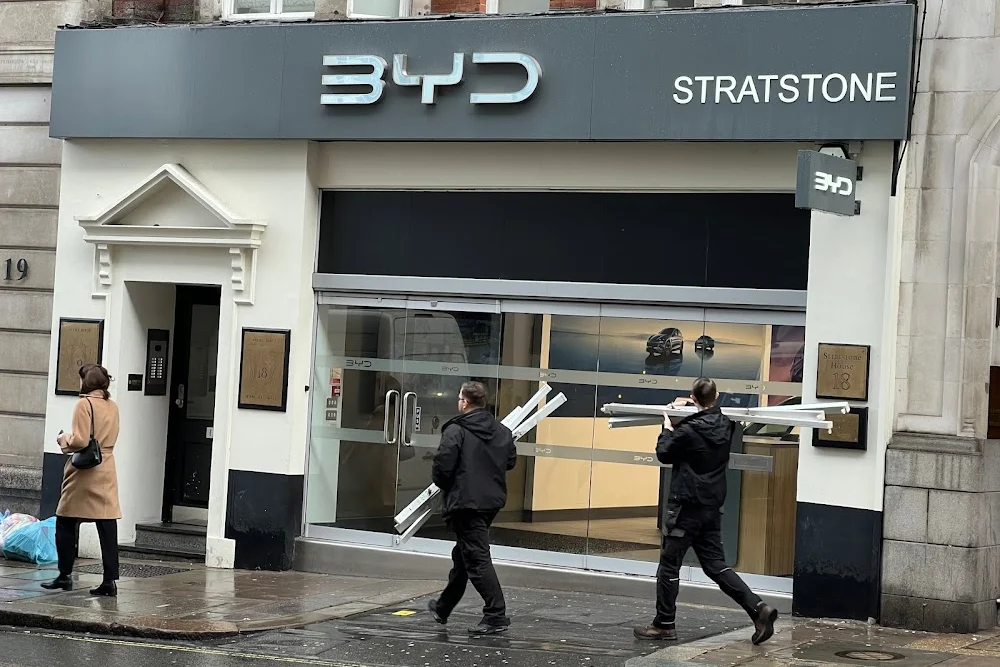
The divergent statistics from SMMT and New Automotive stem from differing data sources and calculation methods, yet both underscore a clear pattern: Chinese EV brands are gaining momentum and applying growing pressure on Tesla’s market share in Britain.
European performance contrast
While the UK proved challenging for Tesla, several other European markets reported notable recoveries during the same period:
- France: +55 %
- Portugal: +100 %
- Spain: +74 %
- Norway: +32 %
- Belgium: +14 %
Conversely, sales slipped in the Netherlands (-45 %), Denmark (-18 %) and Italy (-7 %). These mixed results highlight the uneven nature of the EV transition across the continent.
What’s next for Tesla in the UK?
Analysts suggest that Tesla will need to address supply‑chain timing, local pricing, and the expanding model line‑up from Chinese rivals to regain traction. As the UK government continues to push for higher EV adoption, the competitive landscape is set to tighten further, making the next quarter a critical test for the American electric‑car pioneer.