
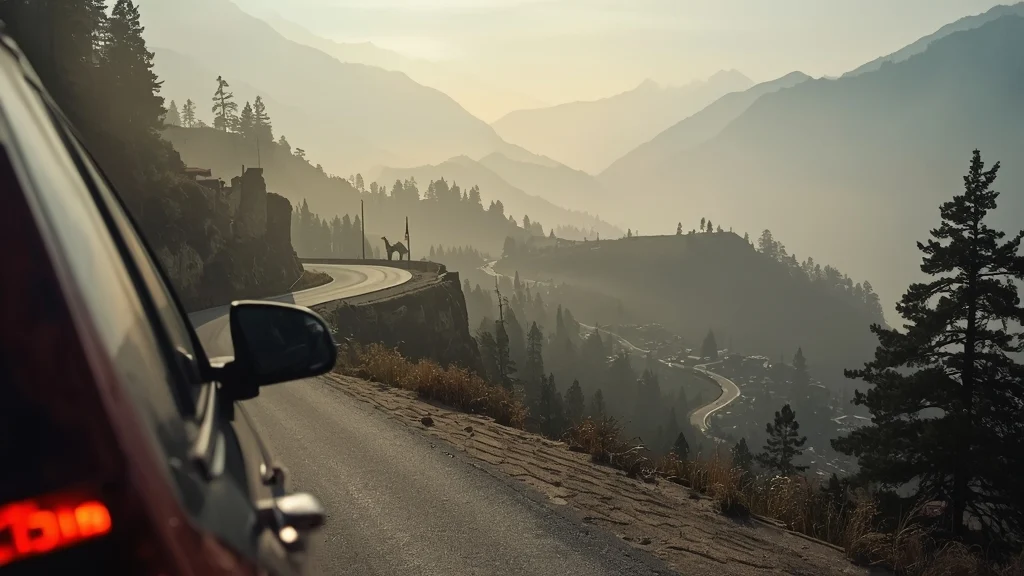
Learn essential Tet road trip safety tips for mountain passes. Check your car, plan stops, and drive home safely today!
Every Tet, families from high‑land provinces load up their vehicles and head home for the holidays. The journey often means navigating winding mountain passes that are very different from the straight‑line experience of highways. A well‑prepared car and a solid plan can turn a daunting trek into a smooth, enjoyable ride.
Pre‑Trip Vehicle Inspection
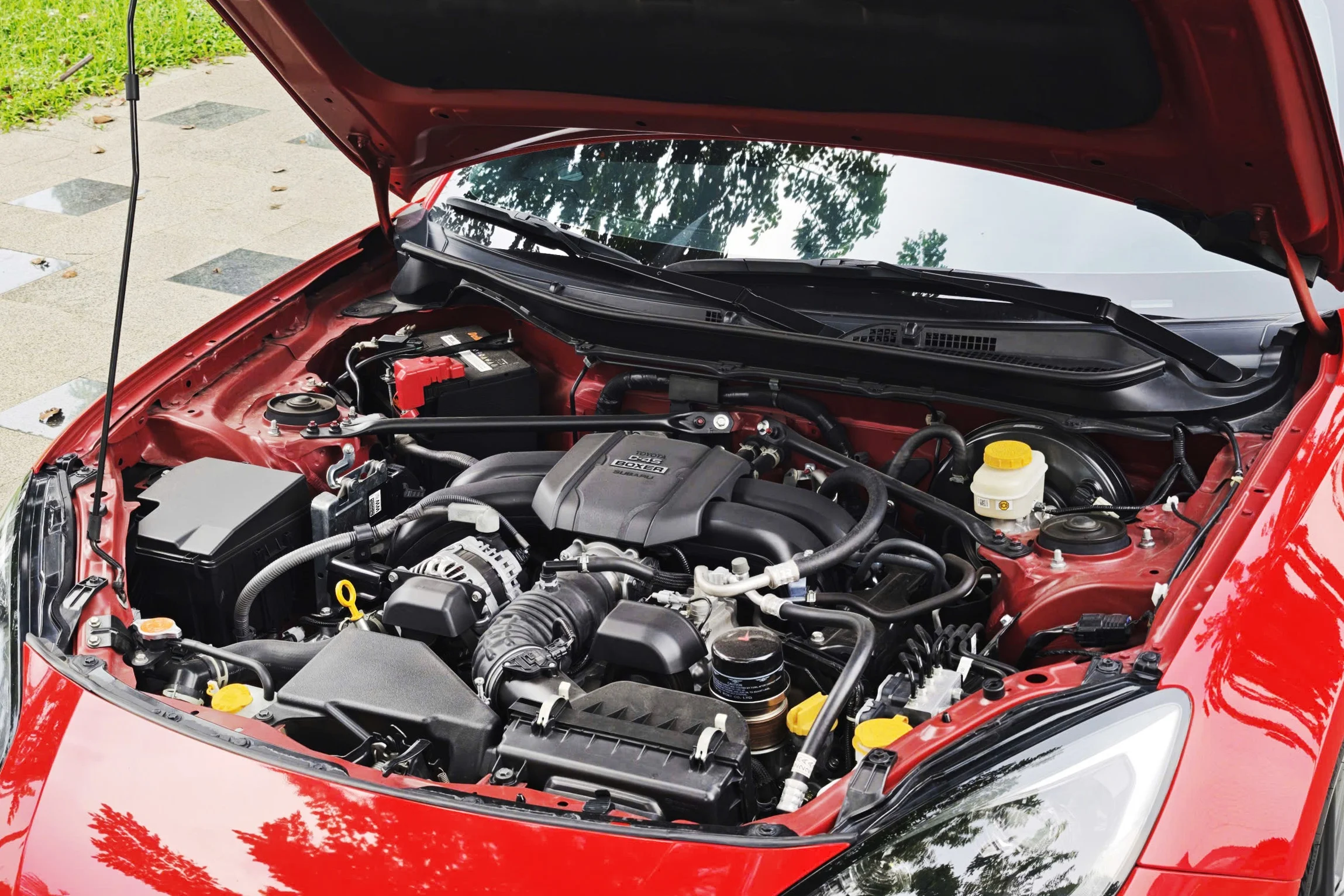
Before you even turn the key, give your car a thorough walk‑around. Most checks can be done at home with basic tools, saving you a trip to the garage.
- Inspect tires for proper inflation and tread depth.
- Ensure the spare tire, jack and tools are present and functional.
- Check windshield wipers for wear and replace the fluid.
Check Essential Fluids
Mountain driving puts extra strain on the cooling system and engine. Verify each fluid is at the recommended level:
- Engine oil – look for leaks and top up if needed.
- Coolant – maintain the minimum level to prevent overheating.
- Brake fluid – low levels can affect stopping power on steep descents.
- Windshield washer fluid – keep the reservoir full for clear visibility.
Lights, Brakes and Visibility
Good illumination is non‑negotiable on curvy, fog‑prone roads:
- Low‑beam and high‑beam headlights – test both for brightness.
- Tail lights and brake lights – confirm they shine on both sides.
- Fog lights – switch them on in misty conditions and keep a safe distance from other vehicles.
Engine Hoses and Age‑Related Checks
If your vehicle is older than three to four years, examine the engine bay for cracked hoses or worn belts. A small leak can become a serious problem on a long ascent.
Professional Service & Seasonal Maintenance
Booking a full service at a reputable garage is a common choice for many drivers. Because Tet falls during peak service season, schedule your appointment early to avoid long wait times.
Fuel Management and EV Charging
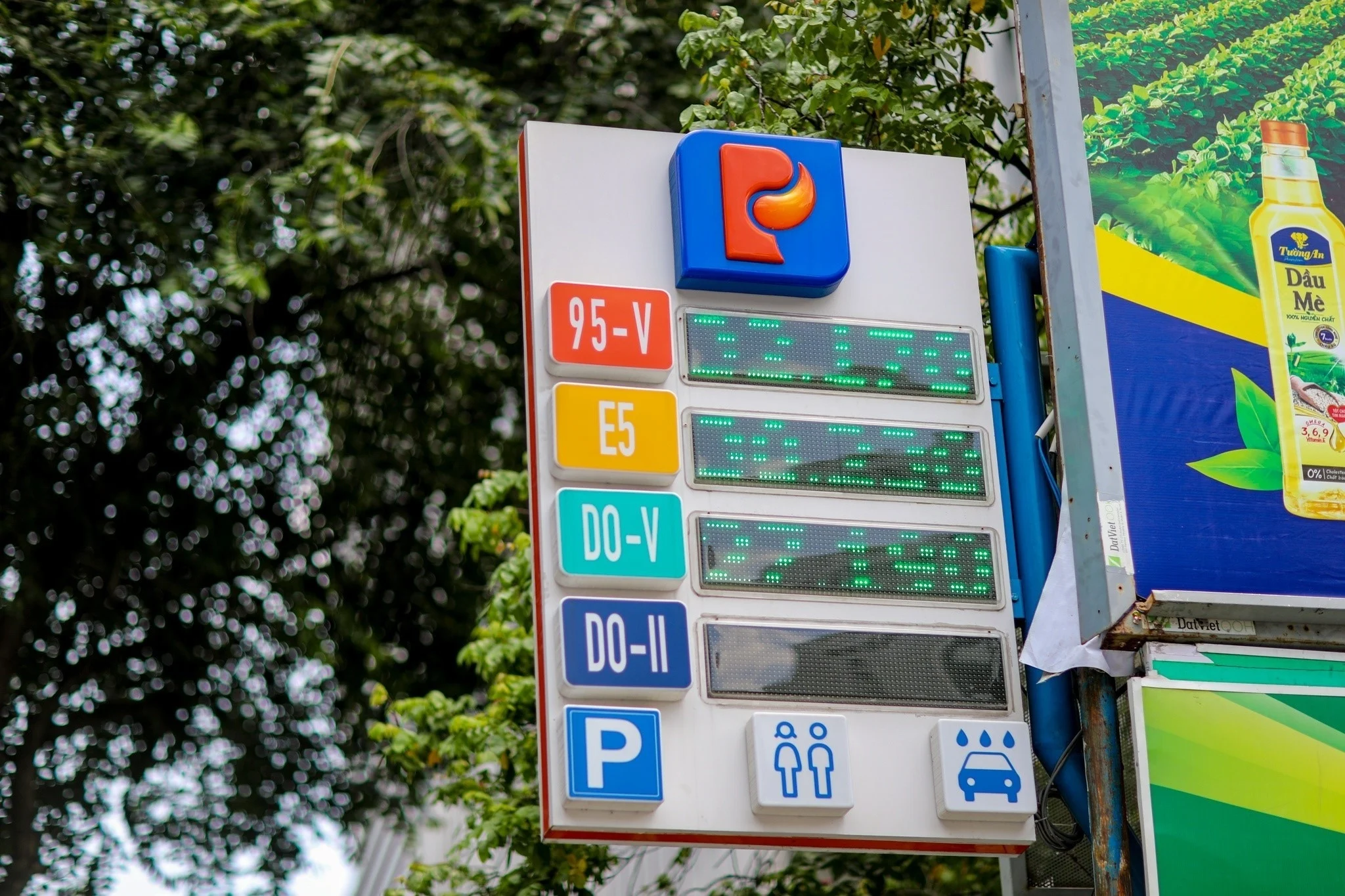
Mountain routes often have few fuel stations. Plan your refuel points ahead of time and keep a buffer of at least 30 % of the tank capacity.
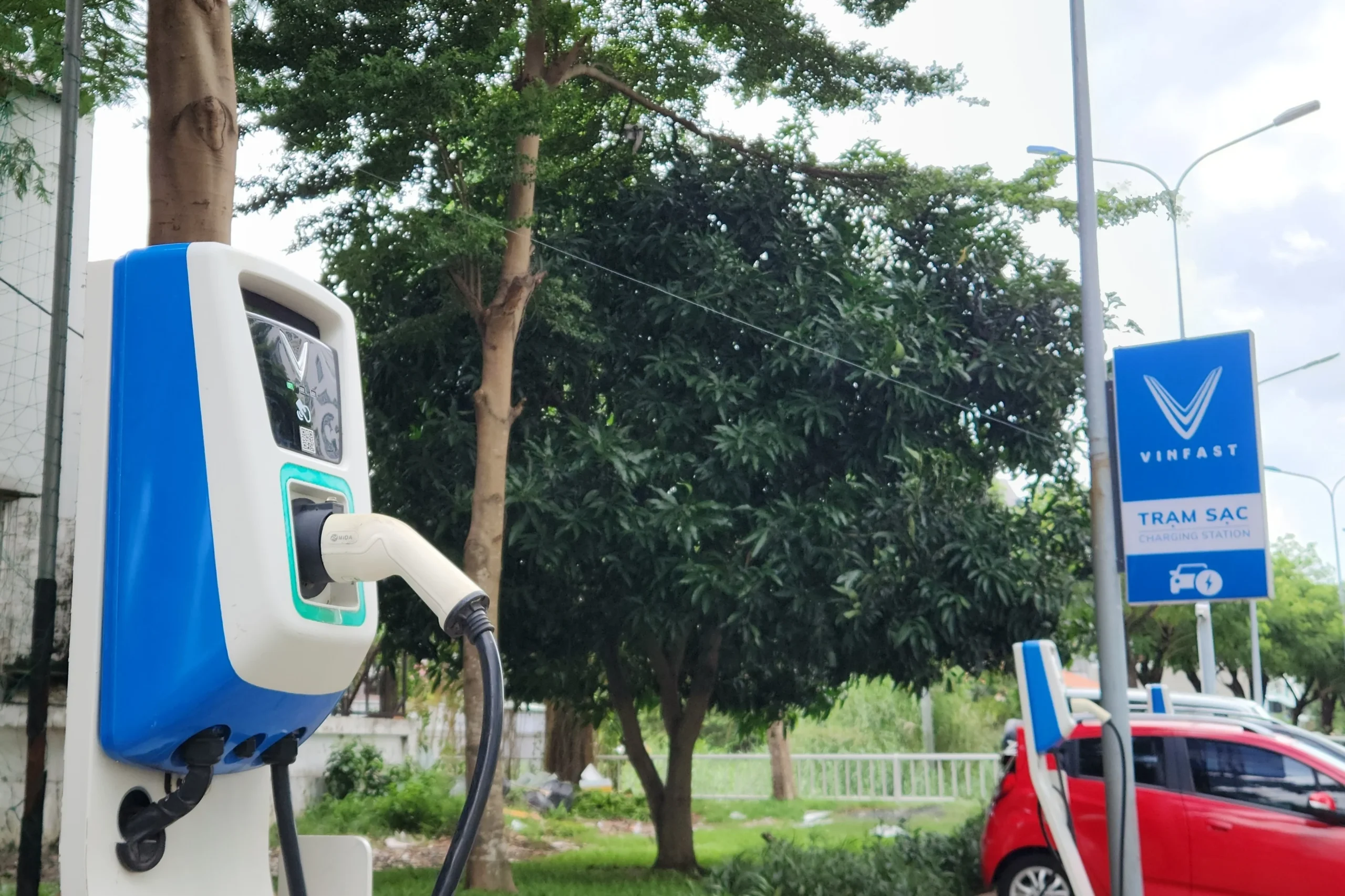
For electric‑vehicle owners, the preparation is similar but with an added step: locate compatible charging stations along the route. VinFast owners can use the built‑in map in the company’s app, which shows a dense network of fast chargers. Drivers of other EV brands should download the relevant third‑party apps, create accounts, and verify payment methods before departing.
Smart Route Planning & Rest Breaks
Break the journey into 2‑3 hour segments. Stopping frequently lets the engine and brakes cool, and gives the driver a chance to stretch, reducing fatigue and maintaining focus.
Many mountain passes feature scenic pull‑outs—perfect spots for a quick snack, a family photo, or simply to enjoy the fresh spring air.
Weather and Driving Conditions
Early mornings and late afternoons in the highlands during Tet are often shrouded in fog. When visibility drops:
- Activate fog lights.
- Increase following distance to at least double the normal gap.
- Avoid overtaking on blind curves.
Final Checklist for a Safe Tet Journey
- All fluids topped up and free of leaks.
- Lights, brakes and wipers functioning perfectly.
- Tyres inspected and pressure checked.
- Fuel (or charge) plan mapped with safe margins.
- Rest stops scheduled every 2‑3 hours.
- Weather forecast reviewed; fog lights ready.
By investing a little time in preparation, you give yourself the best possible chance of a smooth, safe, and joyful return home for Tet. Happy travels!