
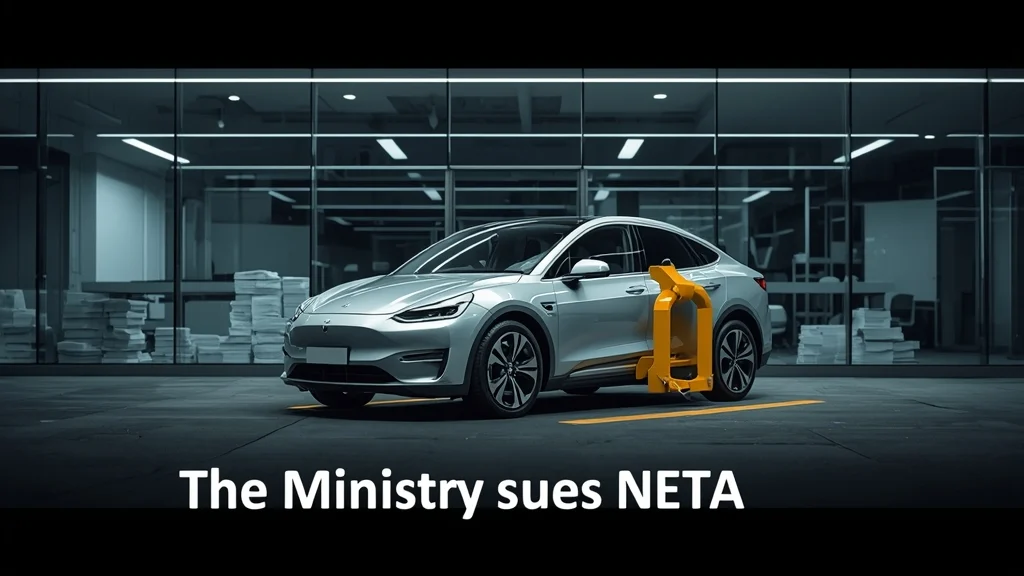
Thai Finance Ministry plans to sue Neta Auto Thailand to recover over 2 billion baht in EV subsidies. Learn the details and impact. Read more now.
The Thai Ministry of Finance announced plans to file a civil lawsuit against Neta Auto Thailand, the local subsidiary of Chinese electric‑vehicle (EV) brand Neta, in order to reclaim more than 2 billion baht (approximately US$63.7 million) in government subsidies paid since 2022.
Background of Thailand’s EV Incentive Program
Thailand’s aggressive EV promotion scheme offers up to 150,000 baht (about US$4,800) per vehicle to buyers, provided participating manufacturers establish domestic production facilities and meet annual output quotas. The programme aims to position Thailand as a regional hub for EV manufacturing and reduce reliance on imports.
Neta’s Market Presence and Compliance Issues
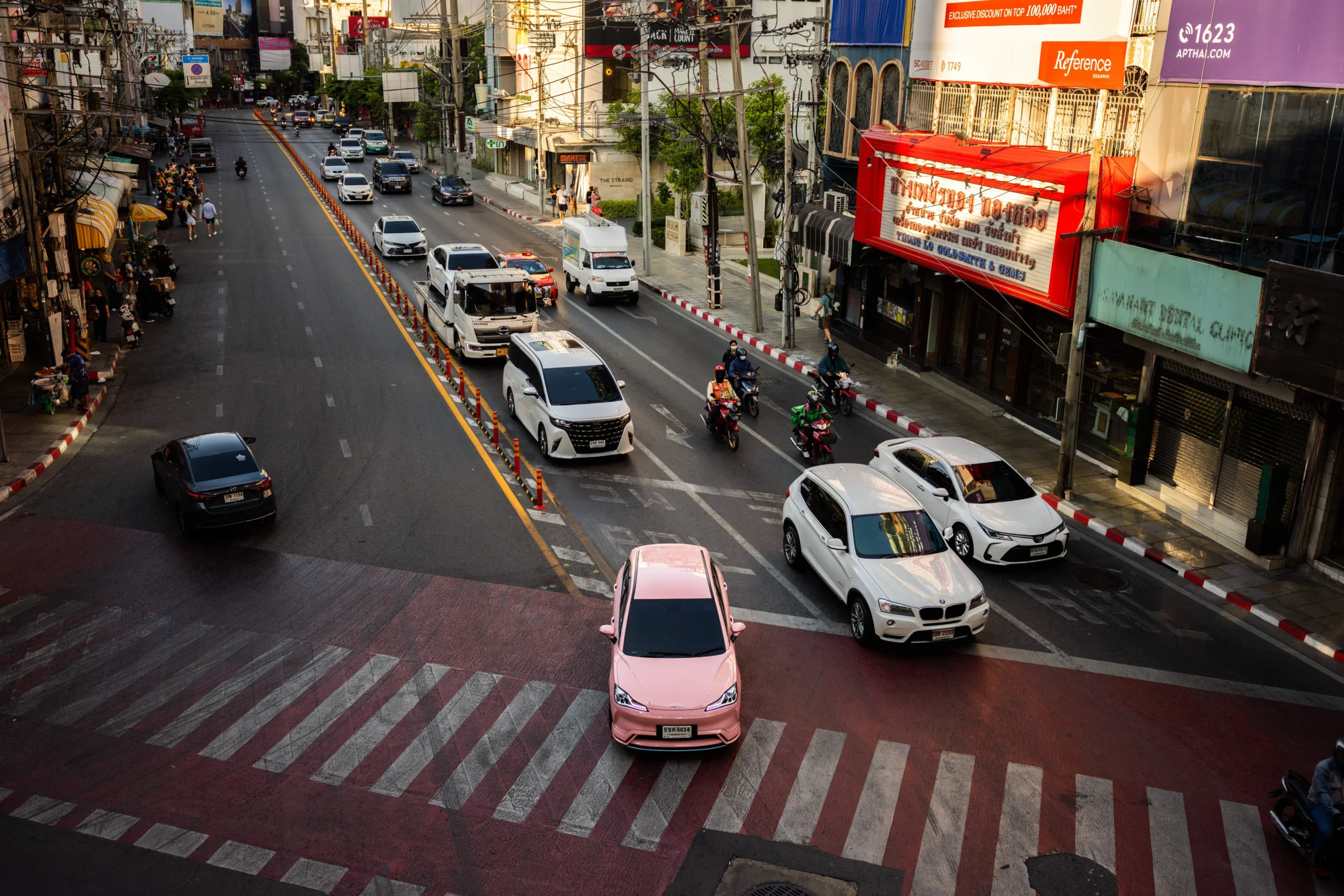
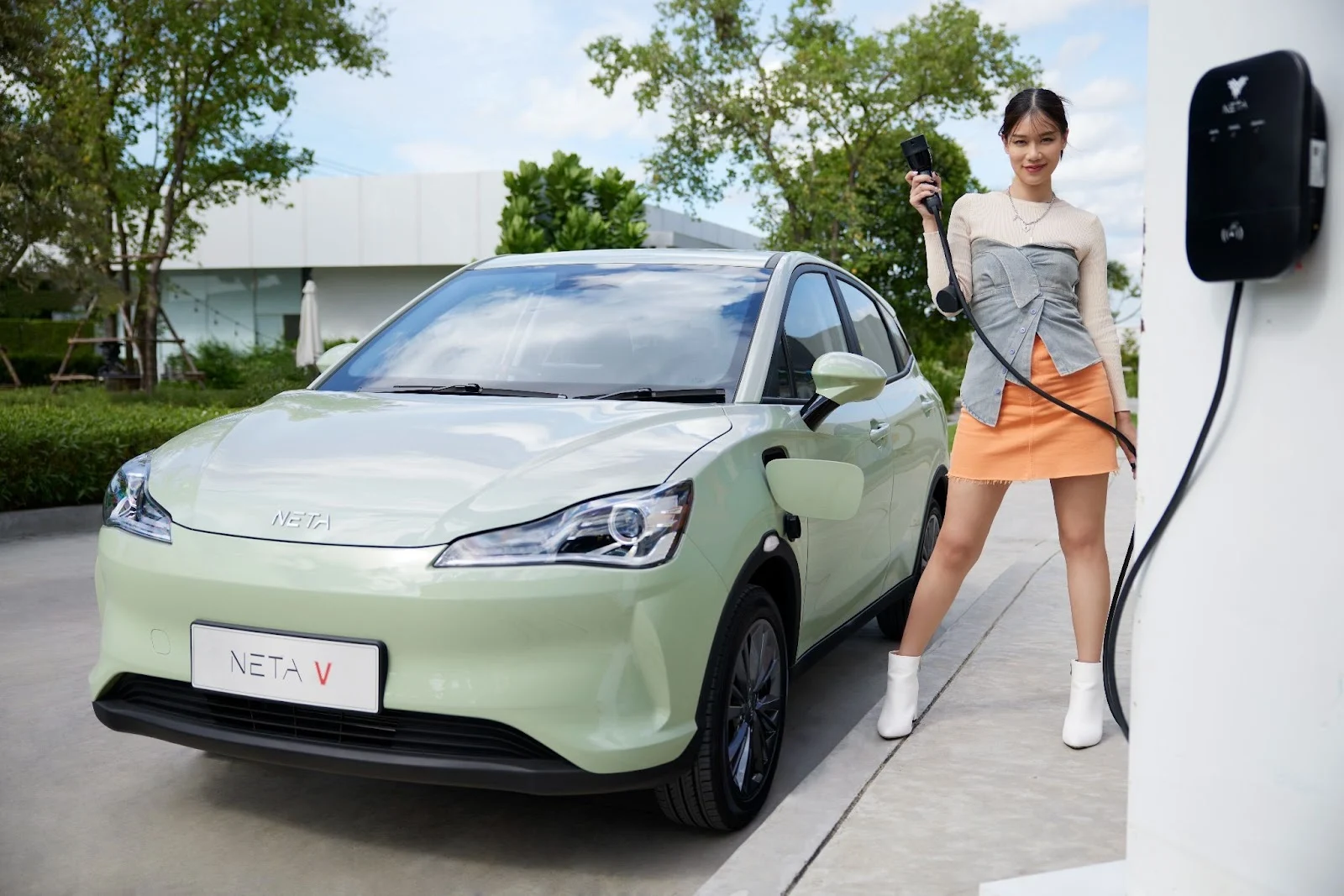
Neta entered the Thai market in 2022 and quickly rose to become the second‑largest EV brand by market share in 2023, trailing only BYD. However, the company has repeatedly failed to meet the locally‑mandated production targets stipulated in its subsidy agreement. The parent company, Hozon New Energy Automobile, is currently undergoing a court‑supervised restructuring in mainland China, which further complicates compliance.
Thai officials have repeatedly demanded that Neta return the subsidies, but the firm has not complied, prompting the Ministry of Finance to consider legal enforcement.
Legal Action and Potential Consequences
The Ministry intends to pursue the case through civil litigation, seeking not only repayment of the subsidies but also the possible freezing of Neta Auto Thailand’s assets and bank accounts. If the court rules in favour of the government, authorities will gain the legal basis to seize the company’s assets within Thailand to recover the funds.
Broader Implications for Chinese EV Makers in Thailand
Neta is not the only Chinese EV manufacturer under scrutiny. Other brands such as Great Wall Motor, MG (SAIC Motor), and additional Chinese players have also been flagged for not meeting their production commitments. The Ministry has signalled that further corrective measures and penalties may be applied to any company that fails to honour its subsidy terms.
These developments highlight the growing tension between Thailand’s ambitious EV localisation goals and the challenges faced by foreign manufacturers in meeting local production requirements.
What This Means for the Industry
For investors and consumers alike, the lawsuit underscores the importance of regulatory compliance in Thailand’s fast‑moving EV market. Stakeholders are watching closely to see how the legal proceedings unfold and what impact they may have on future subsidy policies and the overall attractiveness of Thailand as an EV manufacturing destination.