
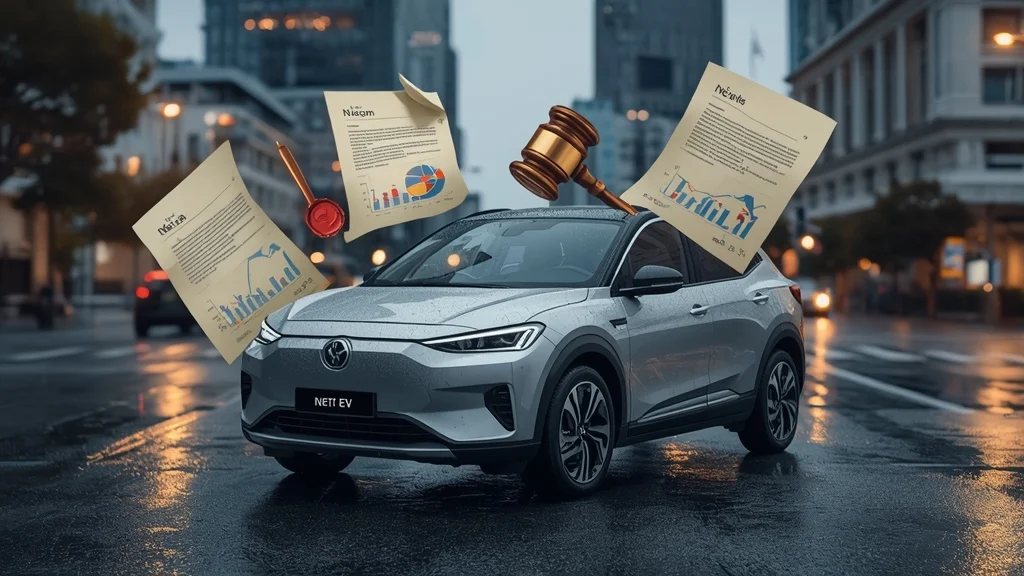
Thailand’s finance ministry moves to sue Neta Auto Thailand to recover over 2 billion baht in EV subsidies. Learn the details and implications – read now!
Bangkok – Thailand’s Ministry of Finance is preparing to file a civil lawsuit against Neta Auto Thailand, the local subsidiary of Chinese electric‑vehicle (EV) maker Neta, to claw back more than 2 billion baht (about US$63.7 million) in government subsidies.
Why the Ministry is suing
Under Thailand’s ambitious EV incentive program, buyers can receive up to 150,000 baht (roughly US$4,800) per vehicle, provided the manufacturer establishes local production capacity and meets a minimum quota. Neta was awarded the subsidies after promising to set up domestic assembly lines and hit specific output targets.
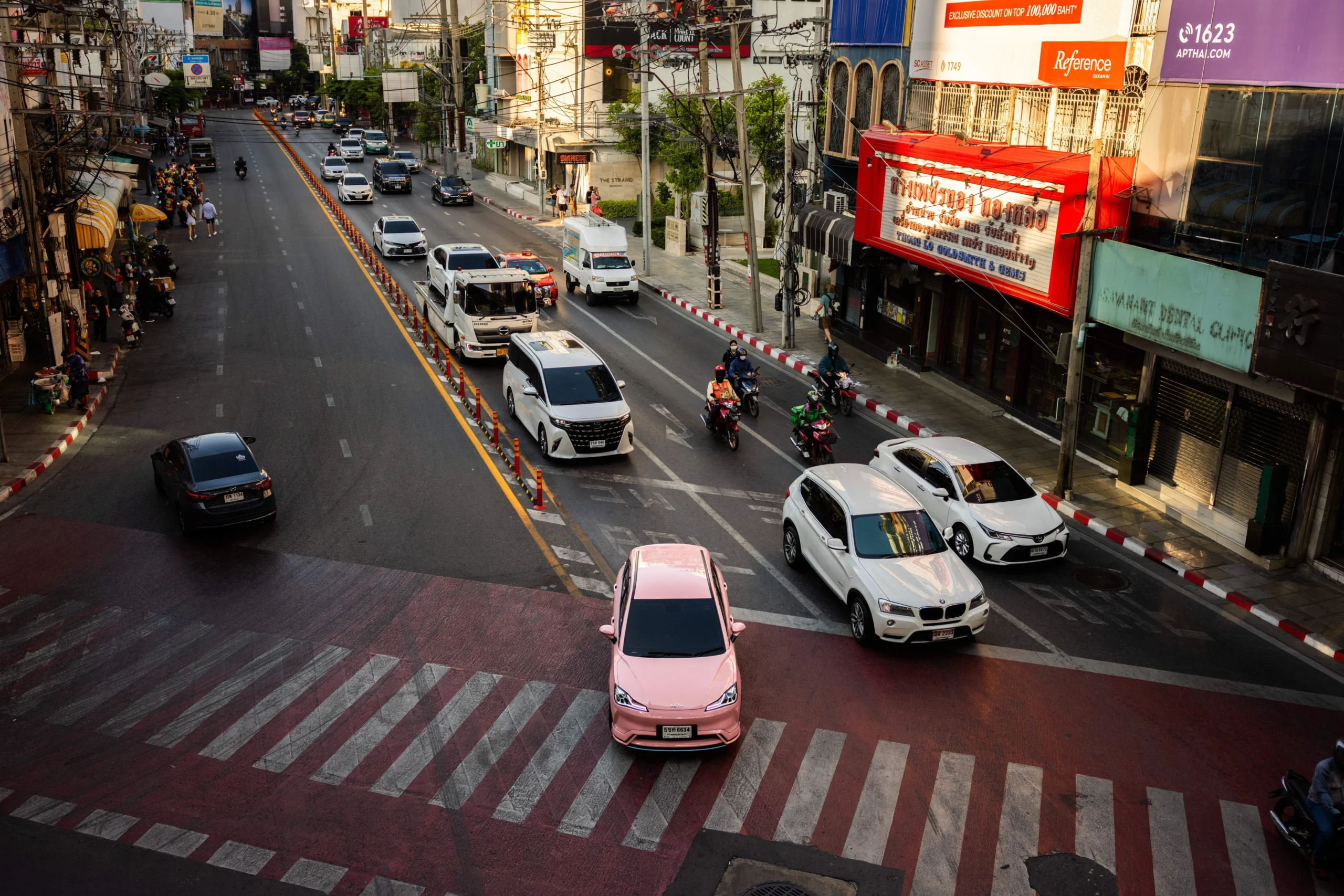
According to the Ministry, Neta fell short of those production quotas, violating the terms of the subsidy agreement. Repeated requests for repayment went unanswered, prompting the Finance Ministry to pursue legal action. The suit will be filed in a civil court and may include a request for the court to freeze Neta Auto Thailand’s assets and bank accounts.
Potential legal outcomes
If the court rules in favour of the Ministry, the agency will gain the authority to seize Neta’s Thai assets, effectively forcing the company to return the subsidy funds it has already received. The move also signals a tougher stance on compliance with Thailand’s EV policy.
Background on Neta in Thailand
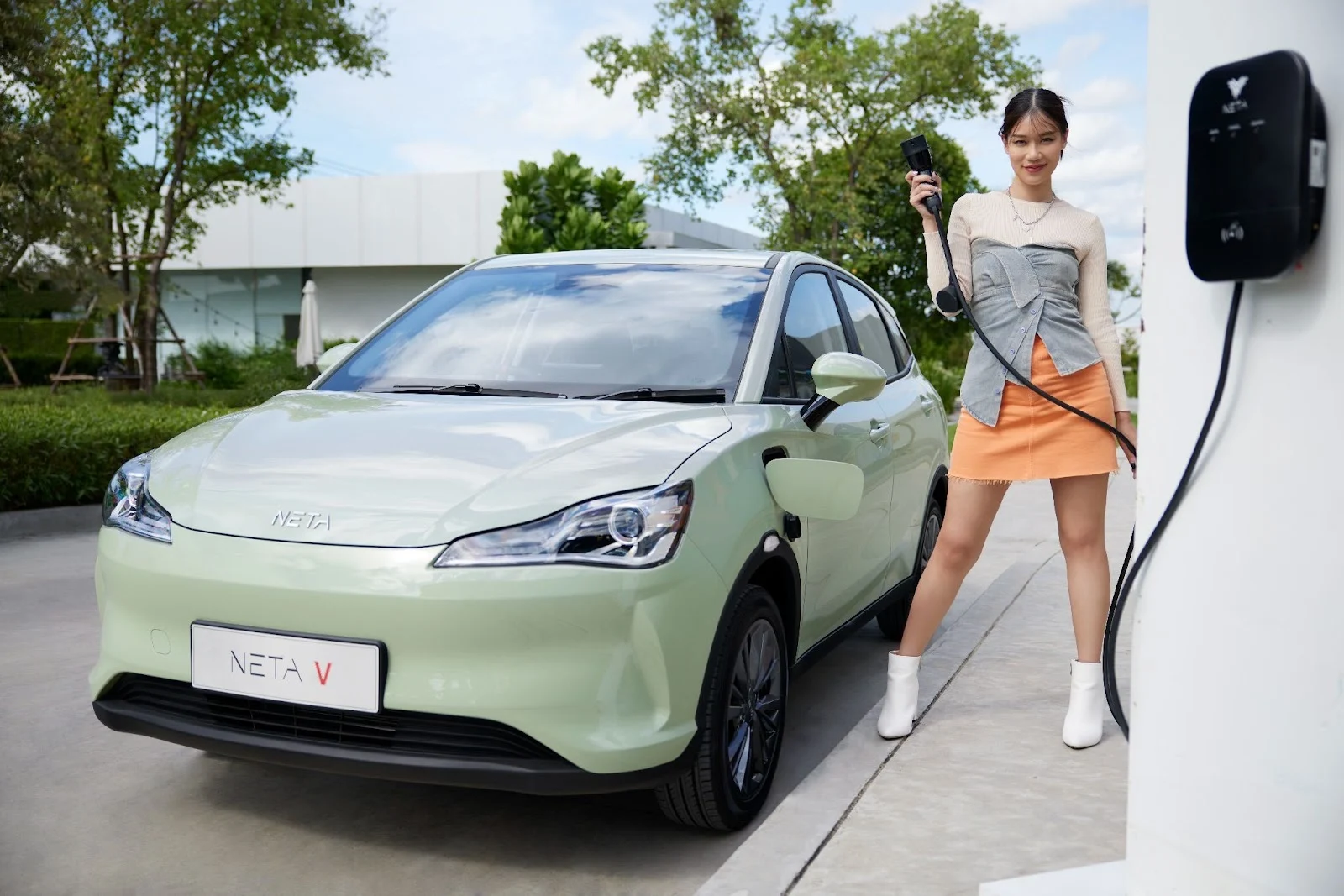
Neta entered the Thai market in 2022 and quickly rose to become one of the leading Chinese EV brands in the country, alongside BYD, Great Wall Motor and SAIC’s MG. In 2023, Neta secured the second‑largest market share for electric cars, trailing only BYD.
However, the parent company, Hozon New Energy Automobile, has recently entered a court‑supervised restructuring process in mainland China. This legal turbulence has contributed to delays in spare‑part deliveries and sparked a class‑action lawsuit from dissatisfied Thai customers.
Broader implications for Chinese EV makers
Neta is not the only Chinese EV manufacturer facing scrutiny. The Ministry of Finance has indicated that other firms that have not met their local‑production commitments could also be subject to corrective measures.
The lawsuit underscores Thailand’s determination to enforce its EV incentive programme and protect public funds, while sending a clear message that subsidies are tied to tangible domestic investment.
What’s next?
The exact filing date has not yet been disclosed. Stakeholders will be watching closely to see how the case unfolds and whether it triggers a wider regulatory crackdown on foreign EV brands operating in Thailand.