
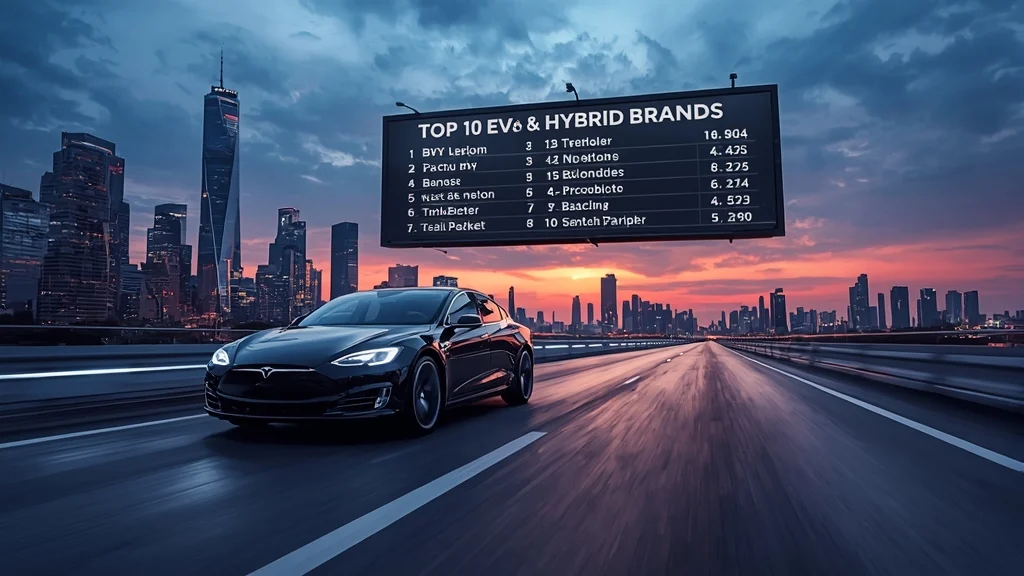
Discover the 2025 ranking of the world’s top-selling electric and hybrid car makers, as BYD tops Tesla. Learn the trends and what’s next – read now!
The global electric‑vehicle (EV) market hit a new milestone in 2025, with an estimated 20.53 million new‑energy vehicles (NEVs) changing hands worldwide. That figure – covering battery‑electric cars (BEV), plug‑in hybrids (PHEV) and fuel‑cell models – represents a 26 % jump over 2024, confirming that demand for cleaner transportation remains strong even as growth begins to moderate.
2025 Sales Snapshot
- ≈ 20.53 million EVs sold globally
- 26 % year‑on‑year increase
- China accounted for roughly 66 % of total sales
- Western Europe posted the fastest regional growth at nearly 30 %
Top 10 EV & Hybrid Manufacturers (2025)
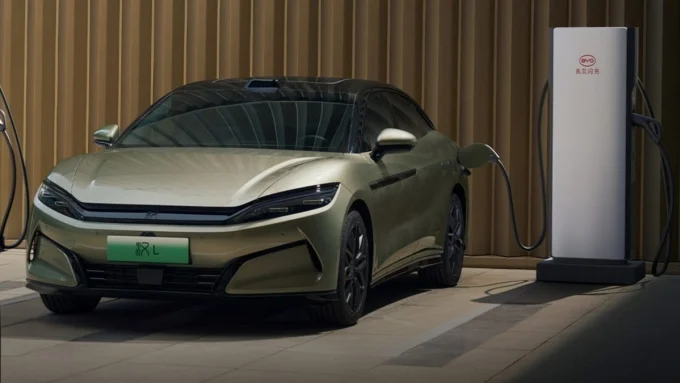
- BYD – 2.1 million units (first place, overtaking Tesla)
- Tesla – 1.9 million units (down 9 % YoY)
- Volkswagen Group – 1.7 million units
- Geely – 1.0 million units (share doubled to 6 %)
- Hyundai & Kia – 0.9 million units
- General Motors – 0.85 million units
- Xiaomi – 0.78 million units (up from 1 % to 3 % market share)
- Renault‑Nissan‑Mitsubishi Alliance – 0.75 million units
- Stellantis – 0.70 million units
- Ford – 0.68 million units
BYD Beats Tesla
Chinese newcomer BYD surged ahead with a 25 % sales increase, while Tesla slipped about 9 % amid a thin product pipeline. Analysts point to the lack of compelling new models and delayed refreshes as the main reasons for Tesla’s slowdown.
Chinese Brands Accelerate
Geely vaulted to fourth place worldwide, thanks largely to the ultra‑affordable Xingyuan SUV, priced under 100,000 RMB (≈ $14,500). Xiaomi, a tech giant that entered the auto arena only a year ago, tripled its share to 3 %, landing it in the global top‑10.
Volkswagen’s Growing Pains
Even as overall vehicle deliveries rose, Volkswagen lost ground in China – the world’s biggest EV market. To counter the setback, the German group launched a China‑specific brand and partnered with XPeng on jointly developed models, slated for release later this year.
Hybrid (PHEV) Segment Highlights
- BYD still leads with a 31.5 % share of global PHEV sales, though its volume fell for the first time.
- Li Auto, once second‑largest, saw a 30 % decline and fell to fifth place.
Policy Shifts on the Horizon
China plans to switch EV subsidies from fixed‑amount incentives to a percentage‑based system tied to vehicle price, which could dampen demand for low‑cost models. The United States has ended its federal EV tax credit, while Germany is reviving its support program without “Made‑in‑Europe” restrictions, opening the door for more Chinese‑built EVs.
Supply‑Chain Realities
Modern EVs are essentially “computers on wheels,” requiring massive amounts of semiconductors and electronic components. Although chips represent only 1‑5 % of a vehicle’s bill of materials, any price or supply shock can delay production – a risk the industry has felt repeatedly over the past few years.
Looking Ahead to 2026
TrendForce forecasts that global EV sales will reach 23.4 million in 2026, a 14 % growth rate – slower than the 2025 surge. The market is maturing: more manufacturers are launching budget‑friendly models, while some legacy players consider pulling back from the electrification race. Regional policies will continue to diverge, with some governments accelerating the shift to EVs and others reverting to fossil‑fuel incentives.
For a deeper dive into each brand’s strategy and the forces shaping the next phase of electric mobility, stay tuned.