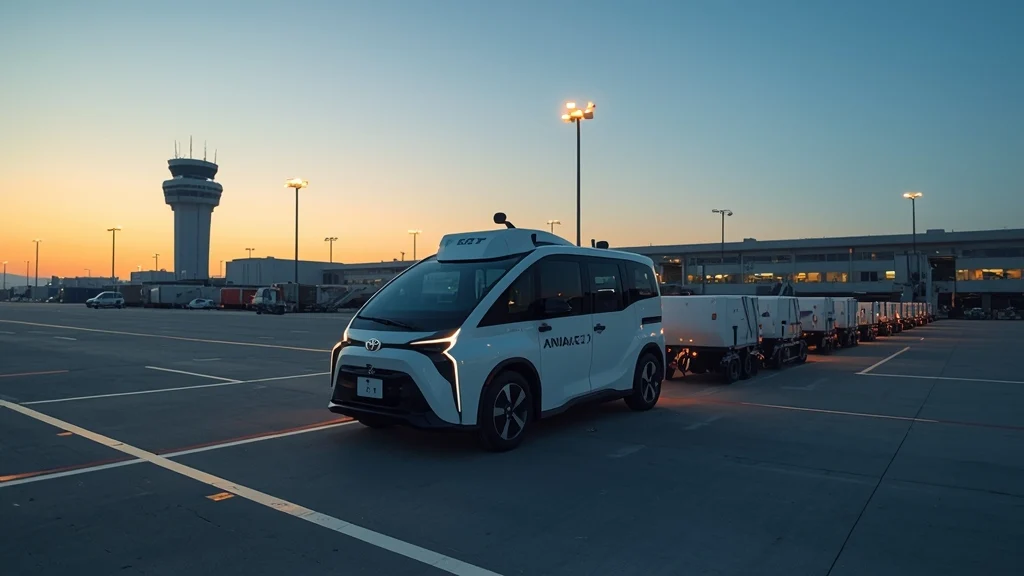
Toyota’s Level 4 autonomous airport tow tractor is set to roll out at Tokyo’s Haneda Airport in Dec 2025, boosting efficiency and safety. Learn more now!
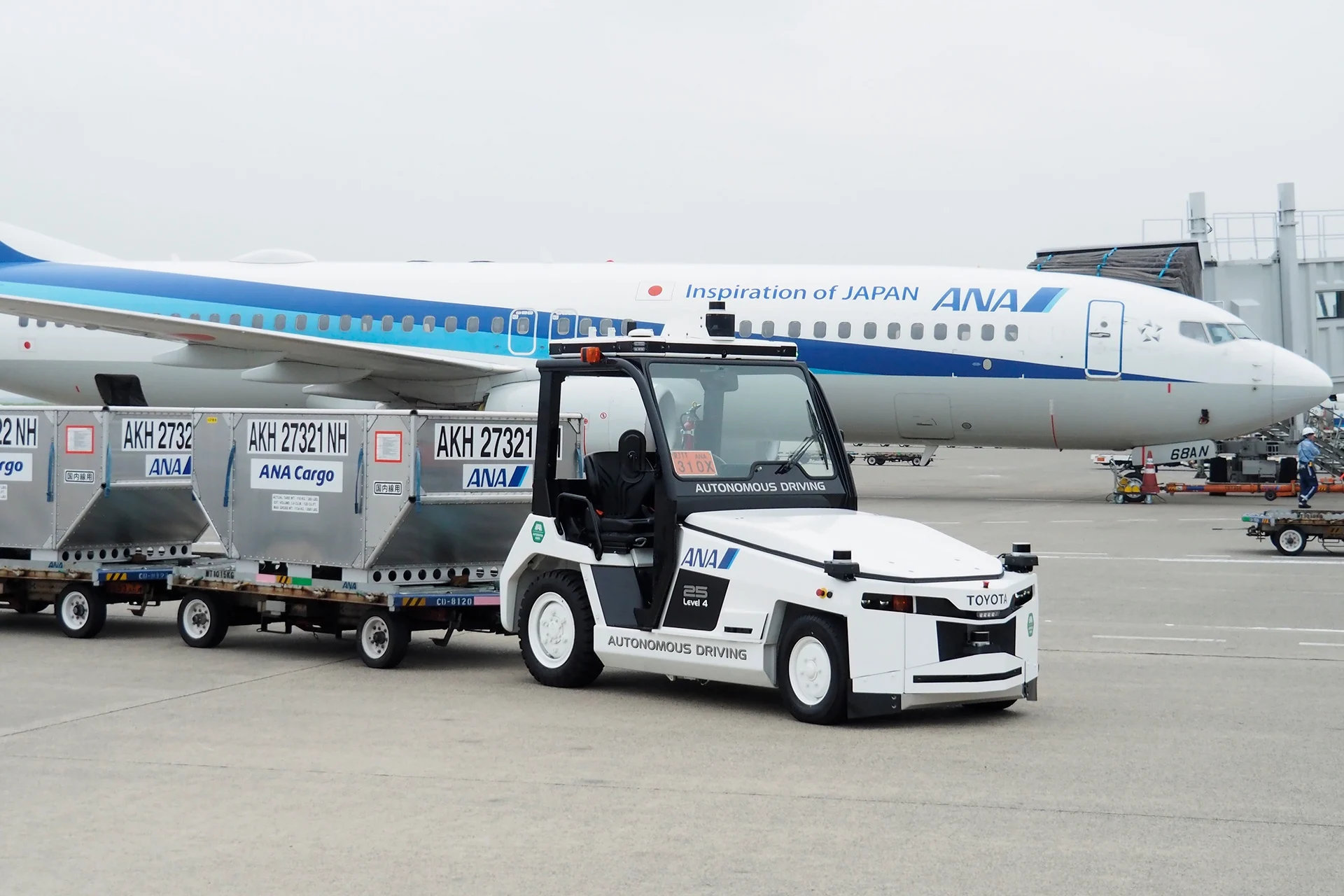
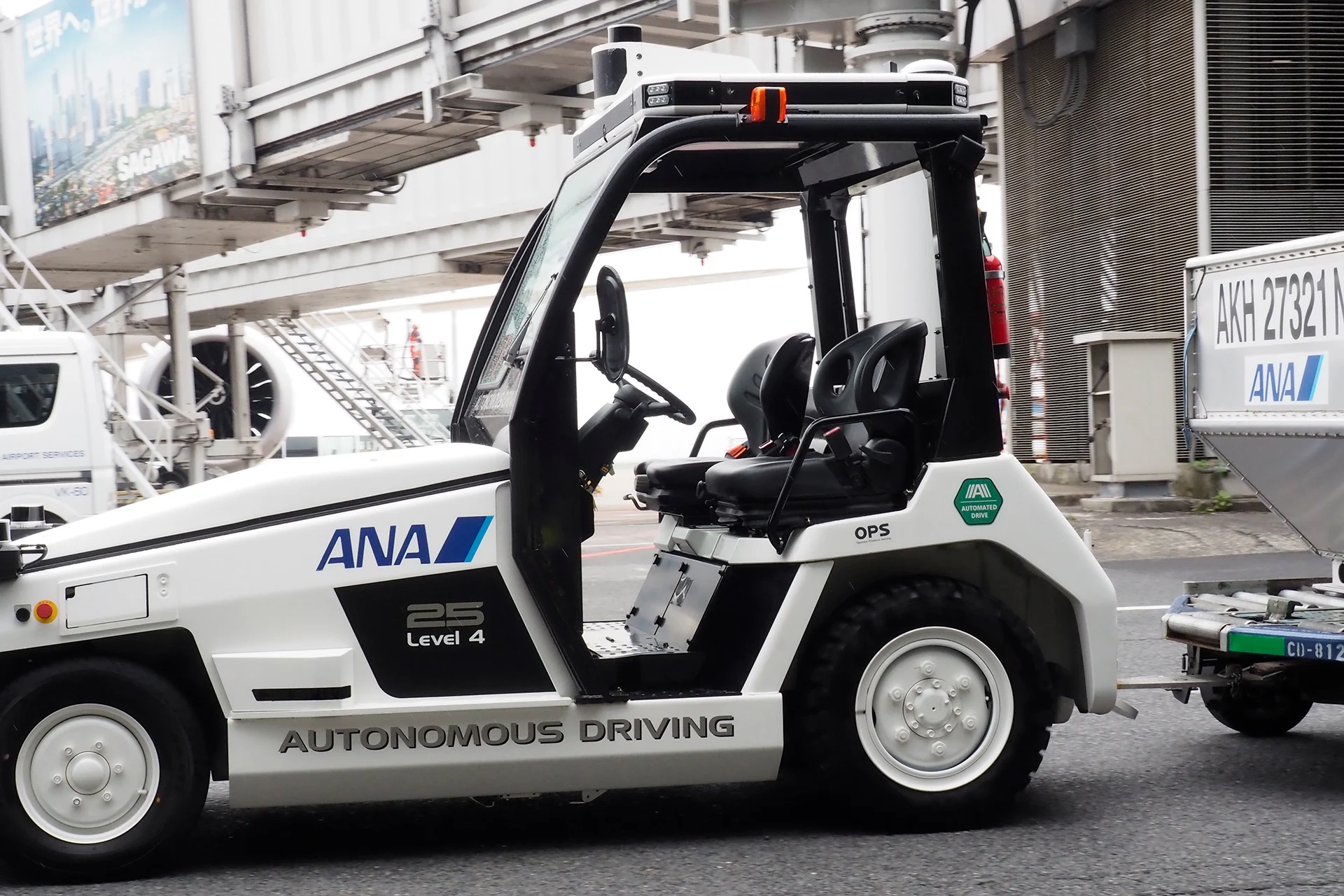
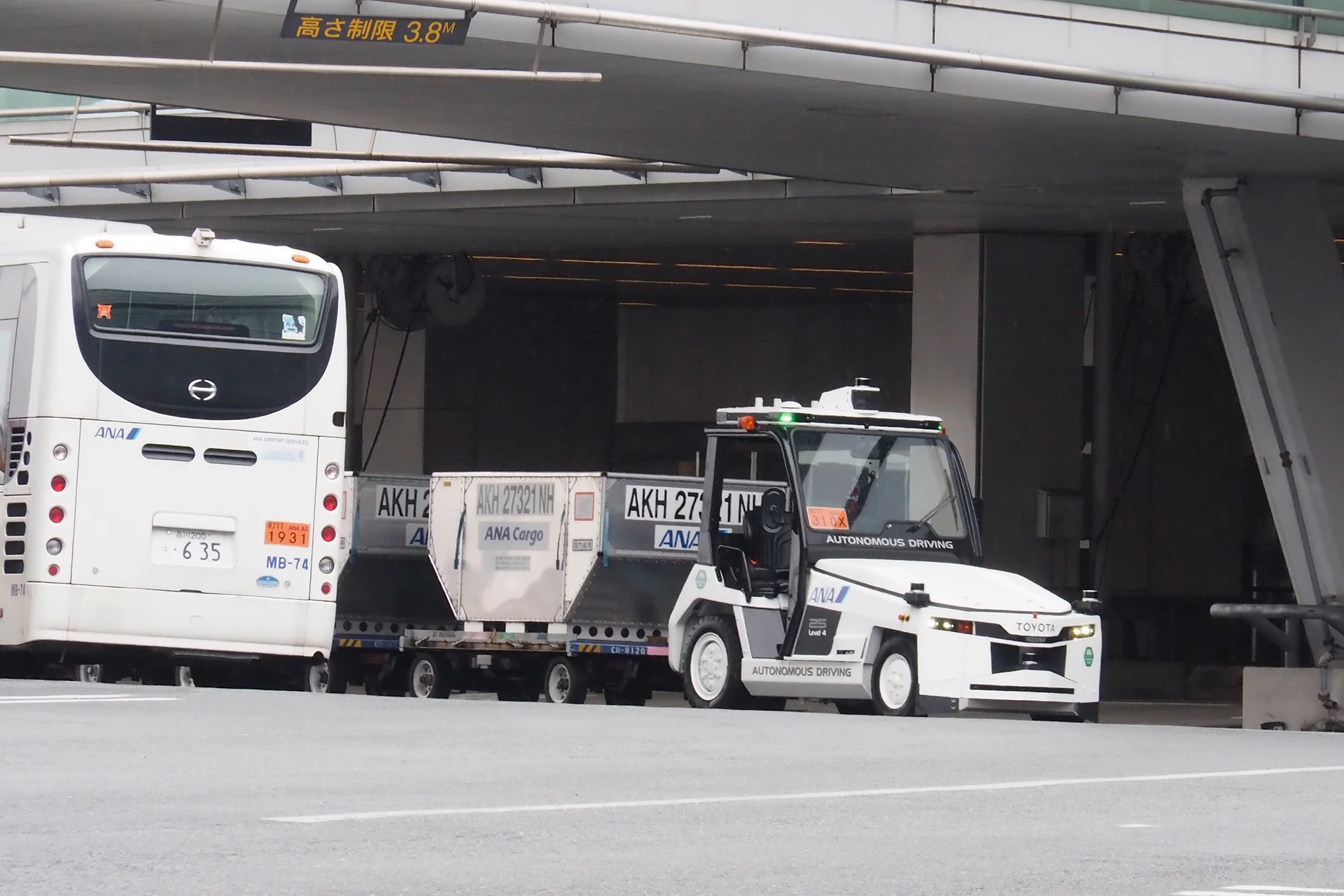
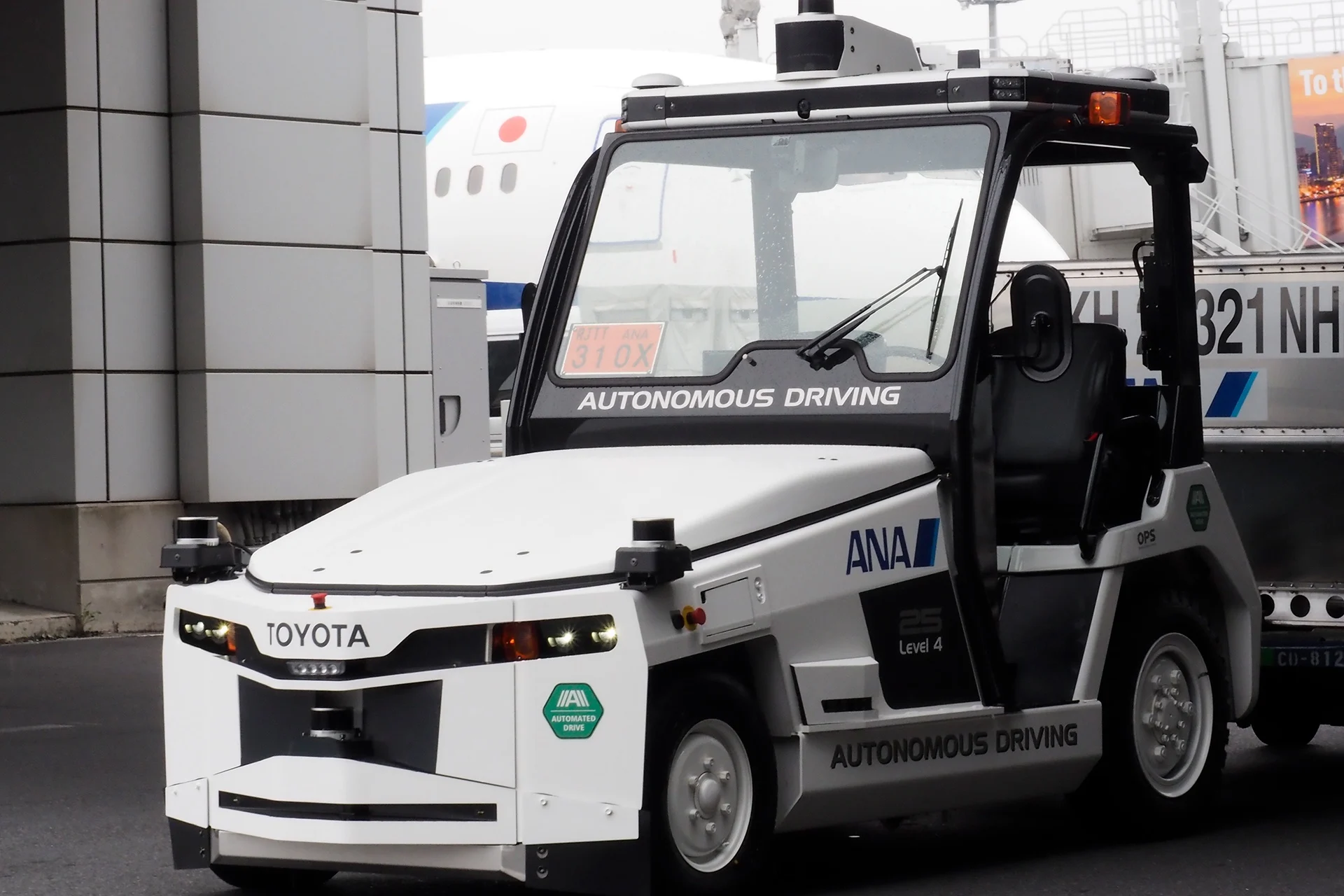
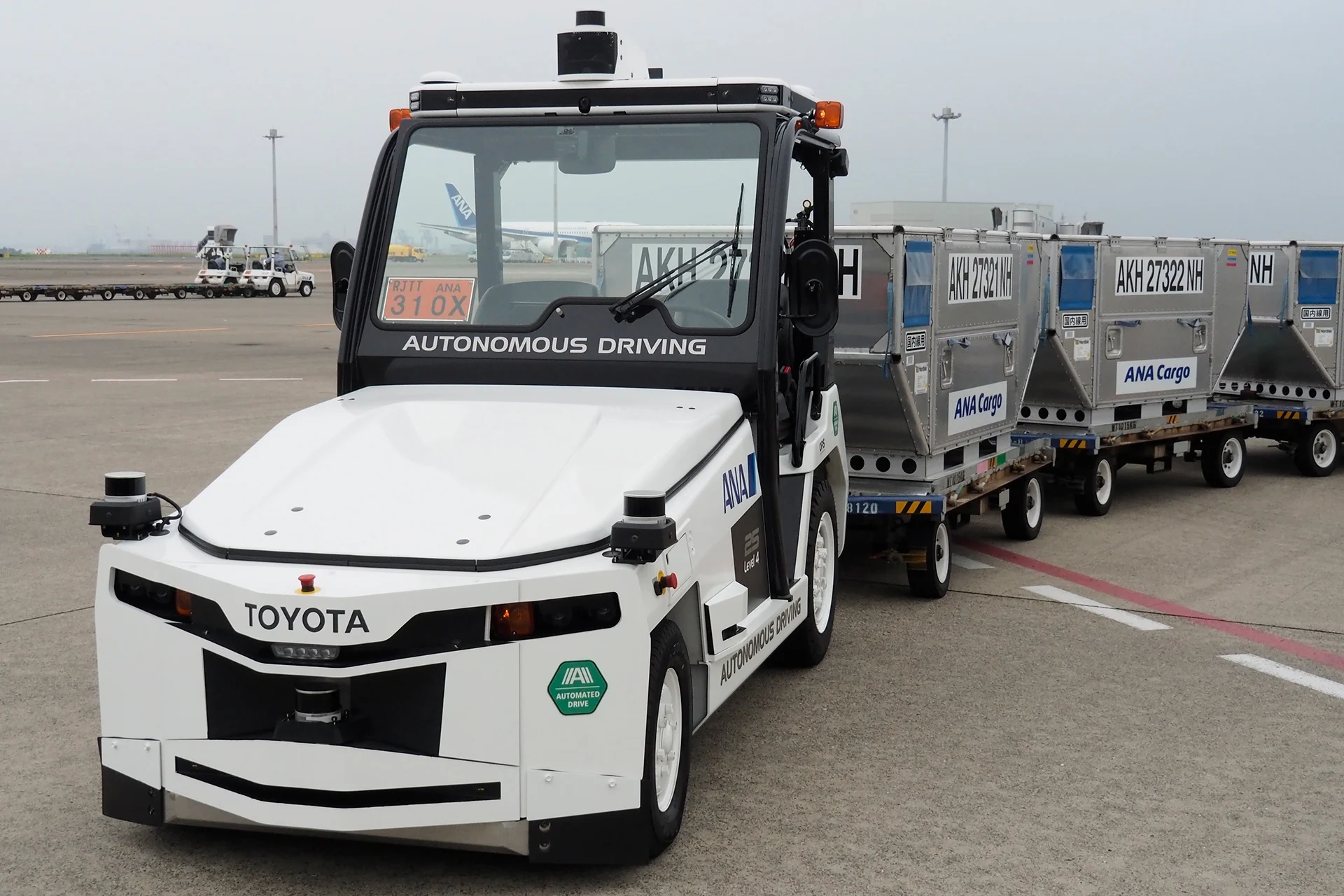
After four years of research and testing, Toyota Industries has introduced a fully autonomous, electric tow tractor designed for airport ground operations. The vehicle will start serving Tokyo’s Haneda Airport in December 2025, marking the first large‑scale deployment of a Level 4 self‑driving ground support vehicle in a commercial aviation hub.
From Concept to Reality
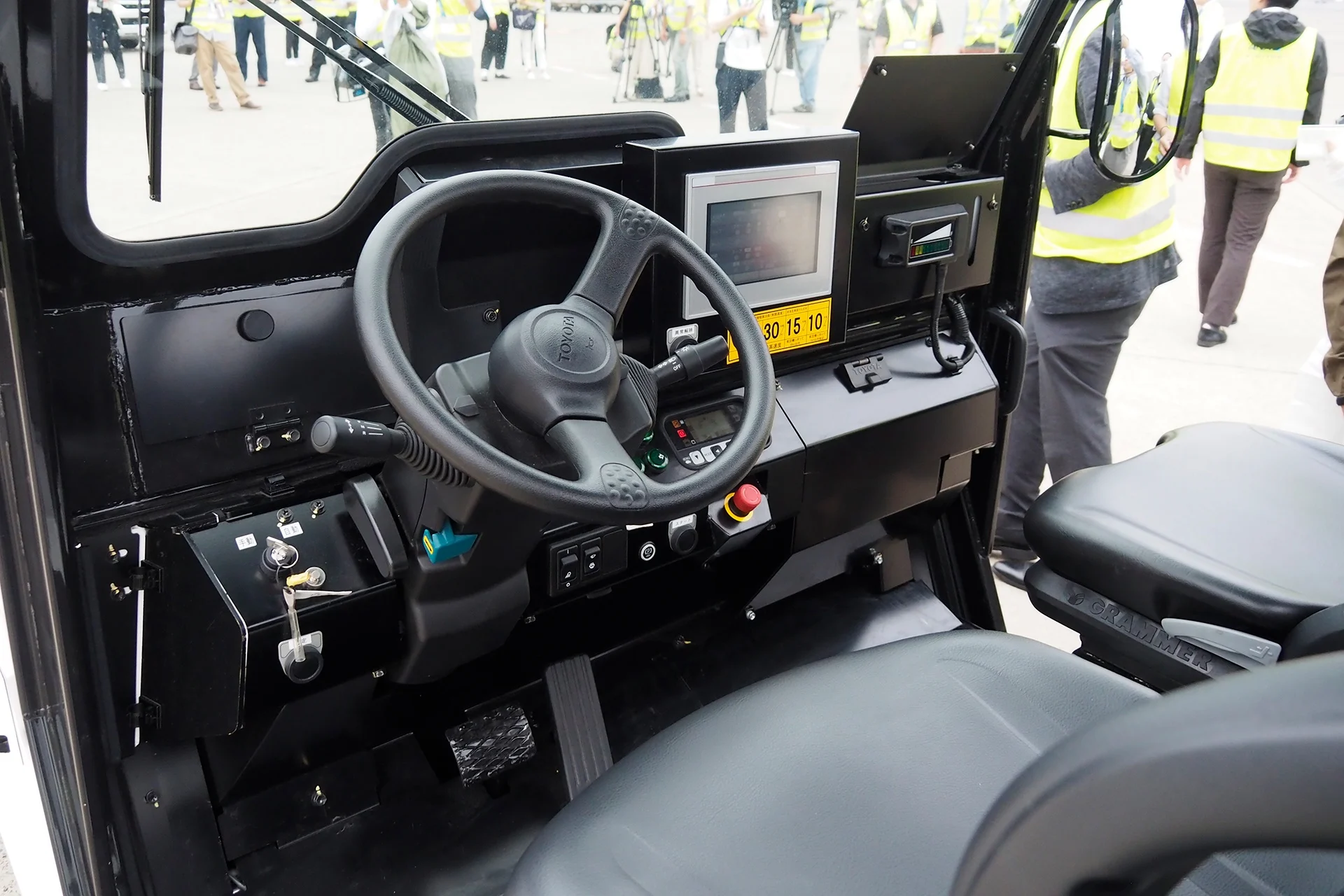
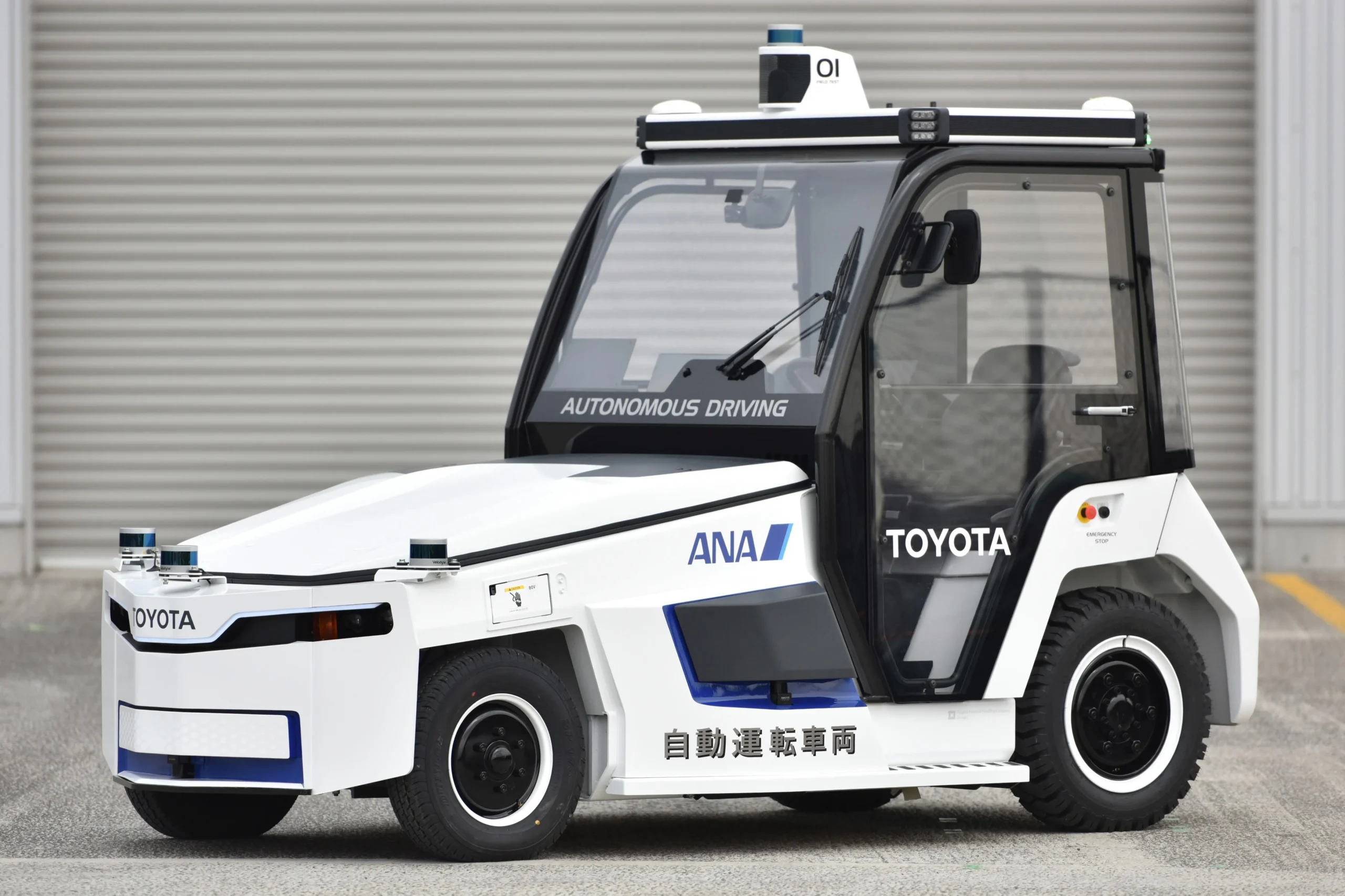
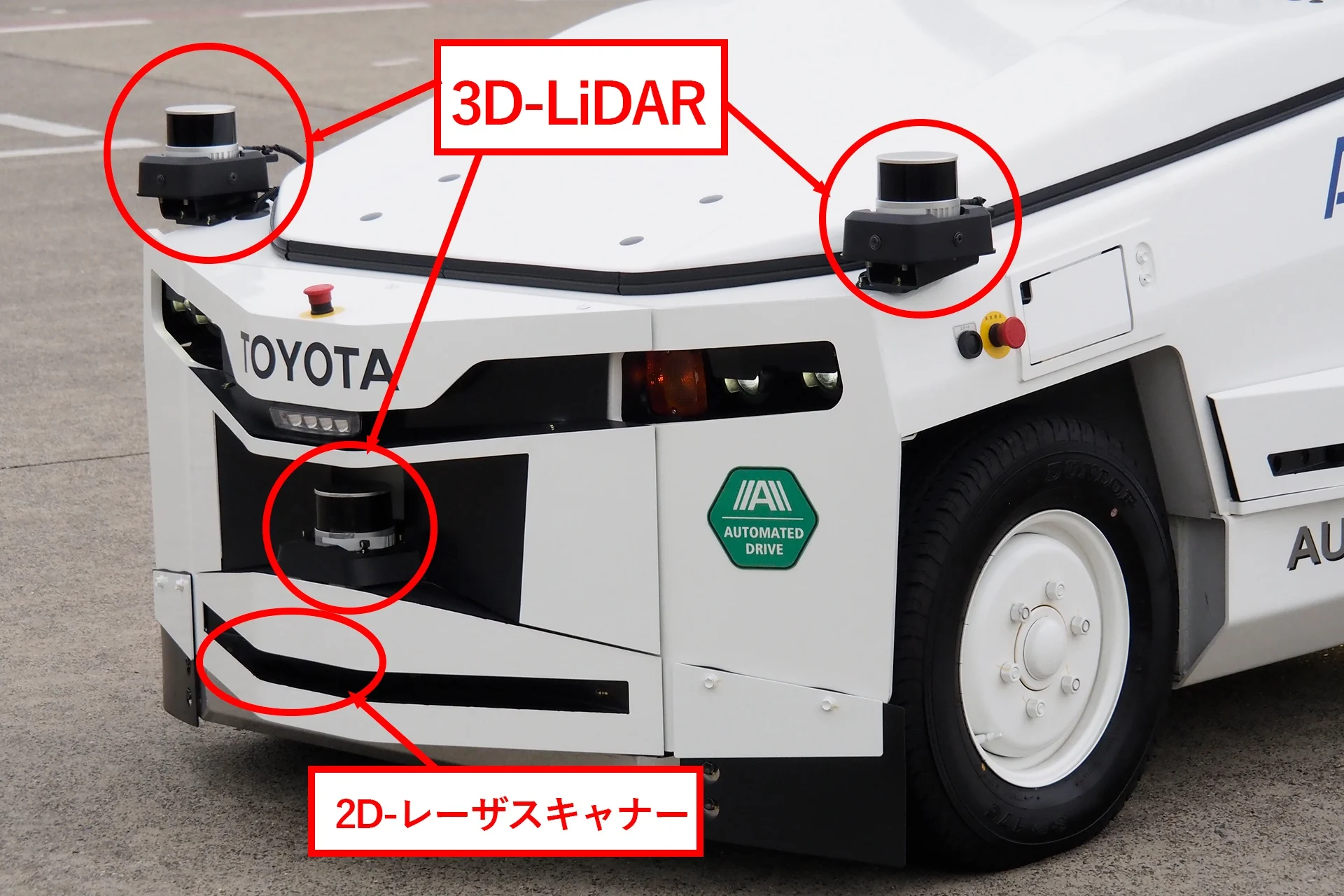
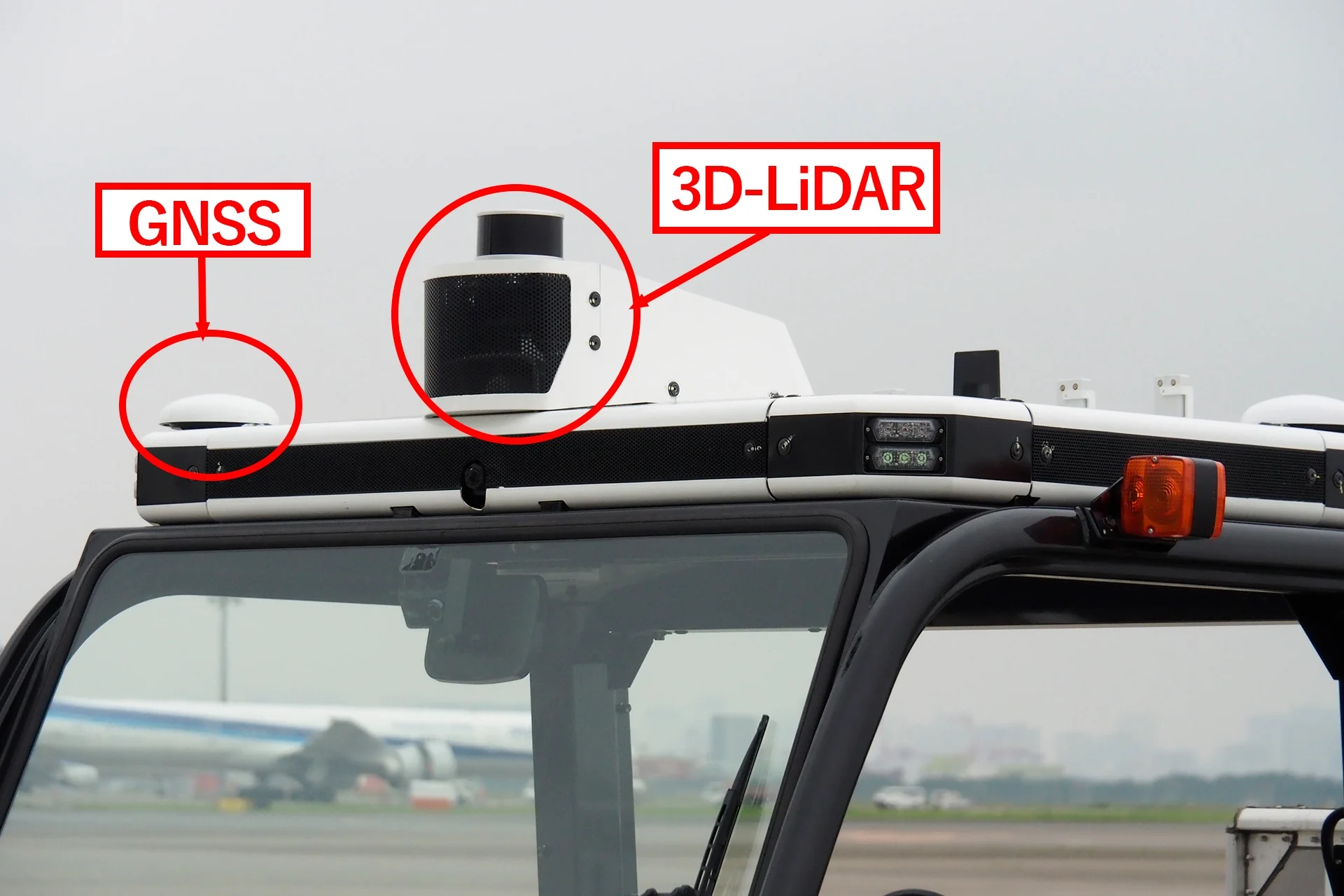
The project began as a joint venture between Toyota Industries and All Nippon Airways (ANA). Early prototypes, tested at several Japanese airports since 2019, operated at Level 3 autonomy, requiring a driver to take over in complex scenarios. The latest model, however, incorporates a suite of advanced sensors—including 3D LiDAR, GNSS, and 2D laser scanners—that enable true Level 4 operation within defined airport zones.
Technical Specs and Performance
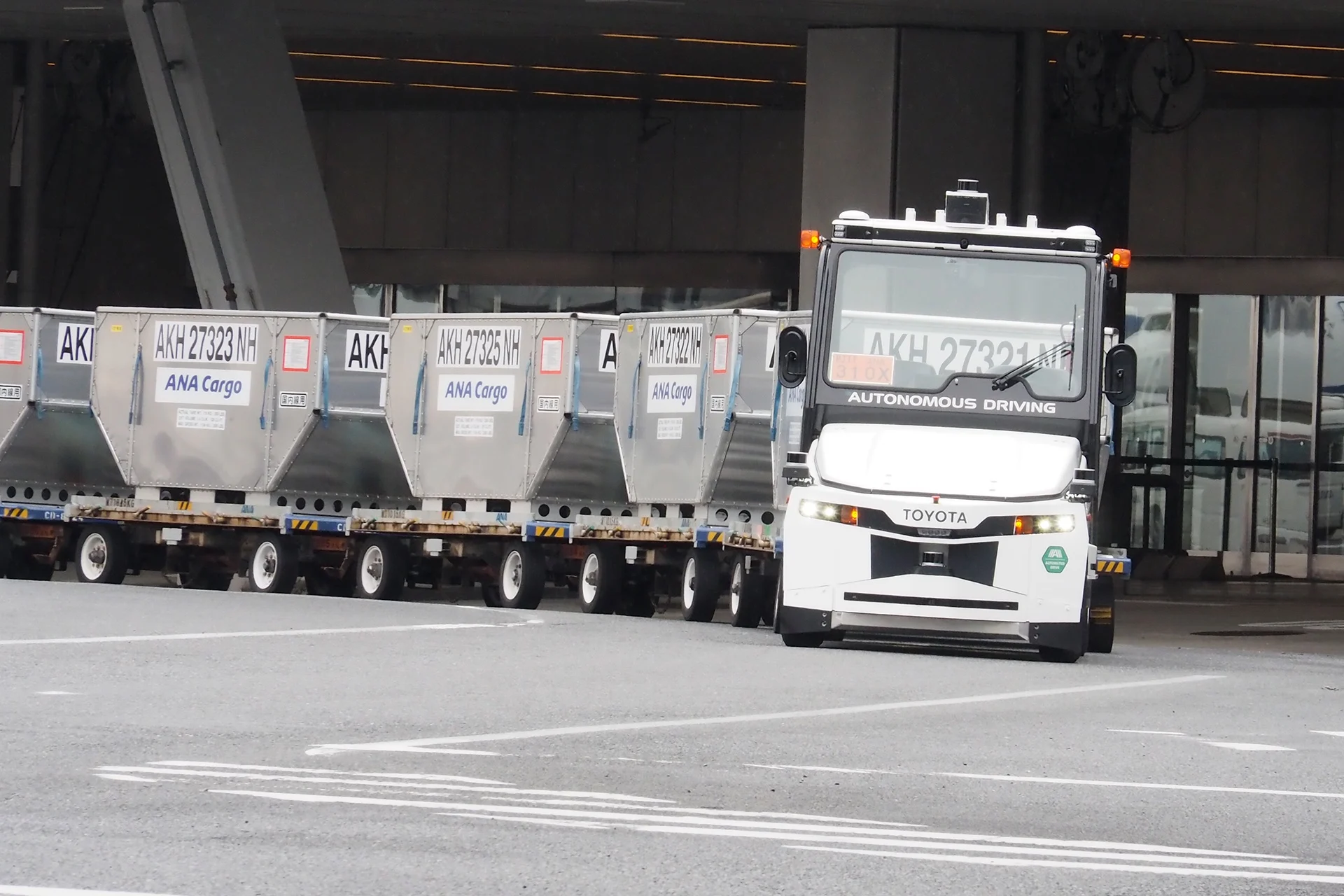
While exact power figures remain confidential, the tractor can reach a maximum autonomous speed of 15 km/h while pulling up to 13 tonnes. With a human operator on board, the speed increases to 25 km/h and the towing capacity jumps to 27 tonnes, suitable for the short 1.5 km routes between gates and aircraft stands.
- Electric drivetrain (zero‑emission)
- Level 4 autonomous capability in restricted zones
- 3D LiDAR and 2D laser sensors for 360° perception
- GNSS for precise positioning
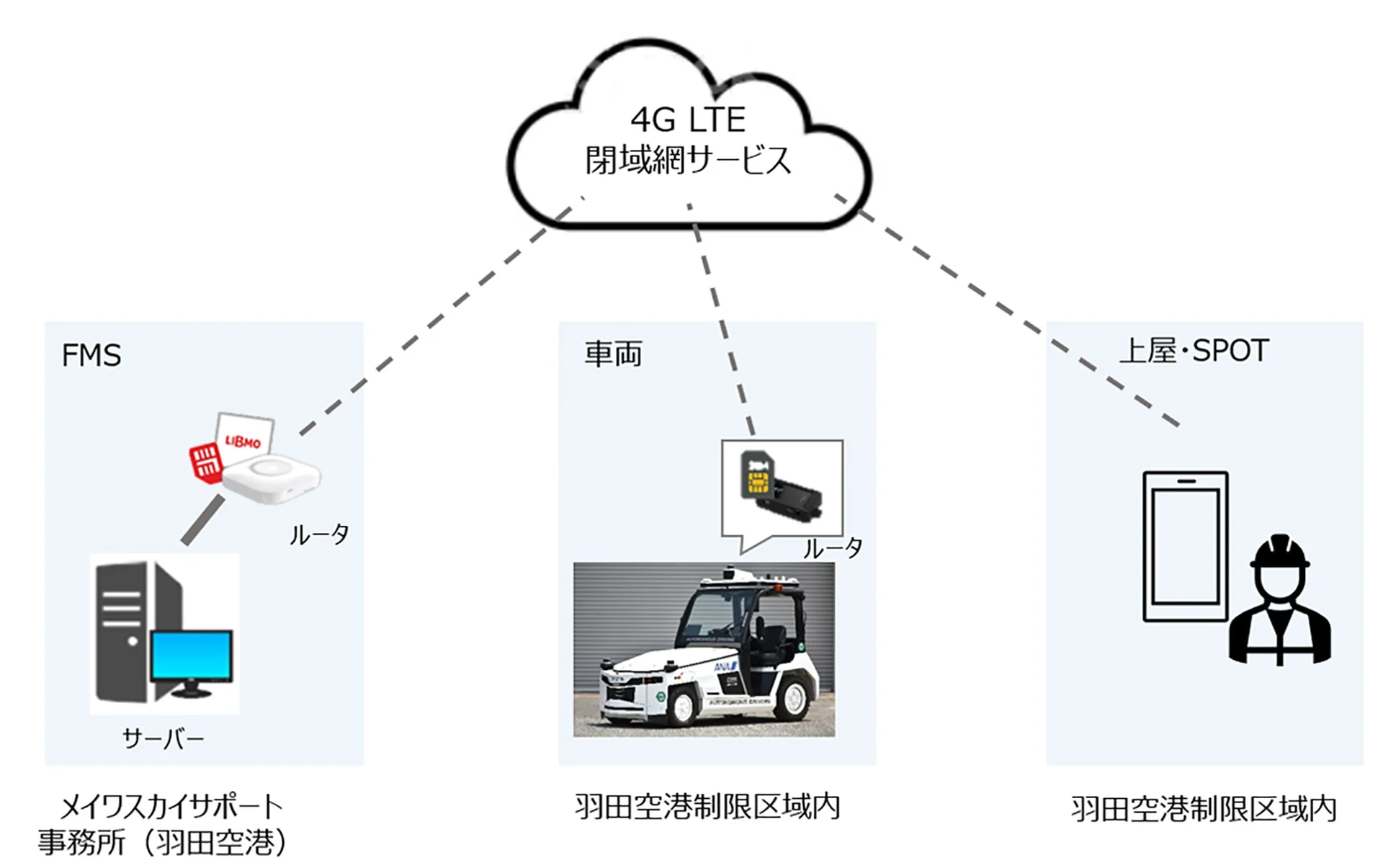
- Dedicated 4G LTE link managed by Meiwa Sky Support on‑site
How It Works at Haneda
The tractor communicates with a central server located at Haneda Airport via a private 4G LTE network. This connection enables real‑time monitoring, route updates, and remote diagnostics. An integrated Flight Management System (FMS) coordinates the vehicle’s movements with runway lighting and traffic control, assigning lanes for arrivals and departures to minimise congestion.
Benefits for Airlines and Passengers
By automating the lug‑carry process, airlines can reduce turnaround times, lower the risk of human error, and cut greenhouse‑gas emissions. Passengers enjoy faster baggage handling and fewer flight delays. The still‑available driver cabin serves as a safety fallback, allowing personnel to intervene during unusual situations or system glitches.
What’s Next for Toyota’s Autonomous Fleet
Initially, Toyota will deliver three autonomous tractors for ANA’s domestic flights, with an additional three scheduled for hand‑over by March 2026. The success at Haneda is expected to pave the way for broader adoption across other Japanese airports and eventually international hubs.
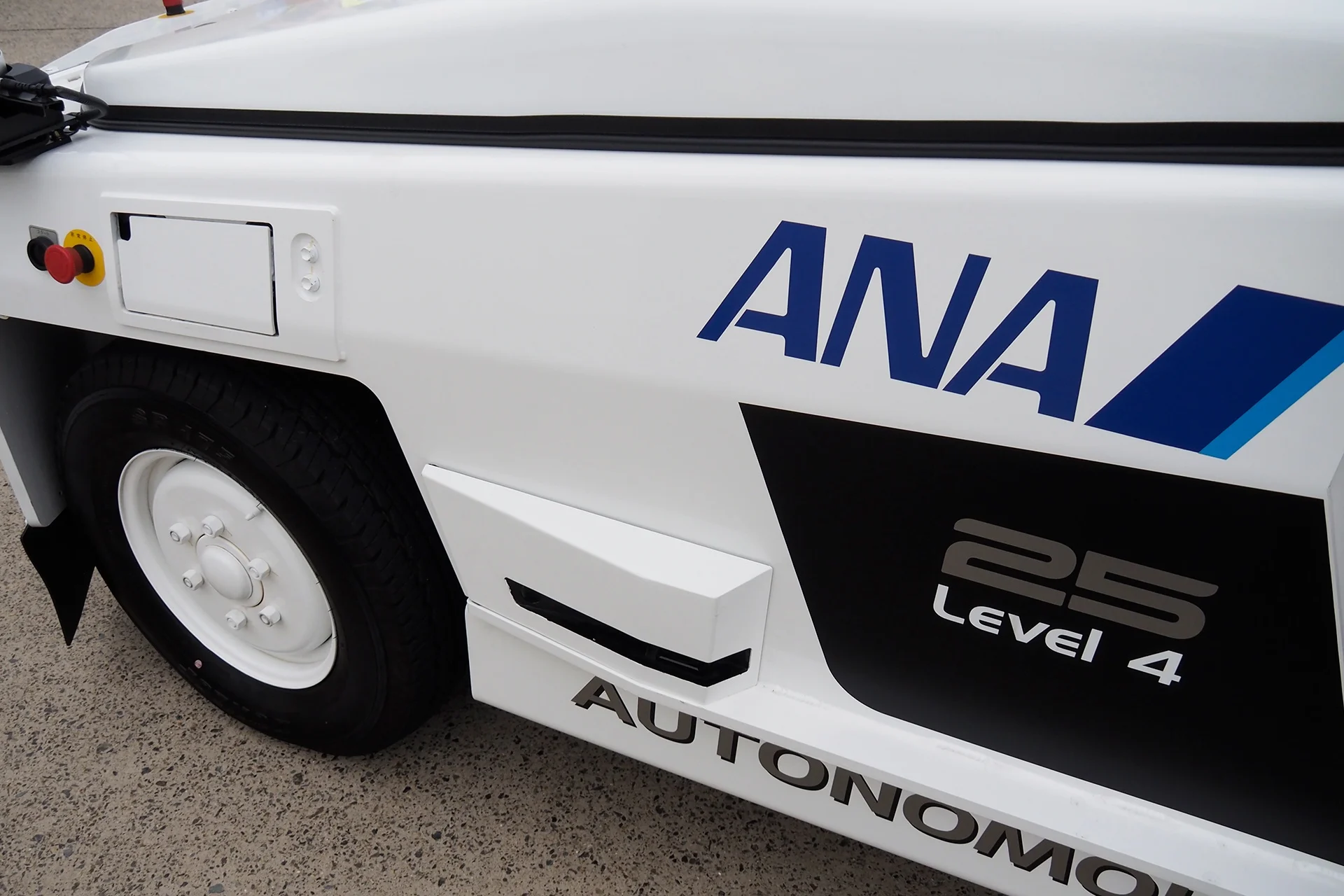
As the aviation industry pushes toward greener, more efficient operations, Toyota’s Level 4 autonomous tow tractor could become the new standard for ground support equipment worldwide.