
Toyota’s upgraded bZ4X SUV tops Japan’s EV sales in Q3 2025, beating Honda for the first time. Discover the specs, pricing and why it’s a game‑changer.
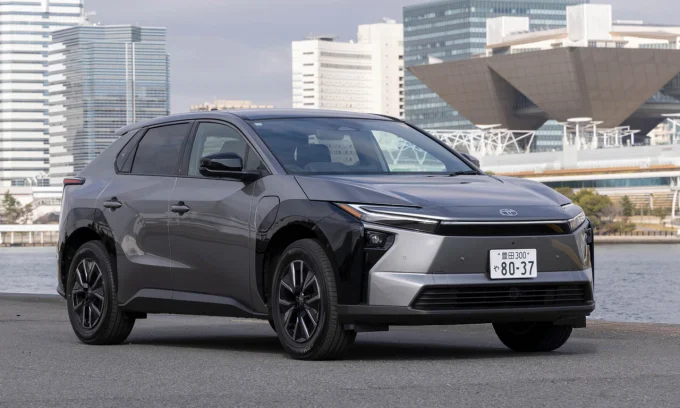
For the first time in its history, Toyota has overtaken its domestic rival Honda in electric‑vehicle (EV) sales. In Japan’s third quarter of 2025, the automaker’s compact SUV, the bZ4X, emerged as the best‑selling EV, moving 3,448 units – a 22‑fold increase over the same period a year earlier.
Why the bZ4X Is Winning
The surge isn’t accidental. Toyota rolled out a mid‑cycle upgrade in October 2025 that added a faster‑charging system, a refreshed interior and exterior, and a host of new driver‑assist features. Most importantly, the refreshed model now offers a maximum driving range of 746 km on a single charge, the longest range among locally released EVs.
Pricing also helped. The bZ4X starts at 4.8 million yen (about US$30,600), positioning it lower than many rivals. To sweeten the deal, Toyota bundles a free one‑year charging‑service membership with every purchase, a strategy aimed at easing range‑anxiety for new EV owners.
Competition on Home Turf
Honda’s small‑size N‑One e took second place with 2,732 units, while Nissan’s Sakura model slipped into third with 1,895 units. Nissan had held the top spot for roughly 15 years, but Toyota’s refreshed SUV is now drawing more attention from Japanese buyers.
From a Quiet Launch to Global Praise
When the bZ4X debuted in May 2022, it struggled to gain traction in Japan. The 2025 upgrade, however, flipped the narrative, and the same model has already found success abroad. In the United States, Toyota sold more than 18,000 bZ4X units in 2024. That figure dipped to 15,609 in 2025 as competition intensified, but the vehicle remains one of the most affordable EVs on the U.S. market, starting at $34,900.
Looking ahead, Toyota plans to launch another budget‑friendly electric SUV, the 2026 C‑HR, with a starting price expected to stay below $35,000.
What This Means for the Japanese EV Landscape
The bZ4X’s breakout performance signals a shift in Toyota’s EV strategy: combine competitive pricing, real‑world range, and value‑added services to win over consumers. As more Japanese drivers embrace electrification, the battle for market leadership is likely to become even tighter.
Stay tuned for further updates on how Toyota, Honda, and Nissan will adapt their line‑ups in the fast‑evolving EV arena.