
Toyota will raise its hybrid vehicle production by about 30% to 6.7 million units by 2028, expanding U.S. factories and investing $10 billion. Discover the strategy reshaping the auto market.
Toyota Motor Corporation announced plans to lift global hybrid vehicle output by roughly 30% by the end of 2028, targeting 6.7 million units. The move comes as the momentum behind fully electric cars slows in several key markets after governments trim or eliminate purchase incentives.
Ambitious production goals
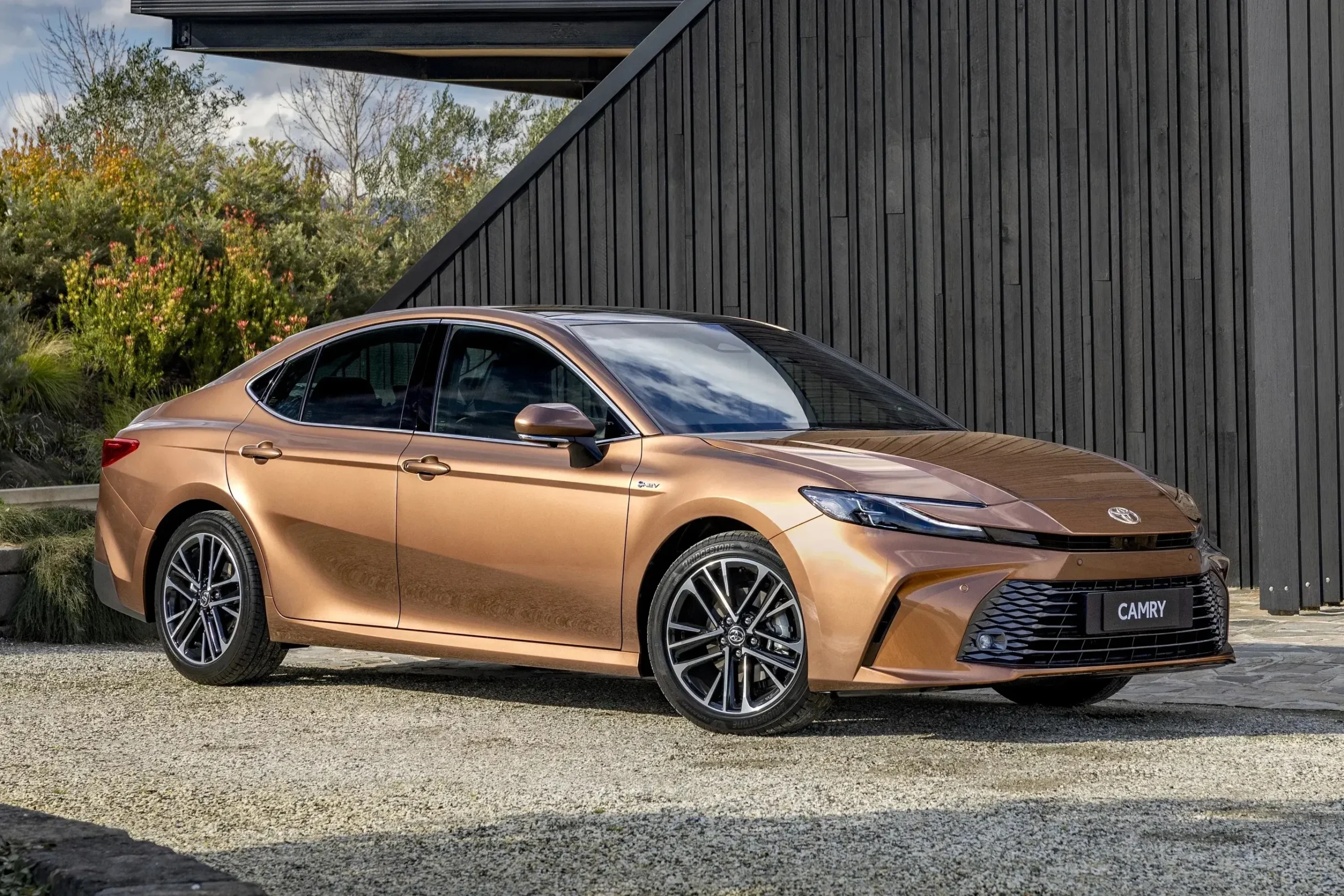
The automaker aims to boost hybrid production from its 2026 target of 5 million combined hybrid and plug‑in hybrid (PHEV) units to 6.7 million by 2028. This represents a near‑30% jump, outpacing Toyota’s overall vehicle‑production growth forecast of about 10% for the same period and raising the share of hybrids in its total output from 50% to around 60% of an estimated 11.3 million vehicles produced worldwide.
Why hybrids are gaining focus
Hybrid models combine an internal‑combustion engine with an electric motor and battery, delivering better fuel efficiency and lower emissions than conventional gasoline cars. As many jurisdictions scale back subsidies for pure‑electric vehicles—making EVs less financially attractive—consumers are turning to hybrids as a more affordable bridge to electrification.
U.S. expansion and $10 billion investment
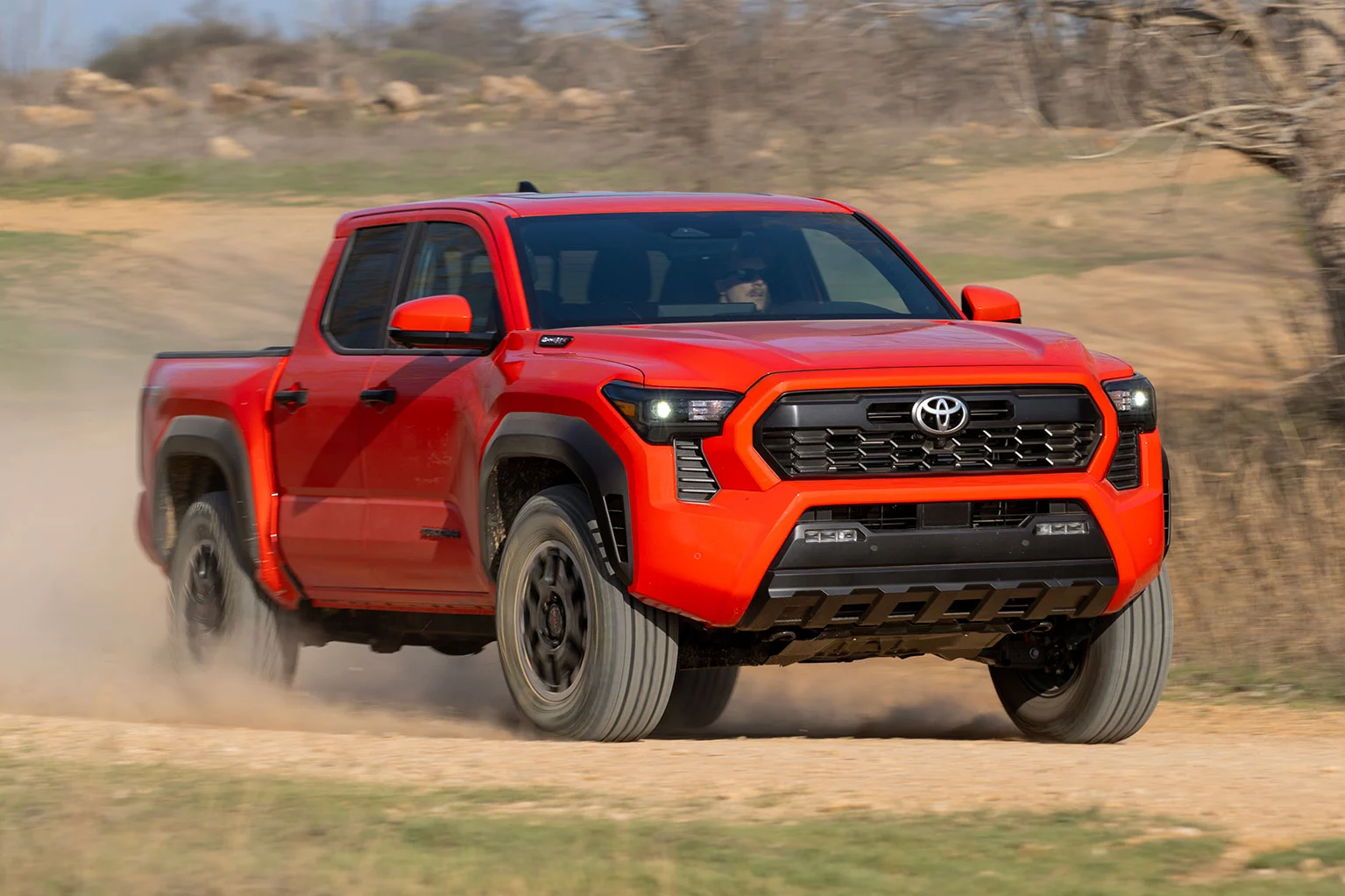
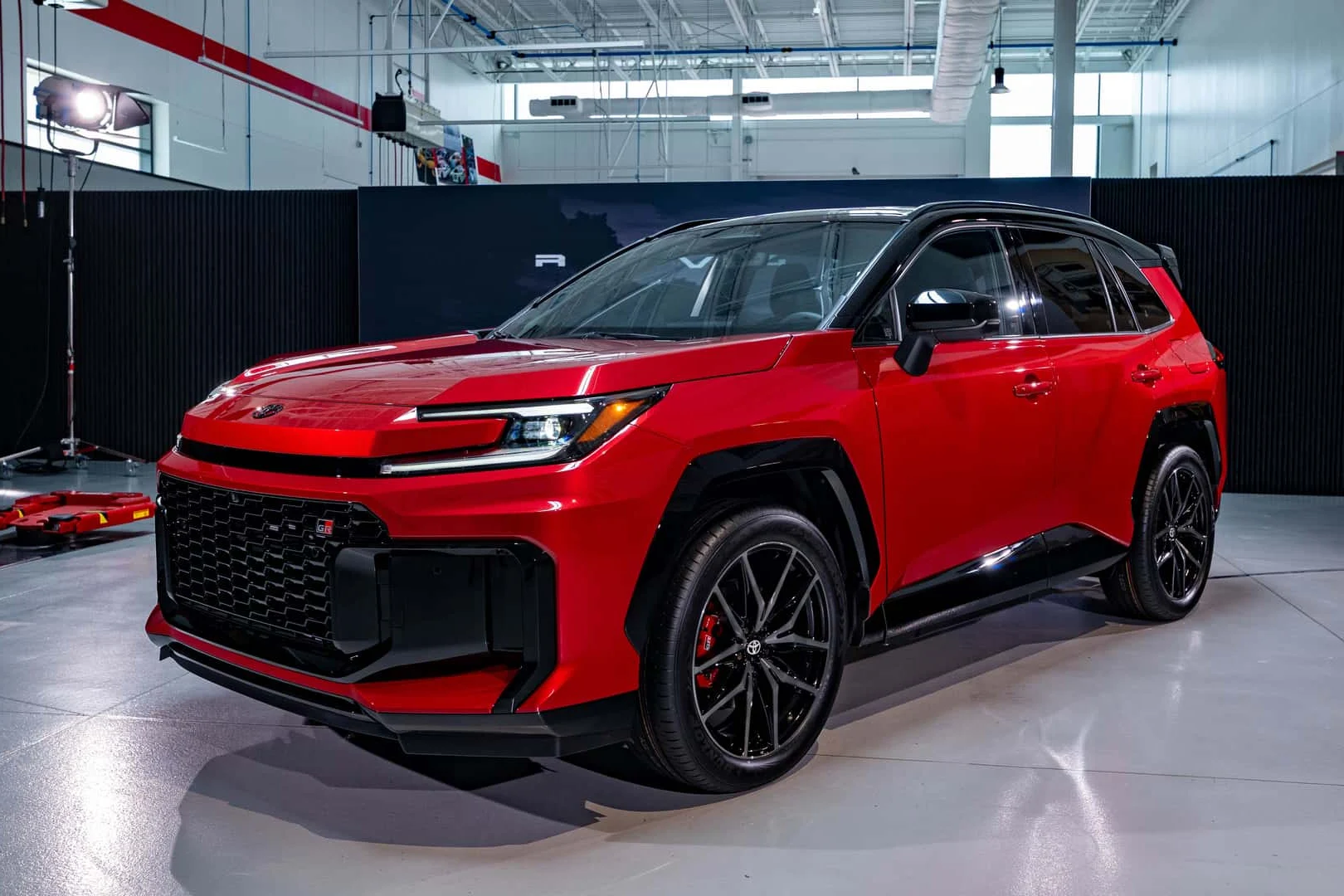
In the United States, where the Corolla Hybrid, Camry Hybrid and the newly introduced RAV4 Hybrid have seen strong demand, Toyota will significantly expand its hybrid‑manufacturing footprint. The company unveiled a 1.5 trillion‑yen (≈ $10 billion) investment plan for the next five years, with an initial 140 billion yen earmarked for new hybrid‑engine and component lines at five U.S. plants.
Production of the Corolla Hybrid is slated to begin at Toyota’s Mississippi facility after 2028, adding another high‑volume model to the American lineup.
Competitive landscape
Toyota’s hybrid push mirrors a broader industry shift. Ford has trimmed its EV lineup and anticipates a $19.5 billion loss linked to electric‑vehicle development through FY2027. General Motors is restructuring its EV operations and partnering with Hyundai on hybrid technology, while Volkswagen is introducing a full hybrid drivetrain similar to the Prius architecture.
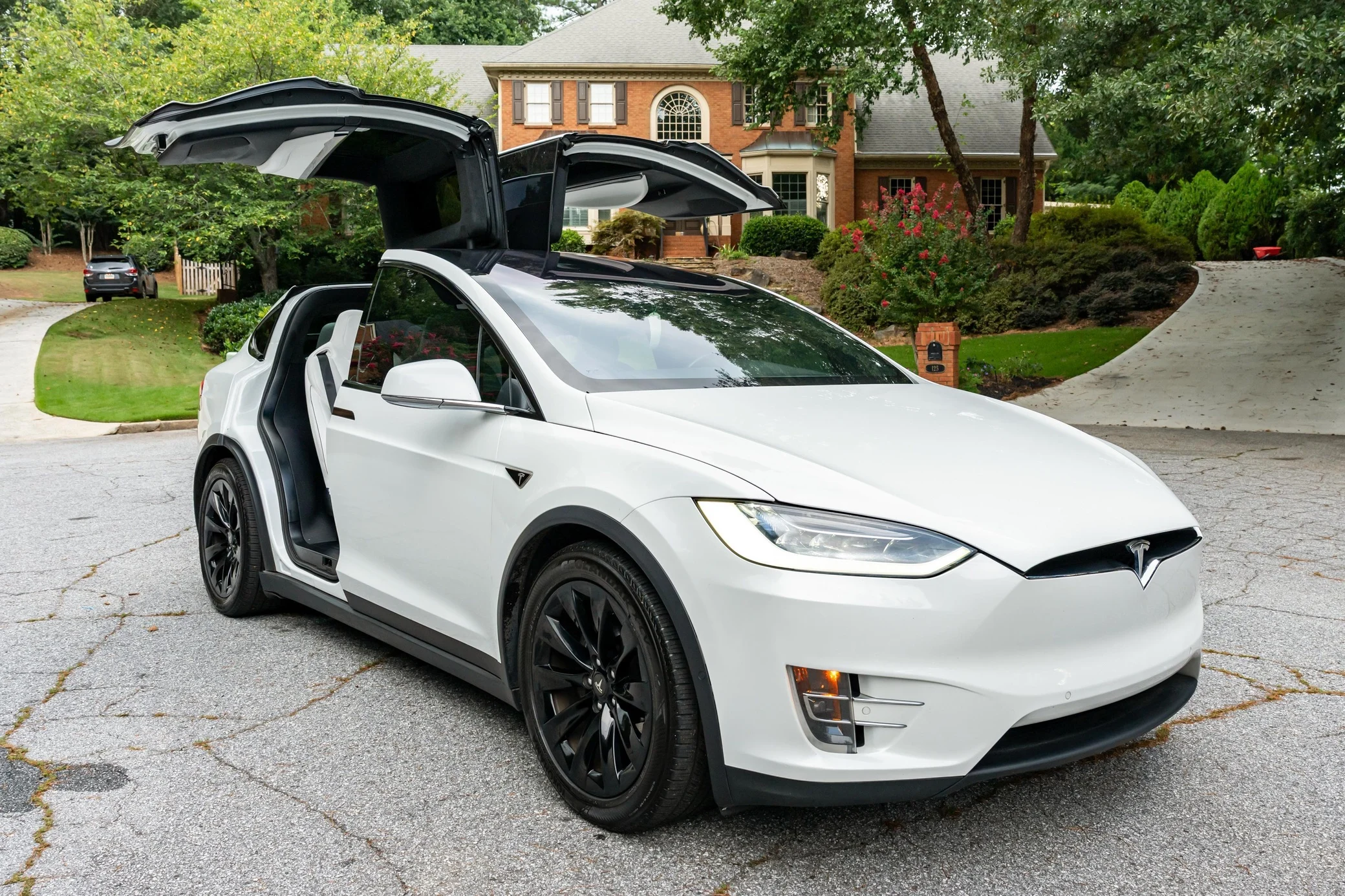
Even Tesla, the flagship EV maker, announced the cessation of its high‑end Model S and Model X production at a California plant, redirecting that facility toward humanoid‑robot manufacturing after a 9% drop in deliveries last year.
Policy headwinds and market outlook
In the United States, the Trump administration has begun rolling back the EV incentives introduced under the previous Biden administration, including the federal tax credit for electric‑car buyers. Across Europe, the European Union has postponed its 2035 ban on new internal‑combustion‑engine sales, providing additional breathing room for hybrids.
Nevertheless, research firm GlobalData expects electric vehicles to account for about 29% of total global car sales by 2030, up from 16% in 2025, suggesting a steady, if cautious, transition toward electrification.
What this means for consumers
For buyers seeking lower fuel costs without the premium price tag of a pure EV, Toyota’s expanded hybrid portfolio offers an increasingly viable option. The company currently holds roughly 58% of the global hybrid market share, a lead that could widen as other manufacturers recalibrate their strategies.
Stay tuned as Toyota rolls out new hybrid models and expands production capacity worldwide, reshaping the future of motoring.