
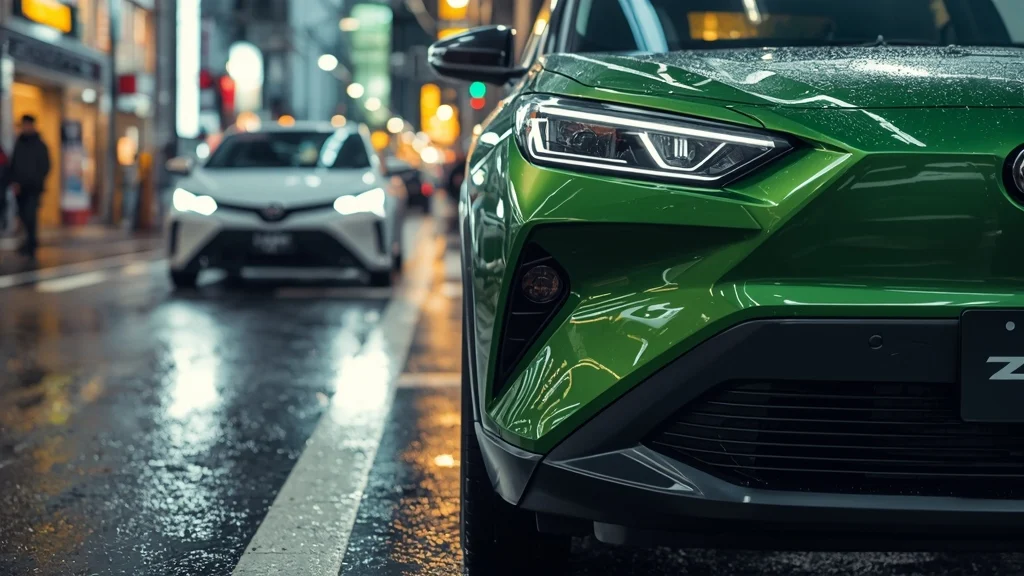
Toyota’s bZ4X tops Japan’s EV market in Q3 2025, outselling Honda for the first time. Learn why the upgraded SUV is winning and what’s next. Read more now.
Record‑breaking sales in Japan
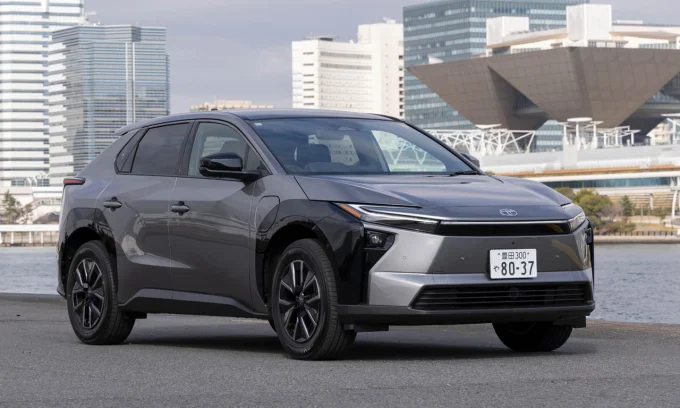
Toyota’s compact electric SUV, the bZ4X, became the best‑selling EV in Japan during the third quarter of 2025, marking the first time the Japanese automaker has outperformed its domestic rival Honda in quarterly EV sales.
Numbers that speak
In Q3 2025 the bZ4X moved 3,448 units – a 22‑fold increase compared with the same period in 2024. Honda’s N‑One e held second place with 2,732 vehicles, while Nissan’s small‑size Sakura model took third with 1,895 units.
What gave Toyota the edge?
Several strategic moves boosted the bZ4X’s appeal:
- Fast‑charging capability that outpaces rivals.
- Refreshed interior and exterior design with added tech features.
- A lower starting price of ¥4.8 million (≈ US $30,600), making it more affordable than the previous generation.
- A complimentary one‑year charging‑network membership for every buyer.
Extended range after the October upgrade
The October 2025 mid‑cycle refresh extended the EPA‑equivalent range to a maximum of 746 km on a single charge – the longest range among any domestically launched EV at the time. Consumers responded positively, translating the technical upgrade into a sales surge.
From a modest start to global recognition
When the bZ4X launched in May 2022, it struggled to gain traction at home. The 2025 enhancements, however, revived interest and propelled the model to success abroad. In the United States, Toyota sold over 18,000 bZ‑series vehicles in 2024, slipping slightly to 15,609 units in 2025 as competition intensified.
Affordable electric SUVs on the horizon
For the US market, the 2026 bZ4X is priced from $34,900, positioning it as one of the most affordable electric SUVs available. Toyota also plans to debut a cost‑effective C‑HR electric SUV in late 2026, with a target price below $35,000.
Looking ahead
Analysts from Jiji Press and Electrek suggest that Toyota’s blend of price competitiveness, extended range, and value‑added services will keep it a strong contender in the rapidly evolving EV landscape across Japan, the US, and Europe.